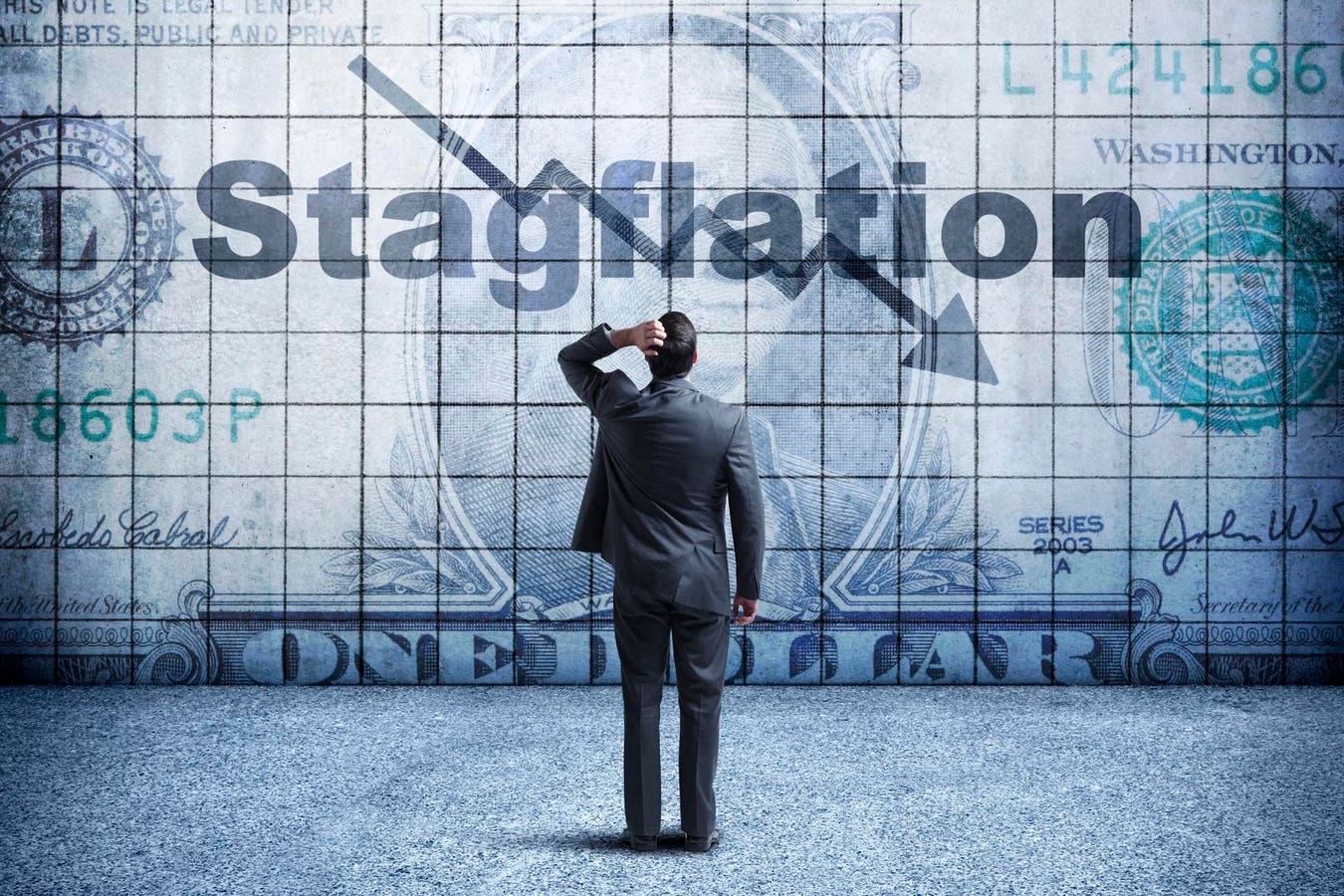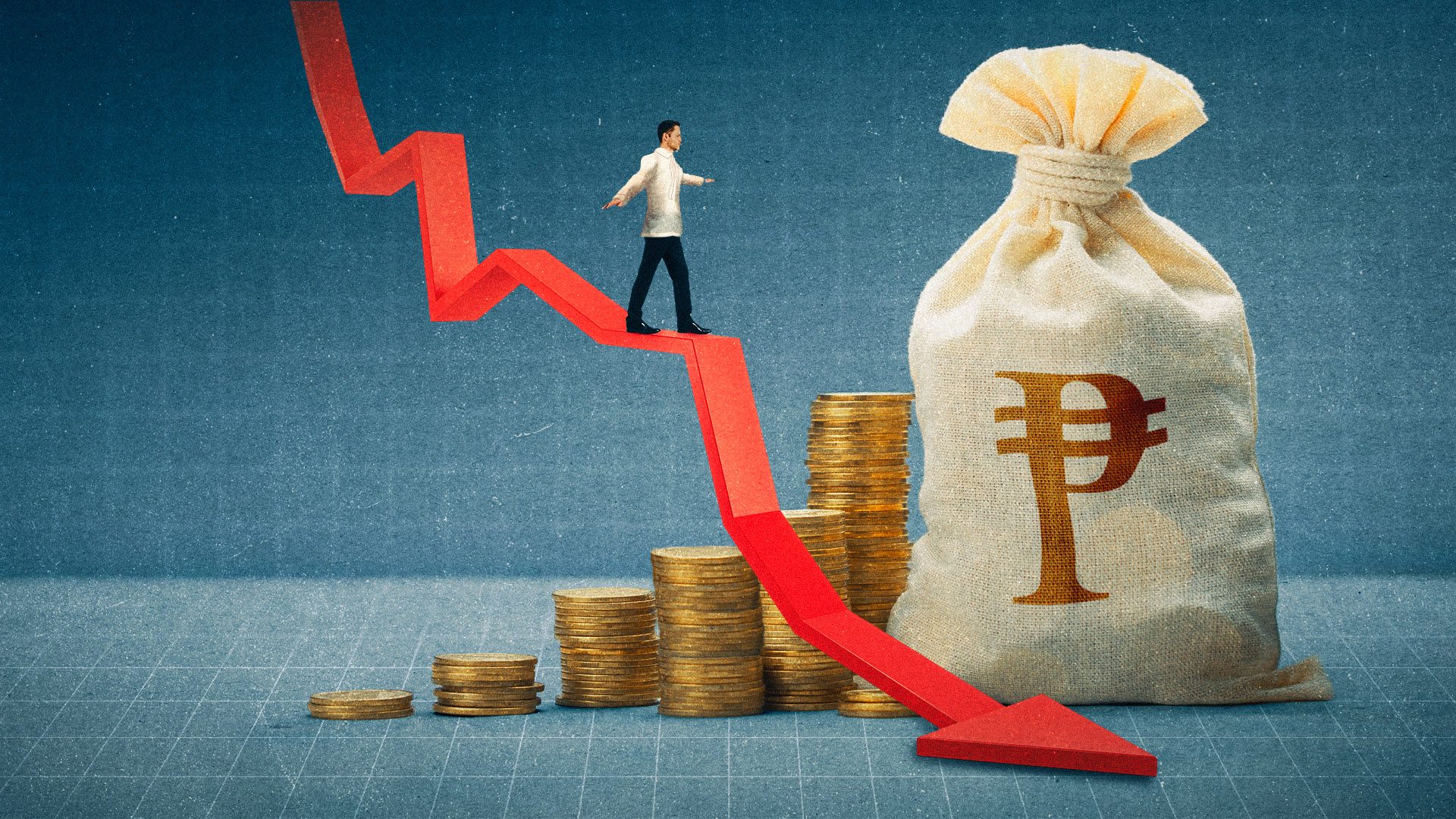
On May 7, Socioeconomic Planning Secretary Arsenio Balisacan was asked at a press conference whether the Philippines had slipped into stagflation. His reply: “I don’t see it that way.” Inflation was being managed, he said. Growth had merely “slowed down a bit.” With “structural reforms” underway, the growth momentum would return in time.
A few weeks, his boss said the opposite. In a roundtable with Japanese reporters on May 19, President Ferdinand Marcos Jr. acknowledged that stagflation is precisely the worry. “To the economy, the concern that we have is the concern about stagflation,” he said, “so this is what we have been trying to control.” Marcos even signaled that the government might let prices of “non-critical” food items rise, because suppliers are “feeling the pinch.”
This is not the first time that President Marcos indirectly disagreed with his economic managers. I recall that, a few years ago, former finance secretary Benjamin Diokno said the debt-GDP ratio was “not worrisome,” even as President Marcos flagged it as an emerging concern.
So which is it? Are we in a stagflation episode or not?
What the numbers actually say