T
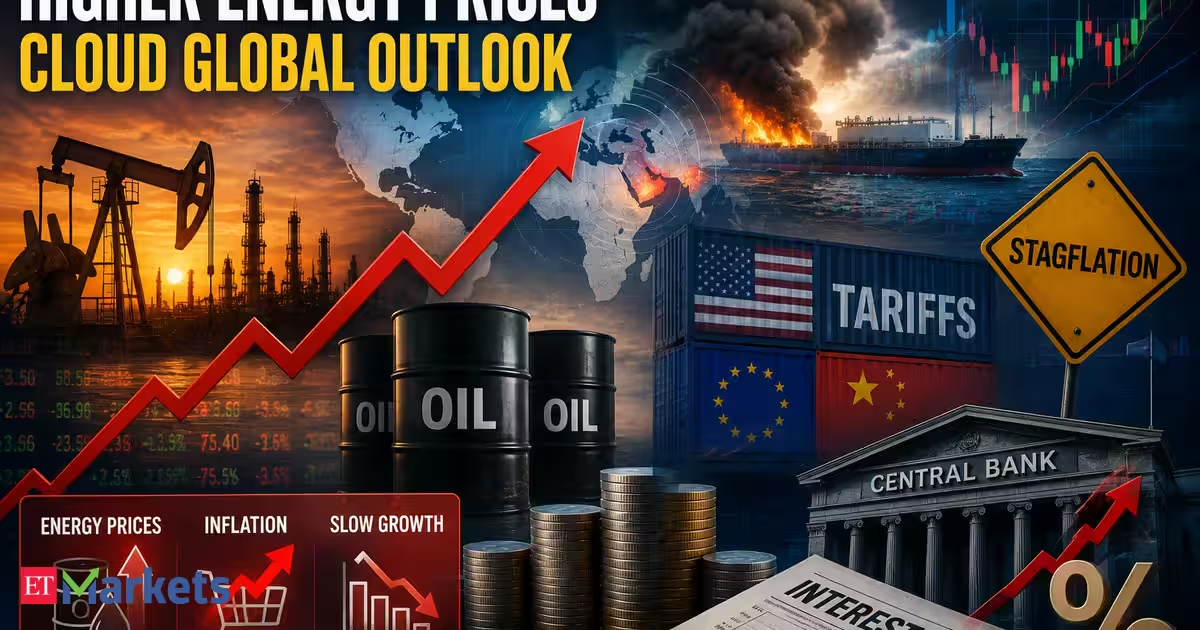
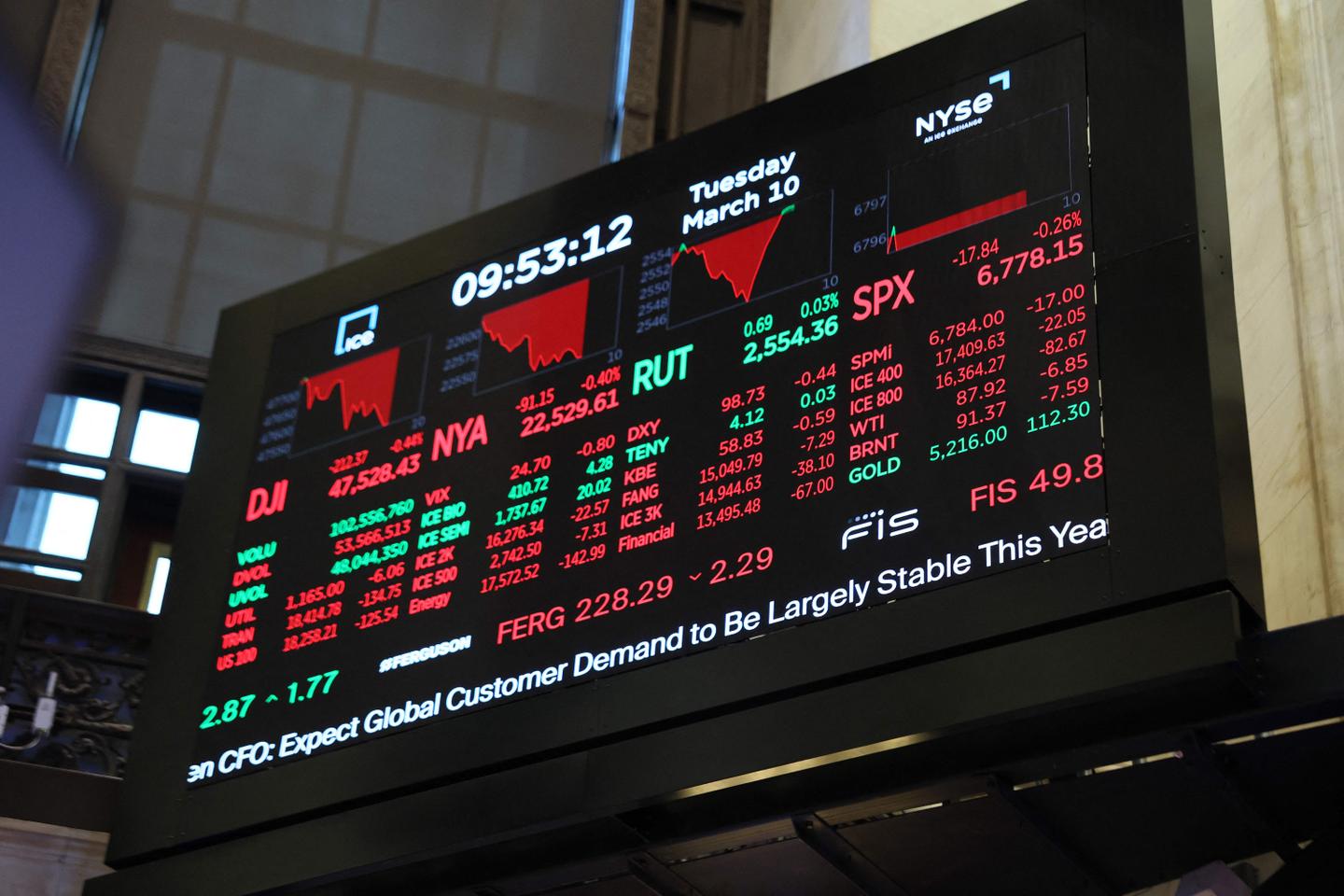
he specter of stagflation has returned: a mix of stagnation and inflation, unemployment and declining purchasing power. Not a day goes by without an economist or a central banker bringing up this neologism, so evocative of the 1970s. With the price of crude oil breaking through the $100 (€86) per barrel ceiling on Monday, March 9, the comparisons have become even more frequent.
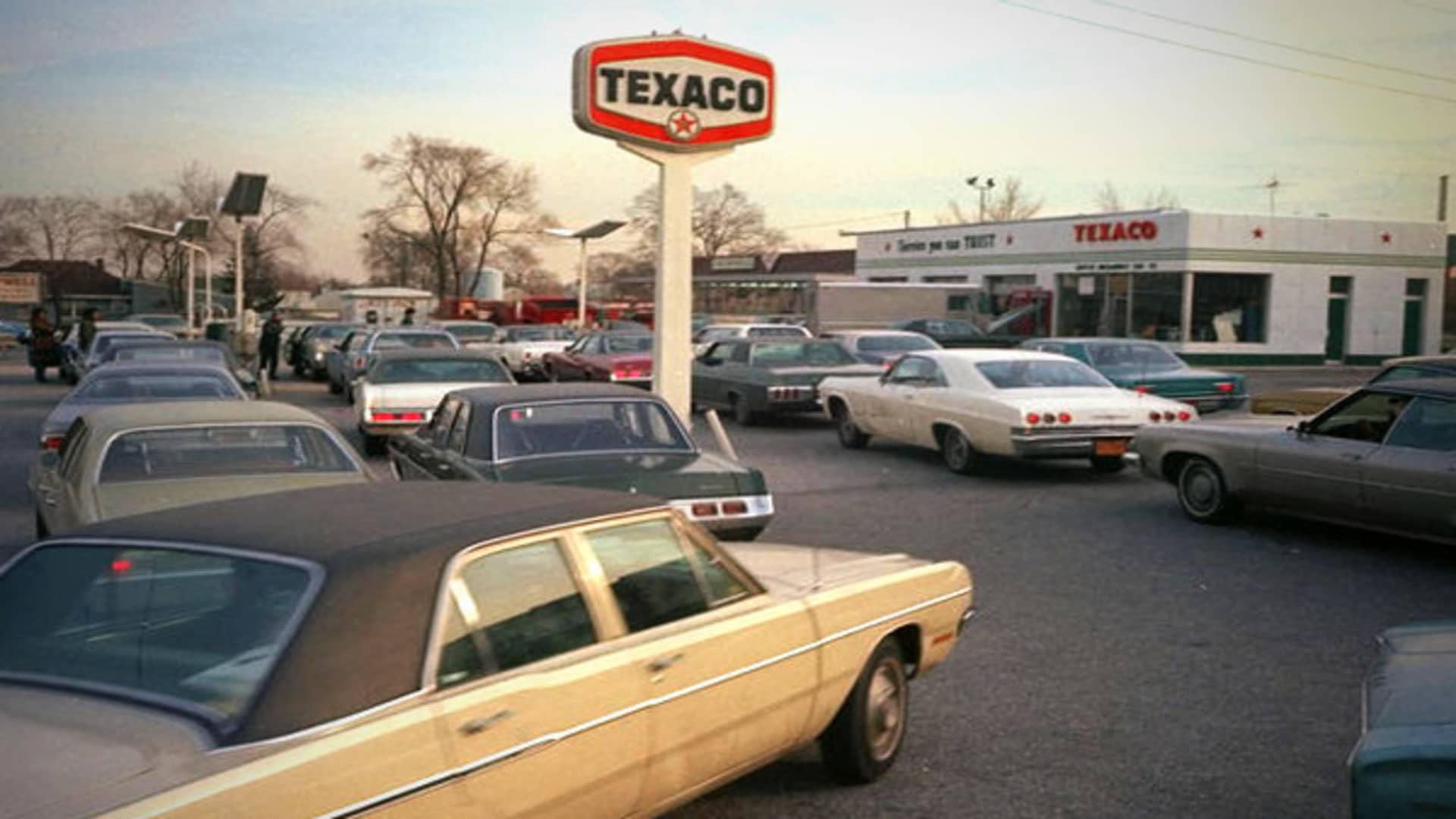
Stagflation struck the global economy after the first oil shock at the end of 1973. The price hikes decreed by the Organization of the Petroleum Exporting Countries (OPEC) simultaneously eroded consumers' purchasing power ("stag-") and triggered price increases for many other goods ("-flation"). It was a double blow. This came as a surprise, as during the Keynesian world of that time, inflation and stagnation – like oil and water – were not supposed to mix. High inflation was thought to go hand in hand with low unemployment, and high unemployment with low inflation. Rising prices generally stemmed from an overheating economy: demand growing too fast for supply to keep up. The oil crisis, triggered by the Yom Kippur War, abruptly upended that view.
But while "2026 isn't 2022," as those who compare the consequences of the war against Ukraine to those of the war against Iran rightly point out, 2026 is not 1973 either. In a normal world, stagflation should remain buried in the 70s, alongside lava lamps and Jean Yanne films.