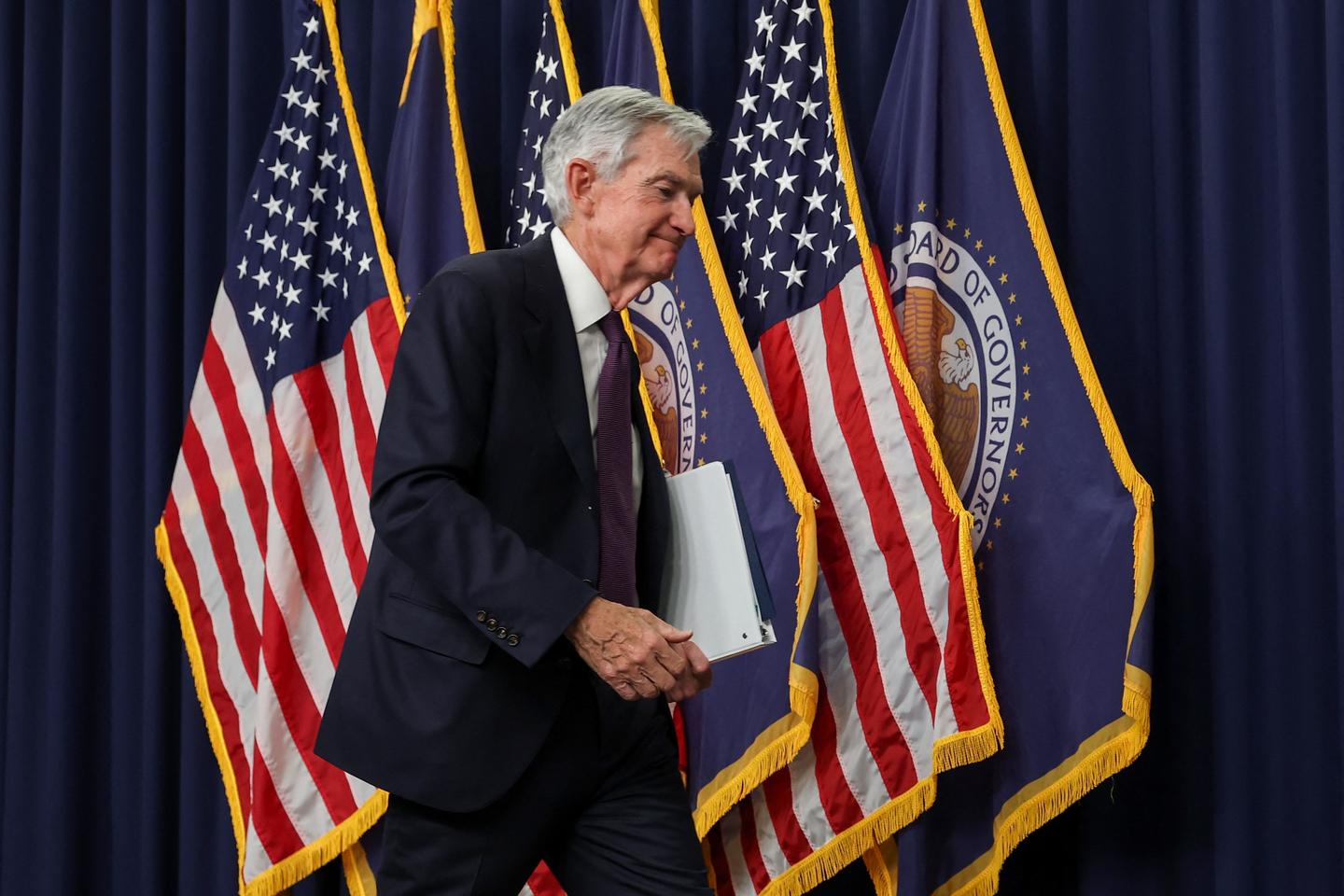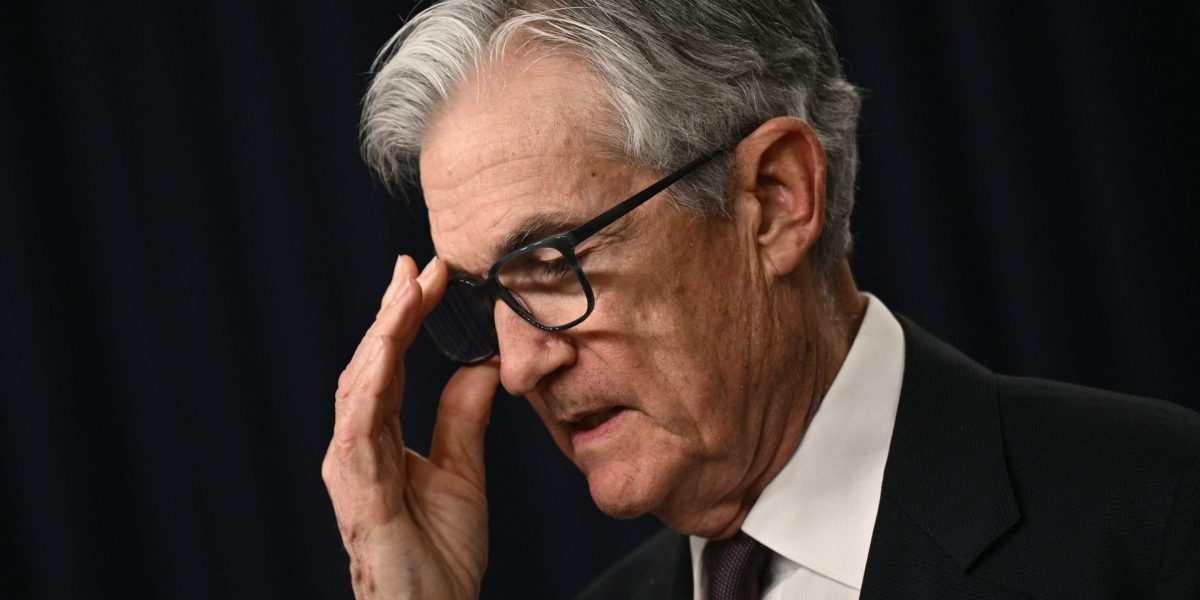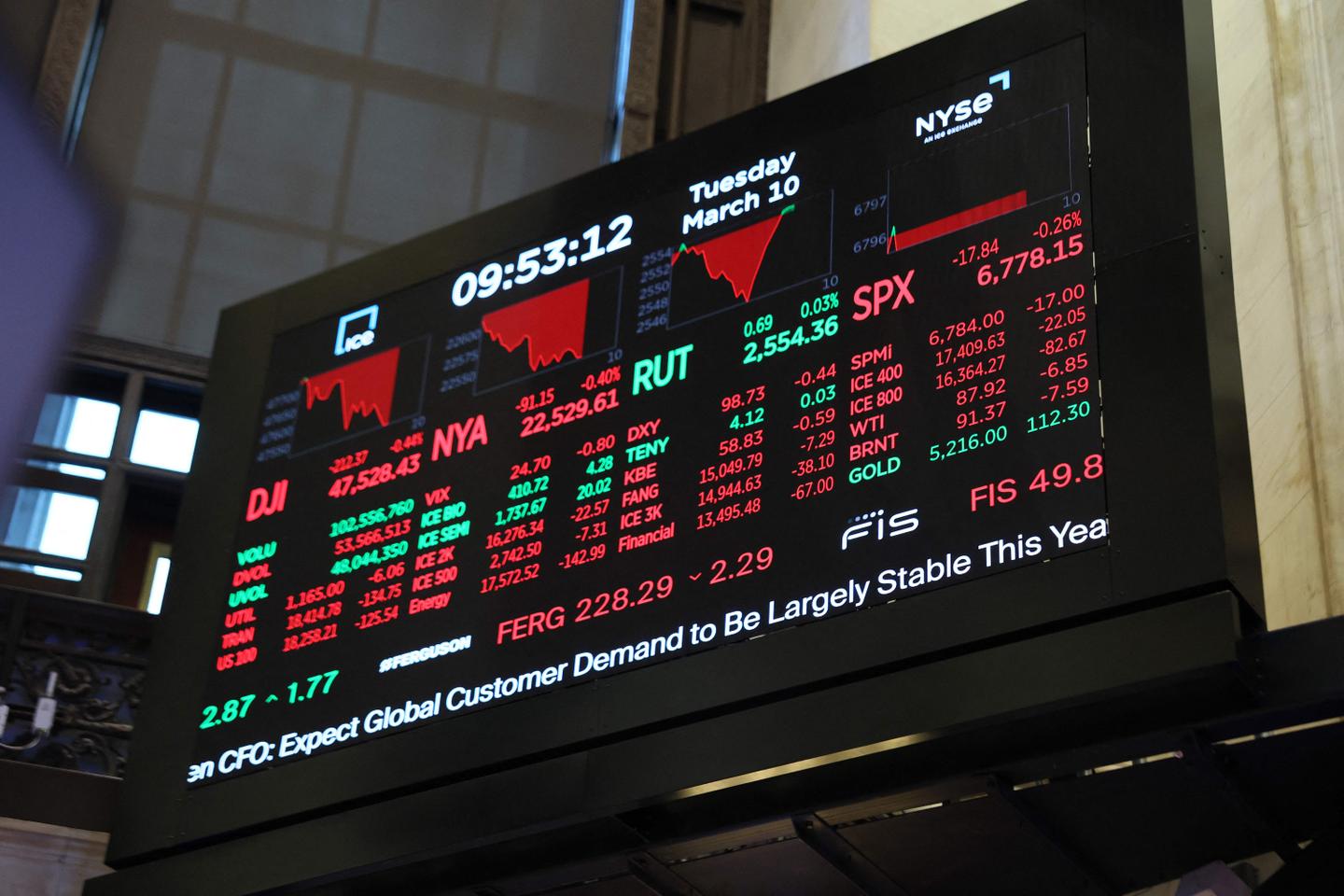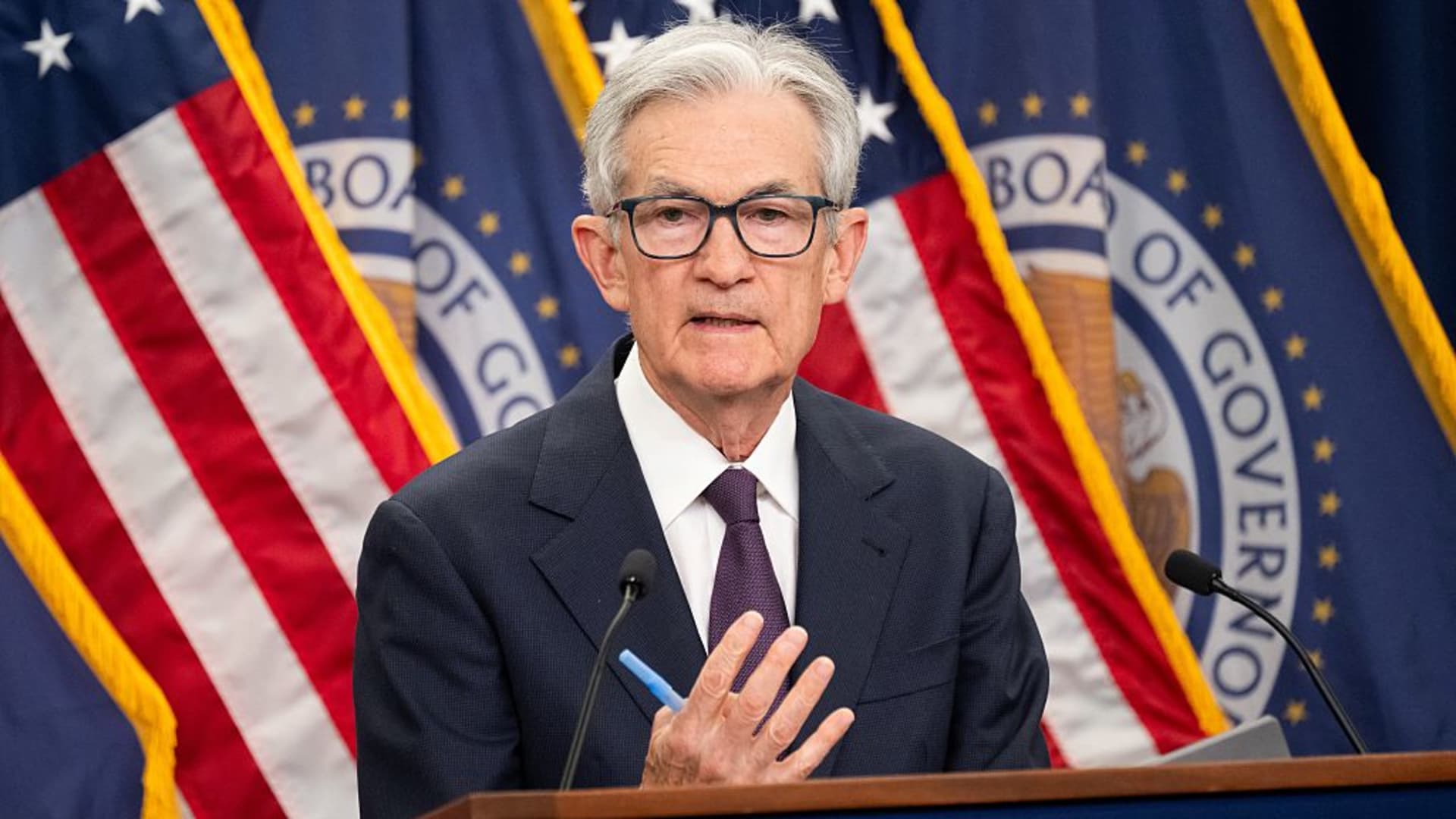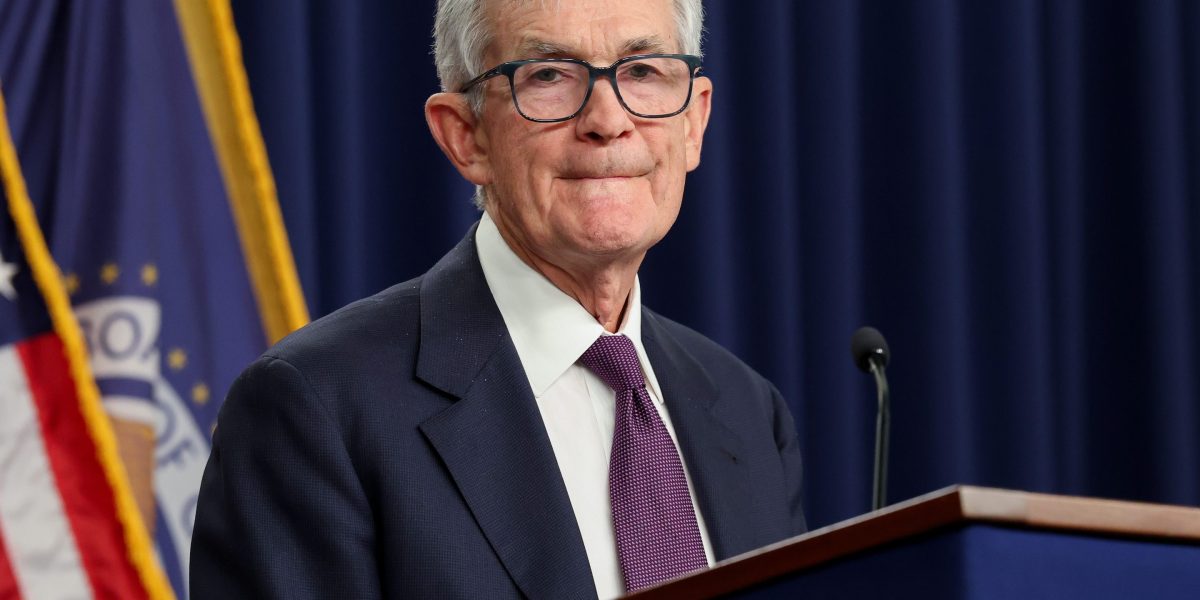
Fed Chair Jerome Powell pushed back Wednesday on comparisons between today’s economy and the miserable stagflation of the 1970s—though he acknowledged that we’re in a kind of mini-version.
“When we use the term stagflation, I always have to point out that that was a 1970s term, at a time when unemployment was in double figures and inflation was really high,” Powell said at a press conference following the Fed’s decision to hold rates steady for the second straight meeting. “That’s not the situation we’re in.”
“Maybe that’s just me,” he added.
What the Fed is dealing with, Powell conceded, is the same thing they’ve dealt with for the last year, “tension between the goals”—inflation stuck well above 2% and a labor market that’s quietly deteriorating. Core PCE inflation is running at 3%, with Powell saying he blamed roughly half to three-quarters of a percentage point of the overshoot directly to tariffs. Meanwhile, the February jobs report showed employers cutting 92,000 positions, and once you adjust for the margin of errors in the data, private-sector job creation has effectively hit zero.
Powell framed that as a fragile equilibrium rather than a crisis. With immigration sharply curtailed, both labor supply and demand have fallen in tandem, keeping the unemployment rate stable at 4.4% even as hiring has flatlined. “You’ve got a sort of zero employment growth equilibrium,” he said. “That’s balance, but it does have a feel of downside risk, and it’s not kind of a really comfortable balance.”