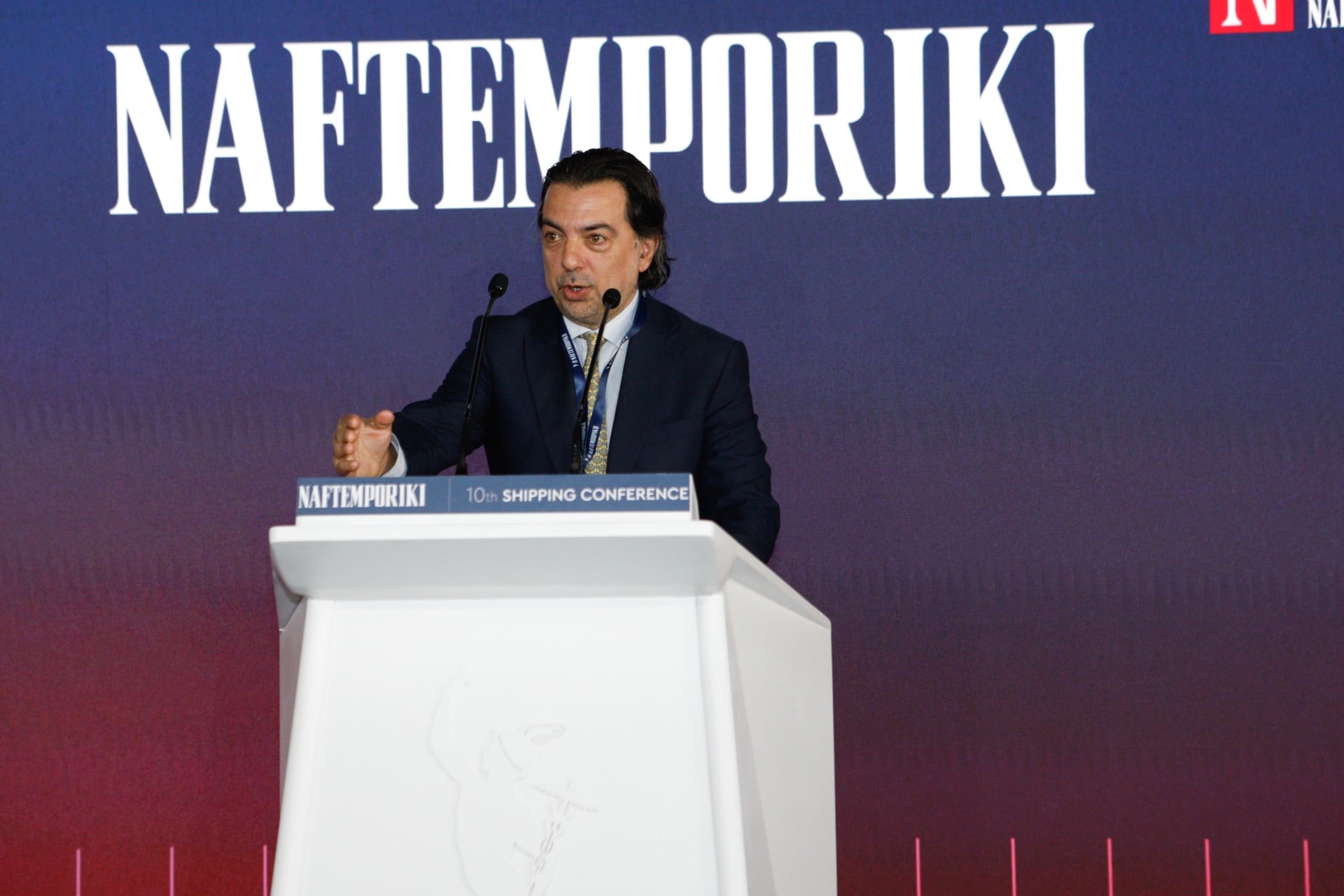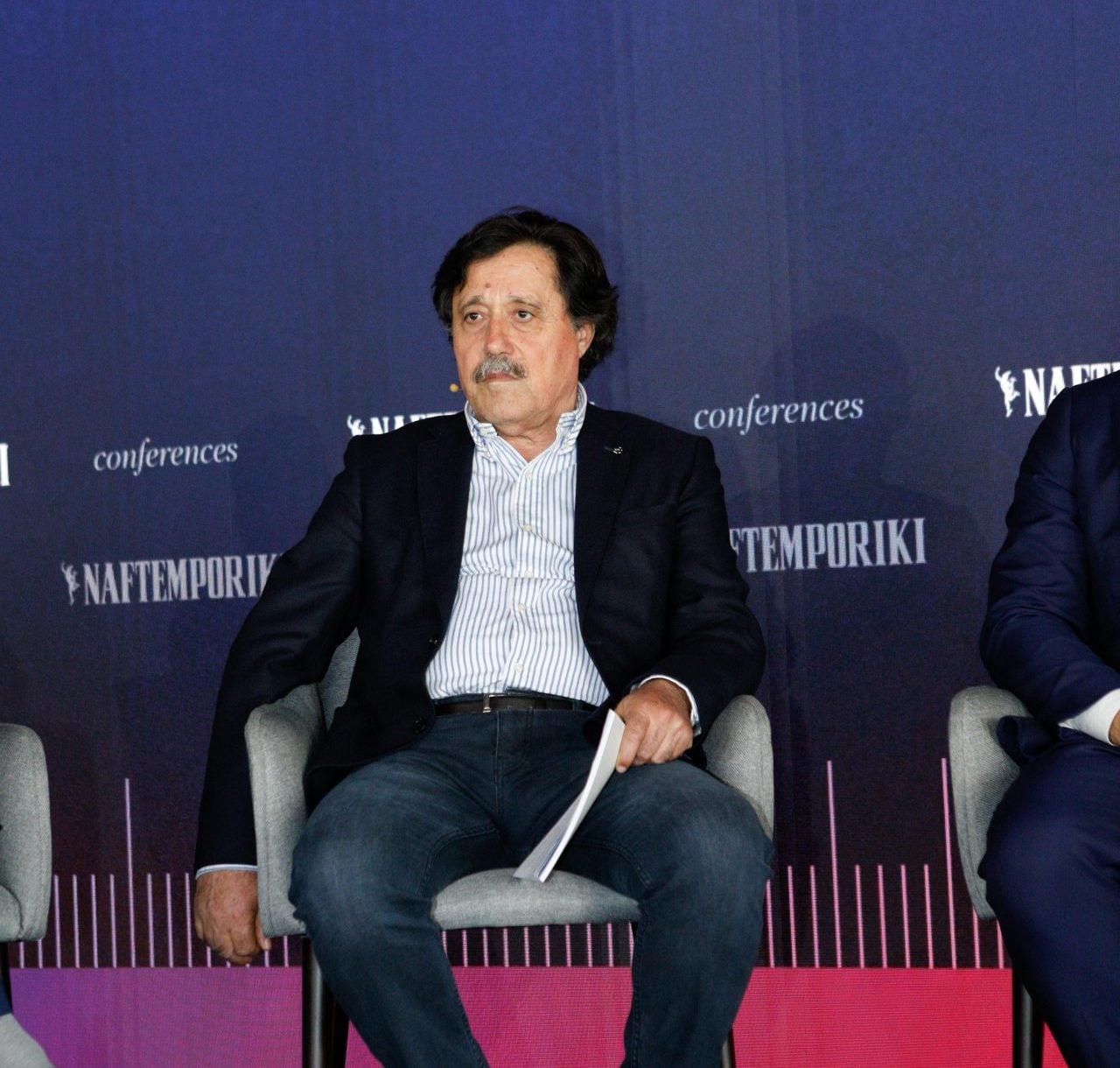
Savvas Kalenteridis spoke at the 6th panel of Naftemporiki’s 10th Shipping Conference, titled “Geopolitics at Sea”, on the role of maritime routes as a central arena of geopolitical confrontation.As he stated, “geopolitics is about the control of sea lanes,” noting that shipping is not so much a tool of pressure as it is “subject to pressure.”Shipping under the spotlight of crisesKalenteridis referred to the Russia–Ukraine war, sanctions, the Red Sea and the Bab el-Mandeb Strait, stressing that all these crises demonstrate that commercial shipping is directly affected by geopolitical conflicts.The “nuclear weapon” of the Strait of HormuzHe placed particular emphasis on the Strait of Hormuz, assessing that there had been a “major miscalculation” by the United States. As he said, the objective was to prevent Iran from acquiring nuclear weapons, but in practice Tehran was effectively given another powerful tool: control over one of the world’s most critical maritime arteries.He warned that corporate and governmental strategies must now adapt to a new scenario: not necessarily permanently closed straits, but straits under control and potentially subject to transit “tolls.”The transition to a multipolar worldKalenteridis noted that the world has already entered a transitional phase of multipolarity, with the United States, China and Russia reshaping global balances of power.As he argued, geopolitical tensions, wars and trade disputes are not an “abnormality,” but rather a symptom of the transition to a new international system.“The revolution of the 21st century will be the Northern Sea Route”The geopolitical analyst placed particular emphasis on the opening of the Arctic trade passage, which he described as “the revolution of the 21st century.”He referred to the so-called Northern Sea Route, which runs along Russia’s Arctic coastline and connects Europe with Asia via the Arctic.The gradual retreat of sea ice due to climate change is making the route increasingly accessible, significantly reducing transit times for goods between China and Europe. Ships have already completed China–Europe voyages via the Arctic in approximately 20 days.
10th Naftemporiki Shipping Conference-Kalenteridis: The revolution of the 21st century will be the opening of the Northern Sea Route
As he stated, “geopolitics is about the control of sea lanes,” noting that shipping is not so much a tool of pressure as it is “subject to pressure.”
356 words~2 min read