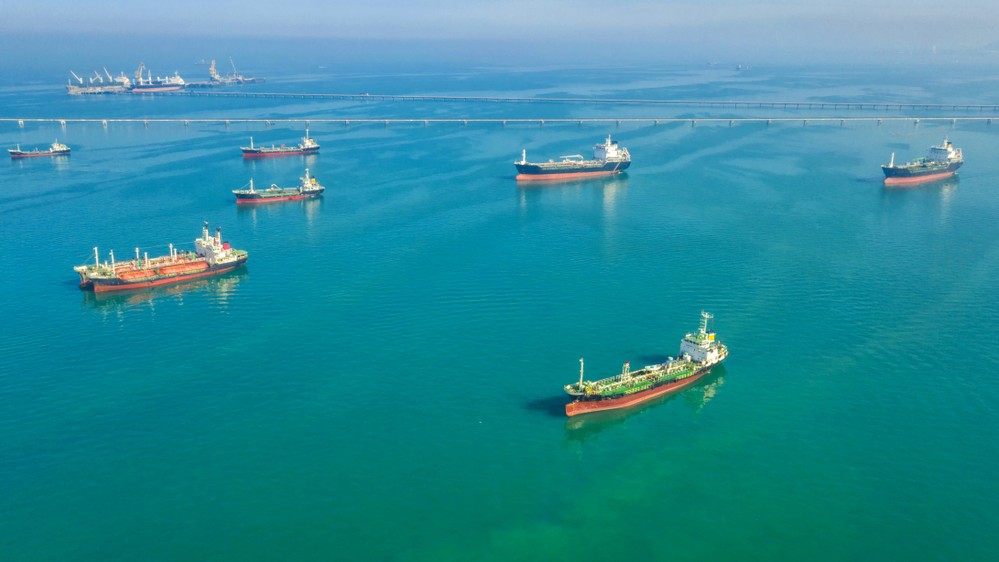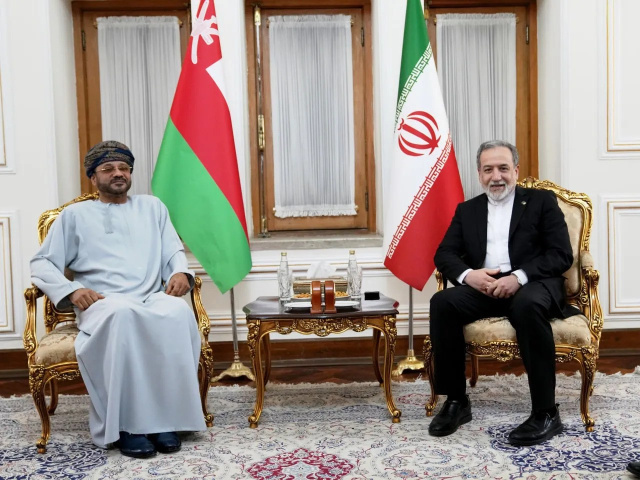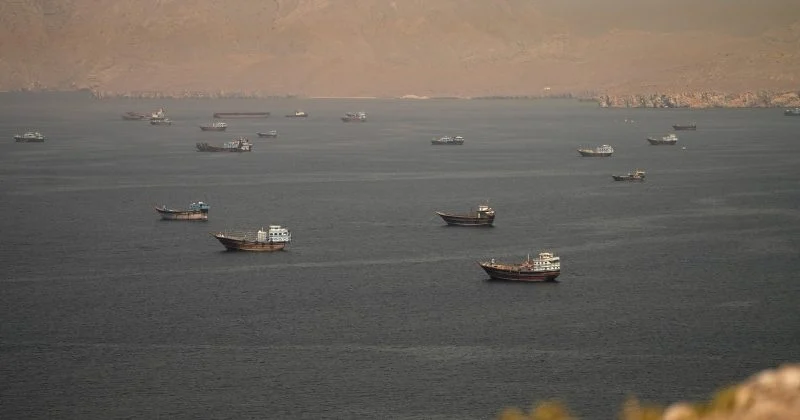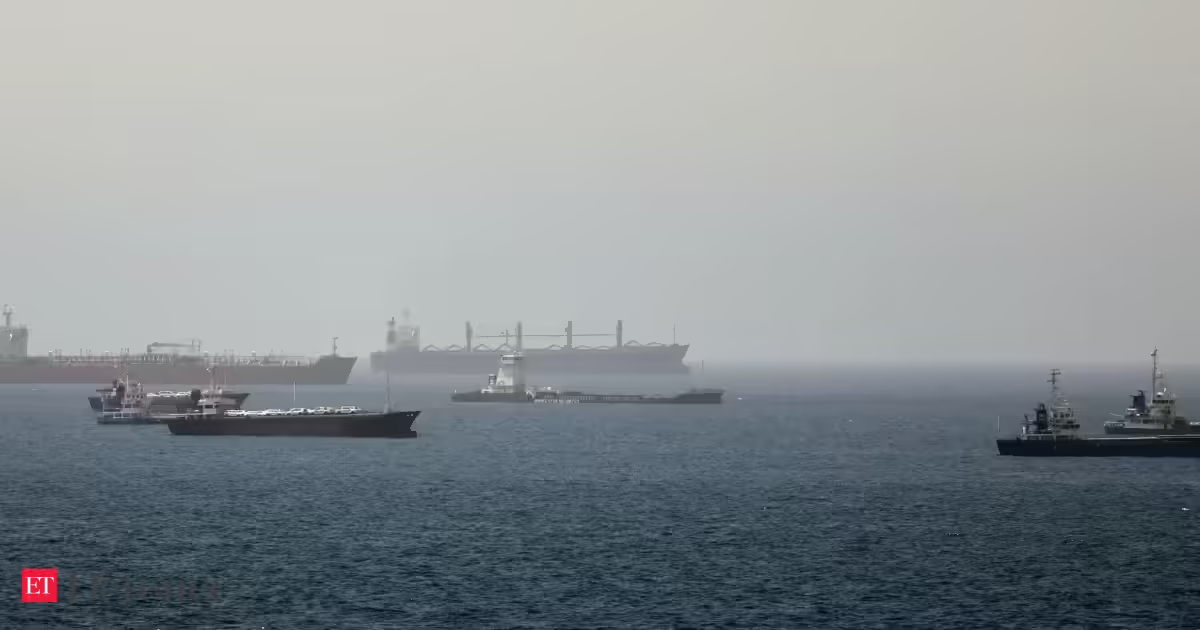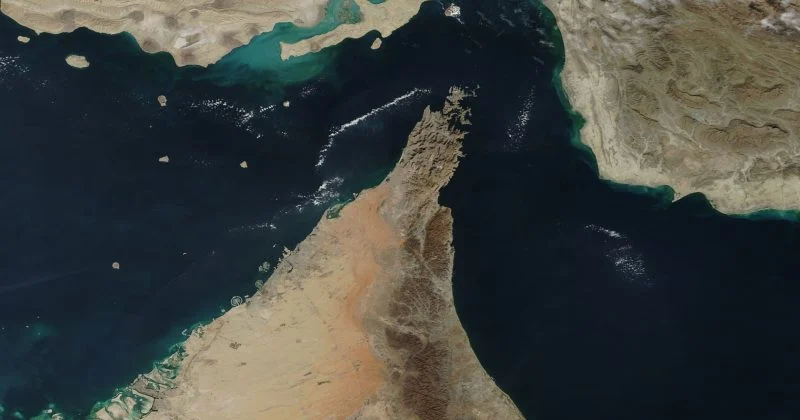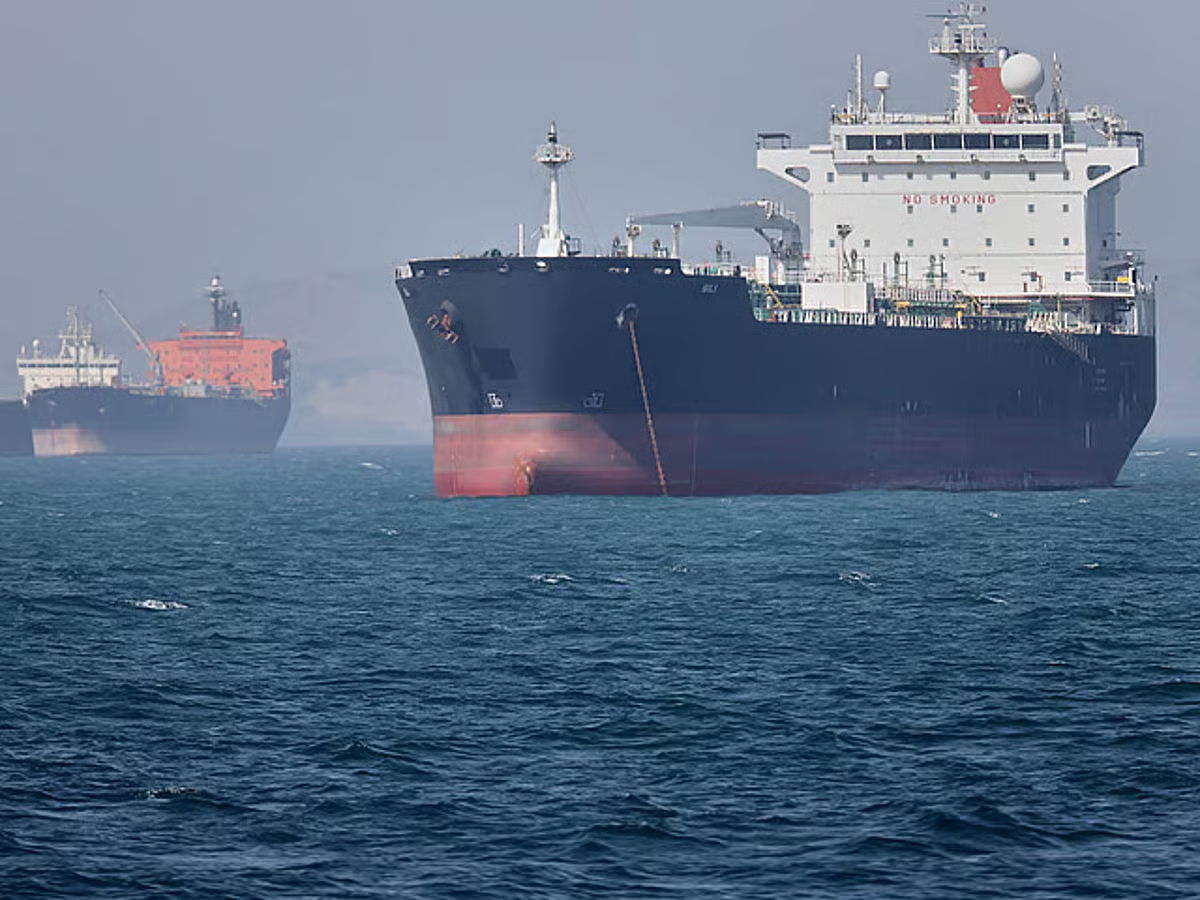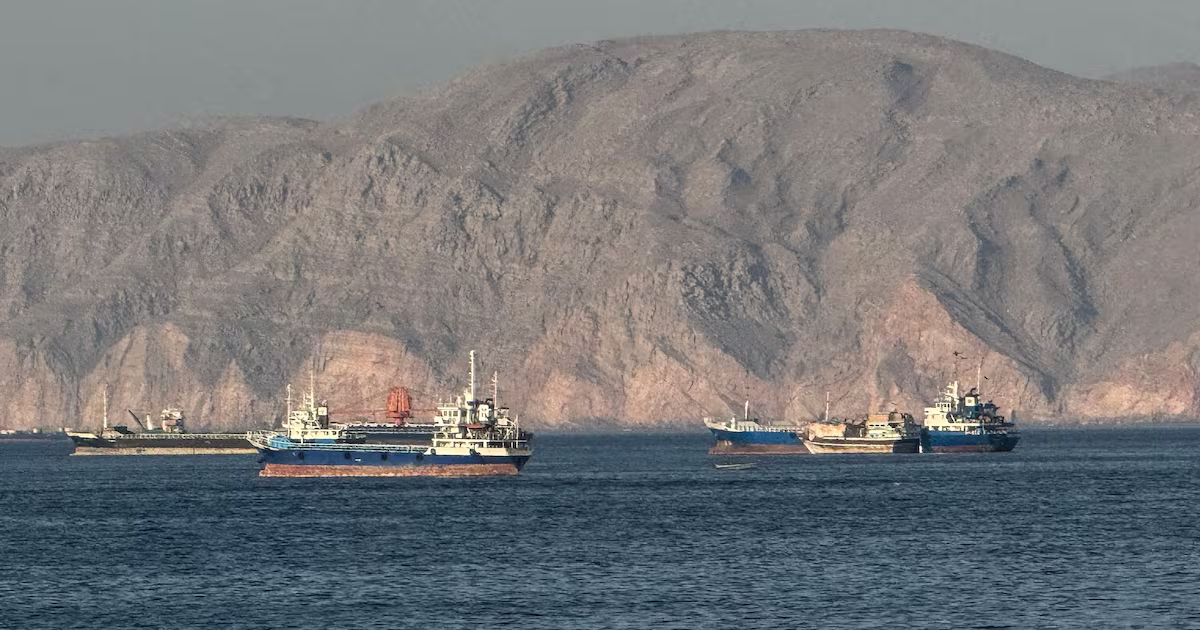
Newly opened trade corridors between the UAE and Oman are playing a critical role in the transport of essential and time-sensitive cargo, as the Strait of Hormuz remains closed as a result of Iran war.However, the new routes do not have the capacity for the volumes of cargo that were previously shipped through Hormuz and reopening the narrow channel in the Arabian Gulf remains critical for the full flow of trade activity to resume, analysts say.The corridors “help maintain flows of priority and time-sensitive cargo, supporting regional trade continuity,” Jack Kennedy, head of Mena country risk at S&P Global Market Intelligence, told The National.Sharjah and Oman this week launched a new logistics corridor to move goods by land and sea more easily, primarily through Khatmat Malaha Border Crossing in Kalba, Sharjah, and Al Madam border point in the same emirate.The arrangement allows goods to cross borders more seamlessly, bound for Oman's Sohar port on the east coast, as well as Duqm and Salalah. Hundreds of cargo ships are stuck in the strait, which is under a double blockade by Iran and the US that is hindering trade between Middle East countries and the rest of the world.Before the conflict, each month, more than 800,000 TEUs (twenty-foot equivalent units) of goods were imported to the Middle East, with 450,000 TEUs exported.Trade has been vastly reduced, with only 20 per cent to 30 per cent transiting through land bridges from the UAE, Jeddah in Saudi Arabia, Turkey and Oman, data provided by pricing platform Xeneta shows.About 20 per cent of global crude and liquefied natural gas (LNG) supply was shipped through the strait prewar but this has also stalled.The new overland routes are playing crucial role in transporting essential cargo such as food, pharmaceuticals, industrial components, retail inventories and critical inputs required for manufacturing.They are routed through the Omani ports of Sohar, Duqm and Salalah, all of which lie outside the strait, and transported overland into the UAE by lorry.Retail and consumer goods are among the largest beneficiaries, said Roxane El Mawla, group chief executive at Dubai-based trading platform Uexo.com.“Industrial sectors also benefit significantly, as manufacturing operations rely on imported intermediate goods, machinery components, chemicals and industrial materials,” she said. Construction materials and infrastructure-related imports are also likely to receive priority, given the scale of ongoing development projects. Car supply chains, electronics, medicine and logistics services are also expected to benefit from the diversified corridors. Dubai’s 'green corridor' with Oman – set up after Iran began attacking international shipping – also has a crucial role in the transport of goods. A queue of lorries at the customs centre of the Hatta Border Crossing station in the UAE. AFPInfoThe number of customs declarations through the green corridor surged from 12,000 in March to nearly 100,000 the following month, with the value of transported goods rising from Dh1 billion ($270 million) to more than Dh8 billion, recent government data indicates.As part of green corridor, loads arriving from Oman are transported overland to Dubai through the Hatta Border Crossing.A green corridor relies on cleared shipments, digital documentation, and co-ordinated border procedures, allowing approved goods to pass with minimal inspection and delay. It ensures faster delivery as most of bureaucratic hurdles are removed, or greatly reduced. “It’s part of a sort of a regional trend towards supply chain diversification,” Oliver Cornock, global editor-in-chief of Oxford Business Group, told The National. “A corridor such as this just creates more flexibility, and adds a greater number of cargo ports and road freight options.”High prices here to stayThough new routes have been set up for the faster delivery of goods and mitigate supply chain disruption to some extent, prices are expected to remain high due to current limitations in maritime shipping and higher-than-usual freight charges.Xeneta data shows container freight rates from China to Khor Fakkan port in the UAE have gone up by 300 per cent since the outbreak of Iran war.The additional leg of transportation from Oman to the UAE adds to overall logistics costs. In addition, alternative corridors have lower throughput capacity than se a routes, limiting their ability to fully absorb displaced trade volumes.“The main economic benefit is not necessarily cheaper goods, it's about a more stable and reliable supply chain alternative,” Mr Cornock said.Alternative routes support tradeThe closure of the Strait of Hormuz is also pushing other countries in the region to develop new trade routes.Saudi Arabia is positioning Neom as a logistics hub, with the development of a new trade corridor connecting European and Gulf markets that bypasses Hormuz.The Port of Neom, part of the $500 billion mega project, is offering an integrated logistics corridor that combines land and sea transport for the transfer of goods to Gulf markets.It is a strategic gateway on the Red Sea, connecting the UAE, Kuwait and Iraq to markets in Europe using lorries and ships. Egypt, the Arab world’s most populous country, is part of the corridor.The new routes come on top of crude pipelines that the UAE and Saudi Arabia are currently operating to export oil. Last week, Abu Dhabi National Oil Company said it would rapidly expand the West-East Pipeline, which carries oil from Habshan in the Abu Dhabi desert, one of the world's largest oil and gasfields, to ships waiting in Fujairah on the east coast, bypassing the strait.Iraq is exporting through a pipeline and using lorries to reach Syrian terminals with goods bound for global markets, while Saudi Ports Authority and Sharjah logistics firm Gulftainer are teaming up on a new trade corridor project to connect Sharjah and Dammam in eastern Saudi Arabia, involving sea and land transport to reduce transit times and improve cargo flow.Geopolitical risksThe new trade corridors, however, face geopolitical risks, and their success depends on sustained political alignment and operational co-ordination between the UAE and Oman.Any regulatory divergence, border restrictions, or customs friction could reduce efficiency, said Ms El Mawla of Uexo.Omani infrastructure remains exposed to the “same risks in the region, to a certain extent, and to potential capacity limits”, she added.Once normal shipping conditions resume, a substantial portion of cargo is expected to revert to traditional maritime routes, with a lesser volume flowing through alternative corridors.
UAE-Oman trade corridors vital for transport of essential cargo as Hormuz remains closed | The National
But reopening of strait in Arabian Gulf remains critical for full flow of trade activity to resume
1,028 words~5 min read