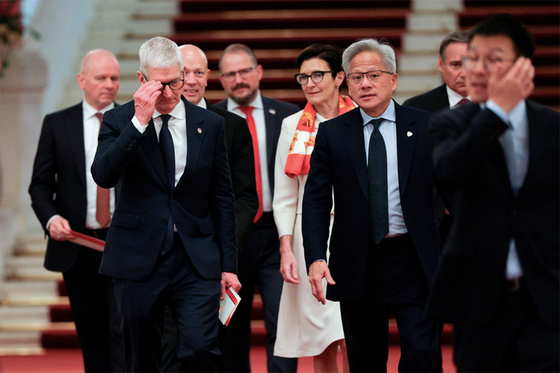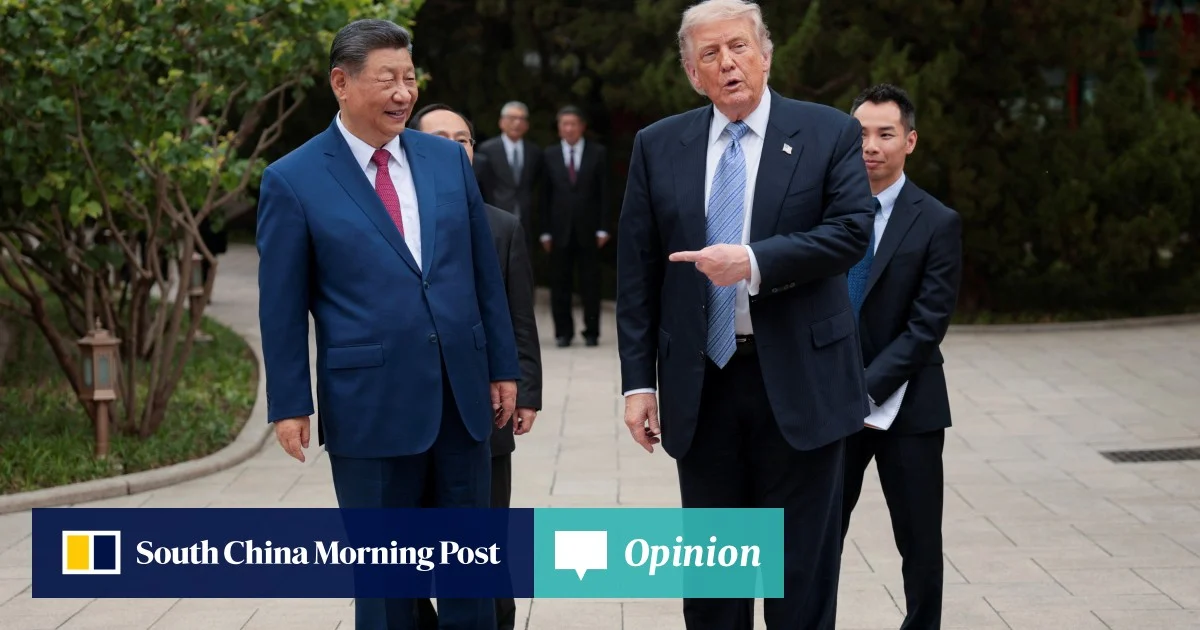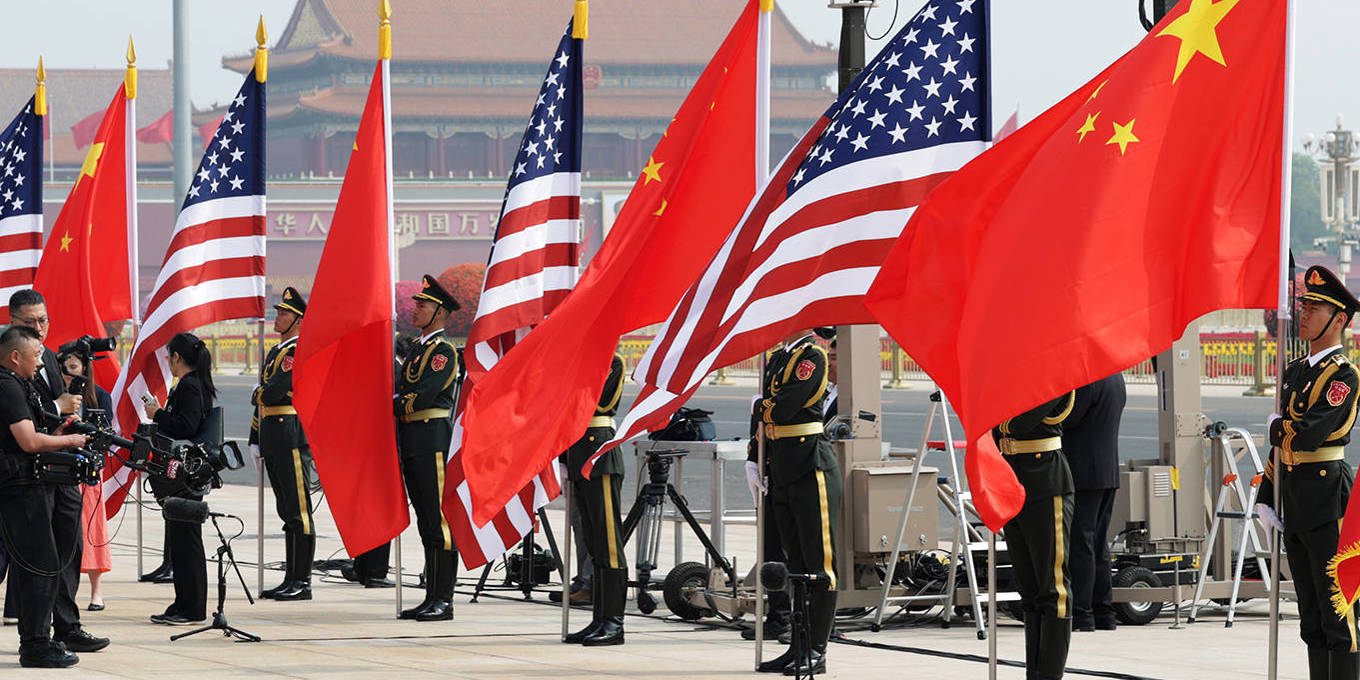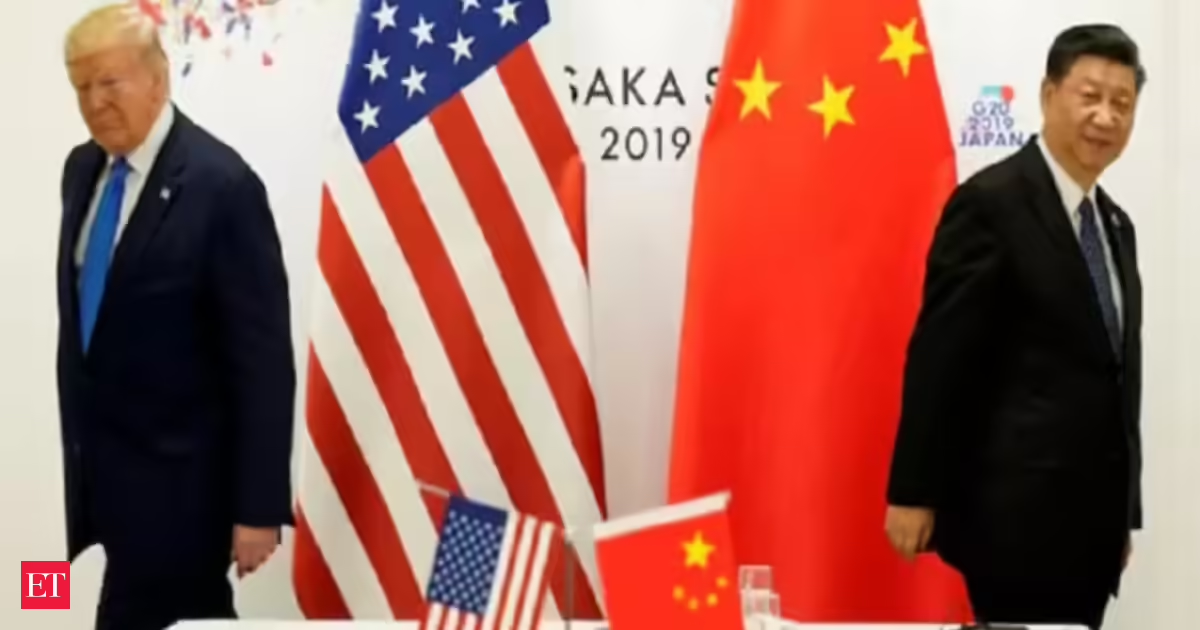
Some of the most powerful business leaders of the United States came to Beijing last week. For years, many in Washington have talked about decoupling, about pulling the two economies apart. These corporate leaders gave their answer to that idea, and their answer was to come to Beijing. They came because they can read a balance sheet. And the balance sheet tells them that the future runs through China, not around it.
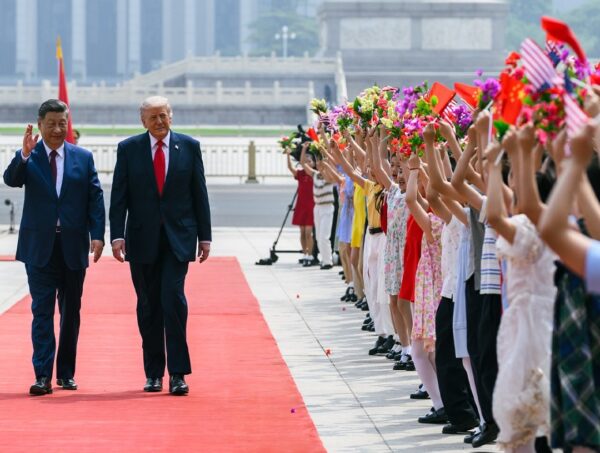
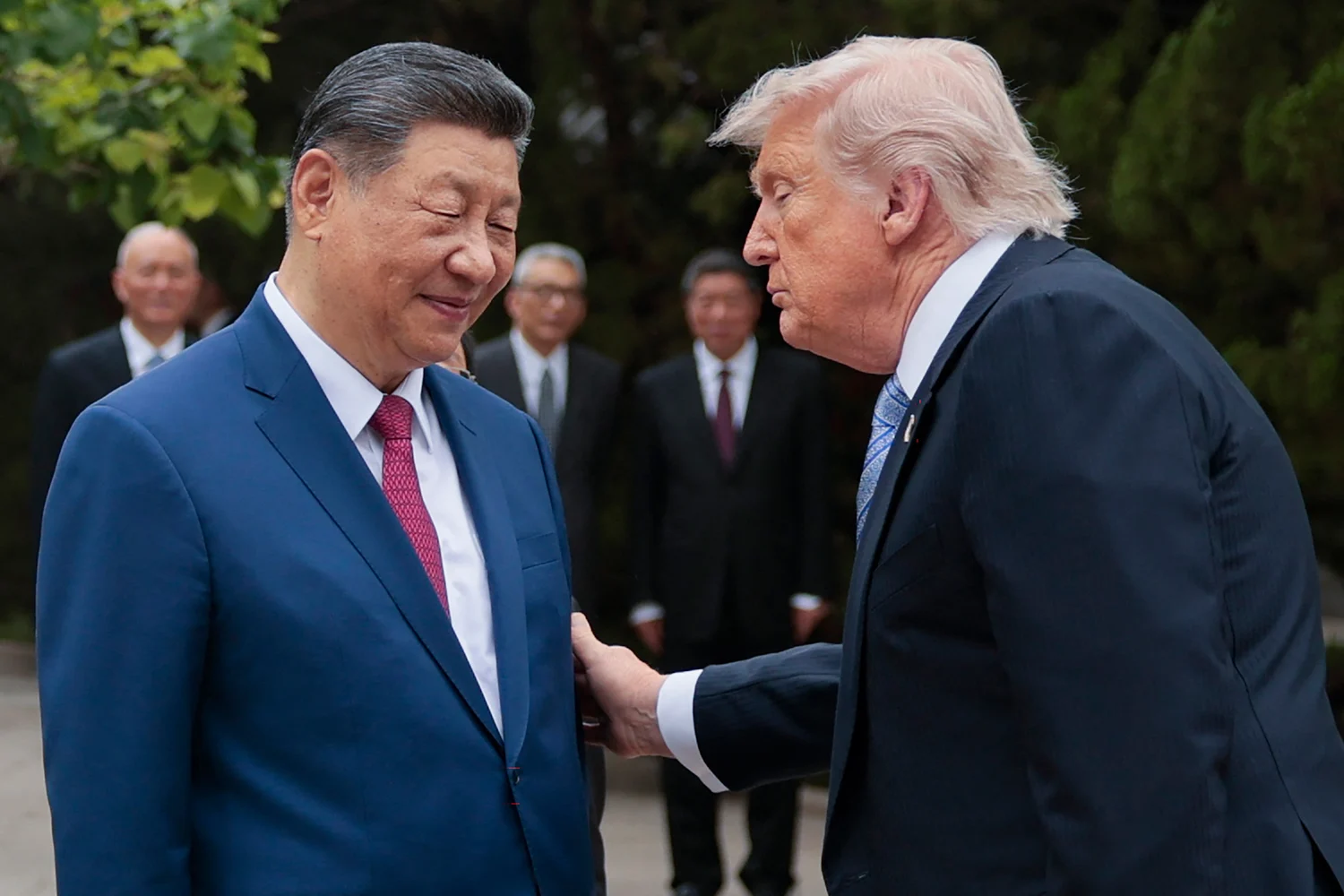
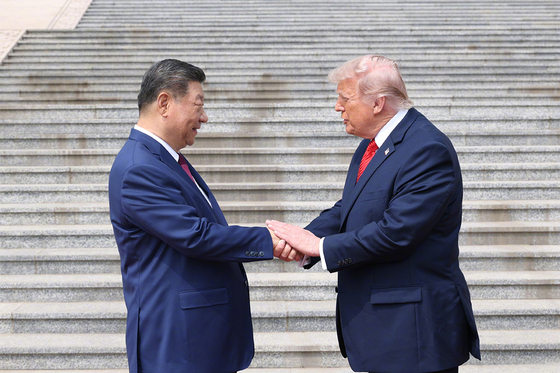
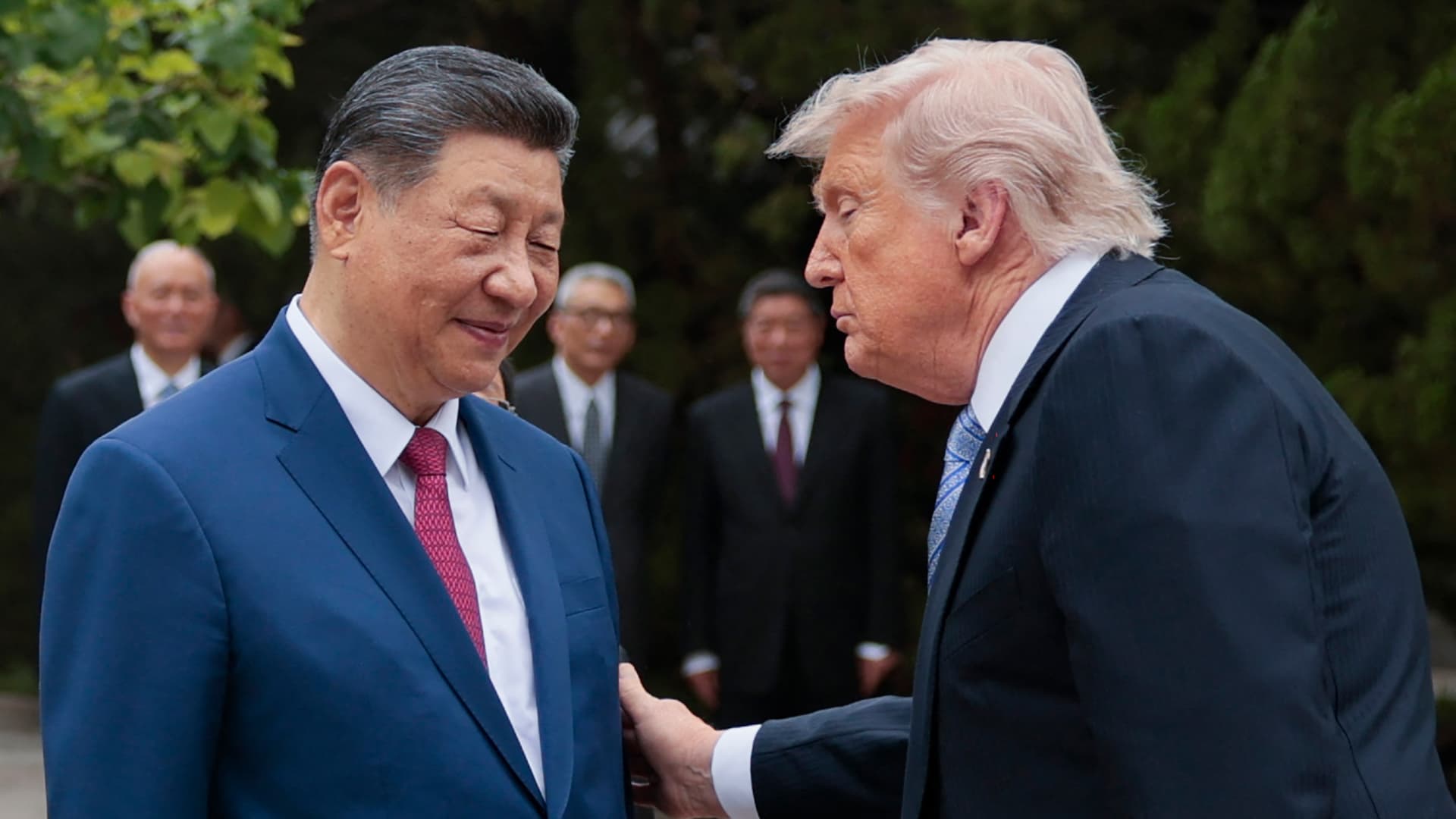
That is part of the real story of the head-of-state summit between China and the US. The gap exists between what Washington often says and what American business does. And that gap tells us something important.
All US attempts to contain China's development have failed to reach their objectives. Tariffs did not weaken Chinese industry. Export controls did not slow China down. The result has been the opposite. Denied the best US chips, Chinese engineers learned to do more with less, and the gap between the best US and Chinese systems closed from years to months. This is not a story of China winning and the US losing. The containment strategy did not work out because it was built on a false picture of what these two countries are to each other.
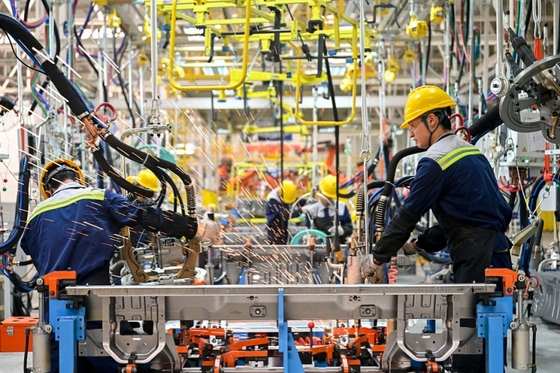
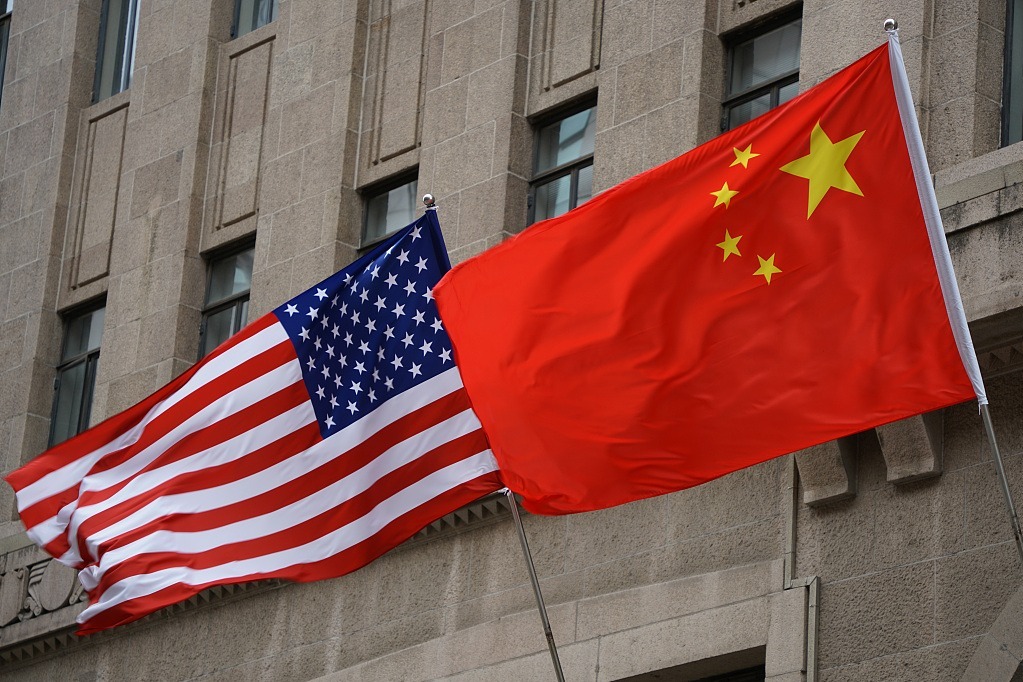
This false picture has a name. It is the zero-sum idea. It is the belief that whatever China gains, the US loses, and whatever the US gains, China loses. It often runs through Western newspapers and Western foreign policy unchallenged. It should be challenged, because it is wrong. In the early Cold War, it fit the world well enough. The US and the Soviet Union shared almost no real trade and no shared prosperity. In that world, one side's gain often was the other's loss. But that world is gone. The US and China are among each other's largest trading partners. Their factories, their universities and their capital are bound together at every level. To bring the zero-sum map into this relationship is to navigate a new century with an outdated zero-sum mindset.