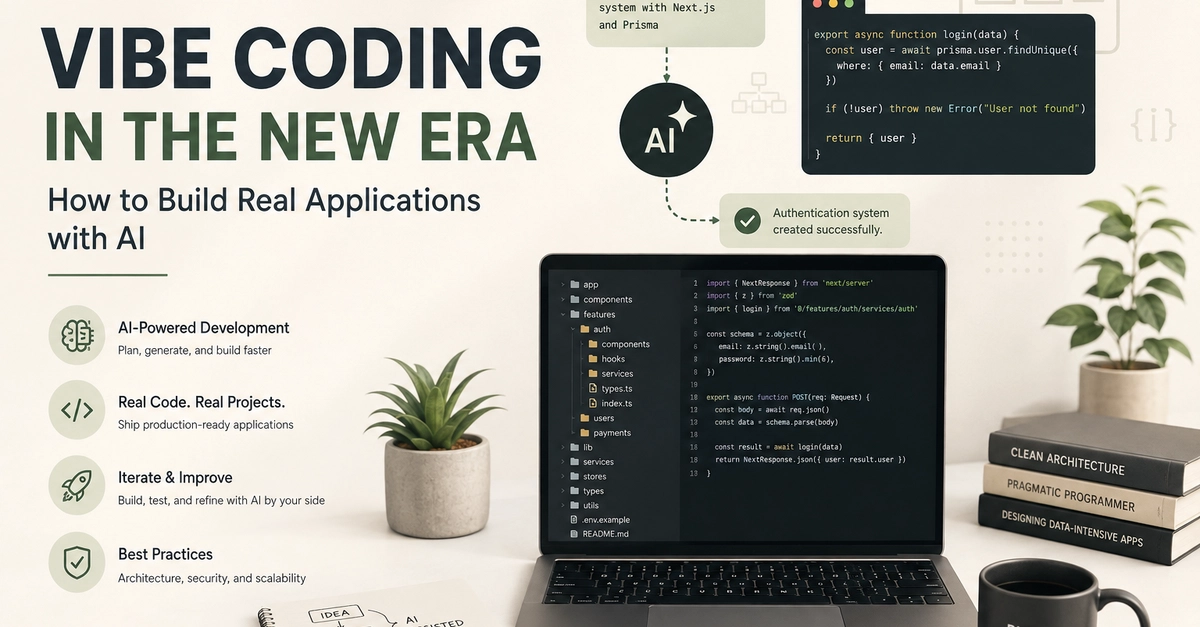
We are living in the golden era of "Vibe Coding." Thanks to advanced LLMs like Claude, GPT-4, and specialized coding assistants, developers can now translate raw human intent into fully functioning software in a matter of minutes. You feed an idea to an AI, review the visual layout, request a few adjustments, and "vibe" your way directly to a live, deployed application. It is an incredibly empowering shift that has shattered the barrier between conceptualization and production.
But there is a dangerous side effect to this newfound speed. While AI models are spectacular at writing application-level logic, rendering beautiful modern interfaces, and solving local algorithmic puzzles, they have a massive, systemic blind spot: infrastructure-level security and web deployment hardening. Because AI engines generate code based on context windows focused heavily on components and immediate functionality, they rarely think to remind you to configure server environment variables, establish strict cross-origin boundaries, or append robust security headers to your HTTP responses.
To understand exactly how this blind spot manifests—and how to fix it—we will dive deep into a real-world case study of an AI-coded application, tracking its transformation from visually pristine but structurally exposed to enterprise-grade secure.