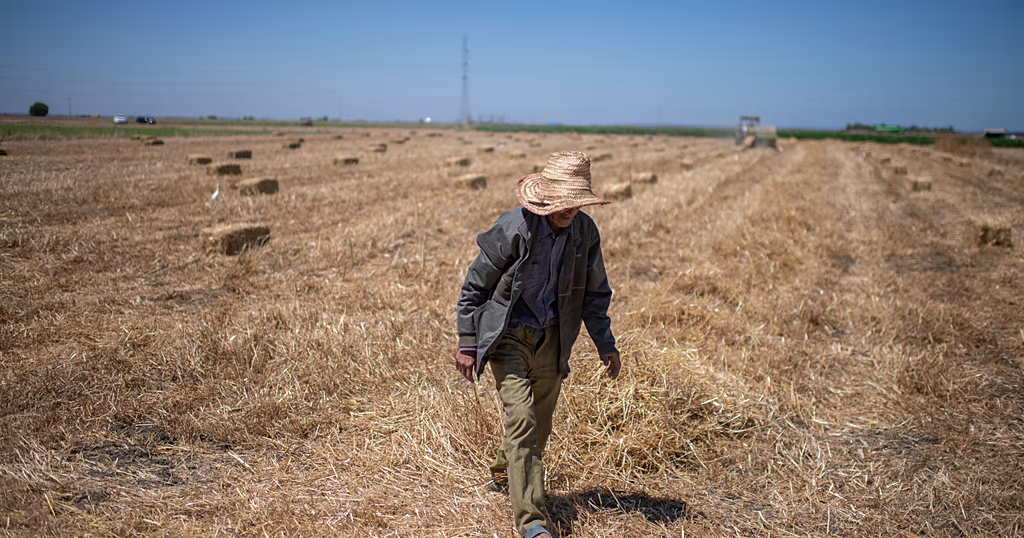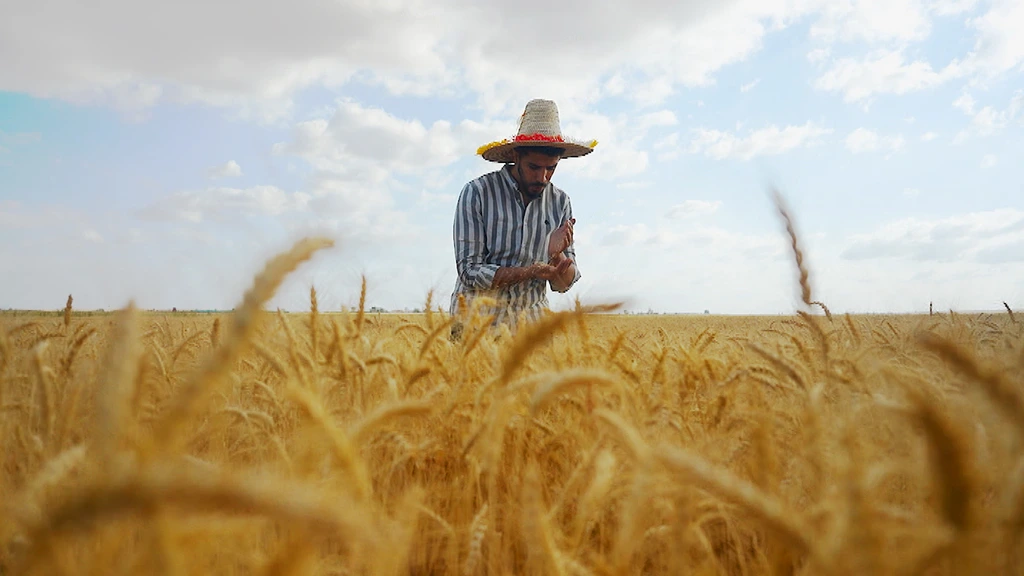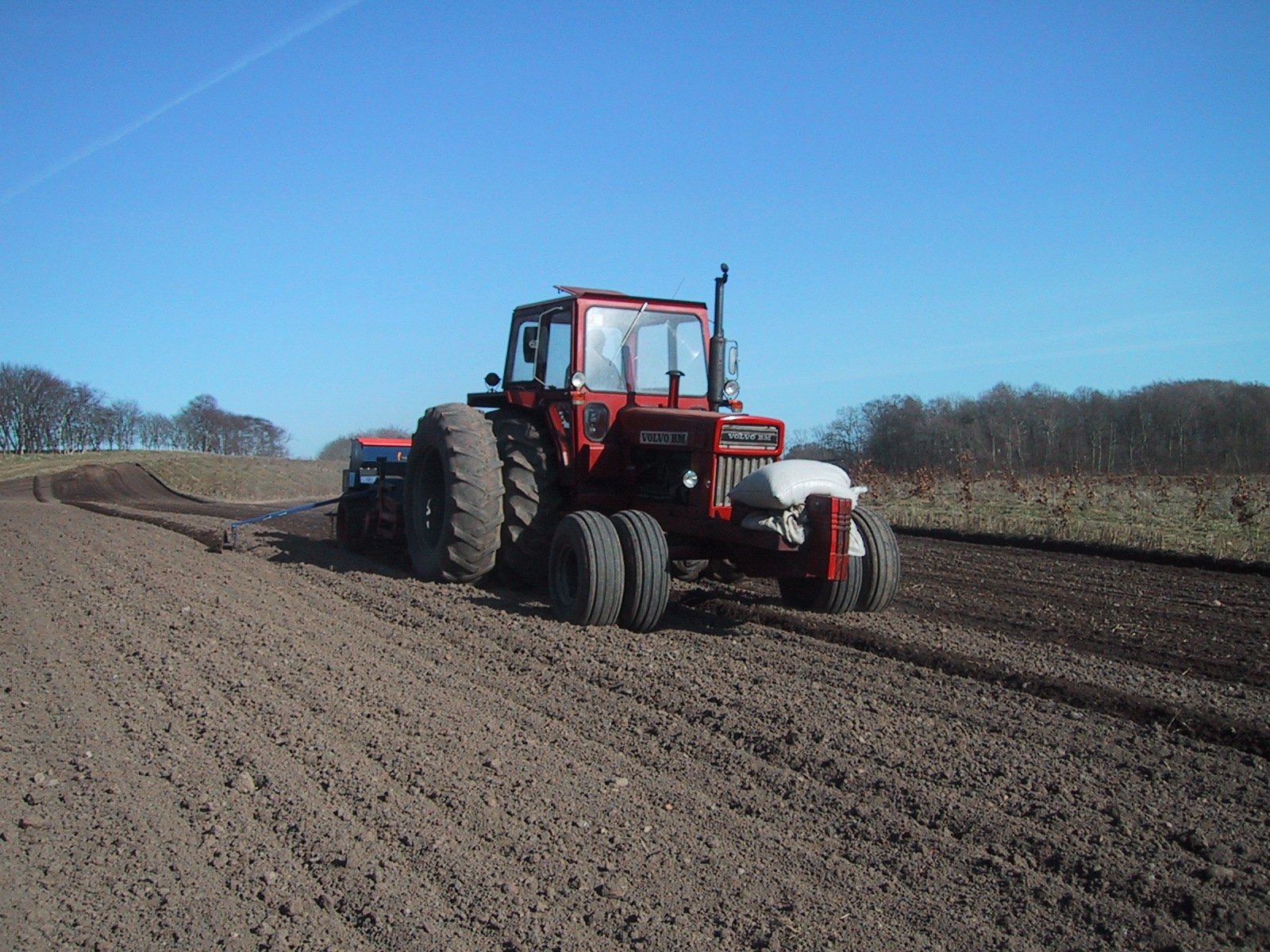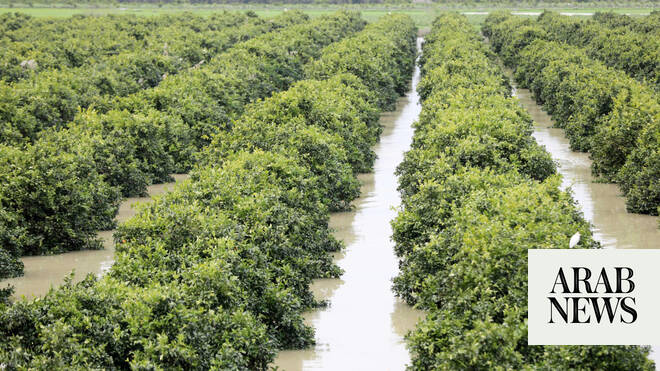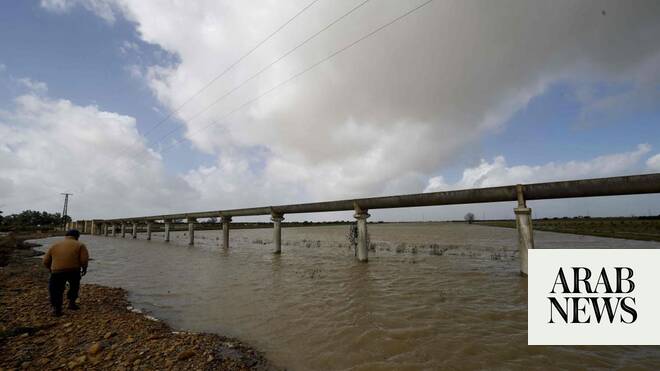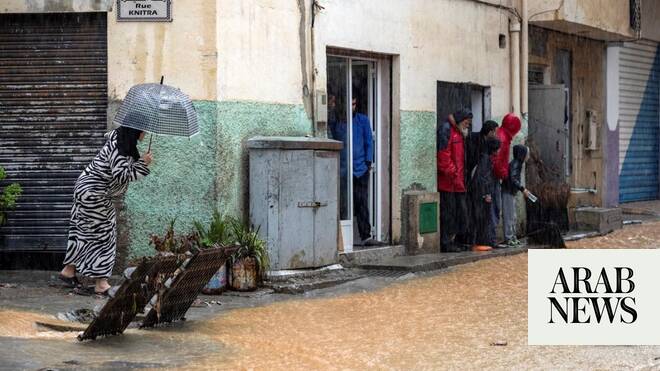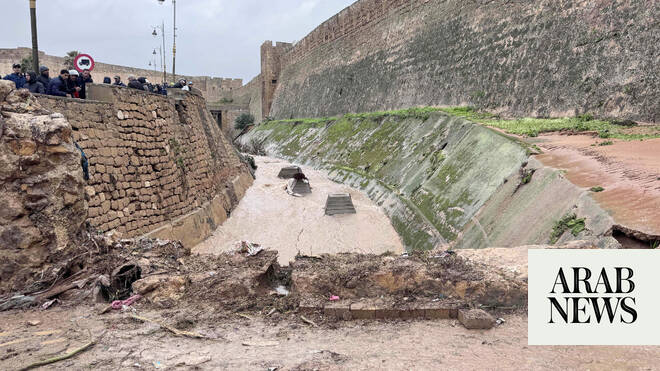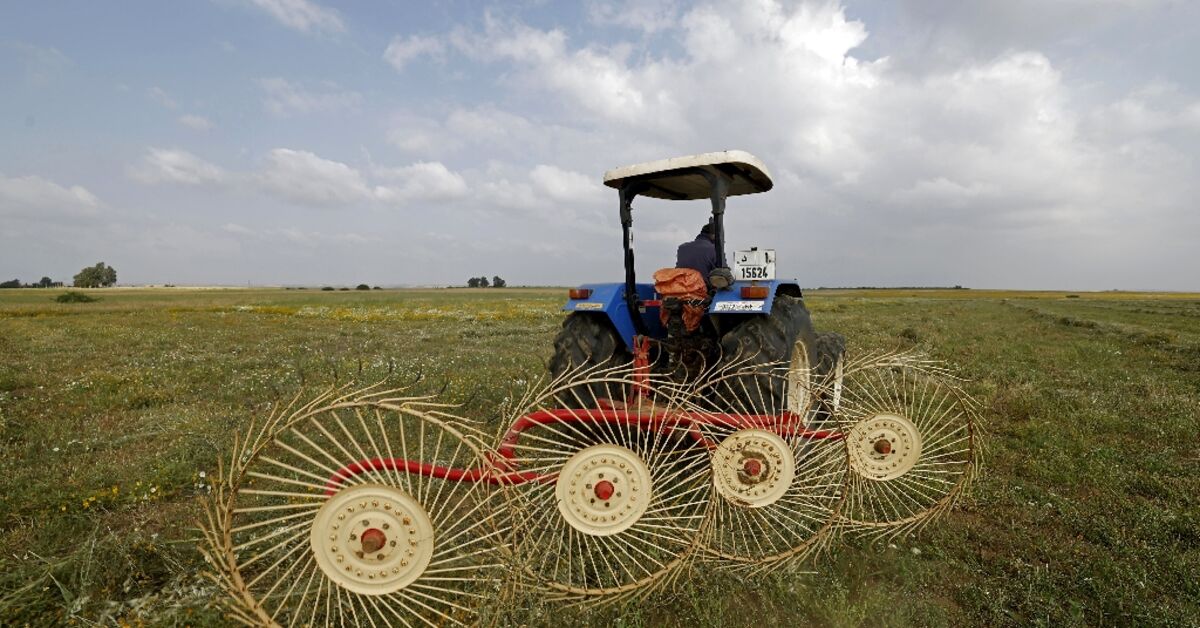
Like many Moroccan farmers, Mehdi el-Maazi was hopeful that rare heavy rains would yield an abundant harvest this year -- but those hopes were quickly shattered as the Middle East war sent fuel and fertiliser costs soaring.Morocco, where agriculture employs about a quarter of the working population and where drought had persisted for seven consecutive years, recorded massive rainfalls last February and December.Across the rural region of Marchouch, about 70 kilometres (43 miles) south of Rabat, landscapes that had long been parched have turned green again, and farmers have taken back to working their fields.Following the rains this winter, the country expected a strong cereal harvest, with output estimated to reach nearly nine million tonnes -- more than double last year's. Overall agricultural output was also set to rise by about 15 percent from last season.But the war in the Middle East, which began in late February, has disrupted maritime traffic through the Strait of Hormuz, not only sending global energy markets into a tailspin but also choking fertiliser supplies.Prior to the war, Maazi would normally spend around 1,200 dirhams ($130) per hectare on diesel to run his tractor. Now, he said, the cost has climbed to 1,800 dirhams.
Morocco farmers saw hope in rain, but Mideast war inflates production costs
Like many Moroccan farmers, Mehdi el-Maazi was hopeful that rare heavy rains would yield an abundant harvest this year -- but those hopes were quickly shattered as the Middle East war sent fuel and fertiliser costs soaring.Morocco, where agriculture employs about a quarter of the working population and where drought had persisted for seven consecutive years, recorded massive rainfalls last February and December.
505 words~2 min read