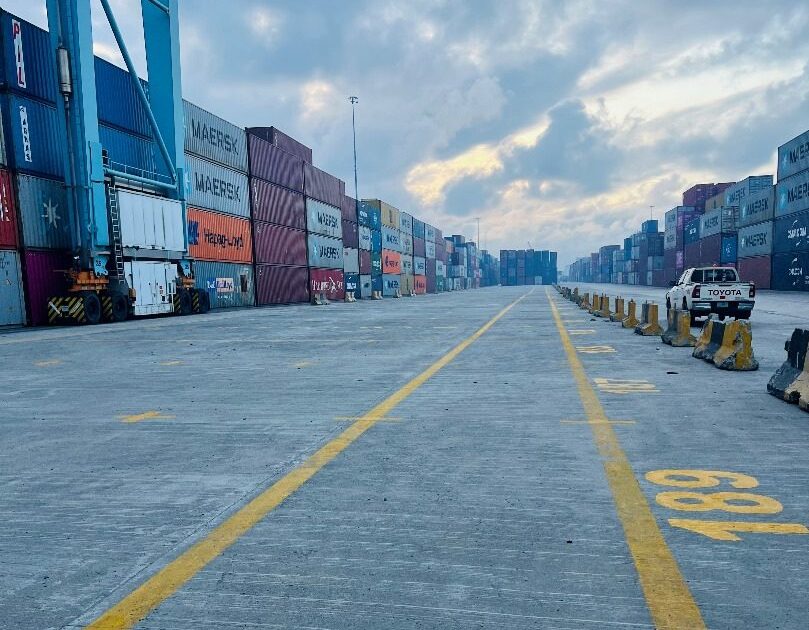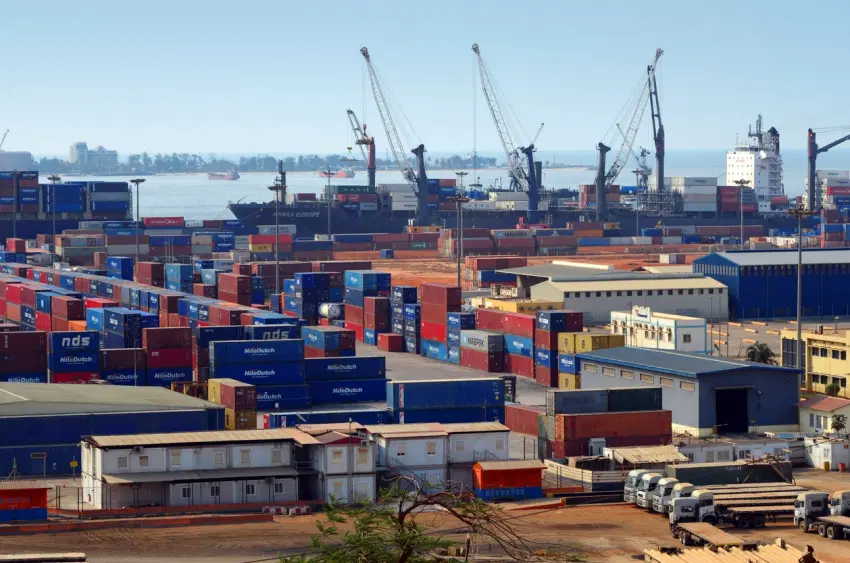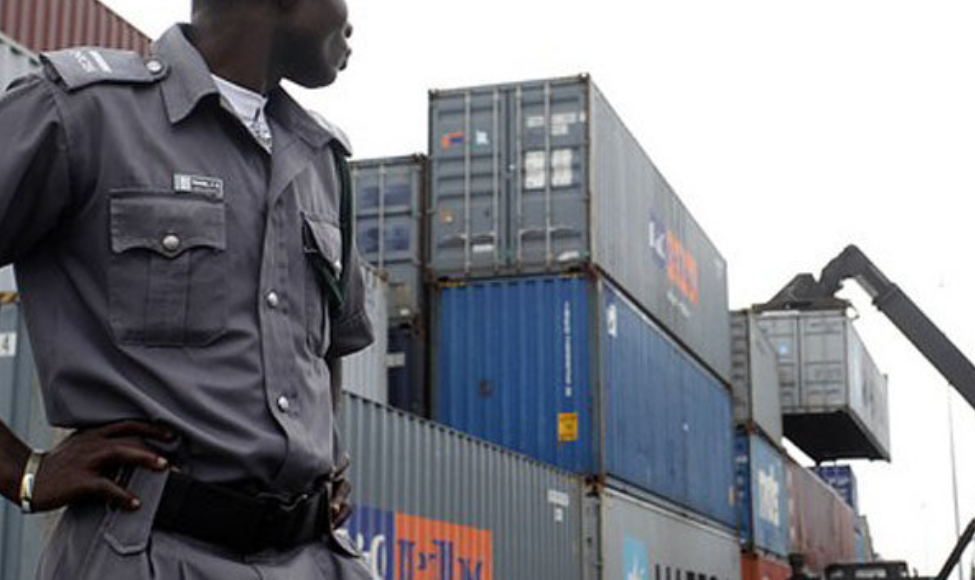
The conversation about Nigeria’s trade competitiveness usually begins in the wrong place. It starts with tariffs, trade agreements, and policy frameworks. It moves to currency volatility, foreign exchange access, and the cost of doing business. These are real problems, and they deserve serious attention. But there is something more fundamental that rarely gets the same urgency, something that happens before a deal is signed, before a shipment is invoiced, before a container ever reaches its destination. It happens at the port gate. And in Nigeria, that is where trade goes to wait.
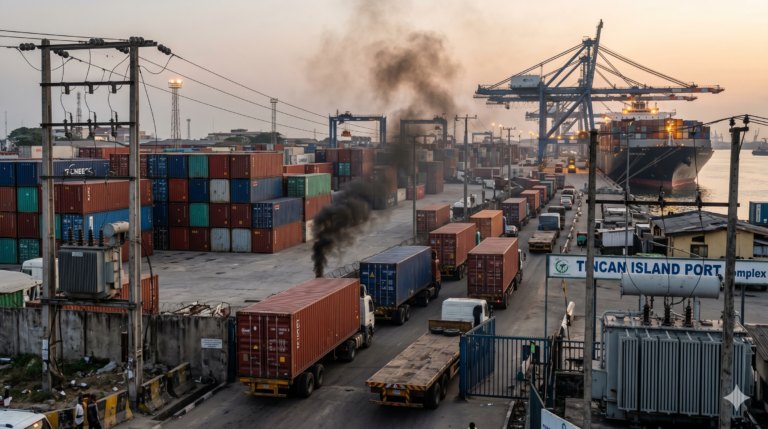
Apapa Port in Lagos, the country’s busiest, takes an average of 30 days to clear a container ship. In Durban, South Africa, the same process takes four days. In Singapore, less than 24 hours. The gap between those numbers is not just a logistics statistic.
It is the distance between where Nigeria is and where it needs to be if it is serious about trade-led growth. And until that gap closes, every trade agreement Nigeria signs, every AfCFTA ambition it announces, and every digital trade strategy it publishes
Nigeria handles only about 25 per cent of cargo traffic in West Africa, despite being the region’s largest economy by a significant margin. That figure, acknowledged by the Nigerian Ports Authority’s own managing director as “worrisome”, reflects a country whose physical trade infrastructure has not kept pace with its economic ambitions.