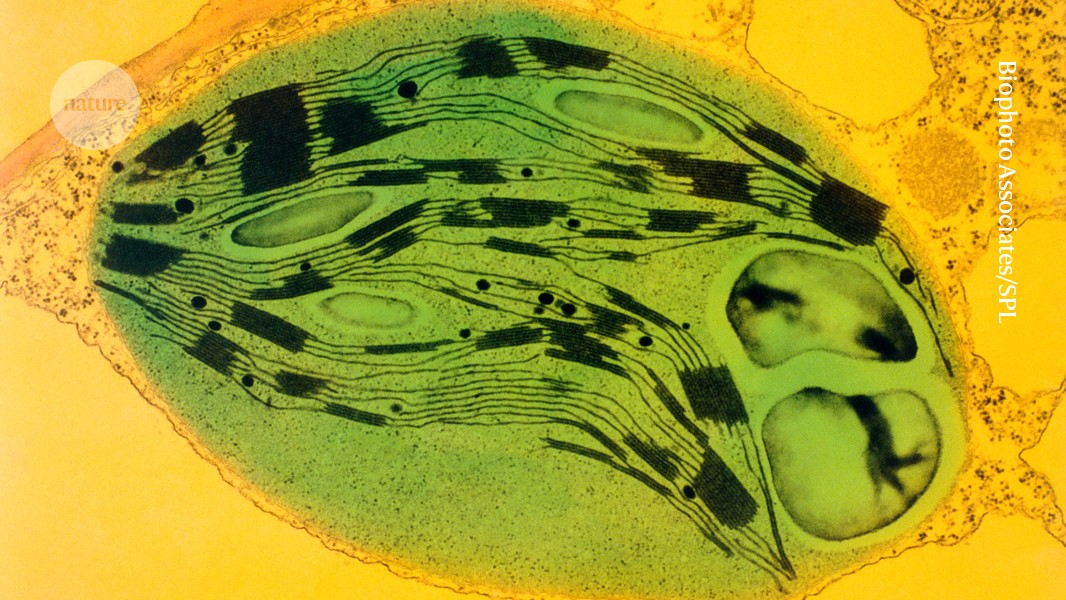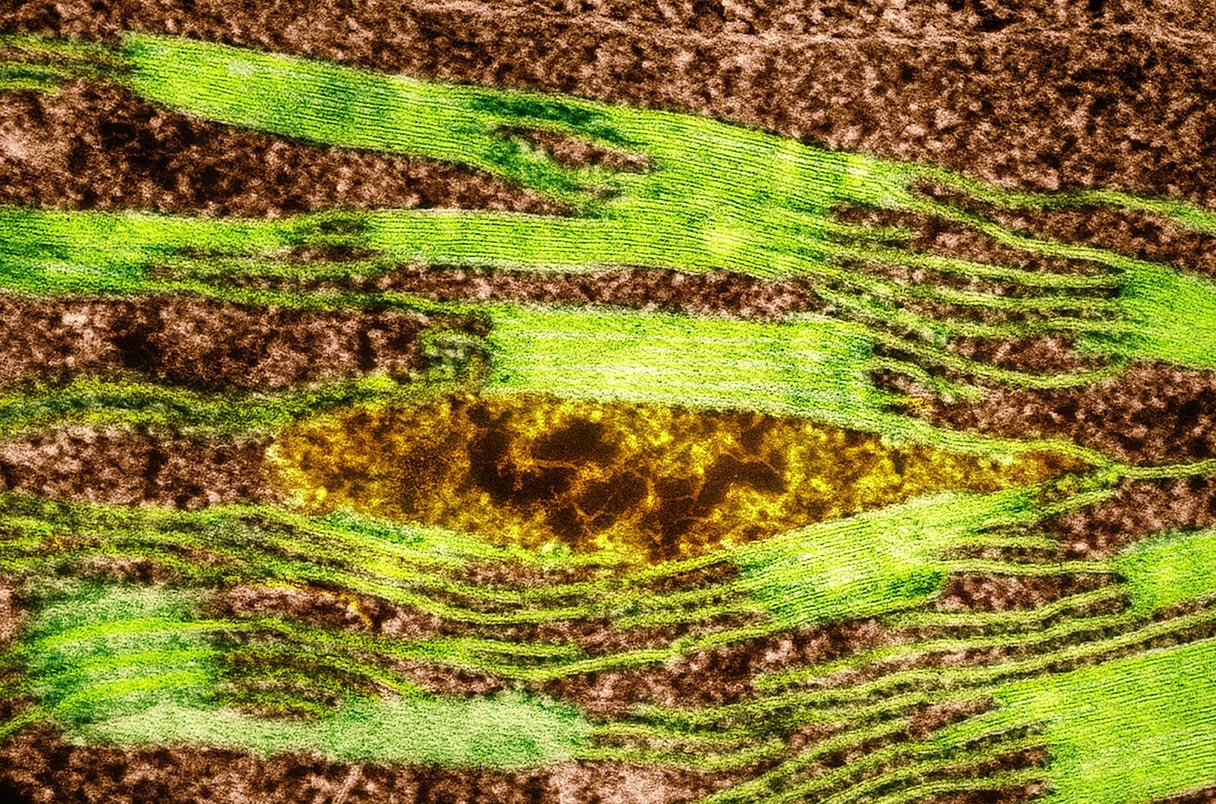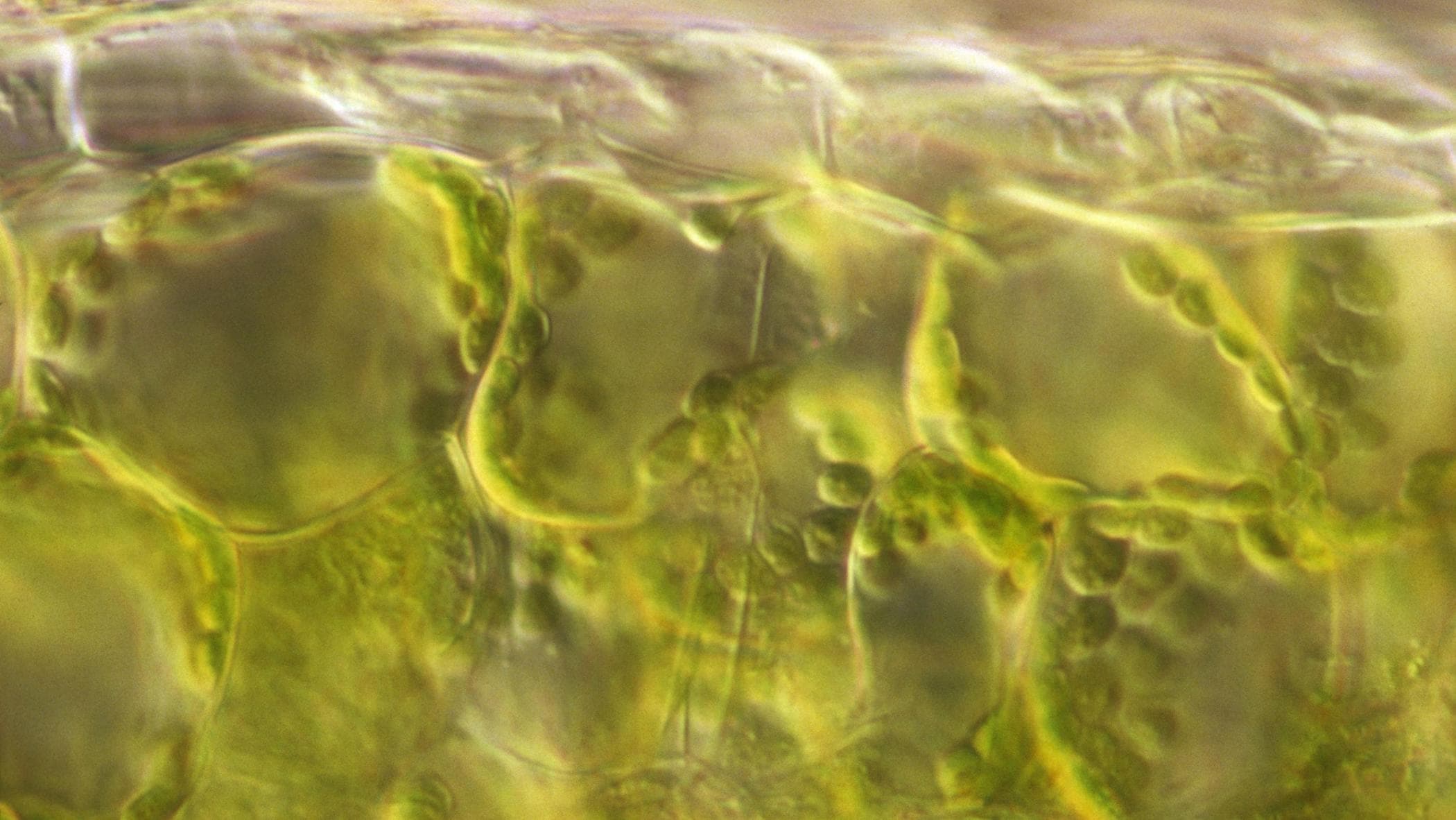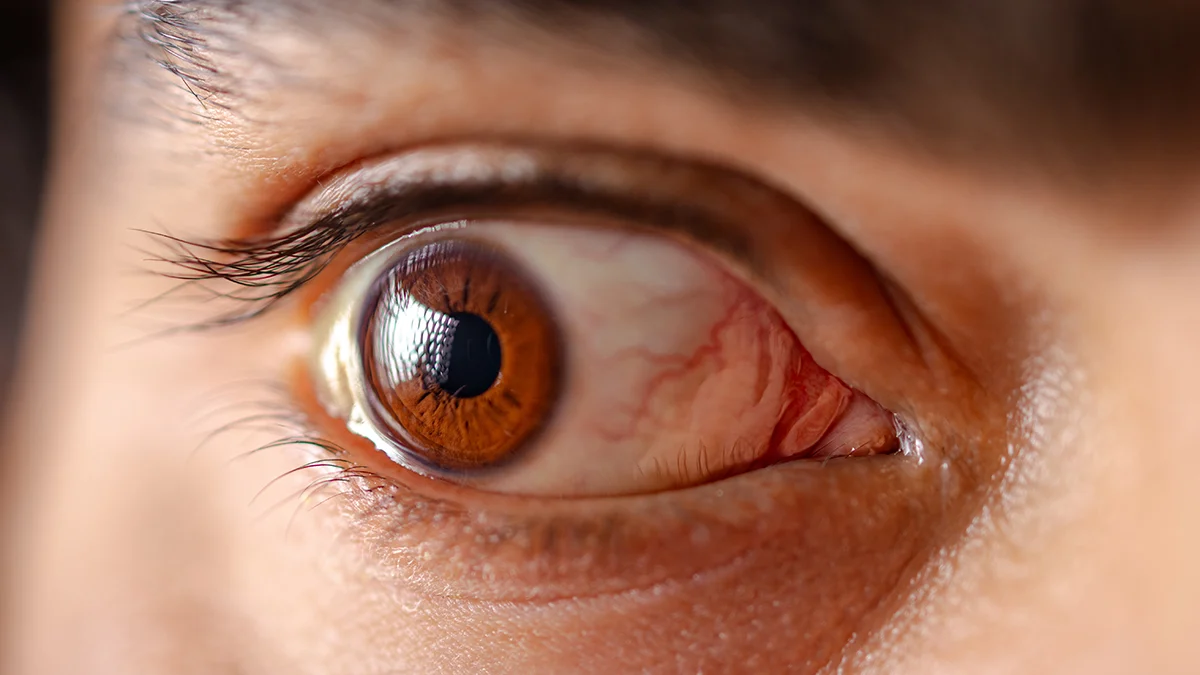
Plants rely on sunlight and photosynthesis to live, and now scientists have adapted the same process for the human eye – potentially unlocking new treatment options for dry eye syndrome, a discomforting condition affecting more than a billion people.Led by a team from the National University of Singapore (NUS), the researchers borrowed photosynthetic membrane stacks from spinach leaves, applied via eye drops to lab-grown human eye cells, and to the eye cells of mice engineered to have a condition similar to dry eye disease.And the transplant worked: When exposed to ambient light, the nanoparticles added to mammalian eye cells began producing NADPH, a chemical 'battery' that cells use to protect against harmful damage.NADPH is crucial in countering reactive oxygen species (ROS) that drive inflammation and cellular stress in dry eye disease.It's still early days in development, but there's a real possibility that the soreness and stinging associated with dry eyes could be mitigated by a light-powered treatment."This is an exciting finding as we have, for the first time, demonstrated that plant photosynthetic machinery can be transplanted into mammalian tissue to generate biologically useful molecules, powered entirely by the same light that enables our vision," says biomolecular engineer Xing Kuoran, from NUS."We, too, can have limited photosynthetic abilities."The researchers are calling their new technology LEAF: light-reaction enriched thylakoid NADPH-foundry.Thylakoids are the crucial NADPH-generating components of chloroplasts, the structures that carry out photosynthesis in plant cells.Spinach was chosen because of its high chloroplast yield and the relatively easy extraction of its biomachinery – methods previously outlined in other studies – and, as an added bonus, the plant is inexpensive and widely available.The researchers demonstrated that within 30 minutes of light exposure, NADPH generated by light reduced ROS activity and returned immune cells in the cornea to a protective, anti-inflammatory state.The researchers transferred the photosynthesis machinery from plants to mammalian eye cells. (Xing et al., Cell, 2026)What's more, the process was also shown to be effective in tear samples taken from patients with dry eye disease. This tear fluid can also become damaging in people with the condition. LEAF treatment reduced levels of harmful oxidants, by 95 percent in the case of hydrogen peroxide.The restorative powers apply both inside and outside eye cells."With LEAF, we now have a technology that harnesses ambient light to directly restore the molecule that dry eye disease depletes," says biomolecular engineer David Leong Tai Wei, from NUS."As it is derived from spinach, delivered as a simple eye drop, requires no external device or power source and using the ambient light that is used for vision, we believe it has a strong potential for clinical translation."In mice treated twice daily for 5 days, the LEAF treatment outperformed Restasis, which is commonly prescribed for dry eye disease.Restasis is relatively expensive and often causes side effects, such as increased eye irritation, so there are several reasons an alternative would be welcome.Of course, we need to see if this works in living humans as well. Preparations for clinical trials are already underway.The researchers also want to test how the treatment might work over longer periods: Right now, the LEAF particles degrade in the eye cells they're dropped into, and lose effectiveness after a few hours.There are also opportunities for LEAF to work outside of dry eye disease. The researchers suggest that the same approach could be used for other inflammatory conditions – anywhere where defense against ROS is required, and the tissue involved can be exposed to visible light.Related: This Bizarre Parasitic 'Mushroom' Plant Quit Photosynthesis – And It's Thriving"It is almost surreal when thinking of a possible future reality where human cells can have some limited but beneficial form of photosynthetic ability not only in the eye but elsewhere, too," says Leong.The research has been published in Cell.
Spinach-Based Eye Drops Could Help Treat a Common Eye Condition
Plants rely on sunlight and photosynthesis to live, and now scientists have adapted the same process for the human eye – potentially unlocking new treatment options for dry eye syndrome, a discomforting condition affecting more than a billion people.
627 words~3 min read