A House hearing on how to improve the Medicare Physician Fee Schedule and encourage more use of advanced alternative payment models (AAPMs) included lots of agreement on problems, but not as much discussion of solutions.
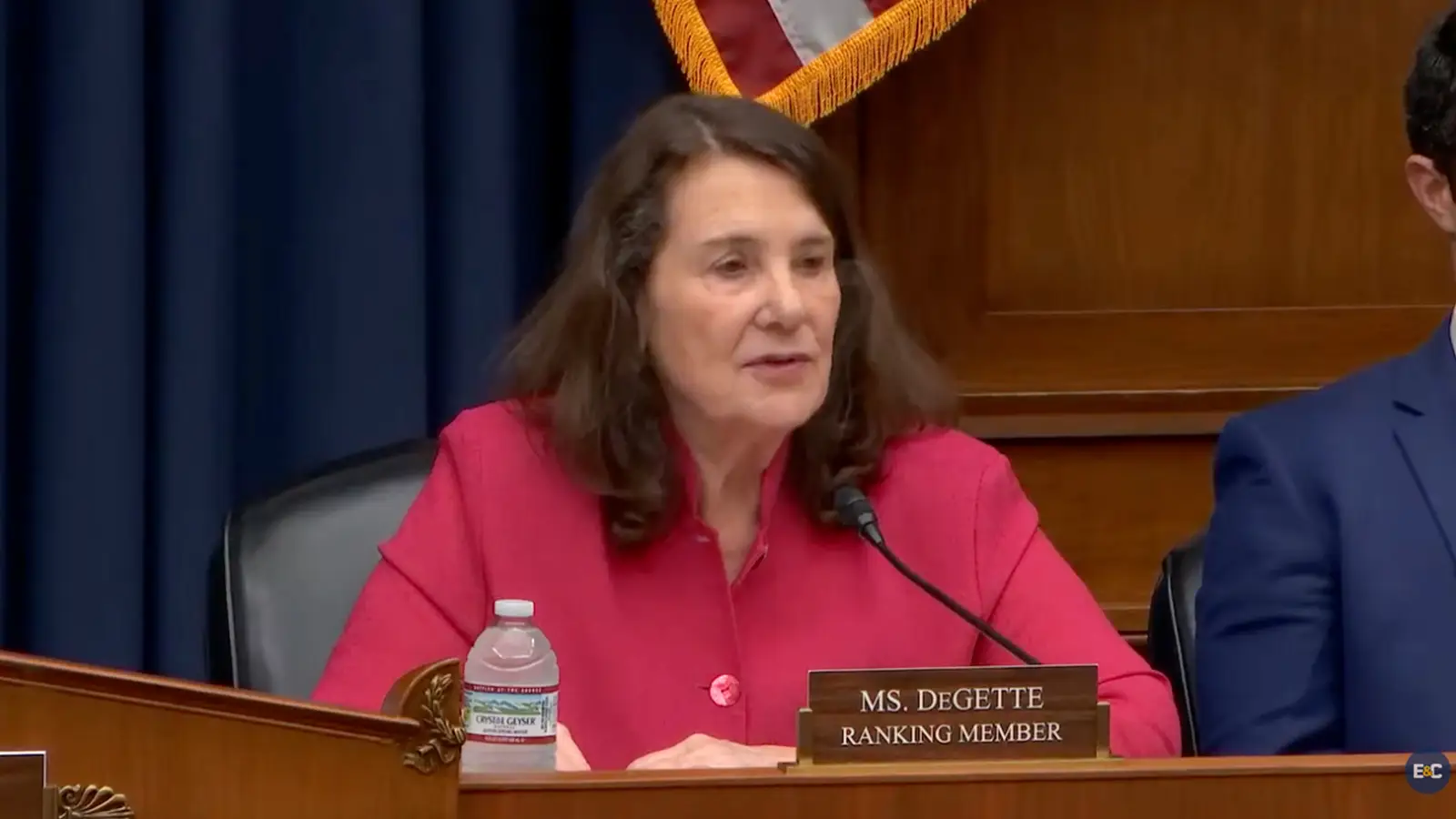
"Medicare payments to physicians impact not just the 70 million Medicare beneficiaries, but essentially all patients, given that more than 95% of clinicians are paid through the program," Rep. Diana DeGette (D-Colo.), ranking member of the House Energy and Commerce Health Subcommittee, said at a hearing Wednesday. However, she added "these payments aren't keeping up with inflation, which means that America's physicians are paid less and less every year. In fact, Medicare physician payment has declined 33% in real terms since 2011."
Even the Medicare Payment Advisory Commission, "not exactly known for recommending reckless spending of tax dollars, has called for an inflationary update to Medicare physician payments," said DeGette. "An increase based on the Medicare Economic Index [MEI, a measure of healthcare inflation], among other reforms, would not only ensure payment keeps up with the rising input costs, but also simplify the healthcare payment system."
The inflationary update was something almost all the players agreed on. "End Physician Fee Schedule budget neutrality and create stable and predictable annual physician reimbursement updates linked to the MEI," said William Fox, MD, an internist and former board chair of the American College of Physicians.