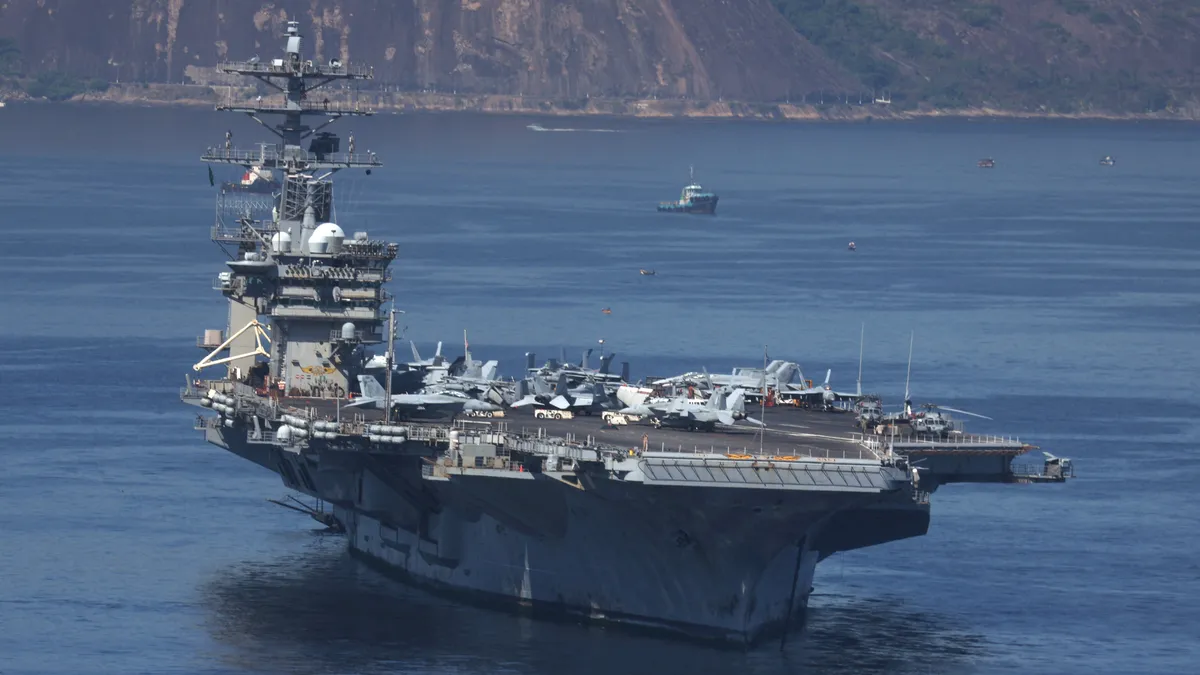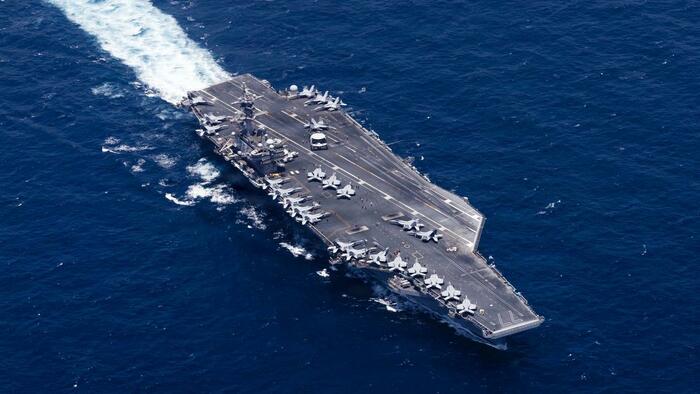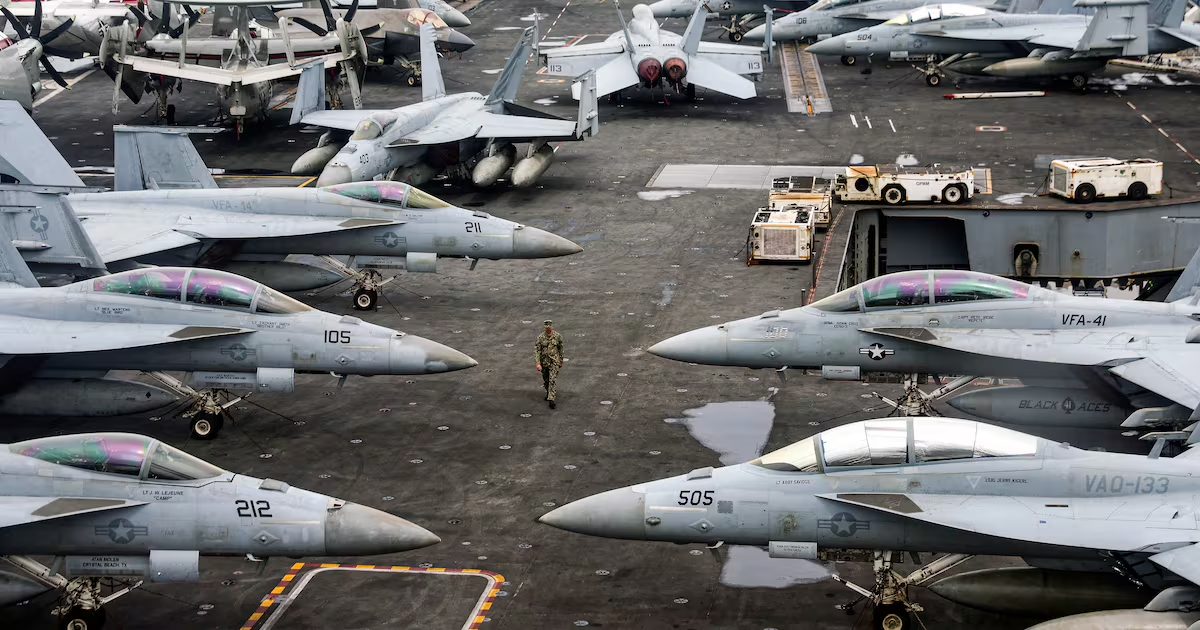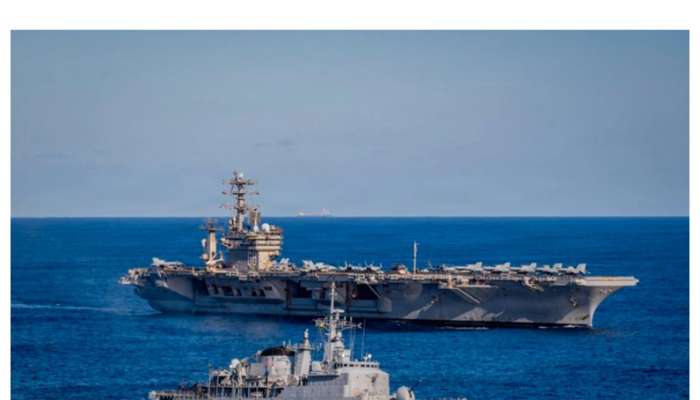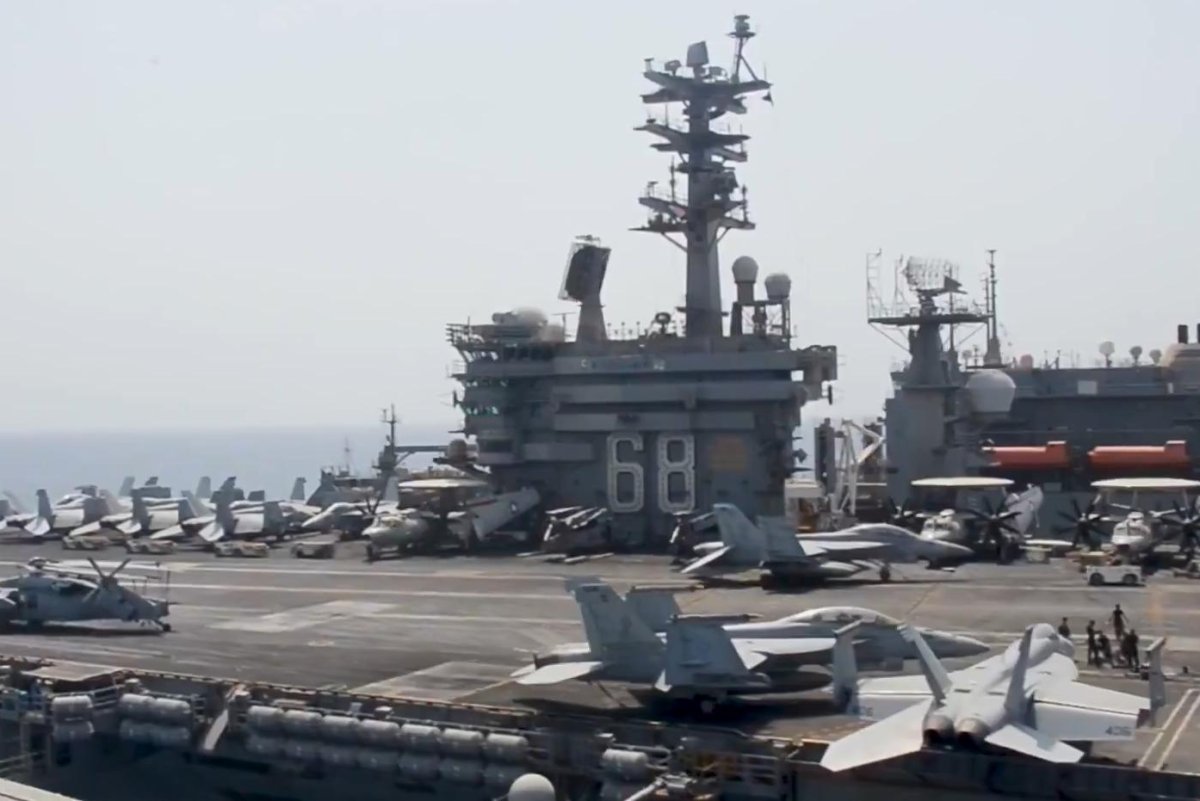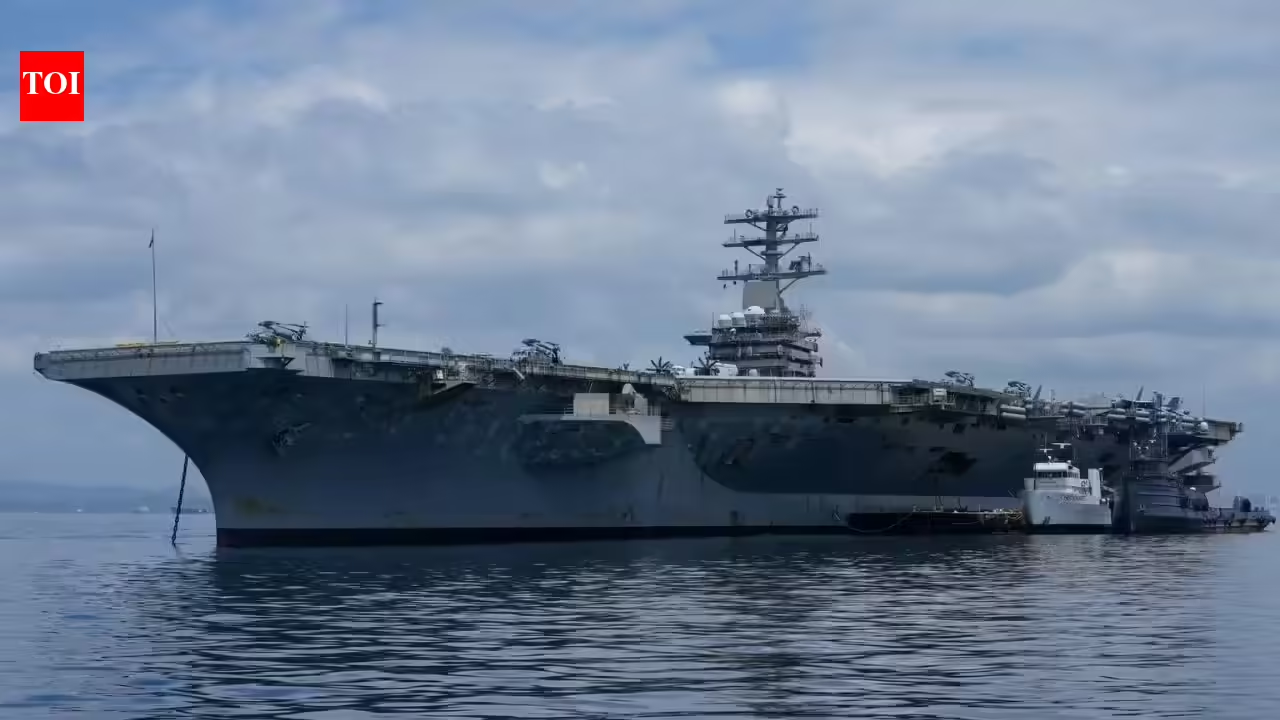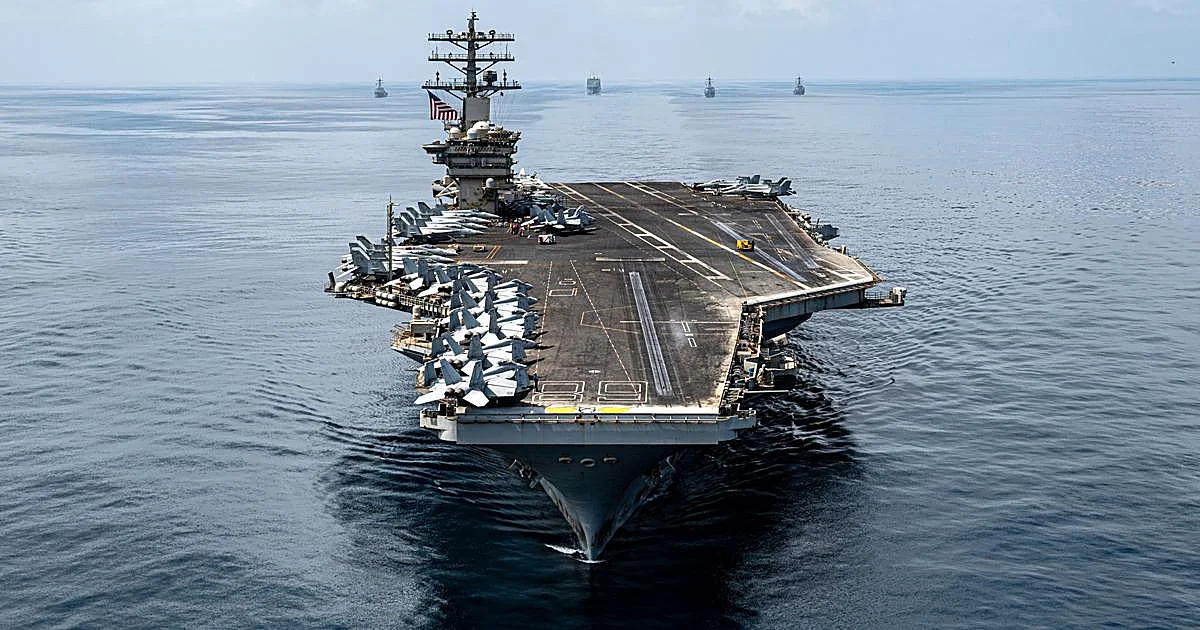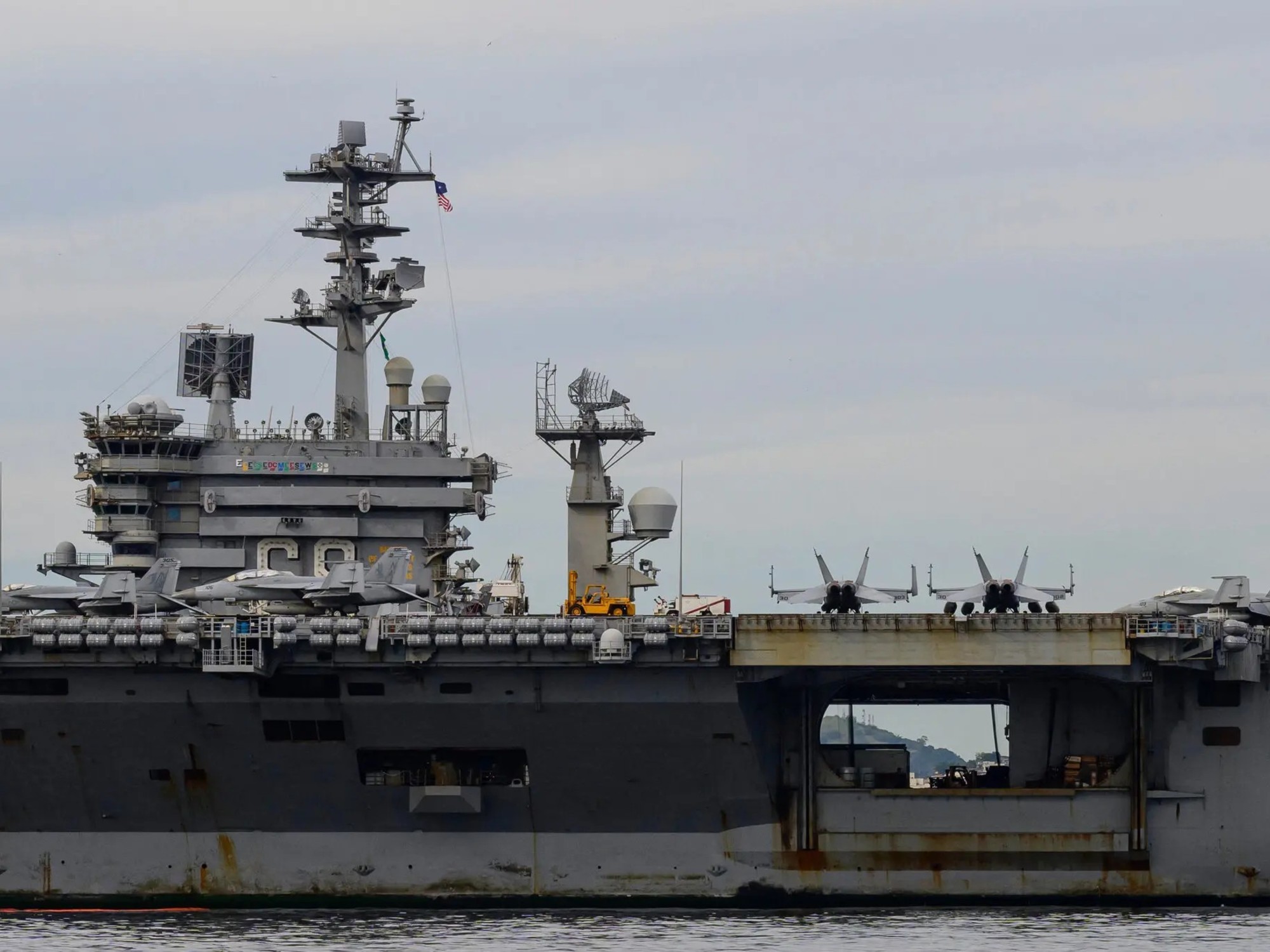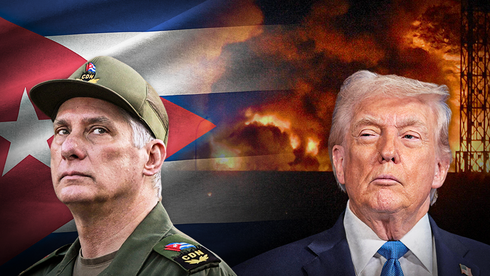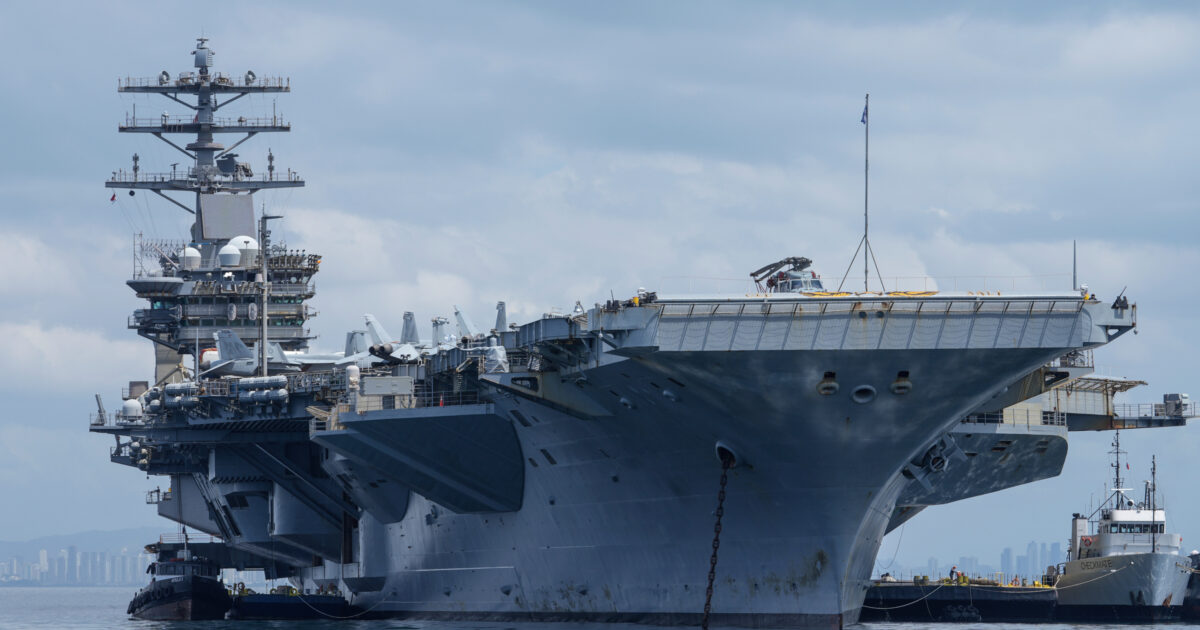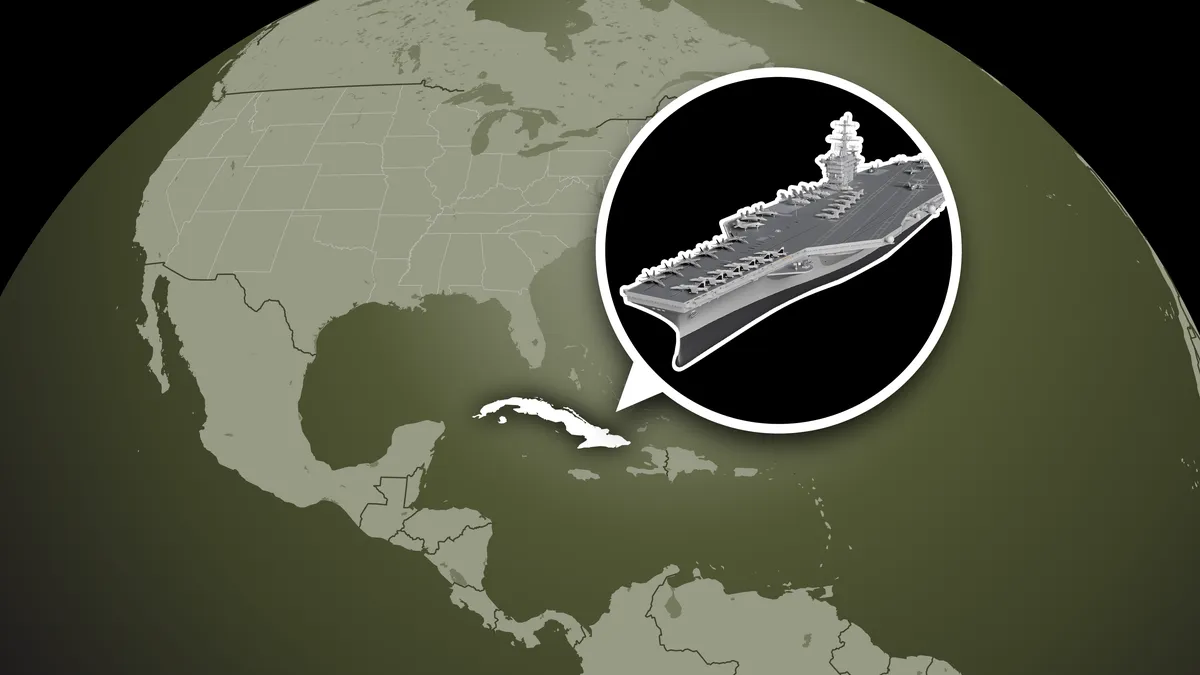
The Navy aircraft carrier USS Nimitz is joining other U.S. warships in the Caribbean Sea, a buildup of military strength that follows the rising tension between the United States and Cuba.The Nimitz and its escort ships entered the Caribbean on May 20, the same day the U.S. Justice Department announced the indictment of Cuba's former president Raúl Castro, 94, on murder charges.Castro and five other Cuban officials were indicted for the deaths of four American civilians in a 1996 military operation in which Cuban jets shot down two unarmed planes on a humanitarian mission.The naval buildup is similar to the one that took place near Venezuela in late 2025. That ended when U.S. special forces seized Venezuelan president Nicolás Maduro and his wife, Cilia Flores, on Jan. 3.The Nimitz and its ships are joining four other U.S. warships in the region, including the USS Iwo Jima, an amphibious assault ship that was used to transport Maduro to New York. What US Navy ships are in the Caribbean?The ships in the region include:USS Nimitz (CVN 68): Nimitz-class nuclear-powered aircraft carrier.USS Gridley (DDG 101): Arleigh Burke-class guided missile destroyer.USS Iwo Jima (LHD 7): Wasp-class amphibious assault ship.USS Fort Lauderdale (LPD 28): San Antonio-class amphibious transport dock ship.USS Lake Erie (CG 70): Ticonderoga-class guided missile cruiser.USS Billings (LCS 15): Freedom-class littoral combat ship.USNS Patuxent (T-AO 201): Henry J. Kaiser-class replenishment oiler.Can't see our graphics? Click here to reload the page.Could the US strike Cuba?President Donald Trump said he doesn't anticipate further U.S.-Cuba "escalation." But the relationship between what Trump says and does − by his own admission − is not always clear.For months, his administration has pressured Cuba with sanctions and an oil blockade, aiming to secure a deal that would improve economic conditions and free political prisoners. Last week, CIA Director John Ratcliffe met Cuban leaders amid fuel shortages and fears of possible U.S. military action.On May 21, Trump said deploying an aircraft carrier to the Caribbean is not meant as intimidation and framed U.S. intentions as humanitarian: “We’re going to help them along.”Air surveillance flights preceded NimitzU.S. air and naval forces have conducted at least 26 flights within 80 miles of Cuba from Feb. 4 to May 12, according to a USA TODAY analysis of Flightradar24 data. Most flights come within 40 miles of the country on flight paths that are consistent with surveillance missions.Flightradar24 confirmed at least one additional surveillance flight over the night of May 20-21.The surveillance flight was conducted by an MQ-4C Triton, a high-altitude uncrewed U.S. Navy reconnaissance drone capable of operating above 50,000 feet for 24 hours.Locations tracked by Flightradar24 show a different pattern in 2025 when compared with 2026 during the same time frame. This year’s flights encircle the country and include loitering patterns, while those in 2025 appear to just pass by, Ian Petchenik of Flightradar24 told USA TODAY.How did Raúl Castro become Cuba's leader?Raúl Castro is the younger brother of Fidel Castro. After taking power in 1959, Fidel installed Raúl among the country’s top military brass, due to his successful leadership during the revolutionary activities that led to Batista’s downfall.Raúl ascended to the highest rank of army general, and held the post for nearly five decades.In 2006, Fidel underwent emergency intestinal surgery and named Raúl acting president of two of Cuba’s three ruling bodies, the Council of State and the Council of Ministers, in his stead. A year later, Raúl also became acting head of the Communist Party of Cuba, the third ruling body.By 2008, Fidel decided his declining health would prevent him from serving another term. He announced that Raúl would officially lead the country beginning in 2011.In 2018, Raúl stepped down as president but retained significant power within Cuba's Communist Party, armed forces and state institutions, according to Reuters. Miguel Diaz-Canel was appointed president but was and still is widely thought to answer to Castro. Why was Raúl Castro indicted?Cuban jets shot down two civilian planes operated by the exile group Brothers to the Rescue on Feb. 24, 1996. The unarmed planes were patrolling the Florida Straits looking for endangered Cuban rafters trying to reach U.S. shores when they were shot down by Cuban Air Force MiG fighter jets.Fidel Castro claimed the planes violated Cuban airspace.The U.S. Congress would later conclude that Brothers to the Rescue “were flying unarmed and defenseless planes in a mission identical to hundreds they have flown since 1991 and posed no threat whatsoever to the Cuban Government, the Cuban military, or the Cuban people.”The incident remains one of the most politically charged episodes in modern U.S.-Cuba relations. Some U.S. officials are still pressing for criminal accountability three decades later.The potential for indictments of Cuban officials gained new momentum this year after Trump ordered the seizure of Maduro. Ever since, Trump has warned that Cuba is next, hinting at potential military action.What is the US Southern Command?The military forces in the region are part of the U.S. Southern Command, one of 11 combat commands of the Department of War, formally known as the Department of Defense.The Southern Command is the American military’s main presence in the Western Hemisphere south of Mexico. It's responsible for naval, air and ground force missions ranging from drug interdiction to disaster response. It covers 31 countries and about 15 million square miles of land and water.CONTRIBUTING Mike Snider, Kim Hjelmgaard, Rick Jervis, Francesca Chambers, Josh Meyer, Drew Pittock, USA TODAYSOURCE USA TODAY Network reporting and research; Reuters; U.S. Naval Institute; Council on Foreign Relations
Is Trump applying the same pressure on Cuba as he did for Venezuela?
Trump is ramping up the pressure. First a MQ-4C Triton near Cuba, now the USS Nimitz aircraft carrier and two escort warships have entered the Caribbean.
915 words~4 min read