Show Caption
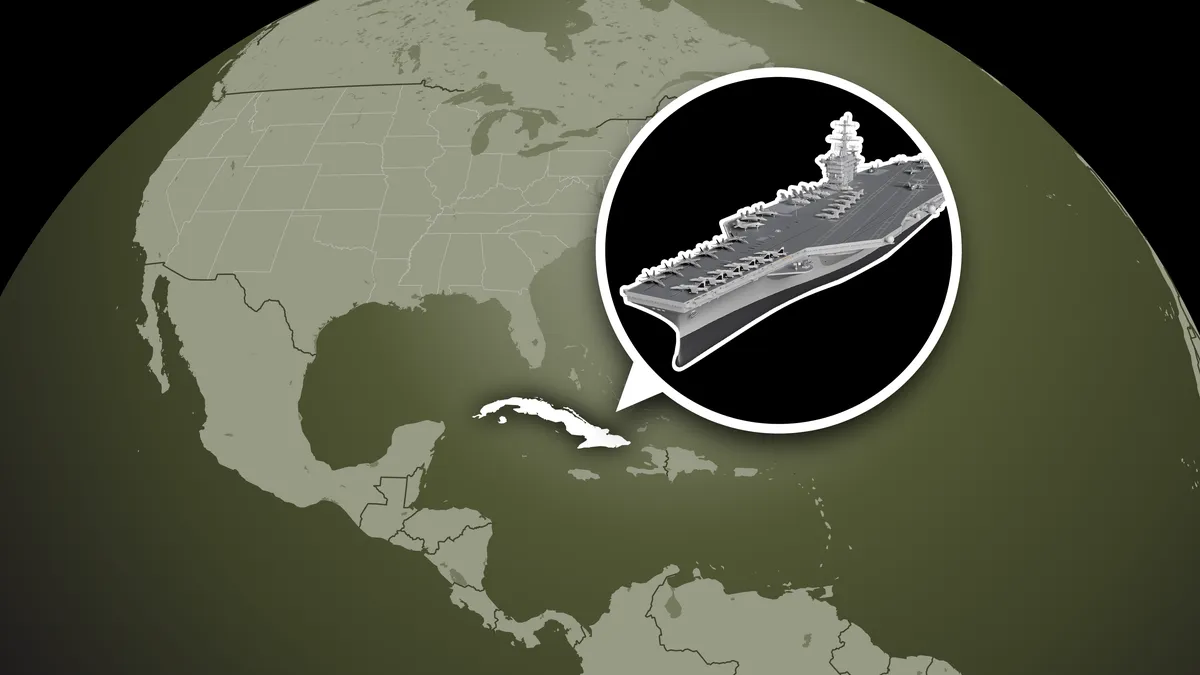
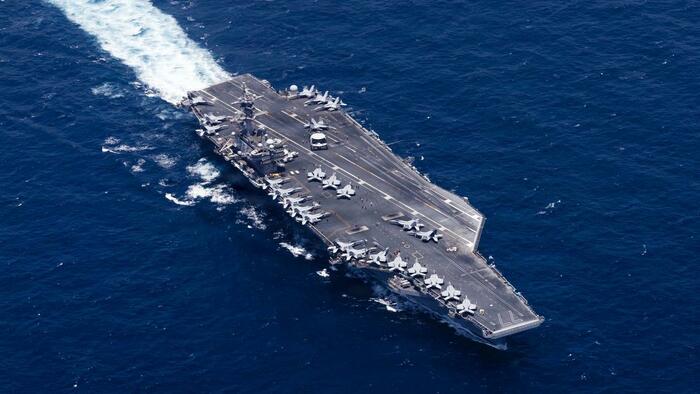
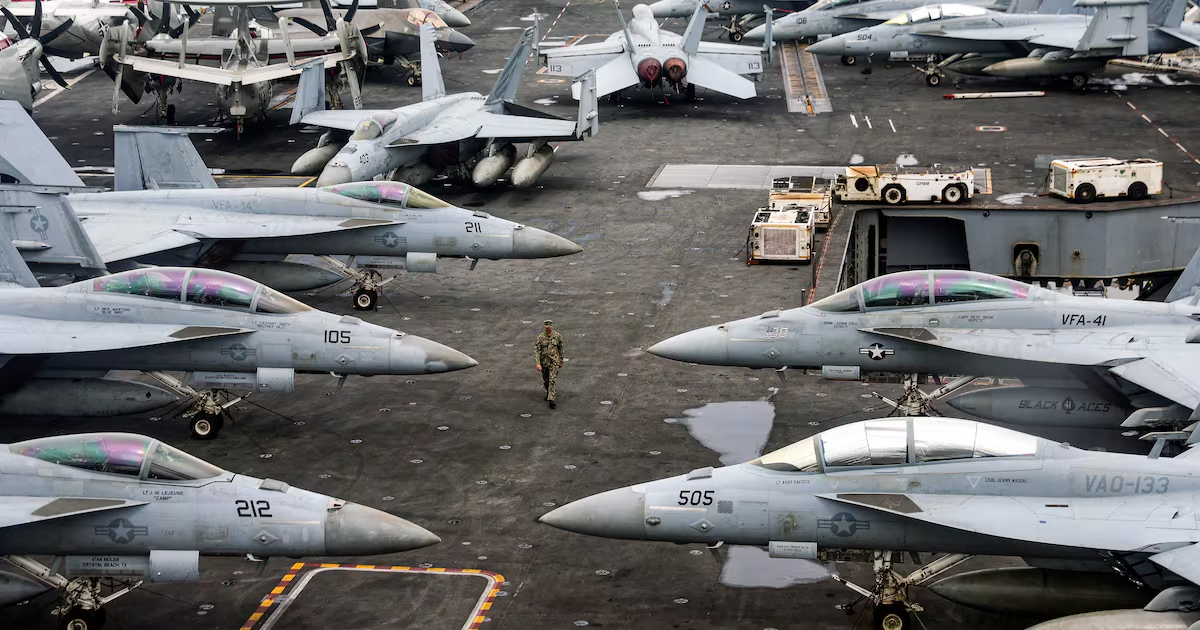
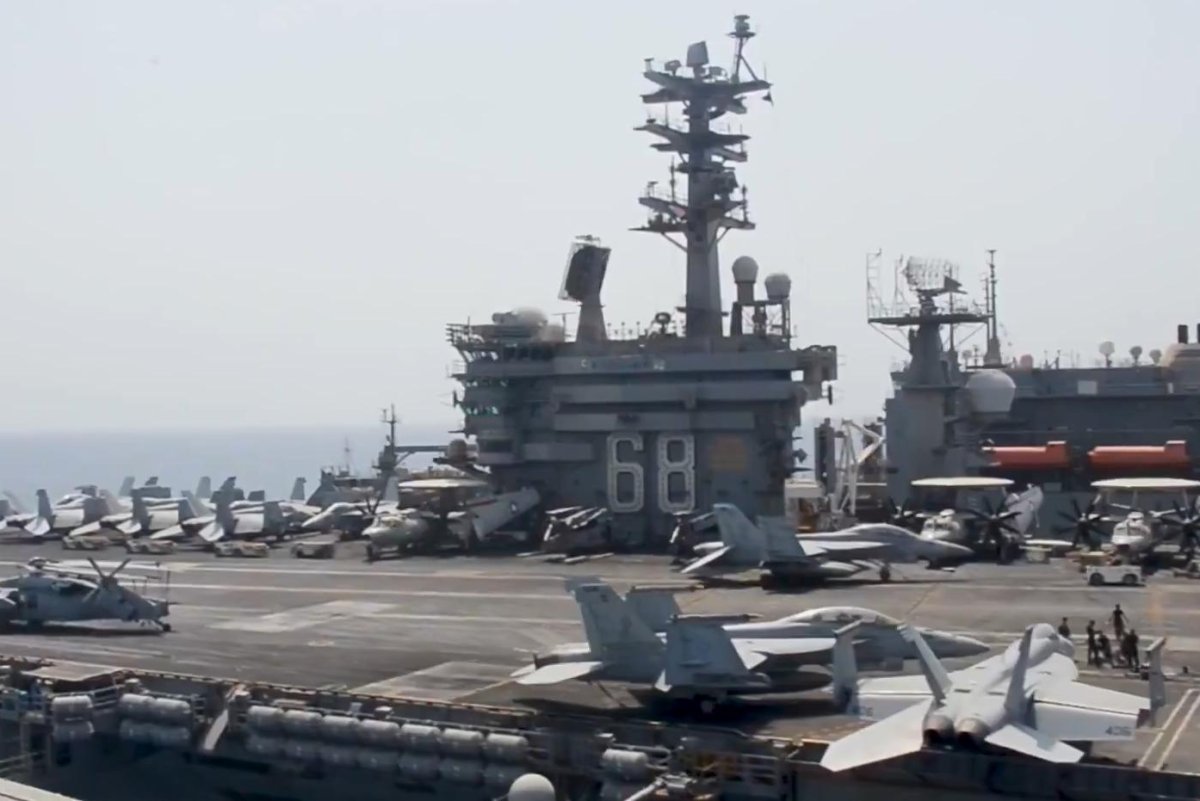
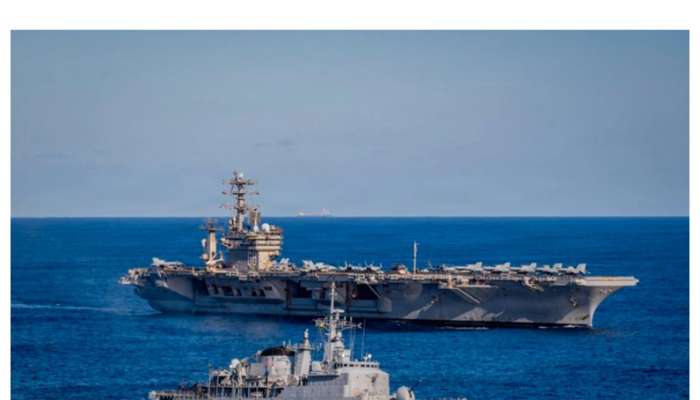
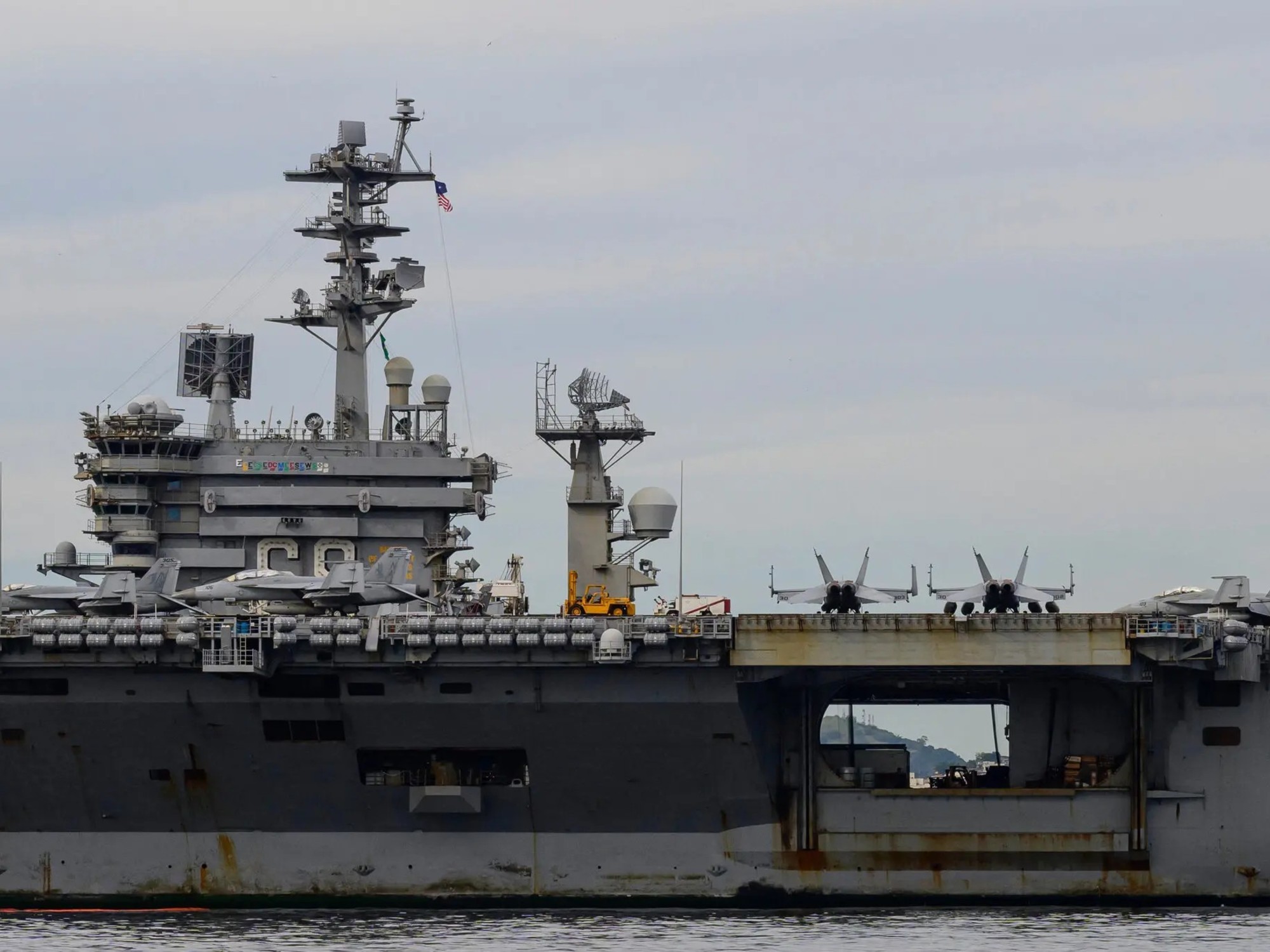
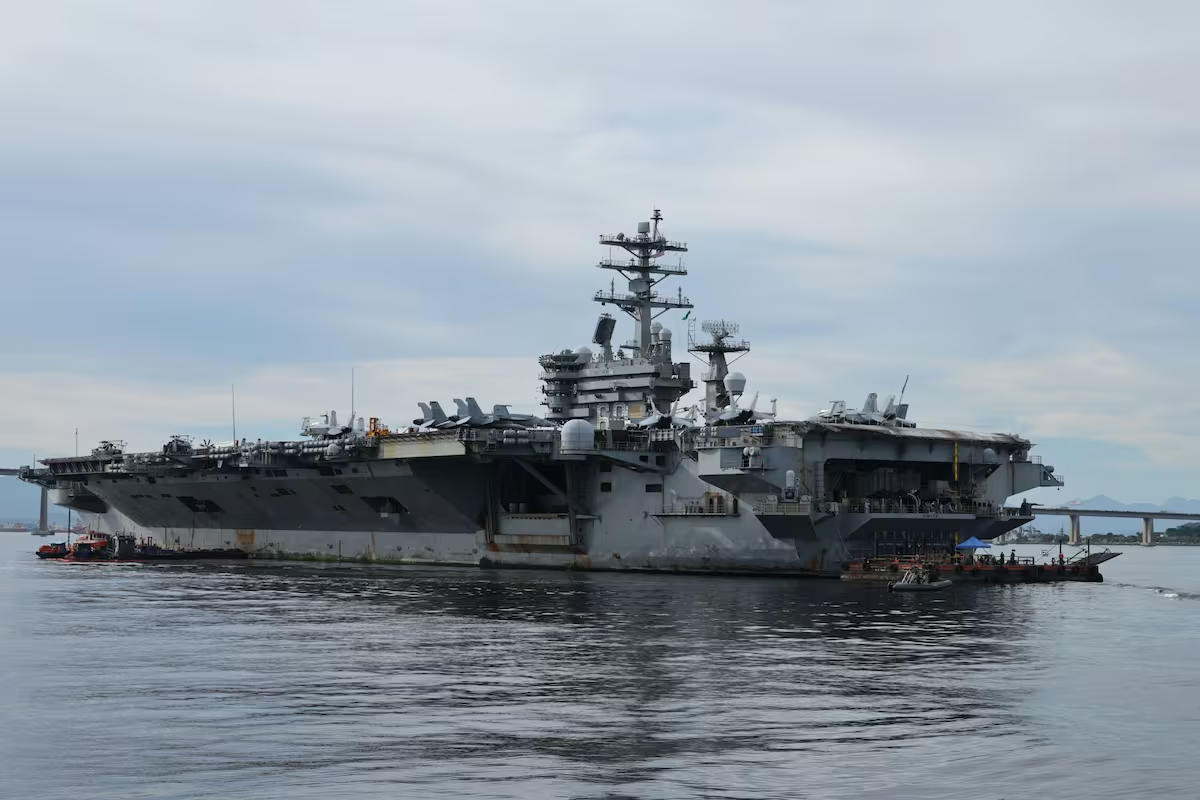
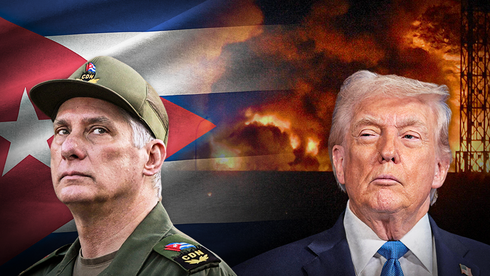
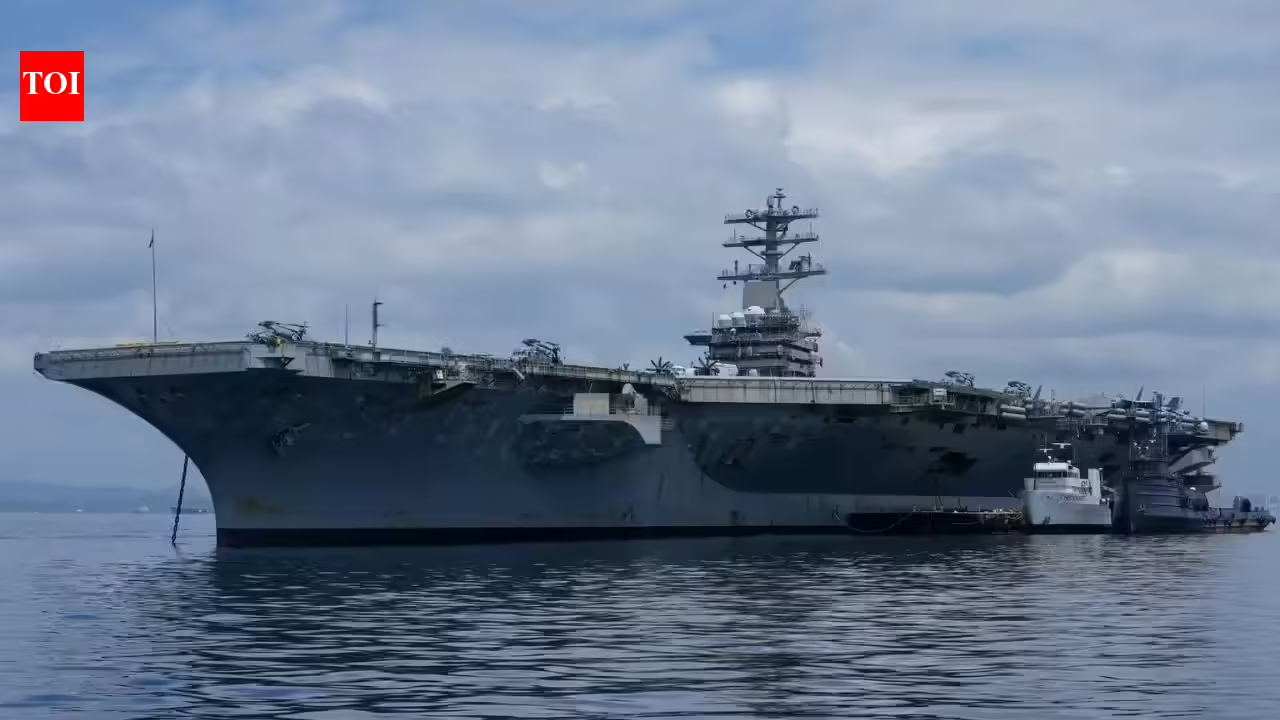
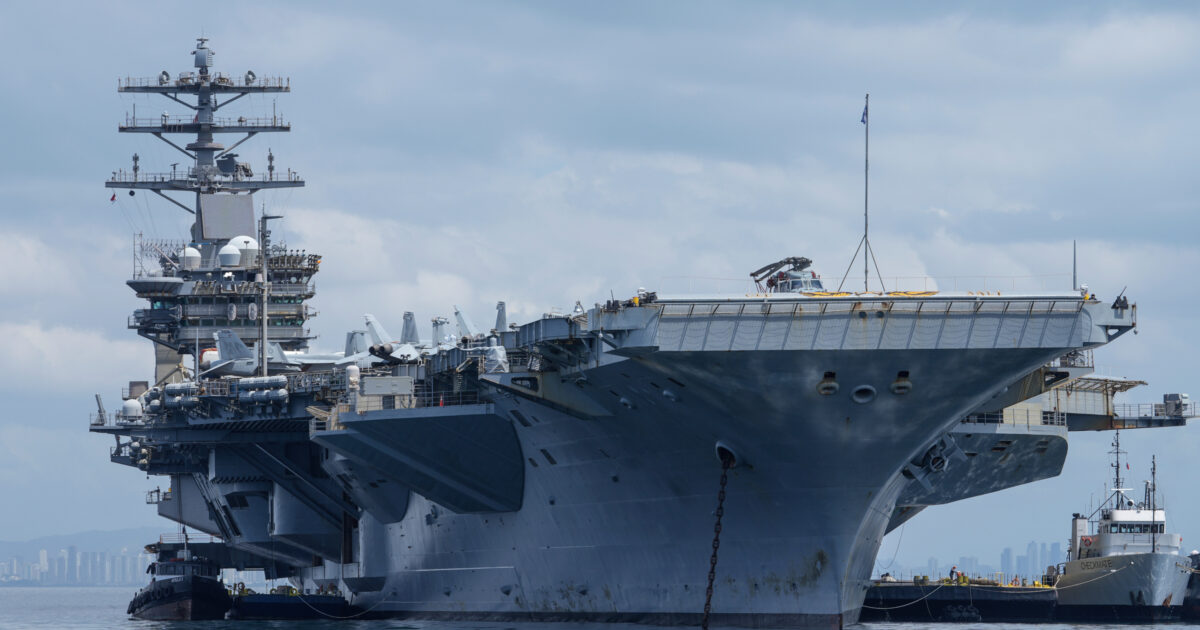
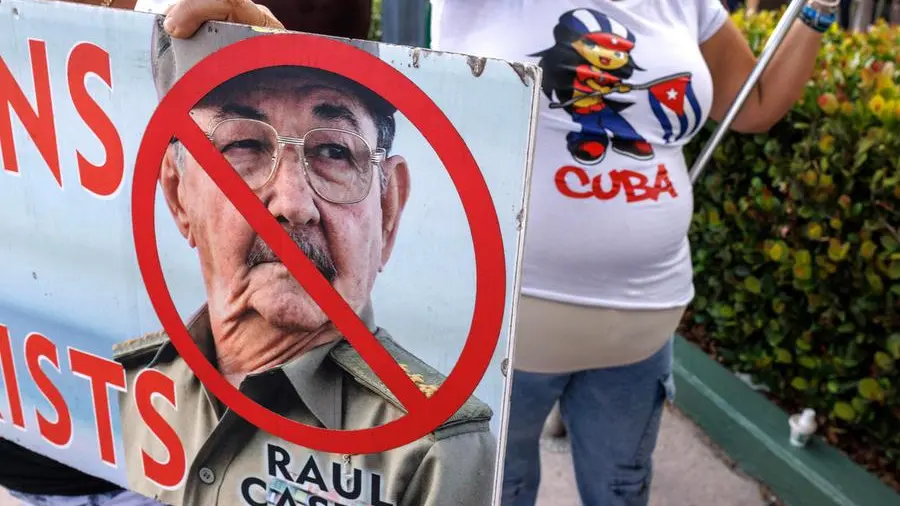
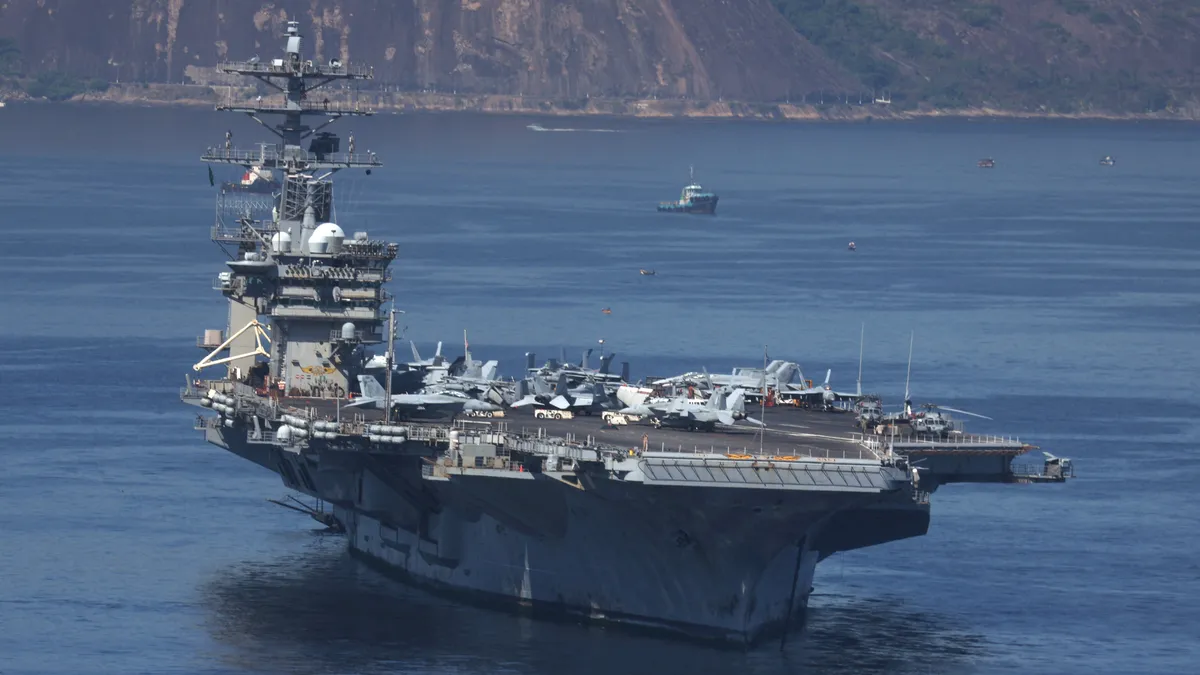
The U.S.S Nimitz aircraft carrier and three escort warships arrived in the Caribbean Sea on the same day that the Justice Department announced murder charges against Cuba's 94-year-old former president Raúl Castro.The indictment and buildup of U.S. warships in the Caribbean Sea is reminiscent of a series of escalating steps that the Trump administration took in January that culminated in a commando raid to seize President Nicolás Maduro of Venezuela and his wife, Cilia Flores. After their capture, the couple was taken to the U.S. to face charges connected to participating in a narco-terrorism conspiracy. They deny all the charges.Before entering southern Caribbean waters, the Nimitz spent recent weeks operating along the South American coast as part of a preplanned training deployment, including joint exercises in recent days with the Brazilian navy, according to the U.S. military's Southern Command.However, the Nimitz entered the Caribbean as the Trump administration has ratcheted up pressure on Cuba's government, including by developing multiple options for military operations against the island, according to a person familiar with the matter, who spoke on the condition of anonymity to discuss Pentagon matters."Welcome to the Caribbean, Nimitz Carrier Strike Group!" U.S. Southern Command posted on social media on May 20. "U.S.S. Nimitz has proven its combat prowess across the globe, ensuring stability and defending democracy from the Taiwan Strait to the Arabian Gulf."The U.S.S Gerald R. Ford aircraft carrier participated in the January capture of Maduro and Flores.Castro, Cuba's defense minister and five others were indicted on murder and conspiracy charges to kill Americans. The charges stem from the 1996 downing of two civilian planes over international waters that killed four people, three of them Americans and a U.S. resident.The planes were operated by a Miami-based Cuban exile group.Cuba's government condemned what it called the "despicable accusation" against Castro, the brother of Cuba's late revolutionary Fidel Castro. It accused the U.S. of using the indictment as a "pretext" for military action.Following Castro's indictment, President Donald Trump said he doesn't anticipate further U.S.-Cuba "escalation." But the relationship between what Trump says and does − by his own admission − is not always clear.The Trump administration has for months exerted pressure on Cuba through an oil blockade and sanctions. It wants to force a deal with Cuba that could see economic conditions improve inside the country and political prisoners released. Last week, CIA Director John Ratcliffe flew to Cuba to meet with the country's leaders as the island runs out of fuel and fears mount among Cuba's leaders that Washington is preparing military action.In comments made at the White House on May 21, Trump said he's not trying to intimidate Cuba by sending an aircraft carrier to the Caribbean and wants to help Cuba. "We're going to help them along, we're going to help them… I want to on a humanitarian basis," he said.Kim Hjelmgaard is an investigative journalist covering global stories for USA TODAY, from living rooms to conflict zones. Follow him on X: @khjelmgaard Contributing: Zachary Anderson