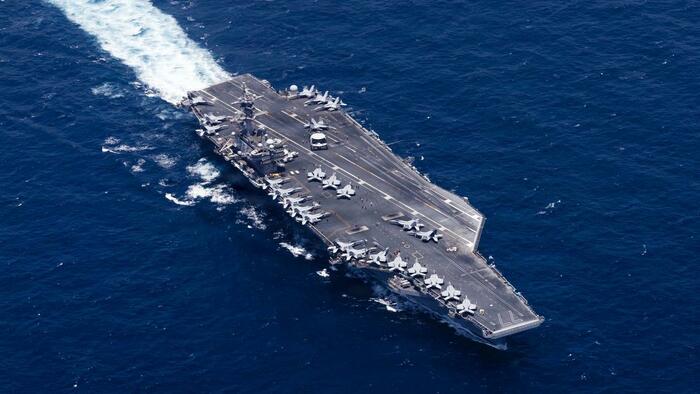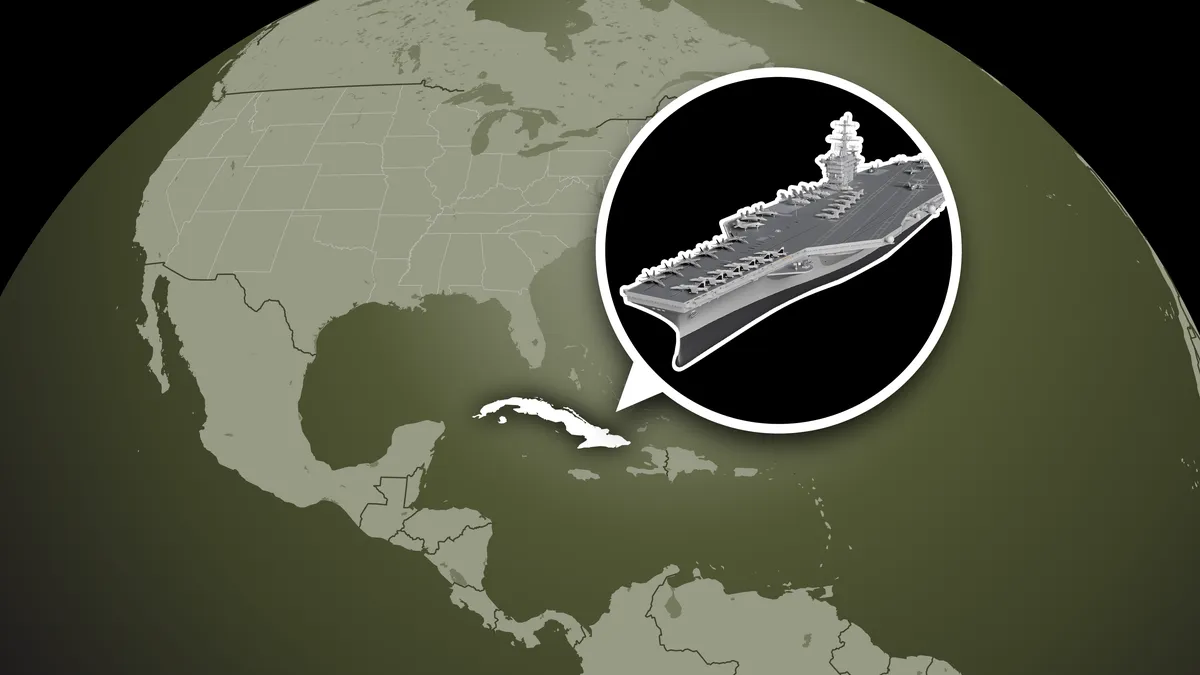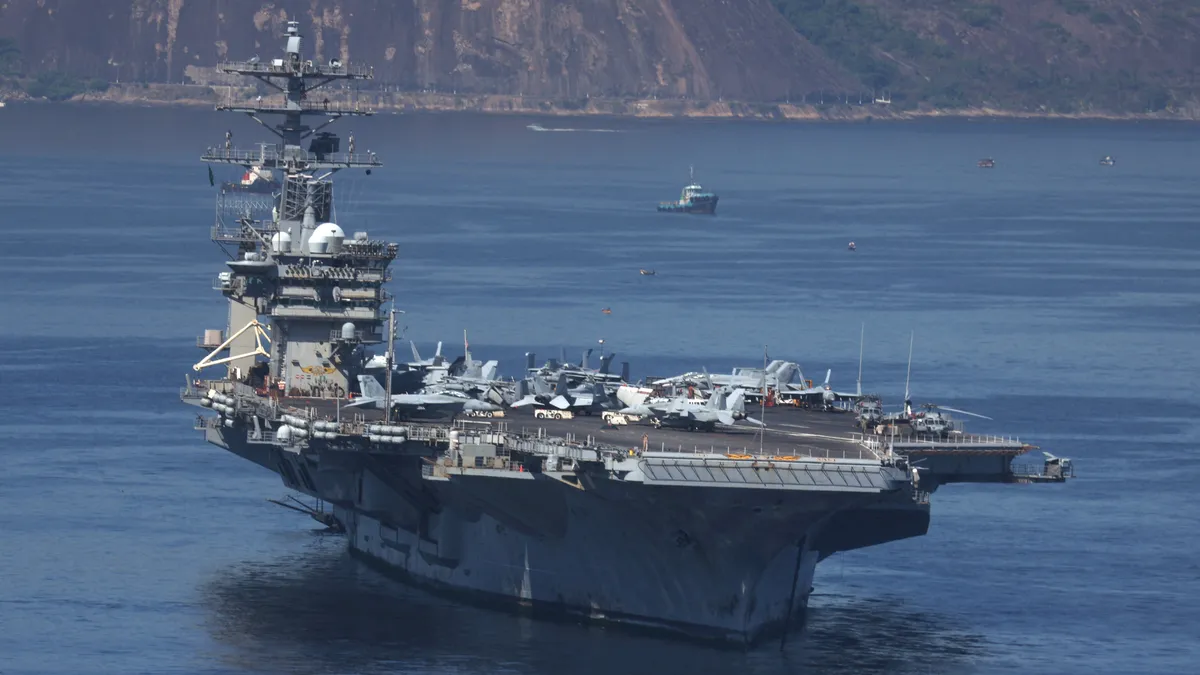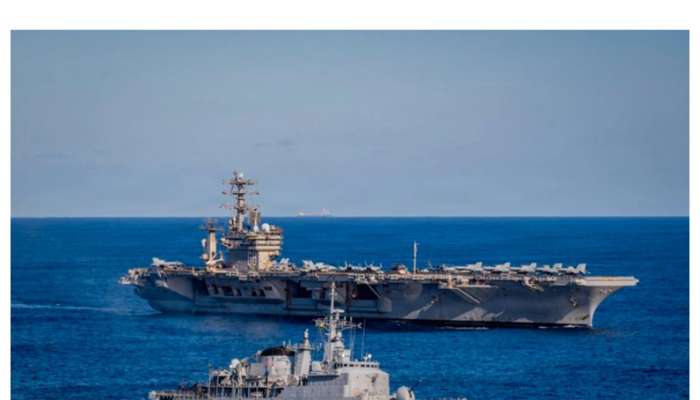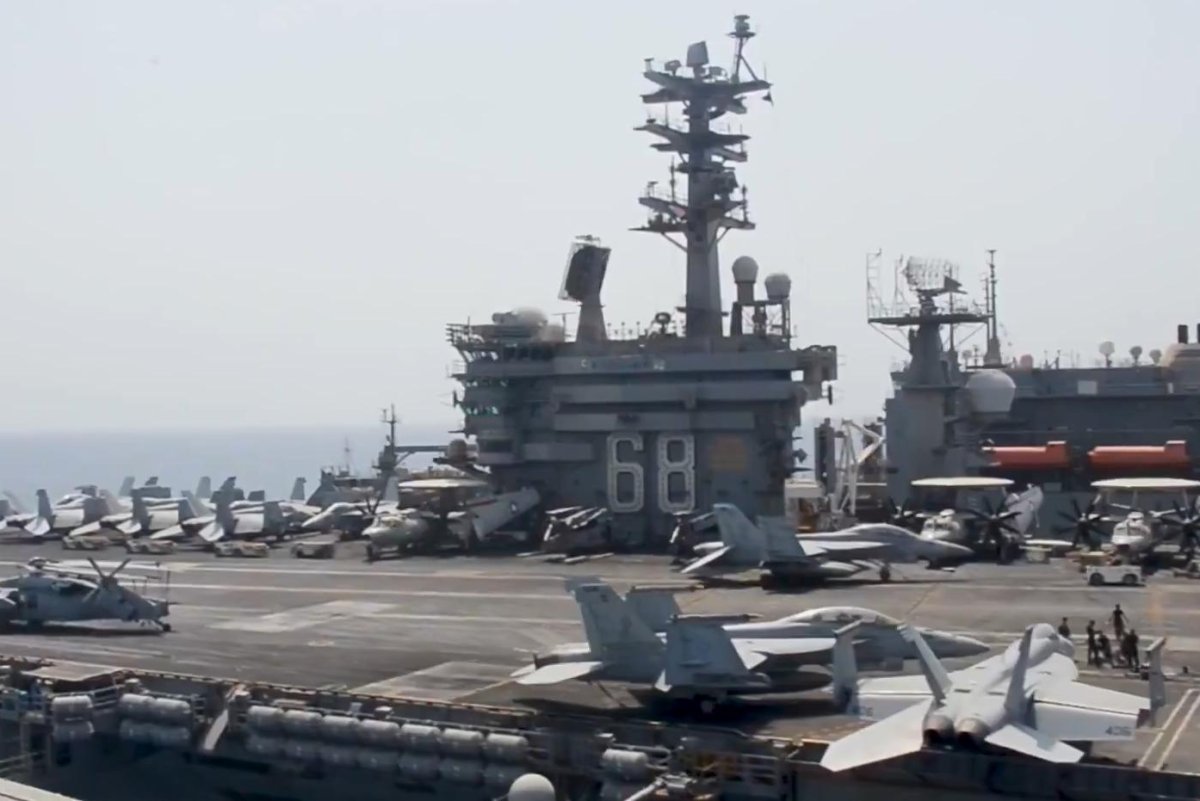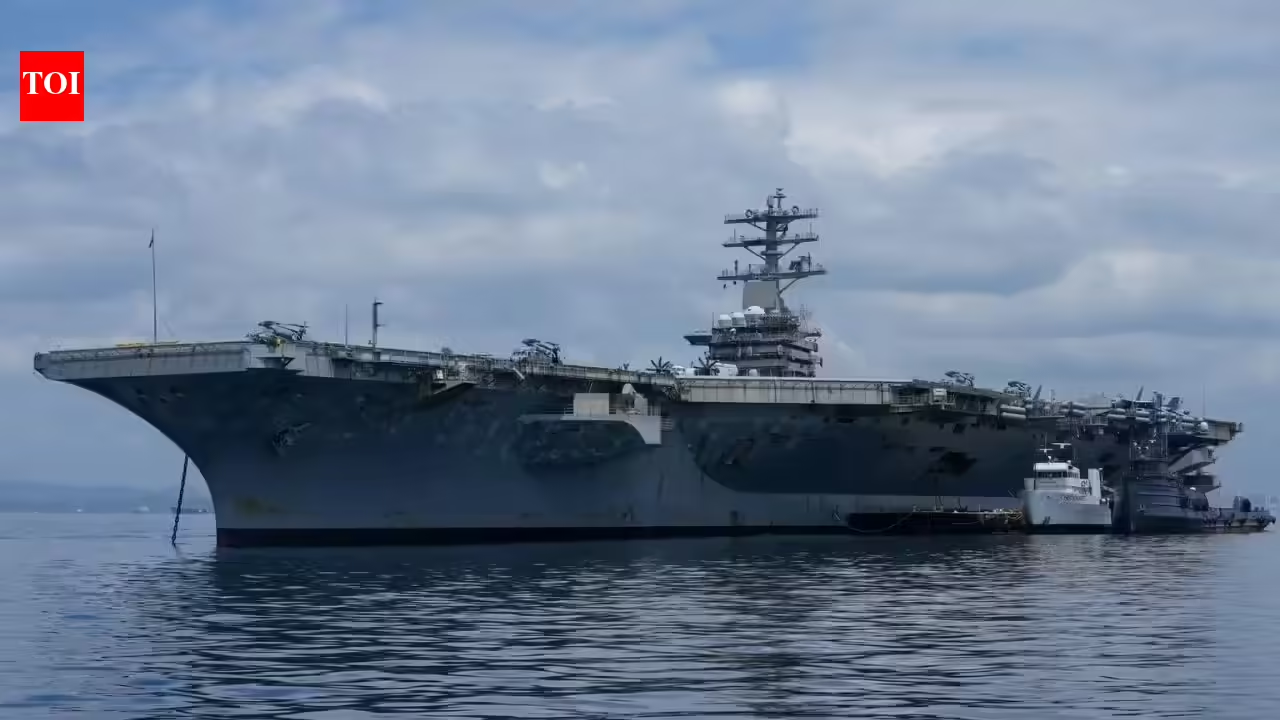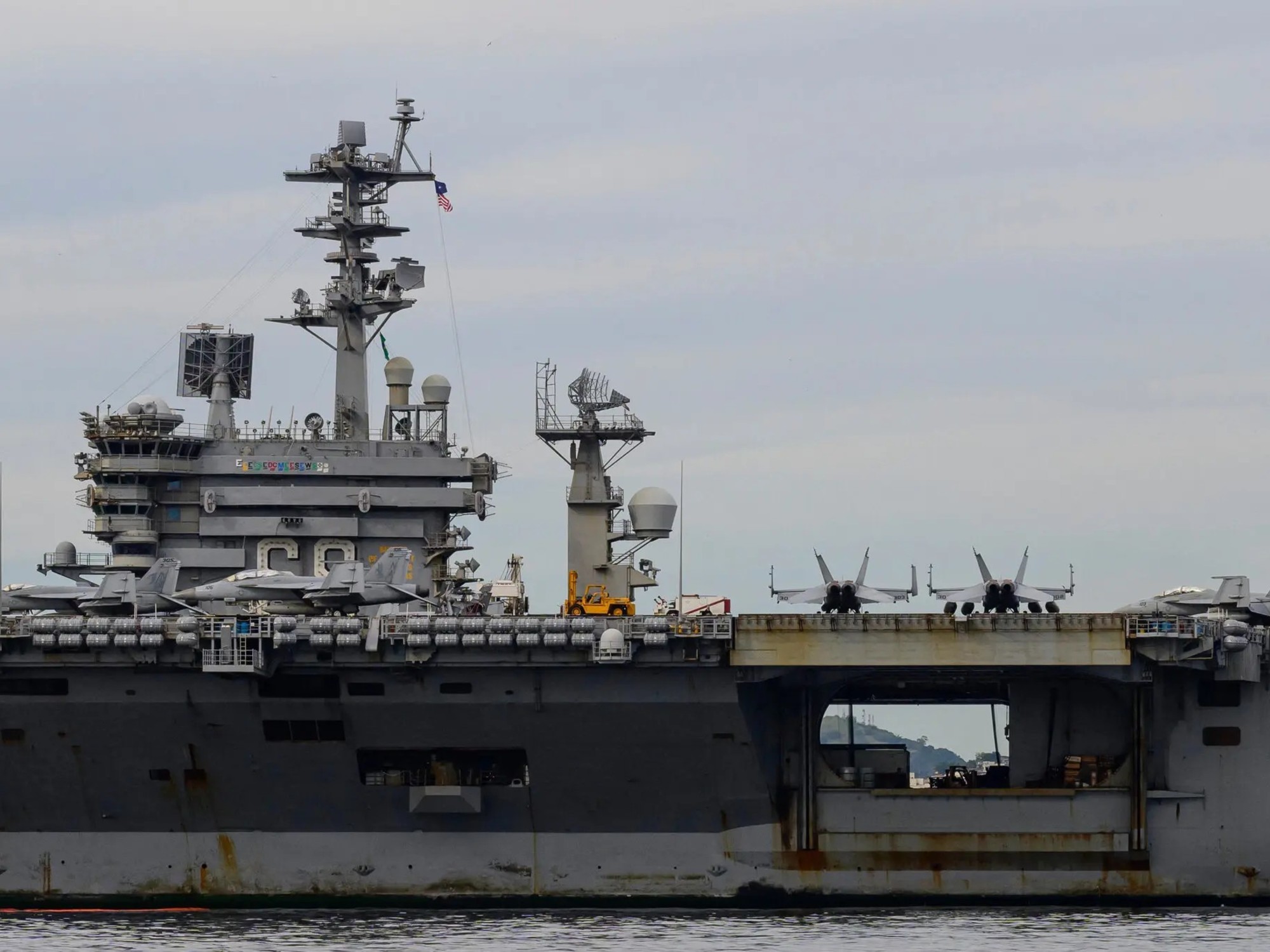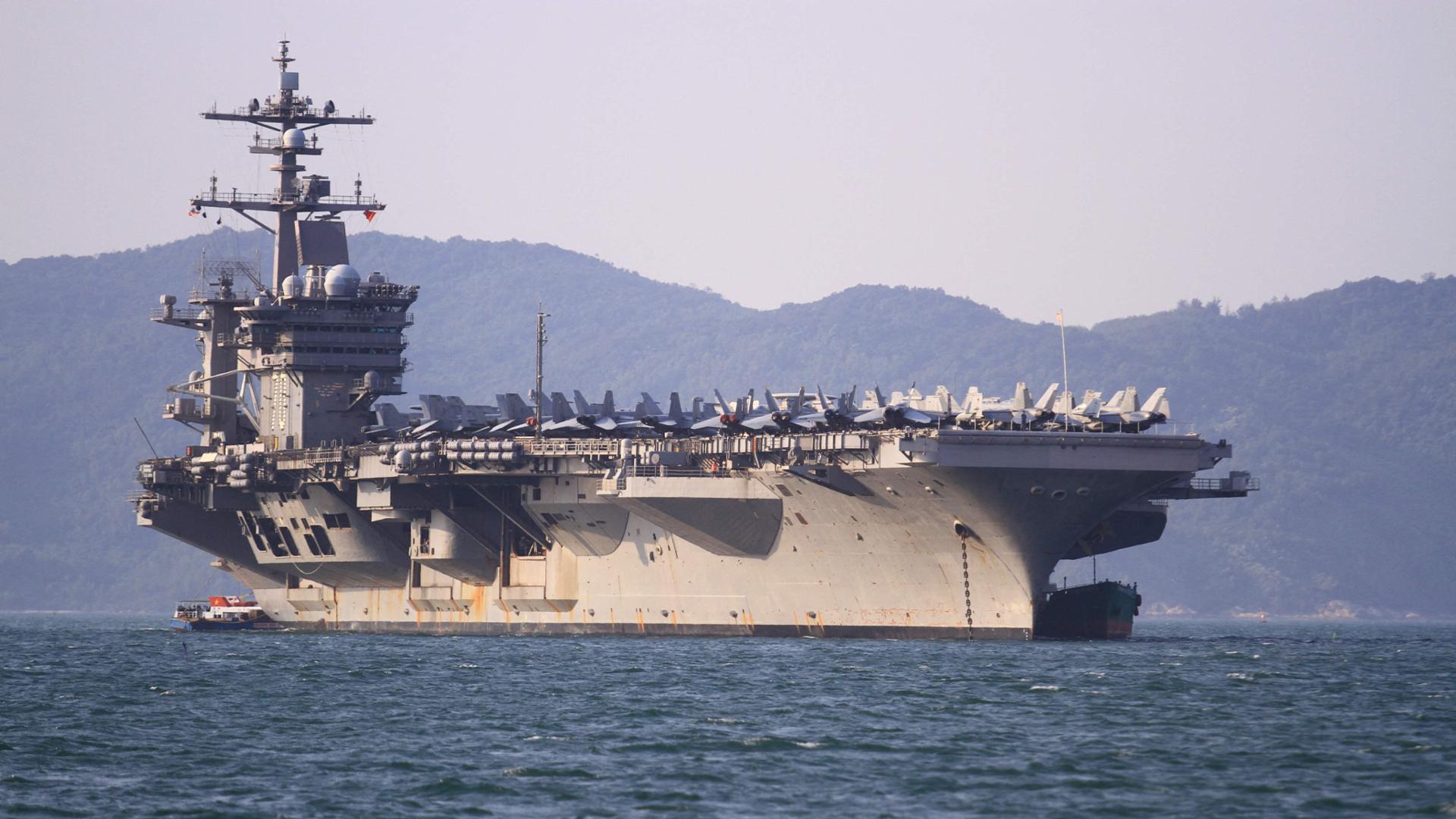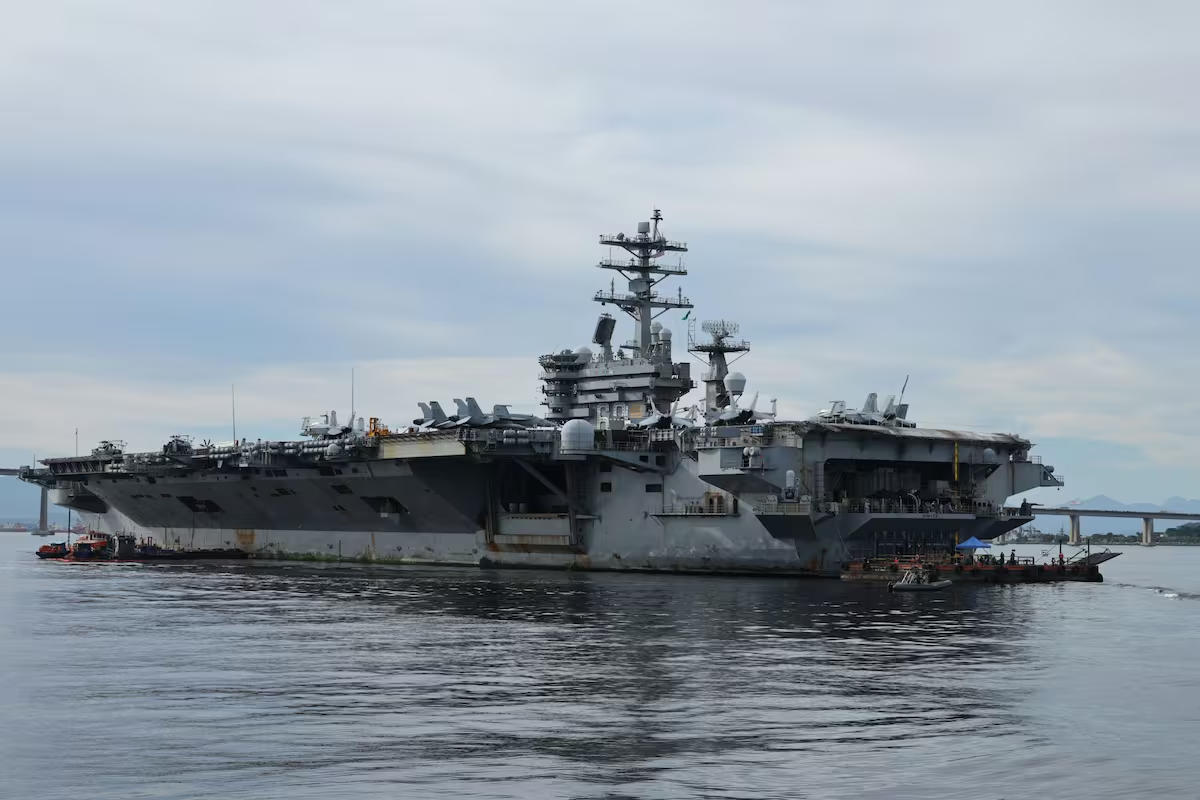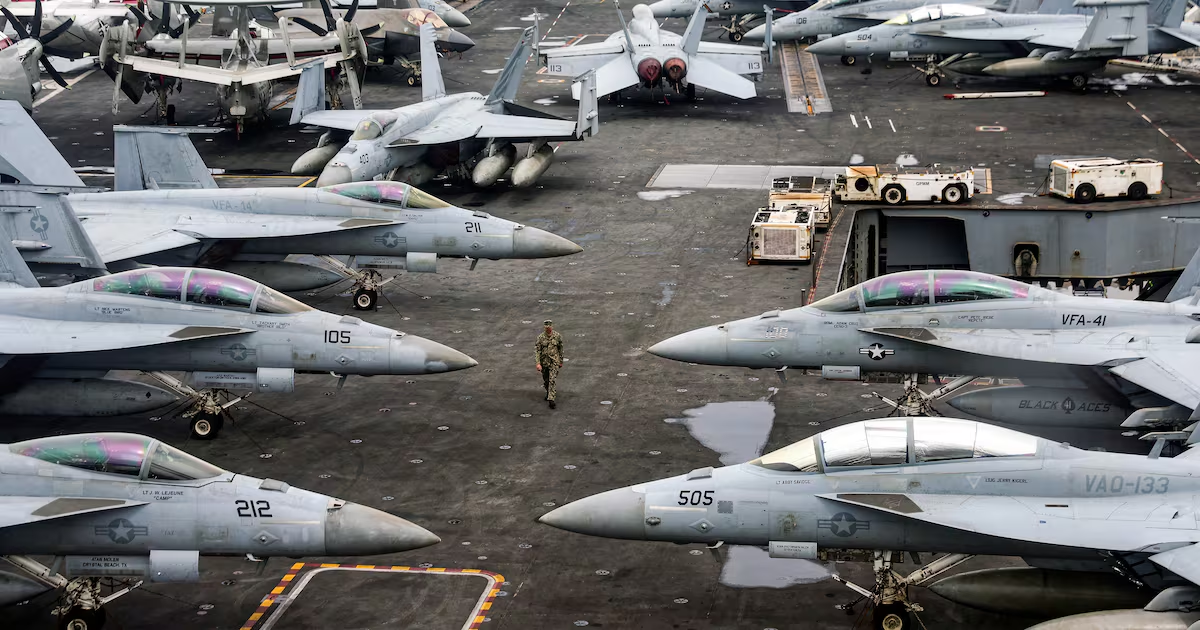
A US aircraft carrier and its escort warships have entered the southern Caribbean Sea on Wednesday and will remain in the region for at least a few days as part of the Trump administration’s campaign to pressure the Cuban government, according to the military’s southern command and a US official.Right now, the administration intends to use the USS Nimitz, and its wing of fighter jets, as a show of force, not as a platform for major military operations, as the aircraft carrier USS Gerald R Ford did during the commando raid to seize president Nicolás Maduro of Venezuela in January, said the US official, who spoke on condition of anonymity to discuss operational matters.The Nimitz has spent the past several weeks sailing along the South American coast on a previously scheduled training deployment, in recent days conducting exercises with the Brazilian navy.Still, it hardly seemed coincidental that the Pentagon timed the arrival of the carrier into the southern Caribbean on the same day that the US justice department announced charges against Raúl Castro, the 94-year-old former president of Cuba.“Welcome to the Caribbean, Nimitz Carrier Strike Group!” the southern command posted on social media Wednesday. “USS Nimitz has proven its combat prowess across the globe, ensuring stability and defending democracy from the Taiwan Strait to the Arabian Gulf.”Much of the firepower the Pentagon amassed in the Caribbean for the Maduro raid left the region soon after to form the backbone of American might in the Iran war. But the amphibious assault ship USS Tripoli remains in the region, according to the US Navy.The US justice department has accused Raúl Castro of murder and a conspiracy to kill US citizens stemming from the fatal downing 30 years ago of two planes over waters off the coast of his country.A file image of Raúl Castro with his brother Fidel Castro in Havana in 1978. Photograph: Francois Lochon/Gamma-Rapho via Getty Images The indictment, issued in US district court in Miami, was an extraordinary escalation of the Trump administration’s multifaceted pressure campaign against Cuba’s communist government at a moment when president Donald Trump has been seeking to topple it.The charges brought to bear on Castro, the brother of Fidel Castro, the vast powers of the US criminal justice system, saddling him with a possible maximum penalty of life in prison. The indictment, which also accused five fighter pilots involved in the attack on the planes, was secretly returned last month by a federal grand jury and built on earlier charges, first filed in 2003, against one of them.At a news conference in Miami, the acting attorney general, Todd Blanche, and Jason A Reding Quiñones, the US attorney for the Southern District of Florida, accused Raúl Castro and the pilots of killing four people when the Cuban military shot down the planes on the afternoon of February 24th, 1996. The planes were operated by Brothers to the Rescue, a Cuban exile group that often scoured the seas for Cubans fleeing the country.Fidel Castro took responsibility for downing the planes shortly after they were brought from the sky, claiming that the organisation had been dropping anti-regime leaflets over Havana in earlier flights. The indictment said that Raúl Castro was also responsible because he and his brother were “the final decision-makers” in the Cuban military chain of command.Blanche portrayed the charges against Castro as a historic step toward holding the leaders of Cuba’s government accountable for their past wrongs.“My message today is clear,” he said. “The United States and president Trump does not – and will not – forget its citizens.”Blanche sidestepped questions about whether the indictment was a prelude to US military action, saying that the decision rested with Trump and his foreign policy team. Trump refused to say Wednesday whether he would use the military to extract Castro from Cuba, telling reporters, “I don’t want to say that.”Beyond military force, however, there were not many options to get Castro to the United States to face charges. Blanche said that a warrant had been issued for his arrest, though it was unlikely that the Cubans would turn him over. In a statement, Blanche nonetheless said he expected Castro to eventually show up in the United States, whether “by his own will or another way.”The Cuban government, in a statement, rebuked the United States.“It is highly cynical for this accusation to be made by the very same government that has murdered nearly 200 people and destroyed 57 vessels in international waters of the Caribbean and the Pacific, far from United States territory, through the disproportionate use of military force,” it said.Since retaking office, Trump has made no secret of his desire to expand US territory and oust leaders he dislikes. After the successful military operation in Venezuela and the so far unsuccessful efforts to secure Greenland or the Panama Canal, Trump has made it clear that Cuba is his next target.Cuba is facing a moment of rising crisis as the country’s oil supplies for domestic use and power plants have been exhausted after Trump effectively imposed a blockade on fuel shipments from any country.– This article originally appeared in The New York Times.
US aircraft carrier enters Caribbean as Trump pressures Cuba
Carrier arrived in the southern Caribbean on the same day that the US announced charges against Raúl Castro
855 words~4 min read