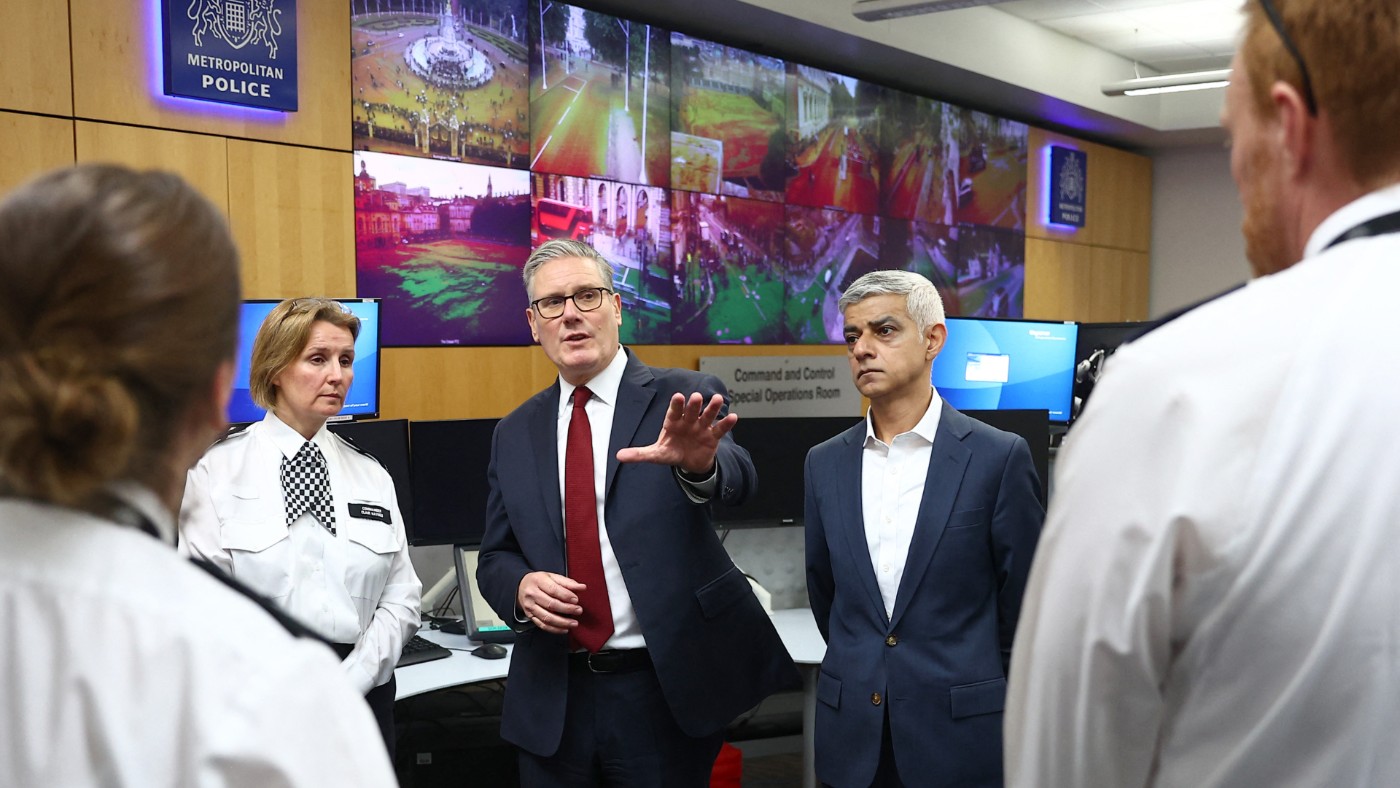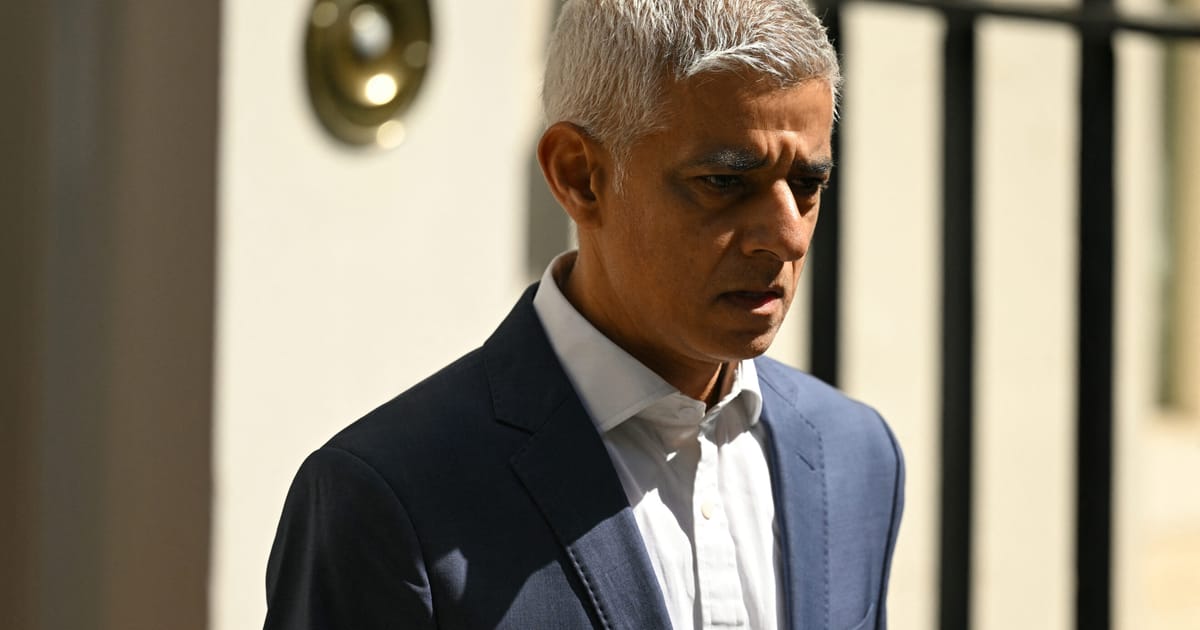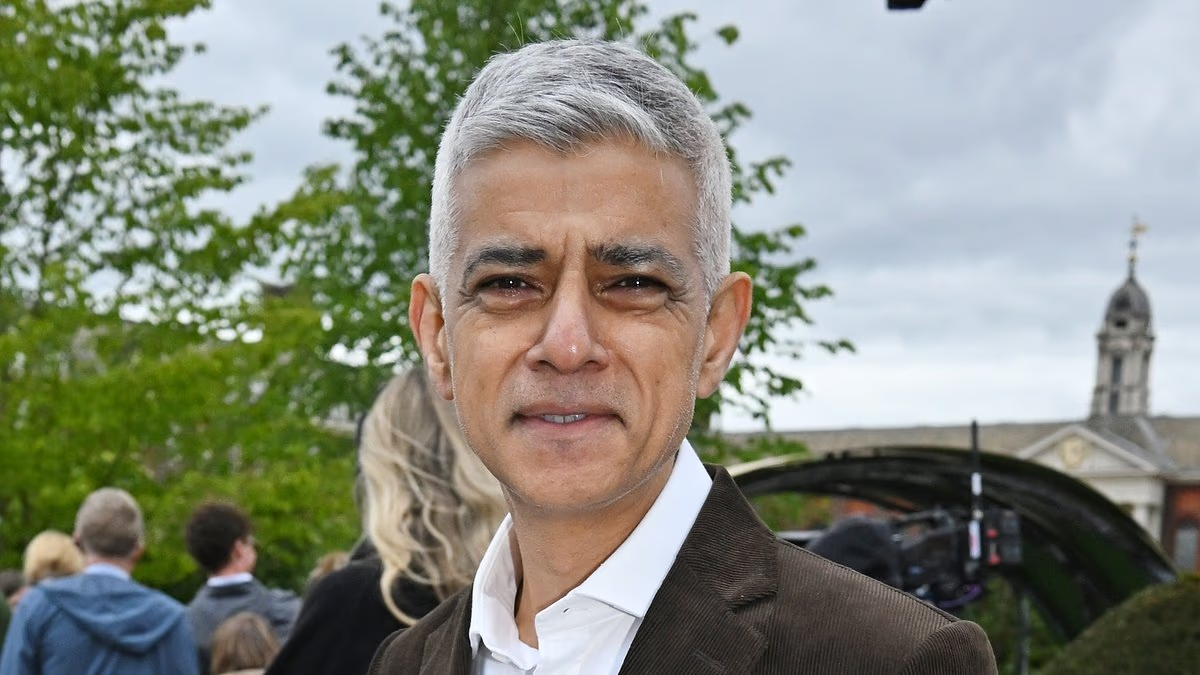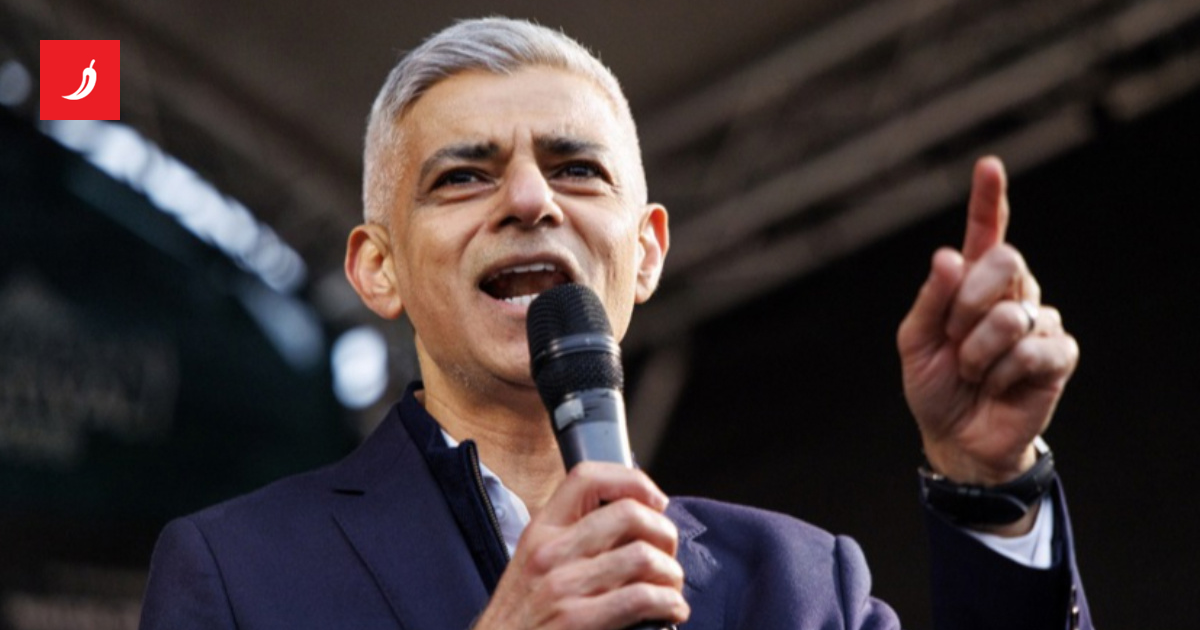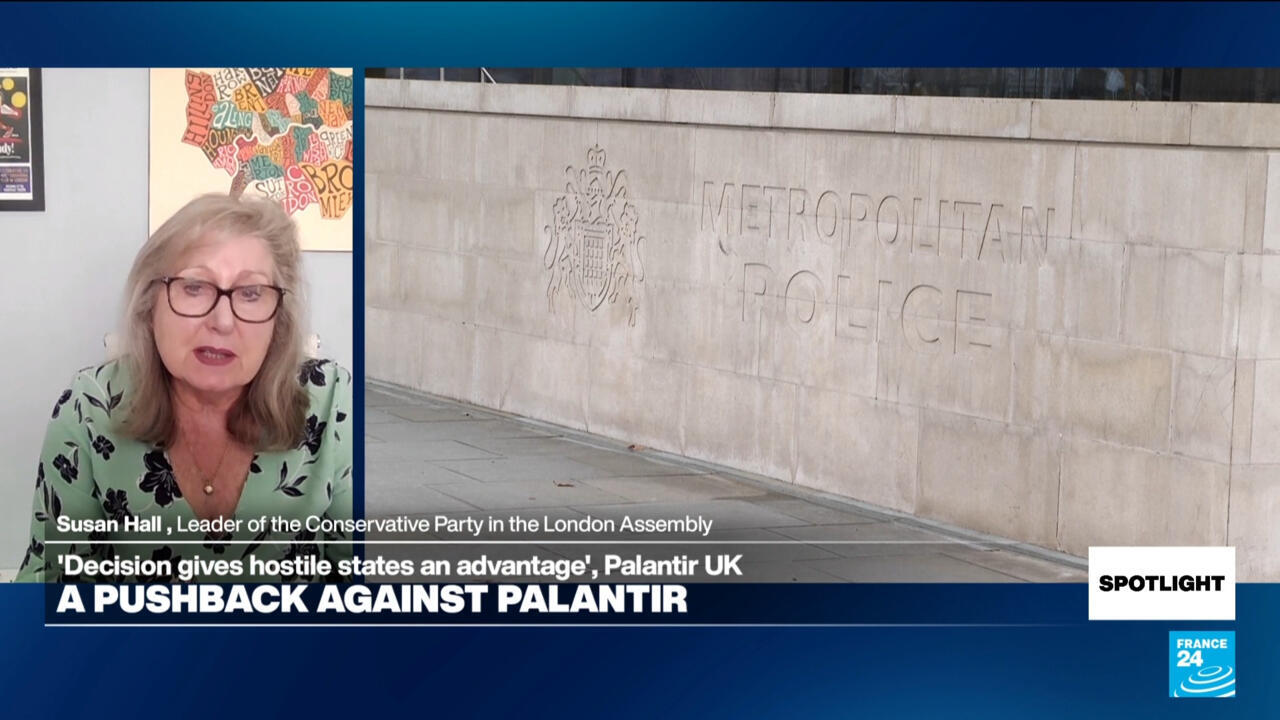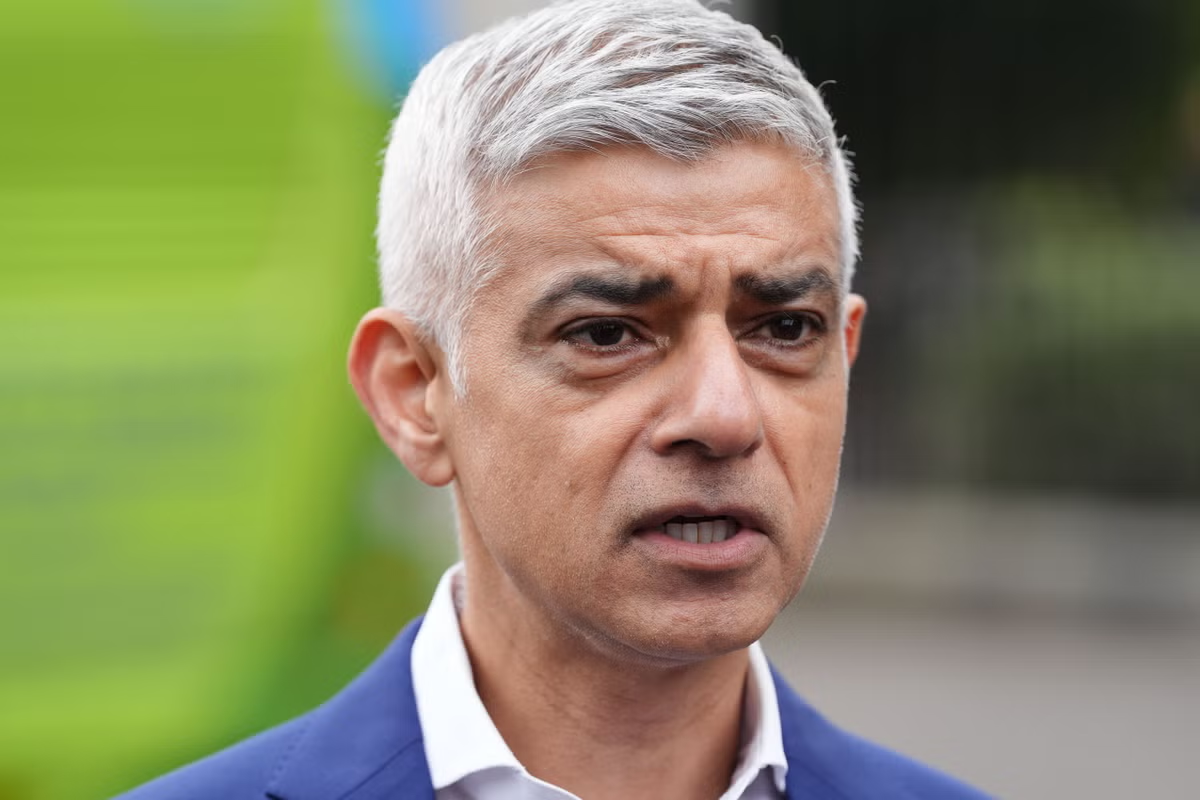
London Mayor Sadiq Khan has blocked a £50 million deal between the Metropolitan Police and the controversial US technology company Palantir, citing a "clear and serious breach" of procurement procedures. Scotland Yard had been in talks to utilise Palantir’s artificial intelligence technology to automate intelligence analysis in criminal investigations, a development first reported by The Guardian in April.Palantir, co-founded by tech magnate Peter Thiel, a prominent donor to US President Donald Trump, is already a significant player in the UK public sector, holding contracts with bodies including the NHS and the Ministry of Defence.On Thursday, the Mayor’s Office for Policing and Crime confirmed that Palantir was the sole supplier the Met had seriously considered for the proposed contract. The force failed to present its procurement strategy to MOPAC for approval, a requirement "specifically emphasised" to the Met. This procedural lapse constituted a "clear and serious breach", meaning City Hall could not ensure value for money for Londoners.Deputy Mayor for Policing and Crime, Kaya Comer-Schwartz, conveyed her strong disapproval to Met Commissioner Sir Mark Rowley. She stated: "To date, I have not been provided with any acceptable explanation for this failure." Ms Comer-Schwartz further criticised the process, asserting that it had not "provided a reasonable process of competition or market testing in respect of the services being procured."Scotland Yard had been in talks about using Palantir’s artificial intelligence technology to automate intelligence analysis in criminal investigations (PA Archive)It is understood that Sir Sadiq expects to engage with the Government regarding whether a company’s ethics should be a key consideration in public procurement processes. It is understood that he believes Londoners would expect public funding to be issued only to companies that genuinely share the city’s values.MOPAC was initially informed that the contract would cost between £15 million and £25 million per annum, with a proposed term of two years. However, following negotiations with Palantir, the Met increased the contract to the upper end of this range, reaching £25 million. MOPAC was not satisfied that this escalated cost could be paid for both years without risking "unacceptable" tolls on other vital budgets. Extending the contract – a not uncommon request for the Met – would only amplify these financial risks and concerns, the deputy mayor for policing and crime added.In her communication to Sir Mark, Ms Comer-Schwartz acknowledged the potential disappointment but underscored the necessity of proper procedure: "I appreciate that my decision will be disappointing. To be clear, I continue to support MPS (Metropolitan Police Service) taking effective and timely action to source and procure technology and related services that can support and improve the effective delivery by the MPS of its operational functions. However, I believe that this can, and must, be done in a manner that incorporates reasonable, effective, arrangements to ensure the achievement of value for money."
Mayor blocks controversial £50 million Met Police deal with Palantir
Palantir is already a significant player in the UK public sector
469 words~2 min read