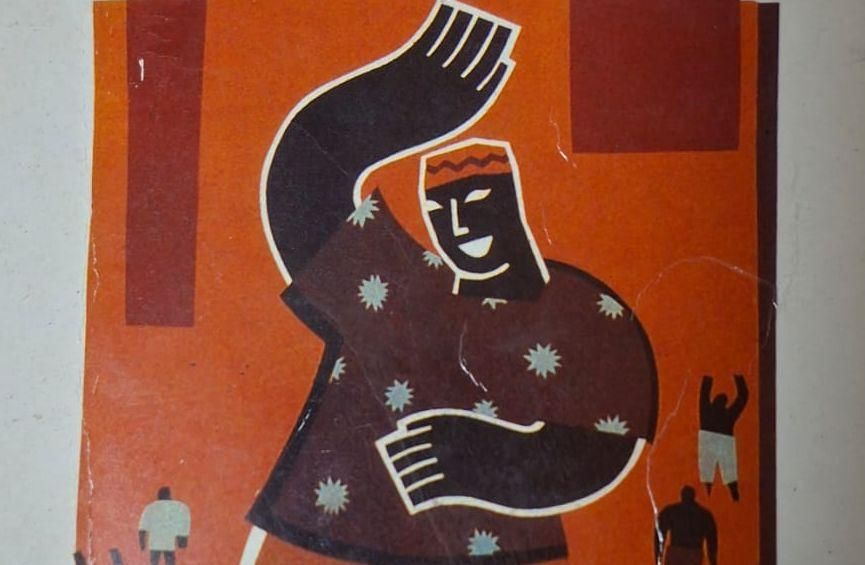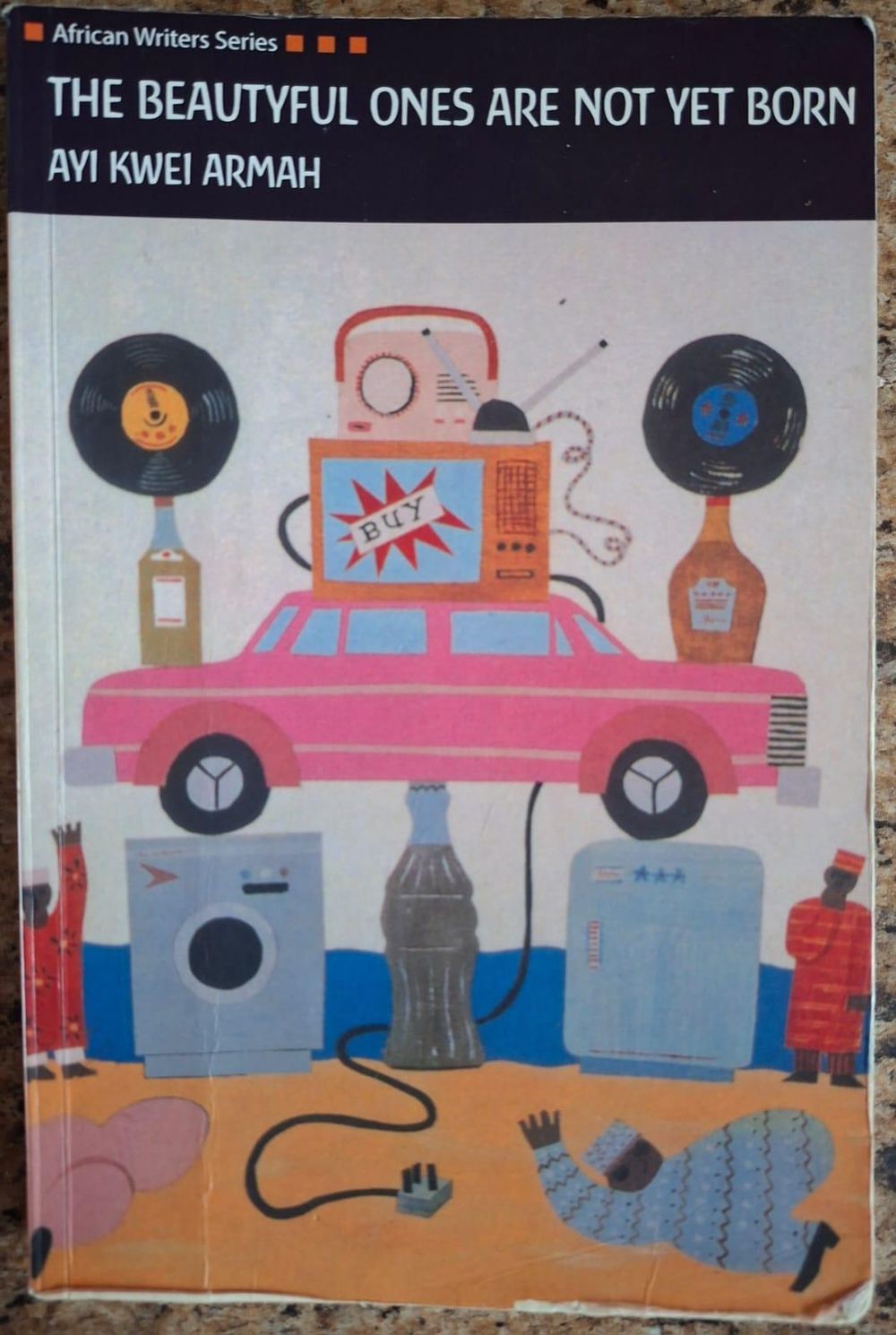
Ghanaian scholar Ayi Kwei Armah's 'The Beautyful Ones Are Not Yet Born' is an illuminating and seminal analysis, published a decade after Ghana’s independence, symbolising the failures of post-colonial African states and the lack of will among their political leaders to deliver on the people’s aspirations and the promises of the liberation project, writes Orapeleng Matshediso.
Fifty-eight years ago, Ghanaian scholar Ayi Kwei Armah wrote the novel “The Beautyful Ones Are Not Yet Born”. His illuminating and seminal analysis, published a decade after Ghana’s independence, symbolises the failures of post-colonial African states and the lack of will among their political leaders to deliver on the people’s aspirations and the promises of the liberation project. But before I review, let me correct the historical record: Ghana (1957) was the second, not the first, African state to attain independence; the first was Sudan in 1956.
Essentially, novels provide avenues for us to dissect and reflect on a specific society or country, to draw valuable lessons for the present and, subsequently, for future generations. Armah narrates an allegorical story about a nameless protagonist called the Man. This man, a railway clerk, struggles to fit into a society and a country engulfed in moral decay, filth, dilapidated infrastructure, political patronage, poor service delivery, and rampant corruption involving both ordinary citizens and post-colonial leaders in Ghana under the presidency of Kwame Nkrumah.