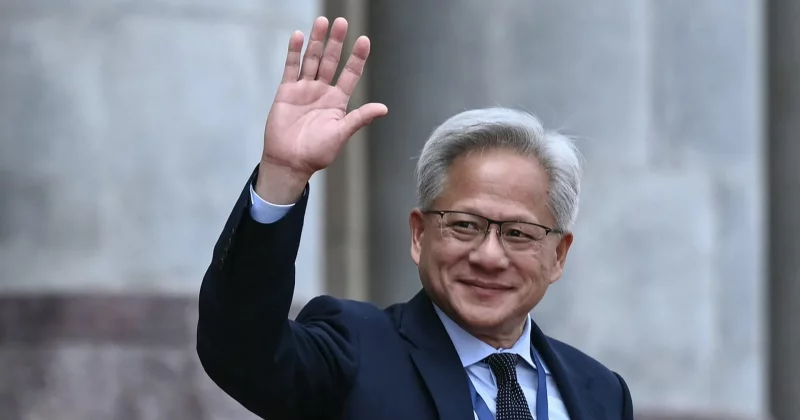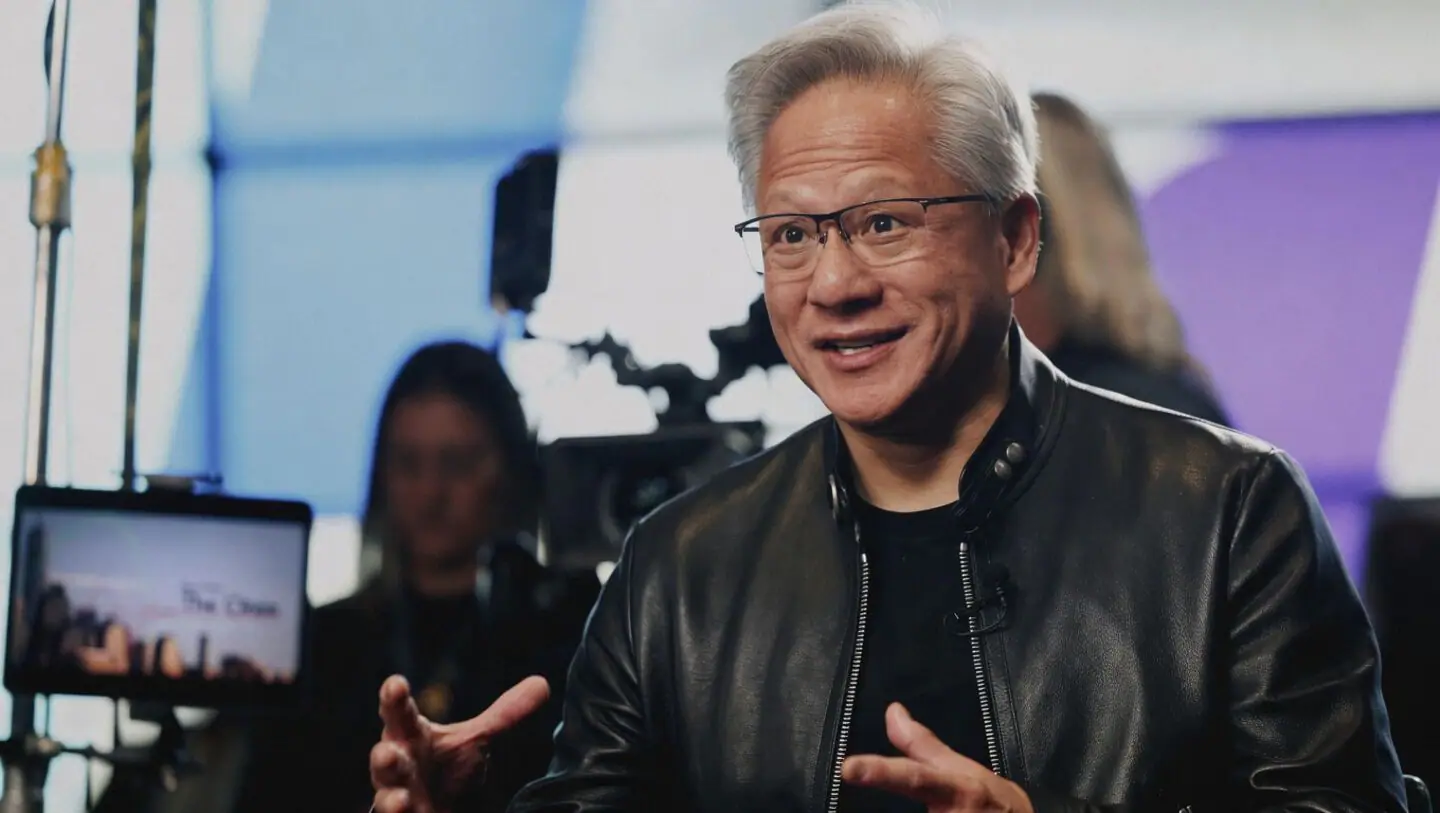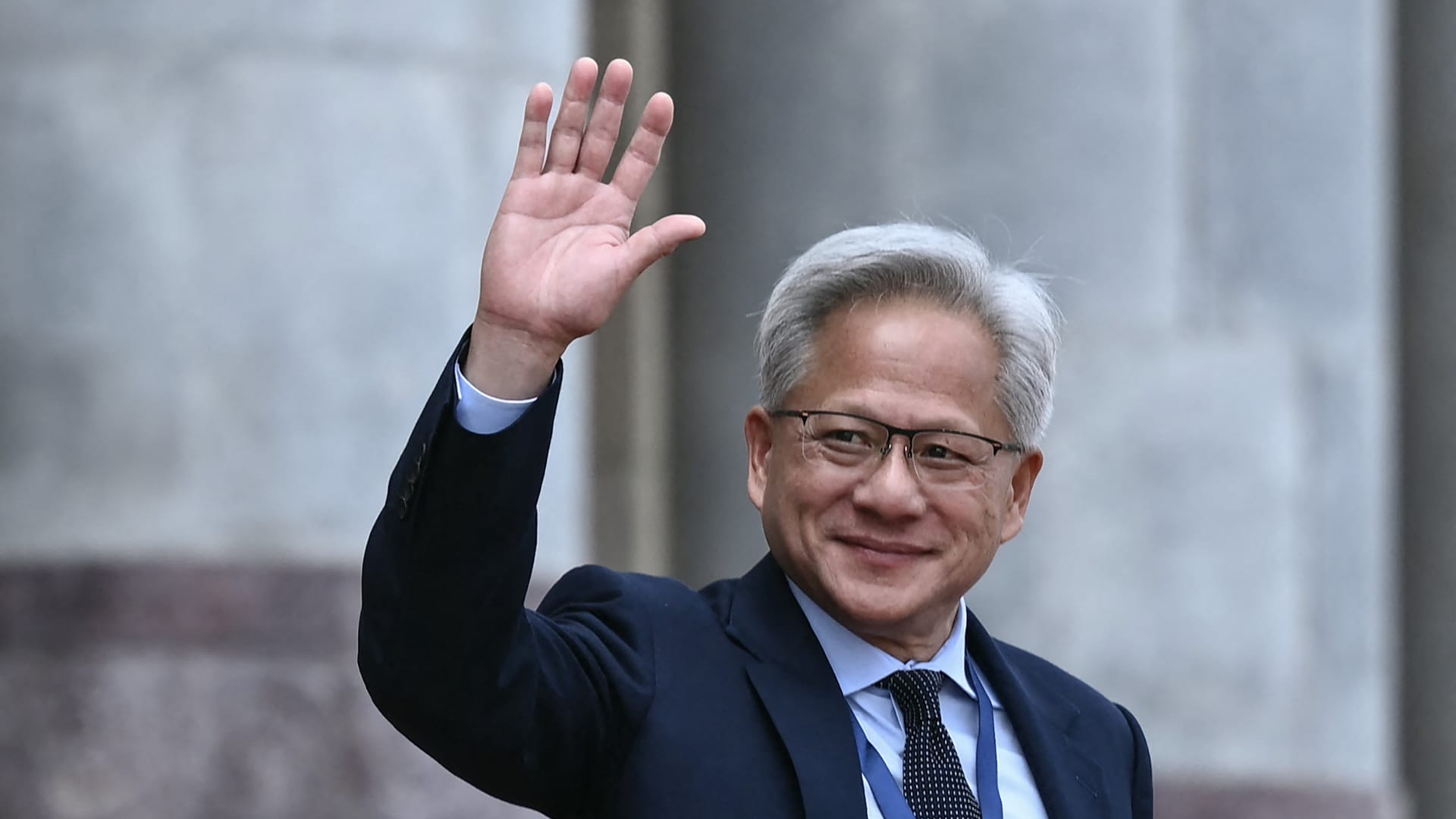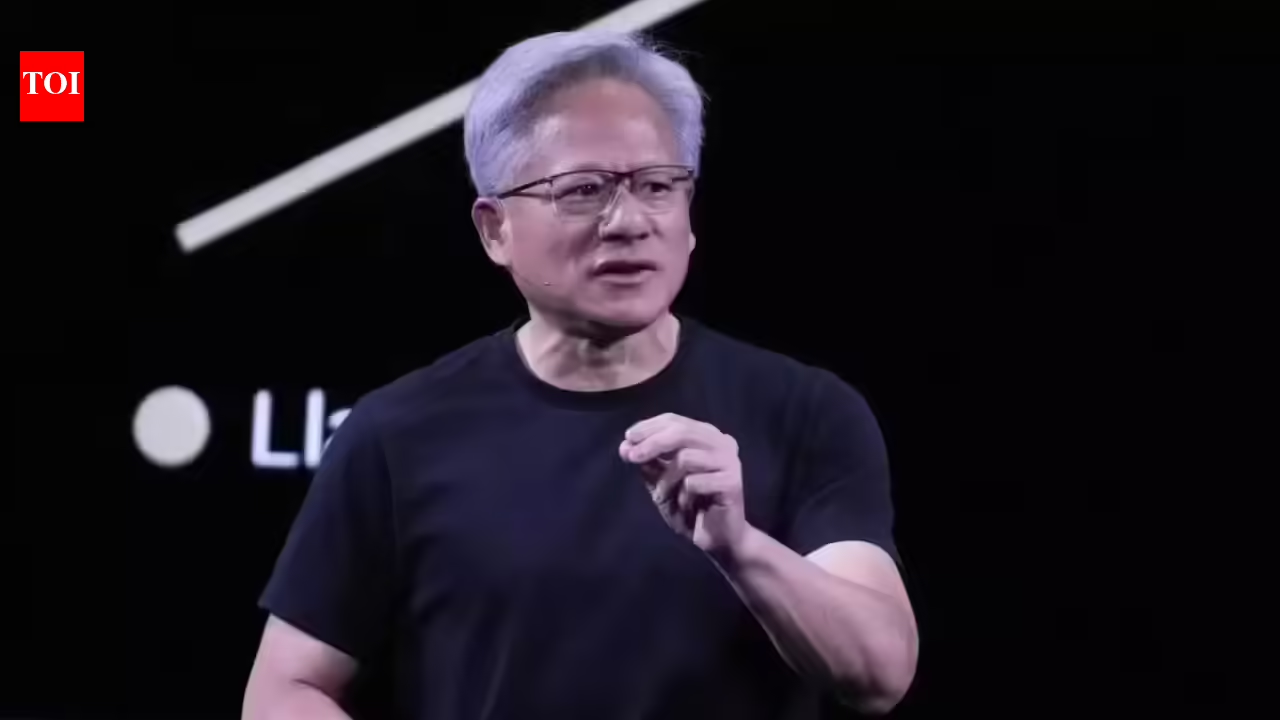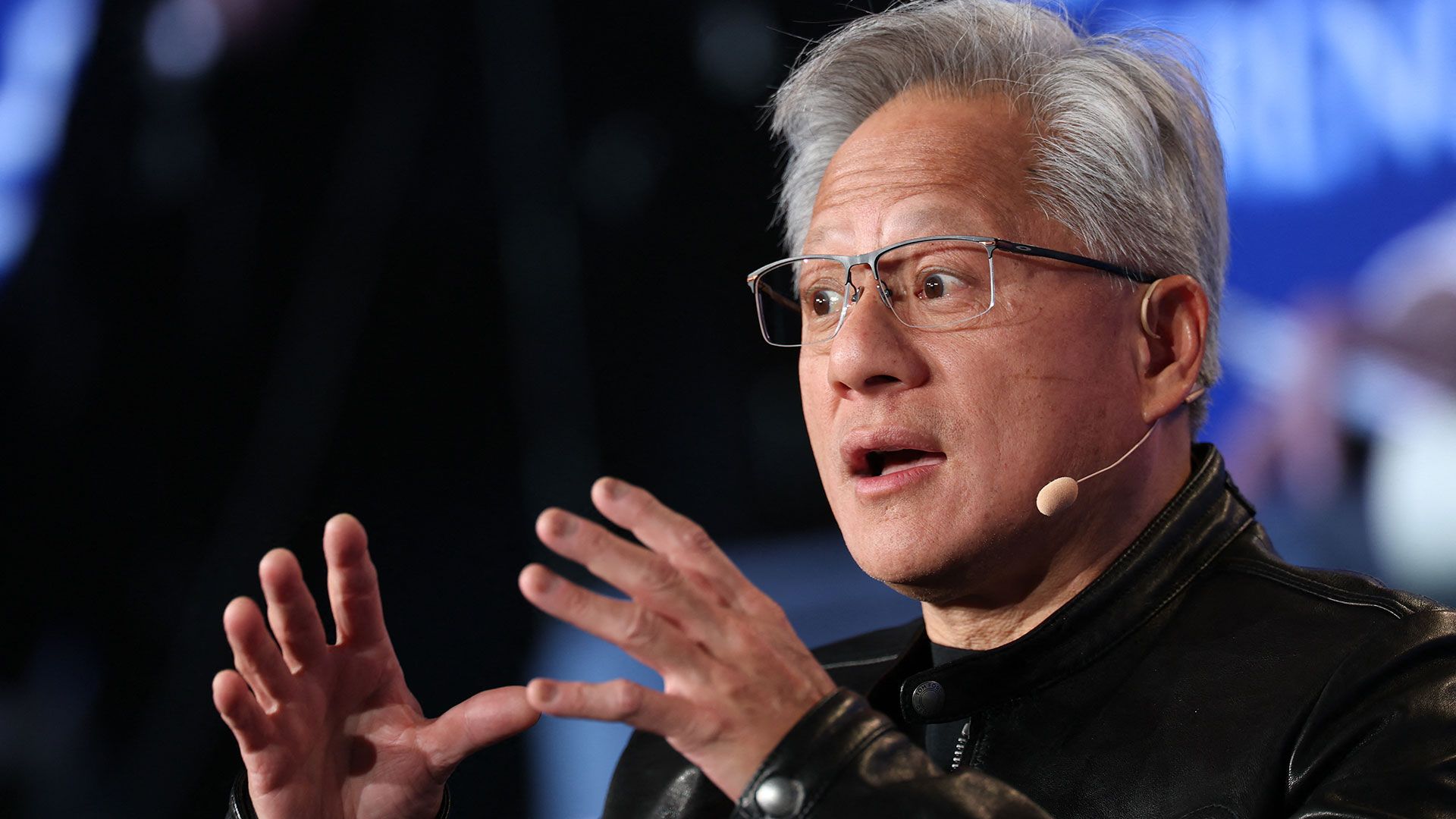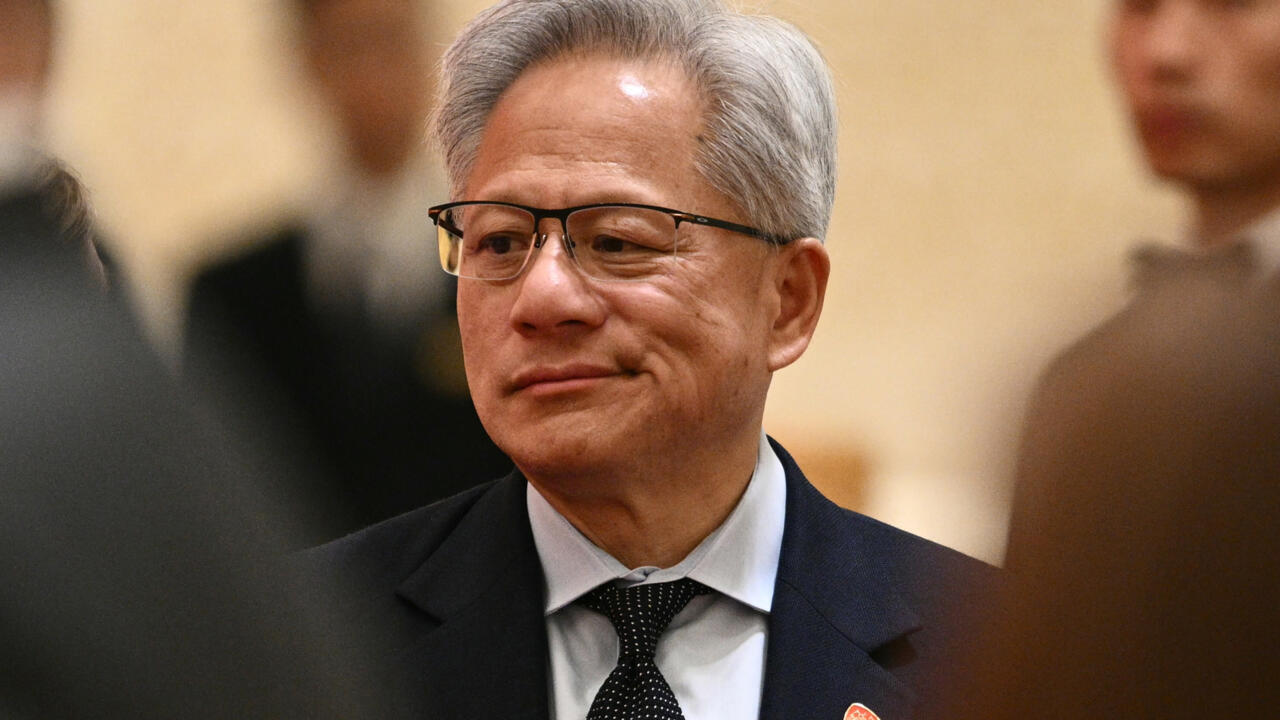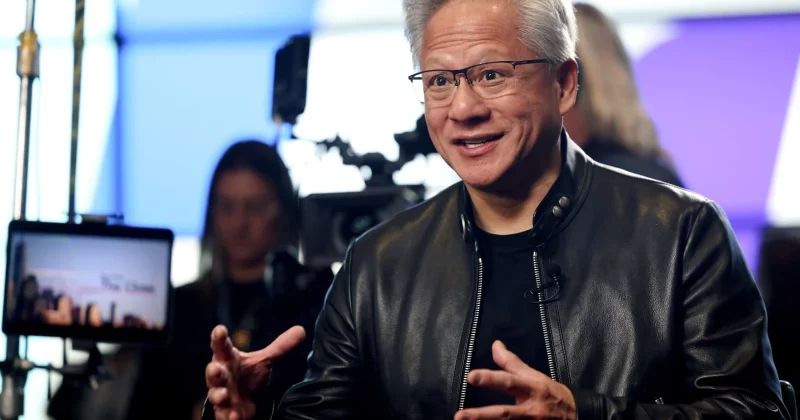
Jensen Huang said the quiet part out loud. In a CNBC interview on May 21, Nvidia’s CEO acknowledged that the company has “largely conceded” China’s advanced AI chip market to Huawei, the result of years of tightening US export controls that have slowly strangled Nvidia’s access to the world’s second-largest economy.
China once accounted for 20% of Nvidia’s data center revenue. That number has now cratered to the point where Huang described the company as “largely shut out” of the segment entirely. For a company that just posted $81.62 billion in revenue for Q1 2027, losing a fifth of its most lucrative business line is not trivial.
Huawei fills the vacuum
Huang was remarkably candid about the competitive reality. Huawei and other local firms are rapidly consolidating their grip on the Chinese AI infrastructure market, building out capabilities that would have been far harder to develop if Nvidia’s H100s and subsequent chips were still freely available for purchase in Shenzhen.
The restrictions trace back to 2022, when the US government began imposing increasingly stringent rules requiring licenses for sales of advanced chips to China. Each successive round of controls narrowed the window further, until Nvidia found itself designing progressively weaker China-specific chips that satisfied neither regulators nor customers.