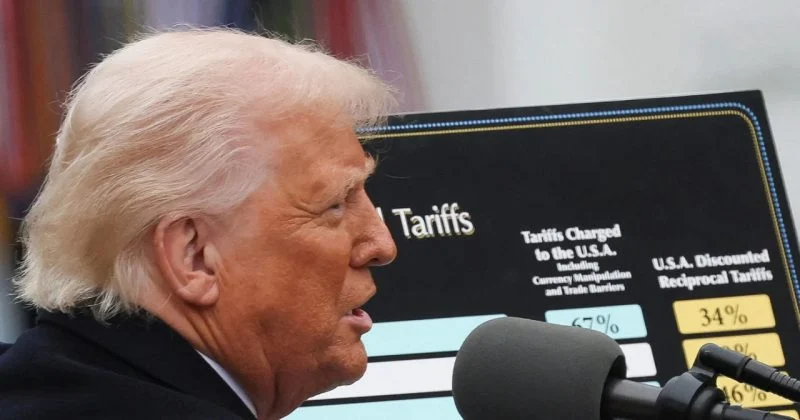
The Trump administration is building a new tariff machine. After the Supreme Court clipped its wings on emergency economic powers, the White House has pivoted to Section 301 of the Trade Act of 1974, launching sweeping investigations that could touch dozens of economies and reshape global supply chains, including those feeding the crypto industry.
On March 11, 2026, the US Trade Representative initiated two major Section 301 probes. One targets excess industrial capacity across 16 economies. The other examines forced labor practices spanning 60 economies. That brings the total number of active Section 301 investigations under this administration to four.
From emergency power to permanent infrastructure
Section 301 was designed as a scalpel. Congress created it in 1974 to let the executive branch respond to specific unfair trade practices by foreign governments.
The administration’s original tariff strategy leaned heavily on the International Emergency Economic Powers Act, or IEEPA. The Supreme Court ruled that IEEPA couldn’t serve as a blank check for tariff policy, effectively forcing the White House to find another legal foundation.