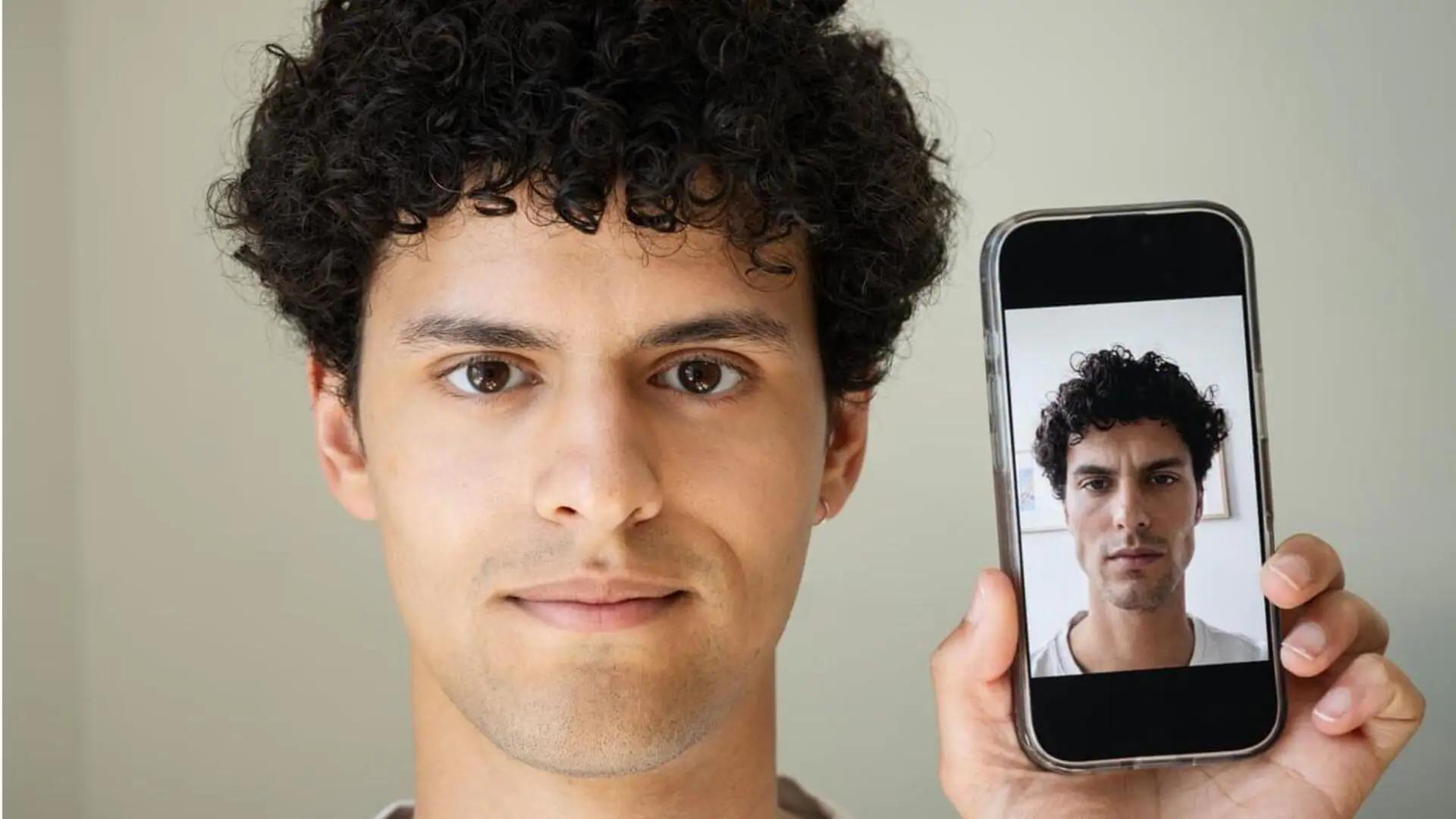
Researchers using artificial intelligence to plumb links between biological age and cancer outcomes have linked both looking younger than your chronological age and appearing to age slower during treatment to improved survival.
The work, which follows a pilot study published in May 2025, highlights how medical artificial intelligence and simple digital photographs of patients’ faces can be harnessed in a tool with the potential to improve screening and treatment outcomes.
Highlighted in two separate studies, the work explored the potential utility of the idea that one’s biological age can vary from one’s chronological age and that difference can be clinically meaningful. If confirmed by ongoing clinical studies, the tool could one day provide screening by simply uploading a digital photograph for analysis by an algorithm developed by researchers, dubbed FaceAge.
The tool could also guide physicians to counsel patients differently depending on their biological age. If, for example, a patient is relatively youthful biologically, a physician might suggest more aggressive treatment, while steering to a less rigorous course for someone of the same chronological age but biologically older and frailer.