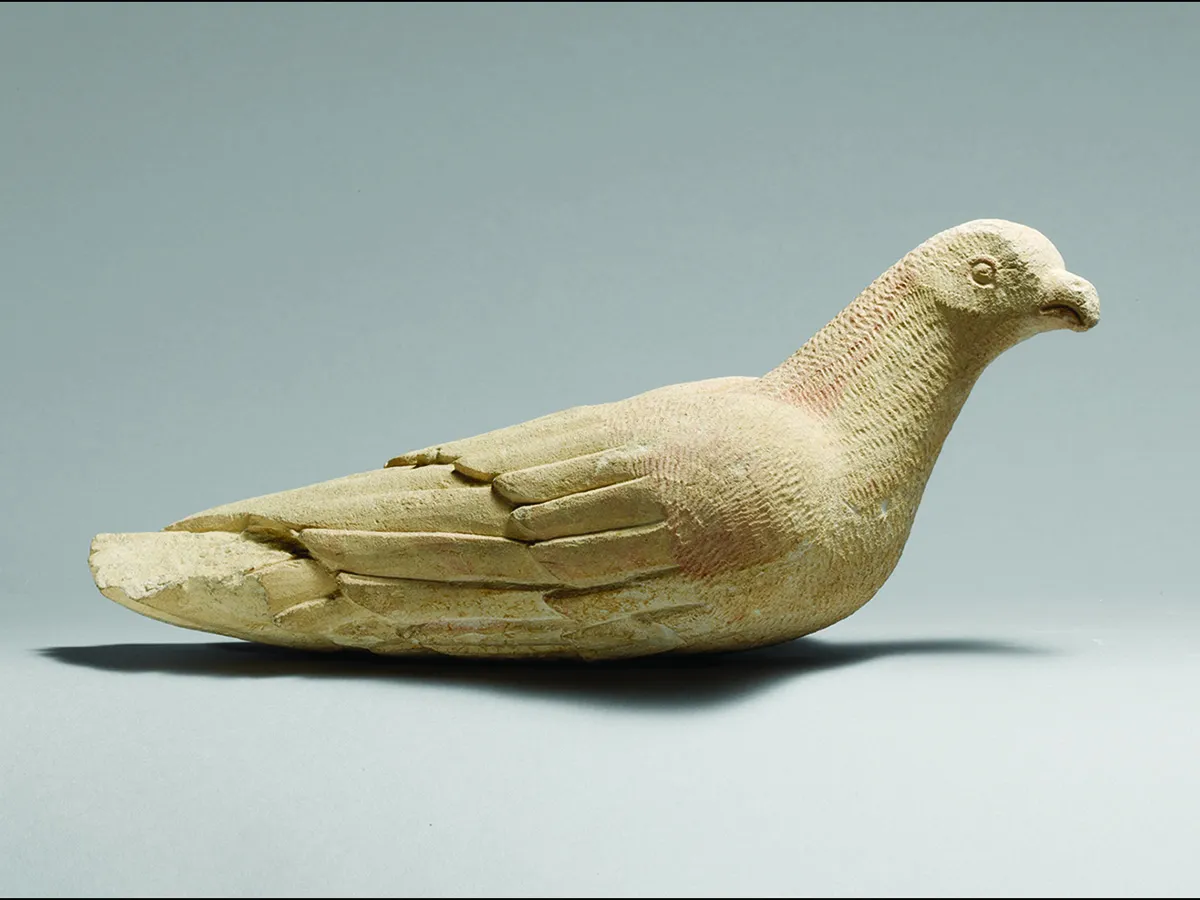
Skip to Content Subscribe Our Offers My Account Manage My Subscriptions FAQ Newsletters Canada Canadian True Crime Canadian Politics Health World Israel & Middle East Financial Post NP Comment Longreads Puzzmo Diversions Comics NP News Quiz New York Times Crossword Horoscopes Life Eating & Drinking Style Sponsored Play for Ontario Travel Travel Canada Travel USA Travel International Cruises Travel Essentials Culture Books Celebrity Movies Music Theatre Television Business Essentials Advice Lives Told Tails Told Shopping Buy Canadian Home Living Outdoor Living Tech Style & Beauty Kitchen & Dining Personal Care Entertainment & Hobbies Gift Guide Travel Guide Deals Savings National Post Store More Sports Hockey Baseball Basketball Football Soccer Golf Tennis Driving Vehicle Research Reviews News Gear Guide Obituaries Place an Obituary Place an In Memoriam Classifieds Place an Ad Celebrations Working Business Ads Archives Healthing Epaper Manage Print Subscription Profile Settings My Subscriptions Saved Articles My Offers Newsletters Customer Service FAQ Newsletters Canada World Financial Post NP Comment Longreads Puzzmo Diversions Life Shopping Epaper Manage Print Subscription HomeNewsCanadaSciencePests or pets? Pigeons have been eating human food for millenniaPigeon bones found in Cyprus push back the earliest evidence of pigeon domestication by almost a full millennium, to 1400 BCLast updated 2 days ago You can save this article by registering for free here. Or sign-in if you have an account.A small limestone pigeon sculpture from Cyprus dating to 600–480 BC from The Cesnola Collection of Cypriot Art at the New York Metropolitan Museum of Art. Photo by Cambridge University PressAre pigeons domesticated? Or are they wild?Enjoy the latest local, national and international news.Exclusive articles by Conrad Black, Barbara Kay and others. Plus, special edition NP Platformed and First Reading newsletters and virtual events.Unlimited online access to National Post.National Post ePaper, an electronic replica of the print edition to view on any device, share and comment on.Daily puzzles including the New York Times Crossword.Support local journalism.Enjoy the latest local, national and international news.Exclusive articles by Conrad Black, Barbara Kay and others. Plus, special edition NP Platformed and First Reading newsletters and virtual events.Unlimited online access to National Post.National Post ePaper, an electronic replica of the print edition to view on any device, share and comment on.Daily puzzles including the New York Times Crossword.Support local journalism.Create an account or sign in to continue with your reading experience.Access articles from across Canada with one account.Share your thoughts and join the conversation in the comments.Enjoy additional articles per month.Get email updates from your favourite authors.Create an account or sign in to continue with your reading experience.Access articles from across Canada with one accountShare your thoughts and join the conversation in the commentsEnjoy additional articles per monthGet email updates from your favourite authorsSign In or Create an AccountorThey are not pets, though they are sometimes treated that way, fed crumbs and spoken to, trained to expect kindness.Pigeons do not live on the periphery of cities like seagulls or geese. They are right in it, sometimes literally indoors, and they never leave. They are urban wildlife but they are not wild. They do not migrate. They eat what they can find in a city. A city pigeon has no more business in the actual wilderness than a Yorkshire terrier. But in the city, even among cars and other hostilities, pigeons are unflappable. You can shoo them, but only just. They are at home.So they are domesticated, but in a unique way for a bird. Get a dash of perspective along with the trending news of the day in a very readable format.By signing up you consent to receive the above newsletter from Postmedia Network Inc.A welcome email is on its way. If you don't see it, please check your junk folder.The next issue of NP Posted will soon be in your inbox.We encountered an issue signing you up. Please try againA new research paper traces the earliest prehistorical origins of humanity’s relationship with the so-called winged rat. It turns out this close and constant relationship is much older than previously thought. Stable isotope analysis of pigeon bones found at the Hala Sultan Tekke archeological site in Cyprus pushes back the earliest evidence of pigeon domestication by almost a full millennium, to 1400 BC.By analyzing more than 183 bones from the genus Columbidae, 159 of which were identified as Columba livia, the scientific name for pigeons, researchers from the U.S. and the Netherlands showed that the levels of certain stable isotopes in their diet overlap “almost exactly” with the same measurements for contemporary humans. That means the pigeons were eating the same food as the people. Moreover, they did not eat what wild birds might be expected to eat. The researchers conclude these pigeons of prehistoric Cyprus ate “a limited and consistent diet on par with the patterns seen in managed species.”So, not quite fully domesticated, but eating human food as they live alongside humans, so not wild. This is the modern pigeon.Today, pigeons are often a nuisance, and treated like pests. In Halifax, someone seems to be poisoning pigeons with laced corn. In Toronto, a pigeon contraception program using drugs delivered in feed stations to render birds temporarily infertile recently failed to bring down the pigeon population. In Brantford, Ont., local authorities had to explain to homeowners that a local racing pigeon club was not to blame for bird droppings in backyards, because pigeons don’t defecate while flying.But in ancient Cyprus, the blossoming relationship between pigeons and people seemed to be a little smoother.The results of the isotope analysis “suggest that these birds may have been semi-domesticated and may have held a symbolic/ritualistic role that challenges their common perception as mere urban dwellers,” reads the paper, published Thursday in the peer-reviewed British journal Antiquity.These pigeons “likely lived in sustained close contact with humans, where they were managed and probably bred on site and consumed during ritual feasting.”Now the site of an important Muslim mosque and mausoleum, Hala Sultan Tekke was occupied in the Late Bronze Age, the period of great material advancement in the eastern Mediterranean, just before the Bronze Age collapse in the 12th century BC, when societies from Mycenaean Greece to the Hittite Empire in what is now Turkey abruptly disintegrated.“We knew that pigeons must have become domesticated somewhere in the Middle East or Eastern Mediterranean, based mostly on the written record from Egypt, but we had no idea when or how,” said study lead author Anderson Carter of the University of Groningen in a statement.These pigeon bones discovered on Cyprus date to between 1650 and 1150 BC. It is only about a thousand years later that archeologists find the earliest “columbaria,” or dovecotes, built out of stone to house fully domesticated pigeons. It is not clear whether the Cyprus pigeons were fully domesticated or just well on their way. But there are clues to how they were being used. At the Hala Sultan Tekke site, pigeon bones were often found to be burned and buried together with other animal bones in ritual settings, both mammals and fish, suggesting they were eaten as part of large ceremonial feasts.Contextual clues suggest this was as part of a wider symbolic tradition associated with fertility goddesses, precursors of what would later become the classical Greek cult of Aphrodite. As the study notes, “There are no visible cut or chop marks, but, for birds of this moderate size, butchery is not necessary for consumption.”“One of the most exciting aspects was seeing people’s reactions to the research,” Anderson said. “People that previously ignored pigeons on the street suddenly realizing that this bird actually has a very interesting history. That’s the goal ultimately, to change how we interact with and think about this bird, and other animal species, and start realising that their story is also our story.” Join the Conversation This website uses cookies to personalize your content (including ads), and allows us to analyze our traffic. Read more about cookies here. By continuing to use our site, you agree to our Terms of Use and Privacy Policy.
Pests or pets? Pigeons have been eating human food for millennia
Pigeon bones found in Cyprus push back the earliest evidence of pigeon domestication by almost a full millennium, to 1400 BC.
1,329 words~6 min read