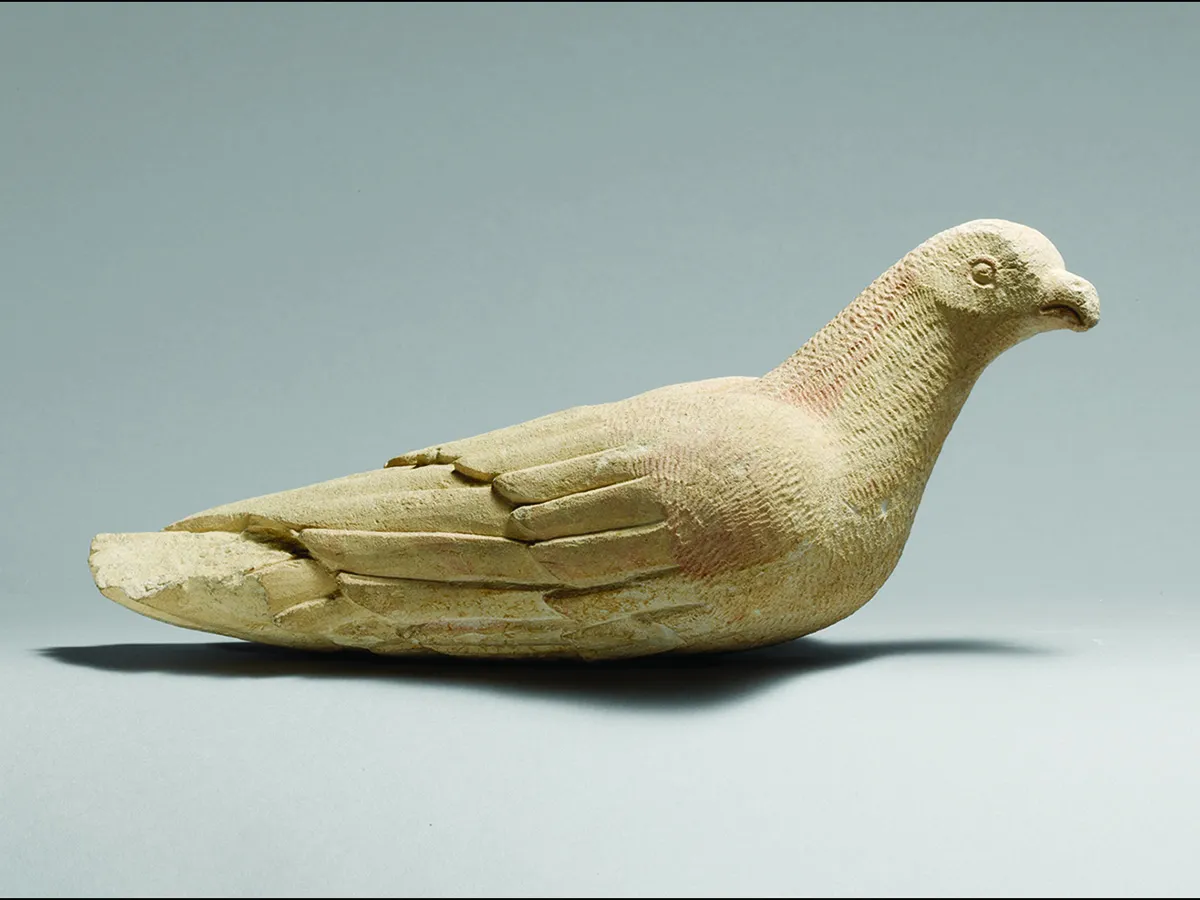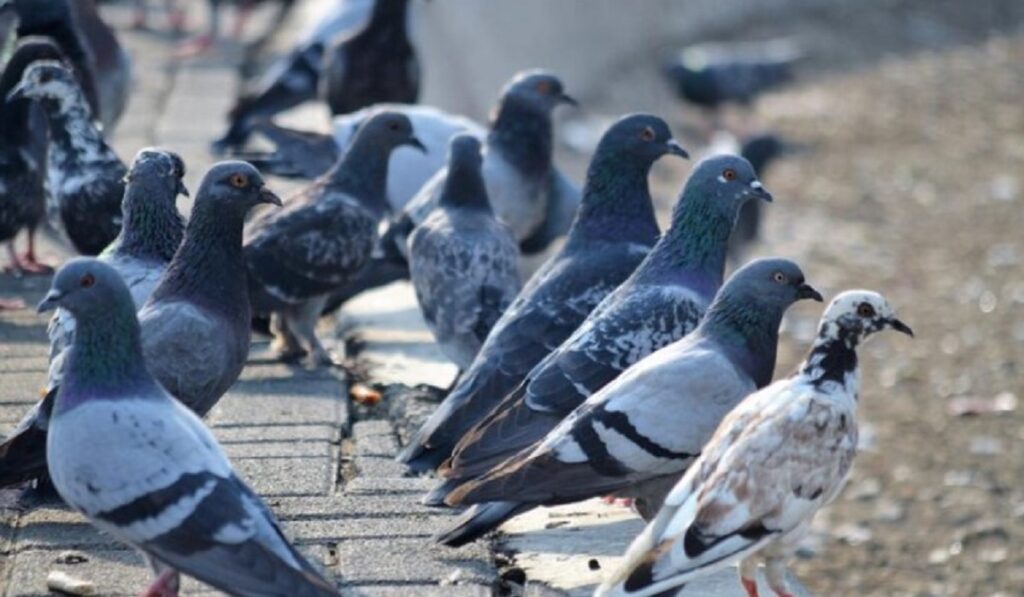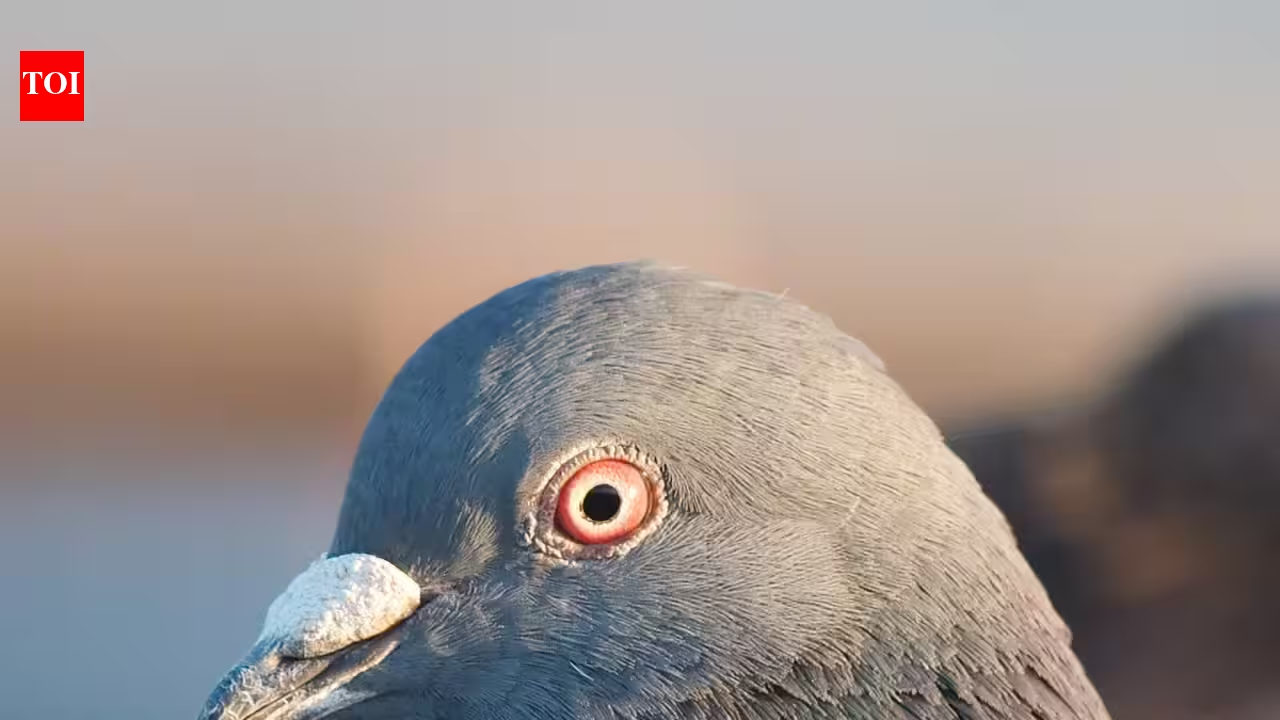
Now, research published on Thursday has revealed that the humble birds were first domesticated 3,500 years ago, meaning they have been enmeshed in our lives for nearly a millennium longer than previously thought."Humans forgetting about pigeons happened relatively recently in human history," Anderson Carter, a bioarchaeologist at the University of Groningen in the Netherlands, told AFP.Pigeons were still a useful part of society as recently as the 19th and 20th centuries, explained the lead author of a new study in the journal Antiquity."They were still being used to carry messages and even had an important role in wars in particular," she added."But then a lot of technological advancements happened, the telegraph was invented and then the telephone, and pigeons were out of a job".
Friend or pest? Humans domesticated pigeons to live alongside us, but now consider them filthy nuisances © Mahmoud ZAYYAT / AFP/File
However, because we had spent thousands of years conditioning them to live alongside us, the birds stayed nearby.It was only when huge cities emerged after the industrial revolution that "there was a rising view that they were pests, dirty and spreading diseases," Carter said.Now, "anti-pigeon architecture such as spikes on top of buildings" are a common sight, she added.Free birdThe common pigeon -- or rock dove -- originally came from the Mediterranean region. Genomic analysis has shown that today's city-dwellers are closely related to wild doves from the Middle East.For the new research, a Dutch-led team of scientists went to the Hala Sultan Tekke archaeological site on the shores of the Larnaca salt lake in southeast Cyprus.They analysed 159 ancient pigeon bones to find out how they lived and died -- and look for signs of human intervention, such as cuts.