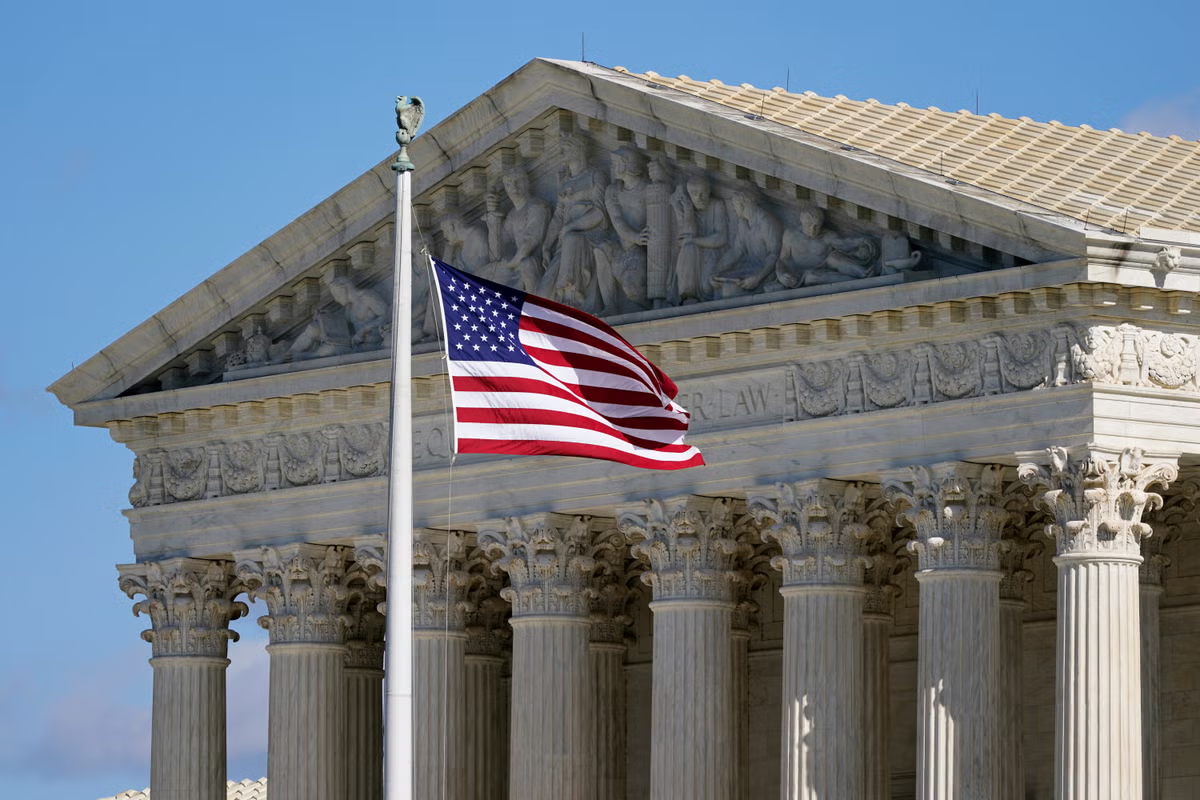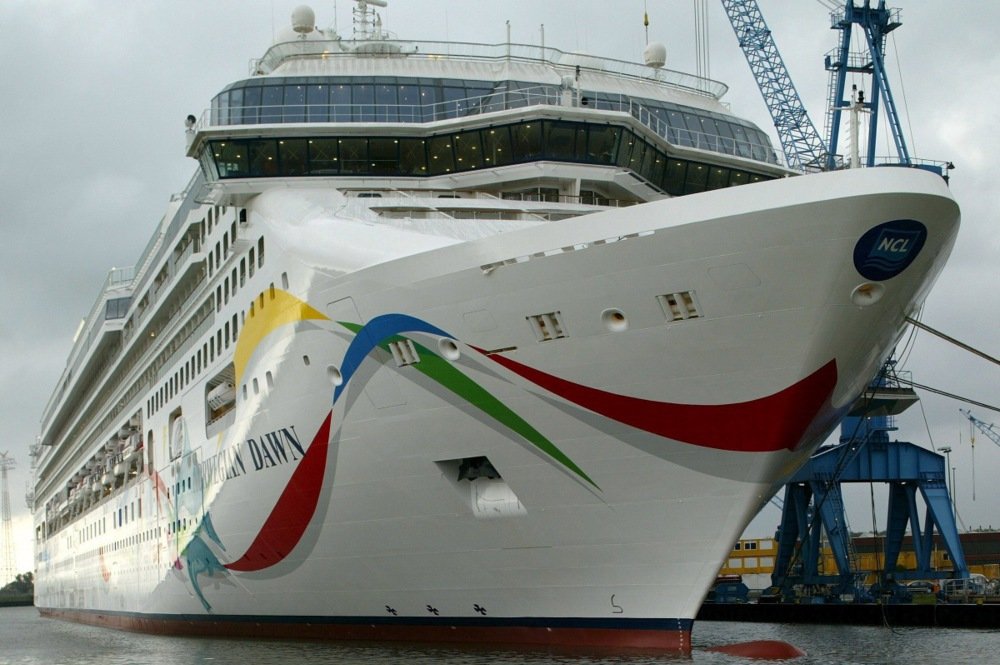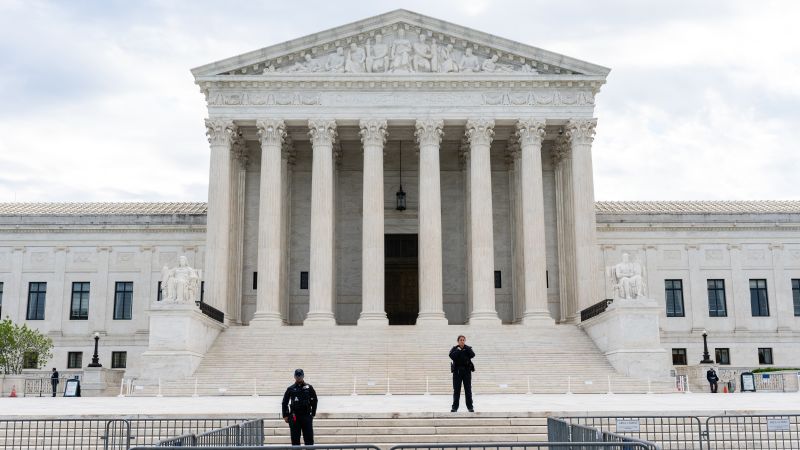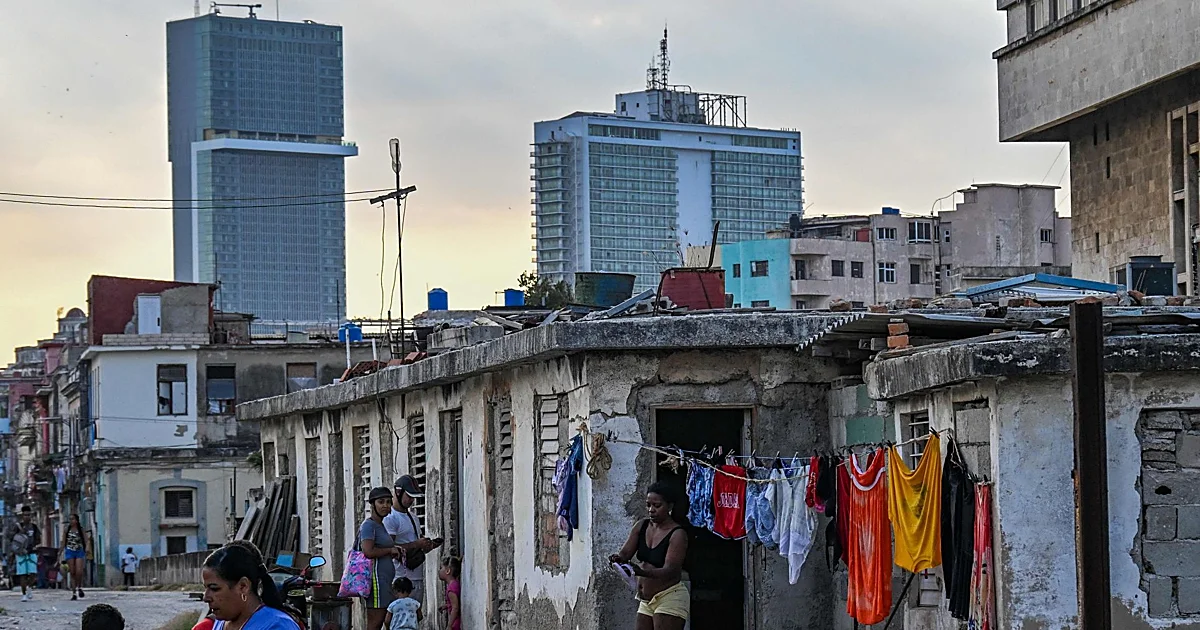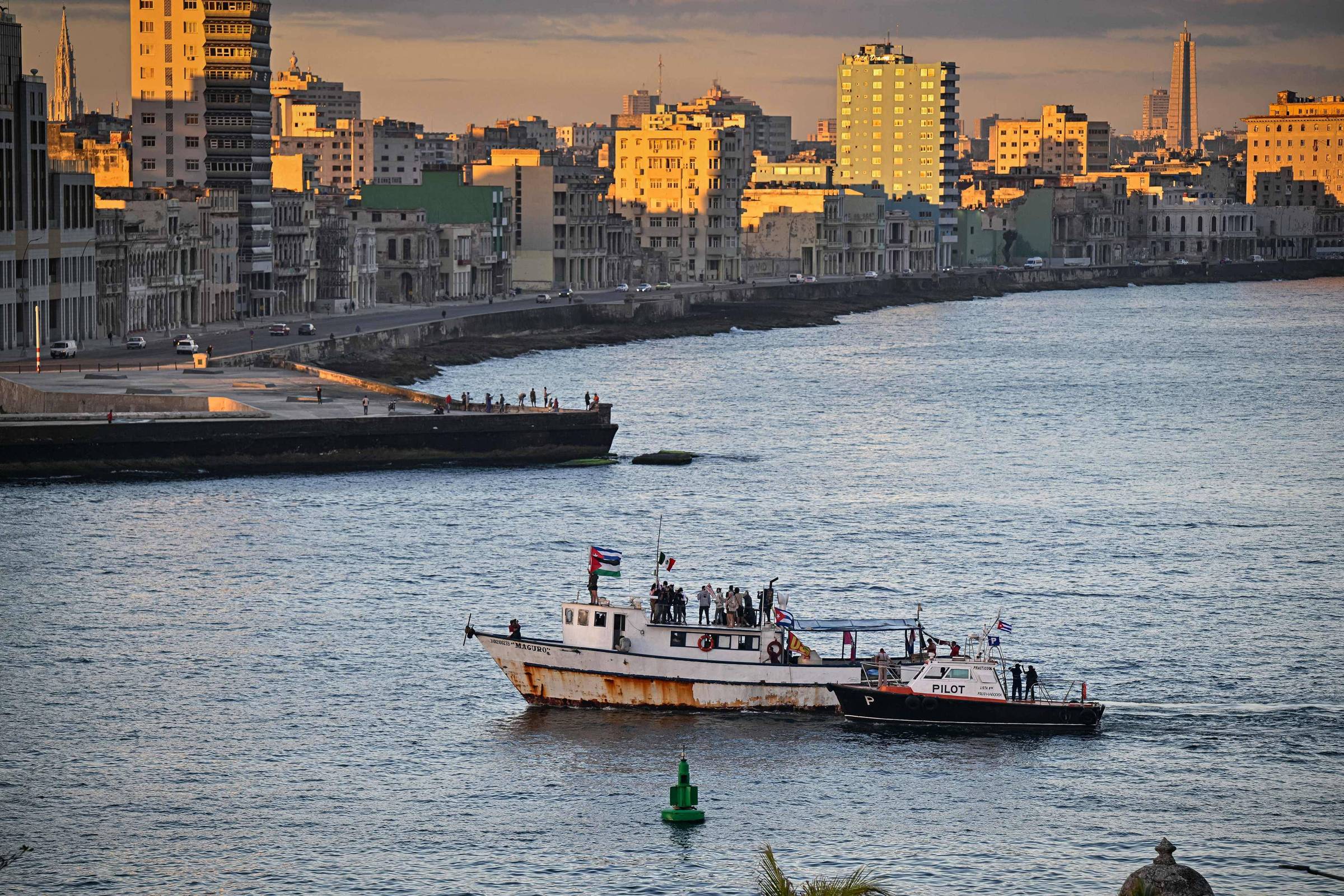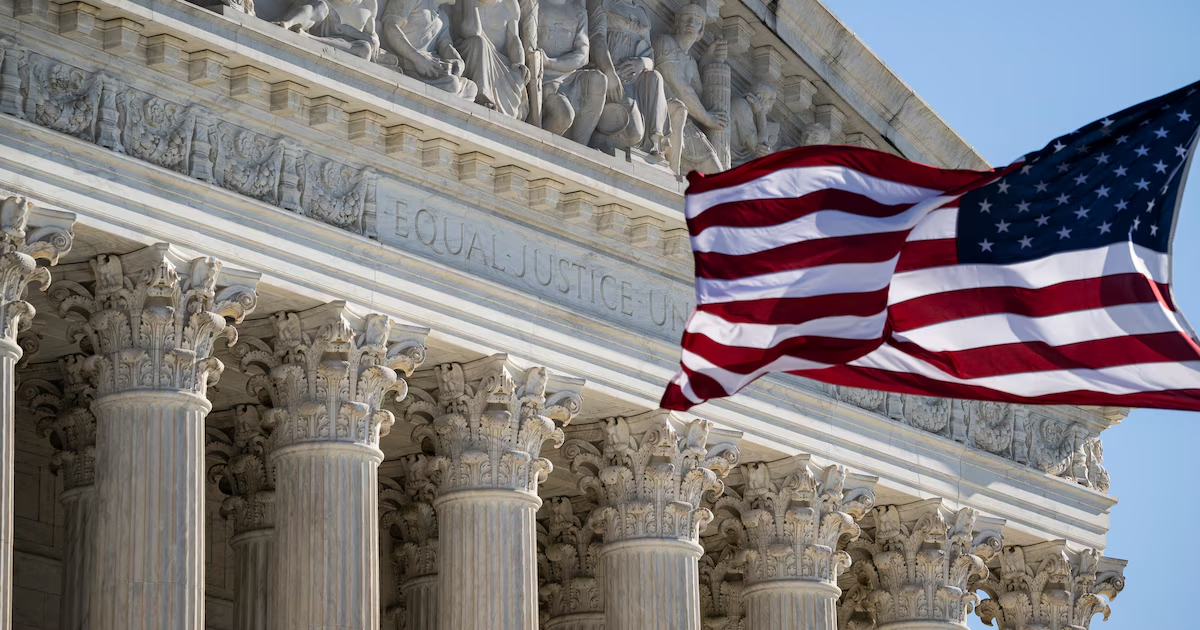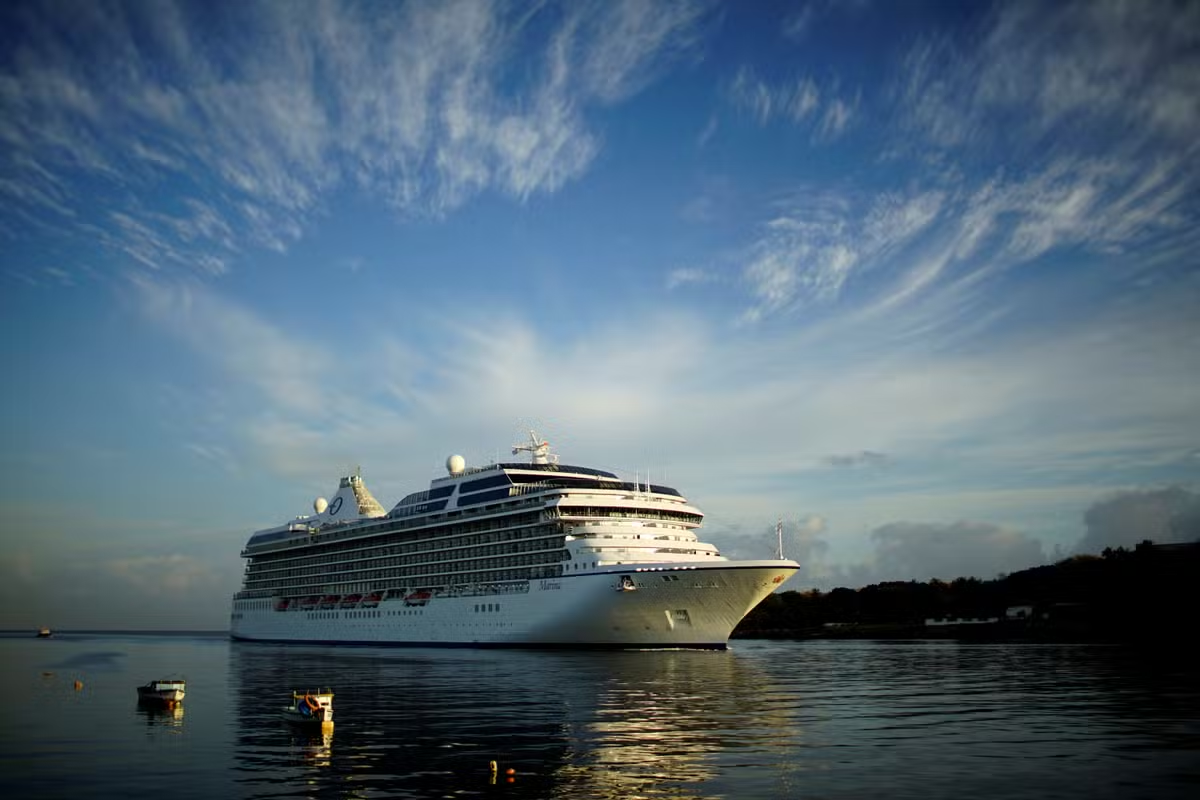
Cruise lines that operated at Cuban docks taken from a U.S.-owned port company when Fidel Castro nationalized private property in 1960 can be held financially liable, the Supreme Court ruled, according to The New York Times.
The 8-to-1 decision backed Havana Docks Corporation, which had sued major cruise lines over their use of the confiscated property. Before the justices, the Trump administration argued on the company's behalf, characterizing the legal avenue — which Congress created in the 1990s — as a lever for steering foreign capital away from Cuba, according to The Times.
Writing for the majority, Justice Clarence Thomas concluded that liability attaches to any party that makes use of property "tainted by a past confiscation," and that the company met its burden simply by establishing the cruise lines had operated on the disputed docks. In dissent, Justice Elena Kagan wrote that ownership of the docks had remained with the Cuban government the entire time, and that Havana Docks' claim to the property had run out well before any cruise ship ever docked there.
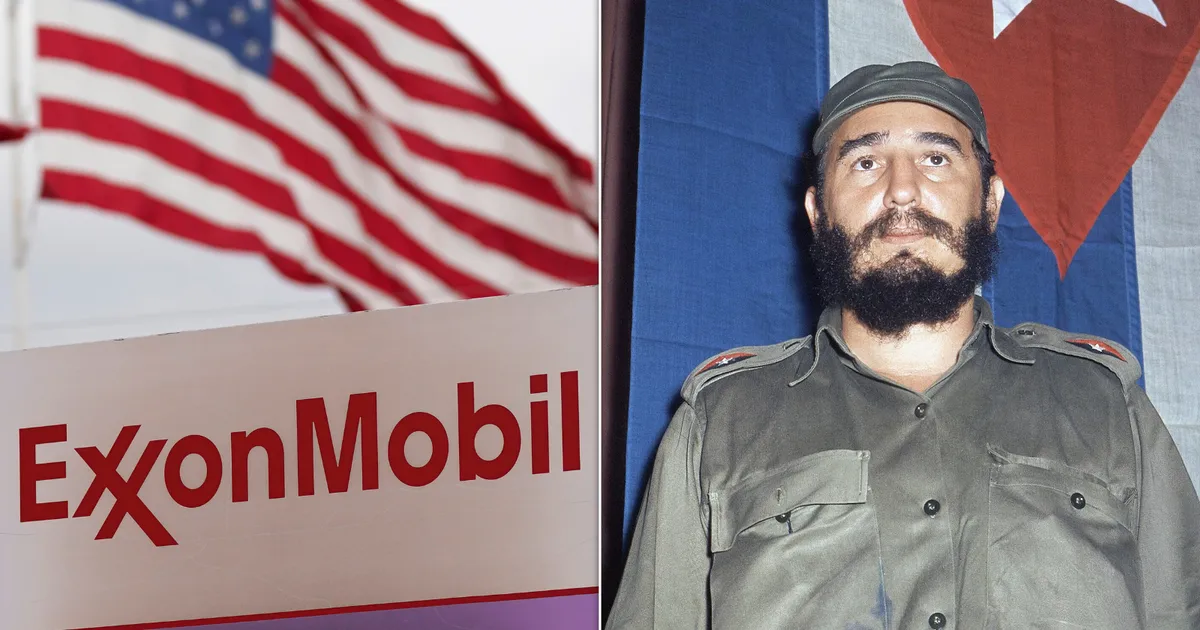
A parallel lawsuit brought by Exxon Mobil seeking redress for oil and gas holdings taken from the company on the island is still awaiting a decision from the court, according to The Times.