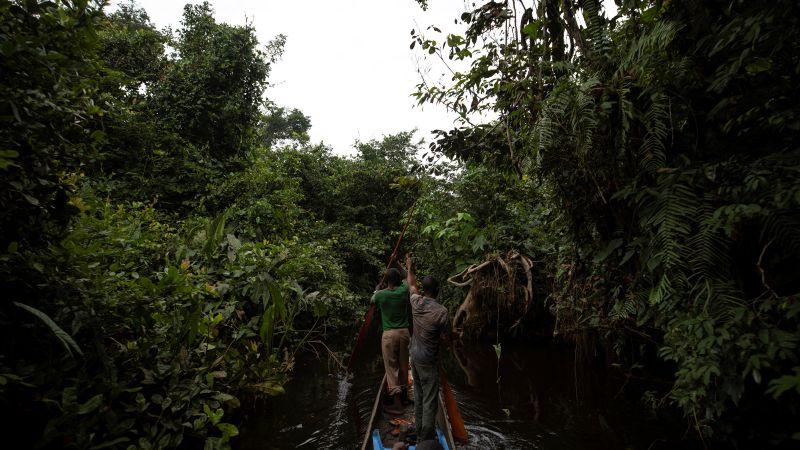
The virus takes its name from the Ebola River, near the site of one of the first recorded outbreaks in what is now the DRC, in 1976.
Ebola has struck again, claiming lives in remote areas of the Democratic Republic of the Congo (DRC). Given the proximity of the epicentre to Uganda and the wider Great Lakes region, the outbreak has raised serious concern about regional spread. That is why the World Health Organisation (WHO) moved quickly to issue an international alert.
According to WHO, there are six known species within the ebolavirus group. The virus takes its name from the Ebola River, near the site of one of the first recorded outbreaks in what is now the DRC, in 1976. Four of these six species are known to cause disease in humans and the major African outbreaks have been linked mainly to Zaire, Sudan and Bundibugyo ebolaviruses. Such outbreaks become especially dangerous when the index case is missed or when diagnosis is delayed.
The current outbreak has been identified as Bundibugyo ebolavirus. Unlike Zaire ebolavirus, for which approved vaccines exist, Bundibugyo still has no licensed vaccine or specific approved treatment. Reports also suggest that early field tests did not immediately identify the strain, contributing to delays in confirmation.