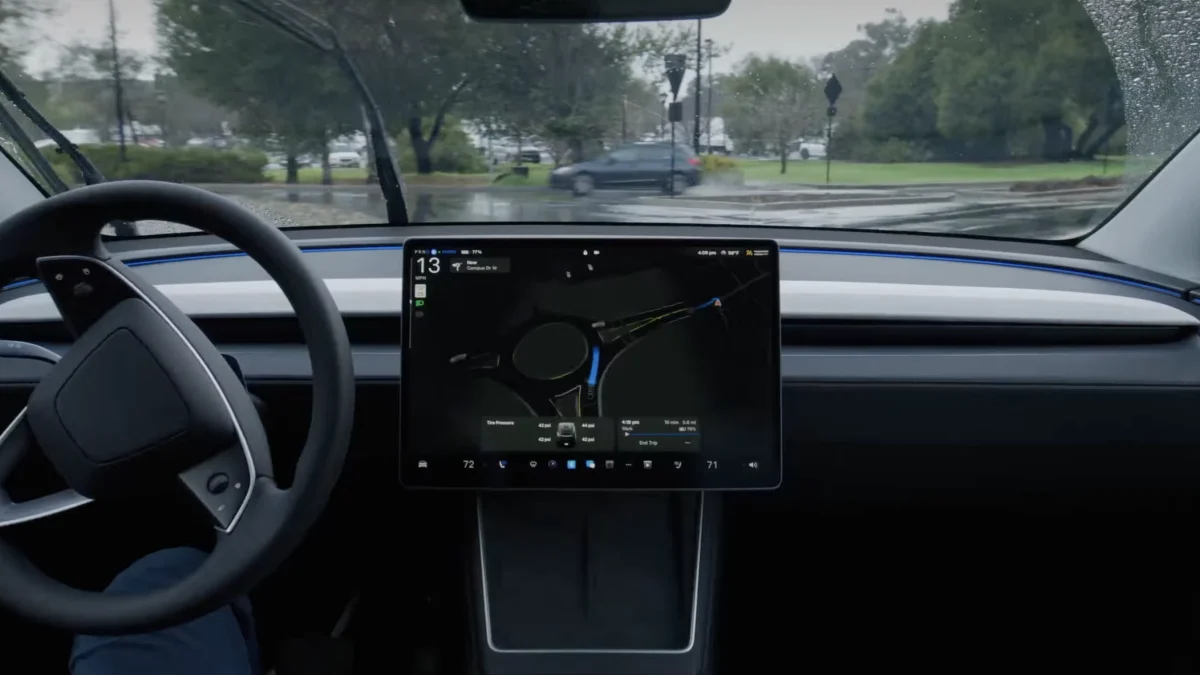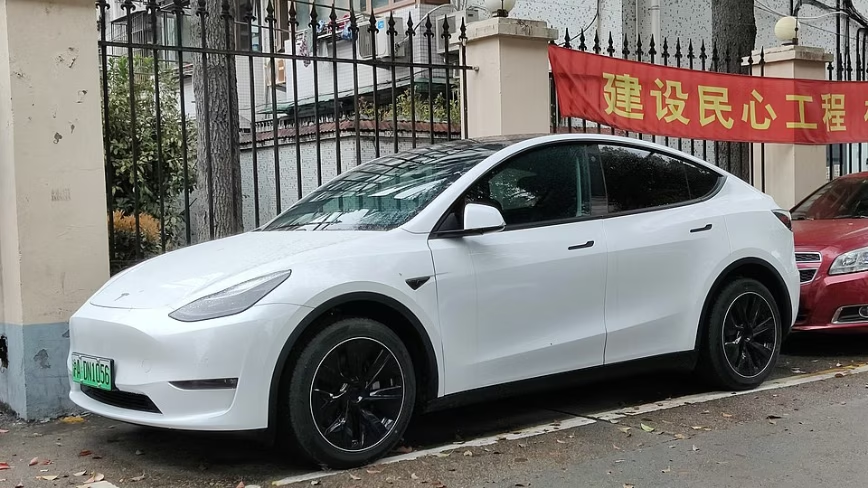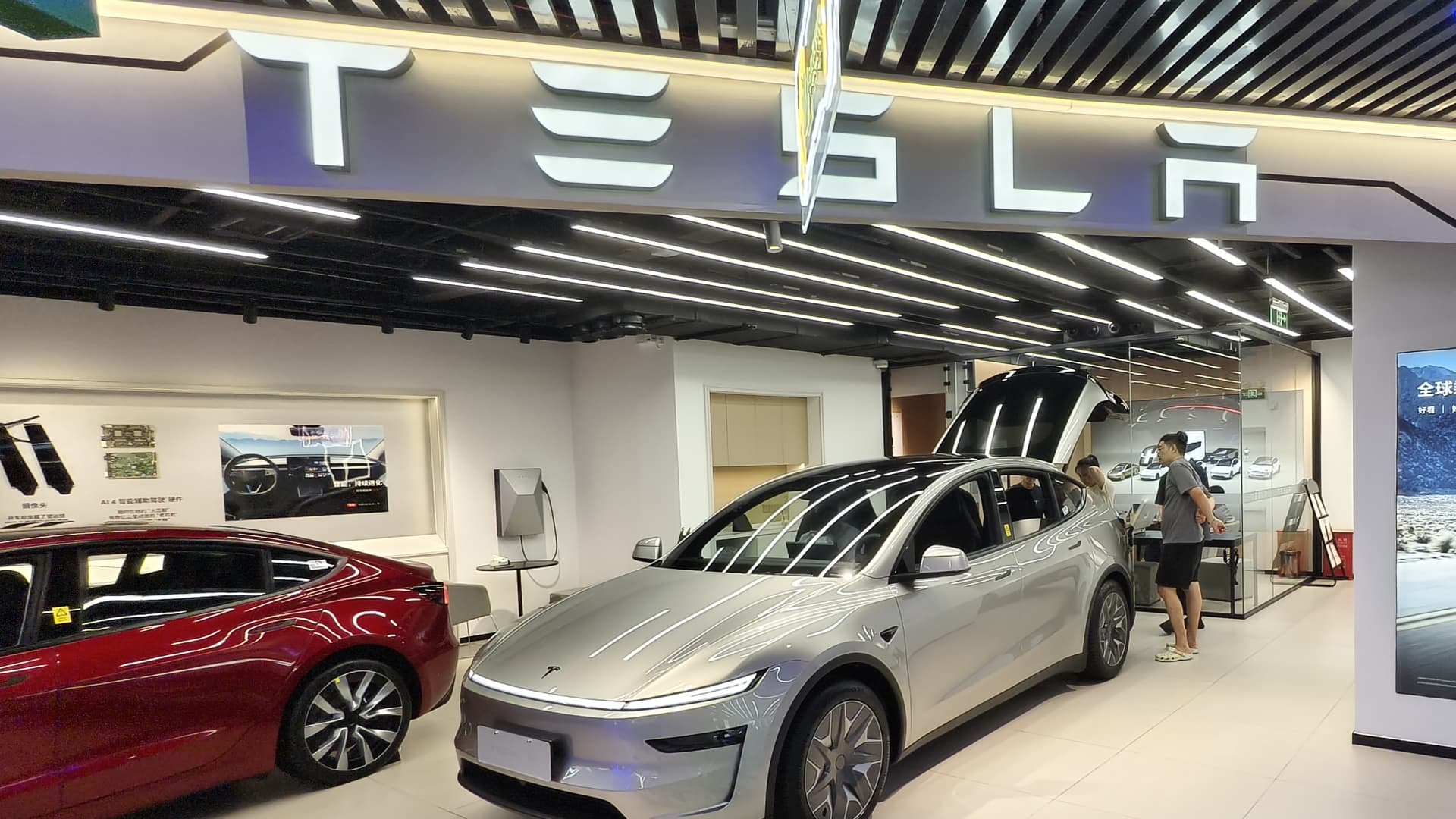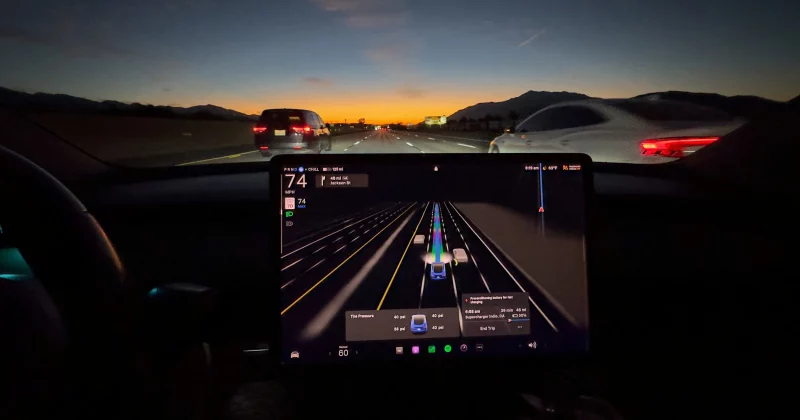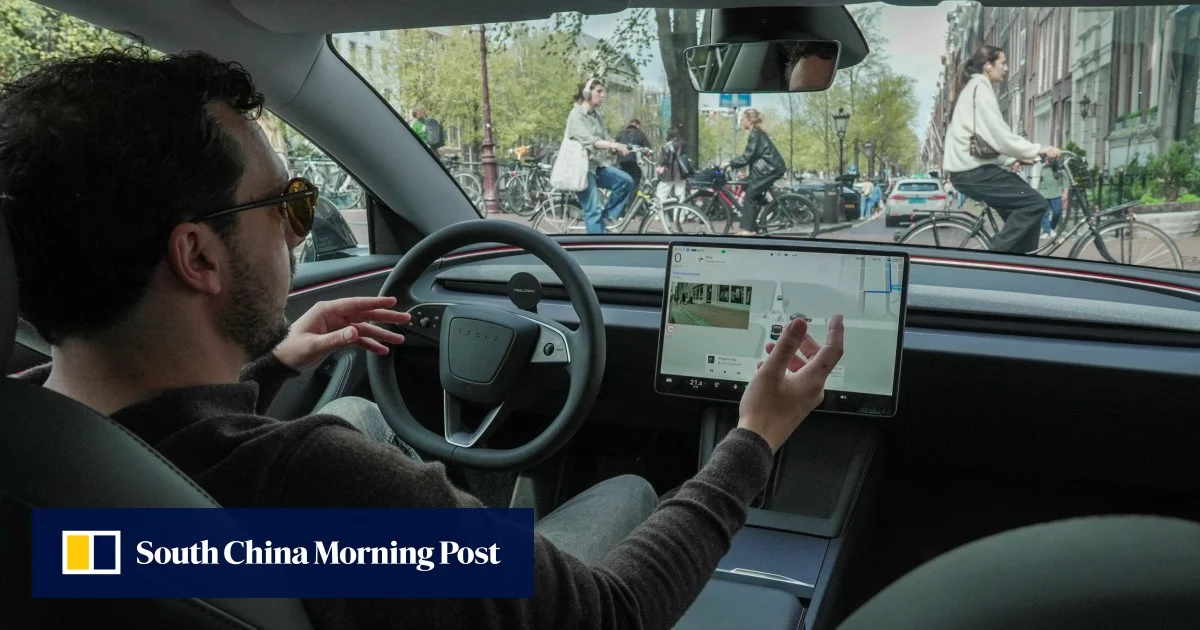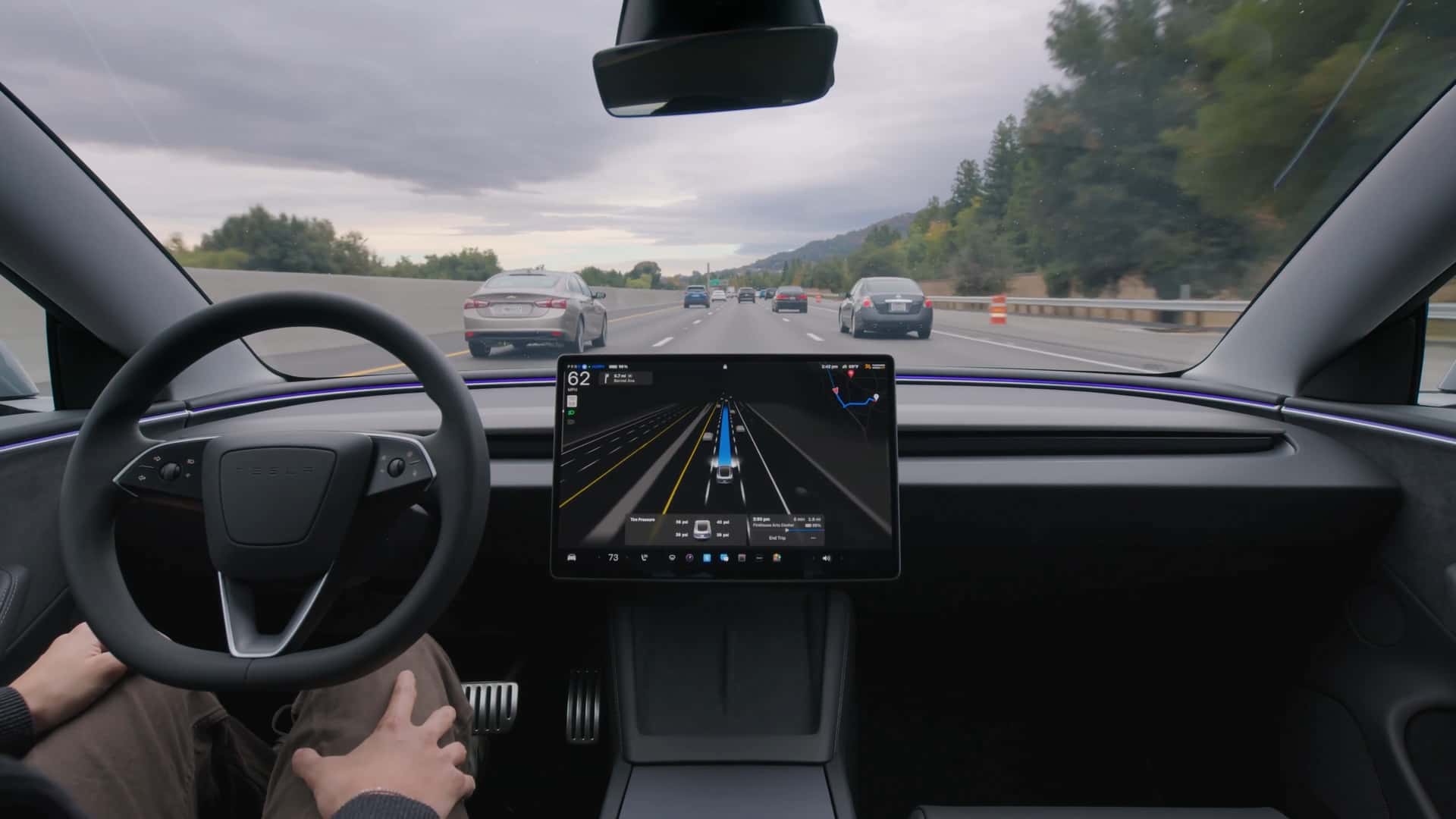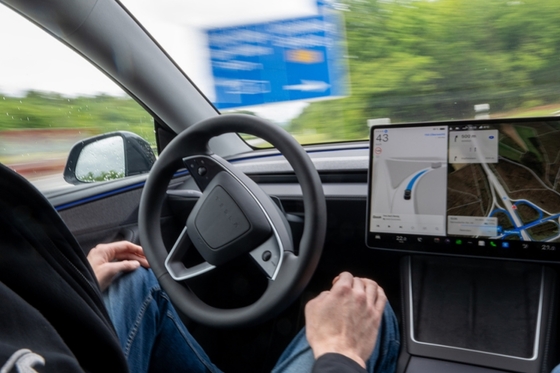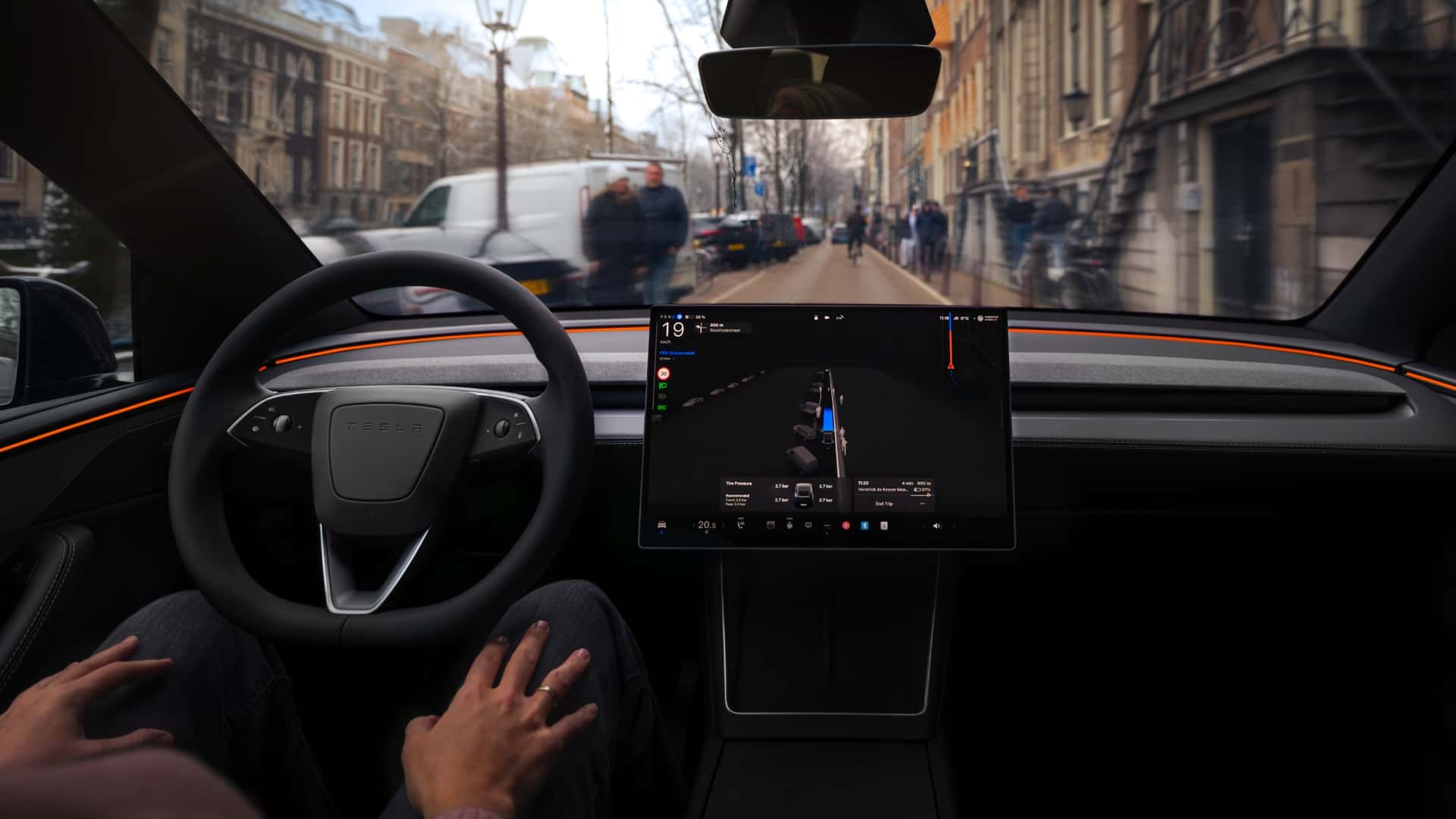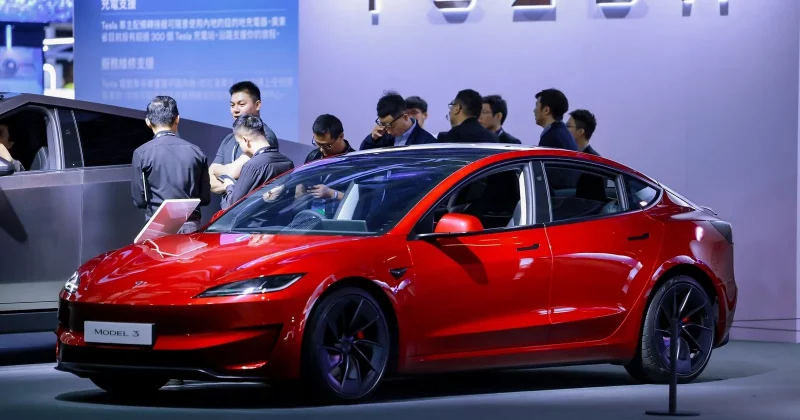
Tesla has officially rolled out its supervised Full Self-Driving package for the Model 3 in China, pricing the one-time purchase at around $9,400. It’s the company’s biggest software play in its second-largest market, and it arrives at a moment when Chinese competitors have been sharpening their own autonomous driving tech at a blistering pace.
There’s a catch, though. You won’t find the words “Full Self-Driving” anywhere on the Chinese version. Local regulations require Tesla to brand the system as “Navigation on Autopilot” or “Intelligent Assisted Driving,” a naming convention that more accurately reflects what the technology actually does. It’s still a Level 2 advanced driver-assistance system, meaning the driver has to stay alert and keep their hands ready at all times.
Same software, different branding
The underlying software is essentially identical to what Tesla sells in the US. The neural-net-powered vision system, the lane changes, the intersection navigation, the ability to handle complex urban driving scenarios: all of it ships to Chinese Model 3 owners in the same package American drivers have been testing for years.
The regulatory framing is the key difference. China’s approach to autonomous driving classification is stricter in its labeling requirements, which is why Tesla can’t market the feature under its American name. In English: the car does the same things, but the marketing team had to get creative.