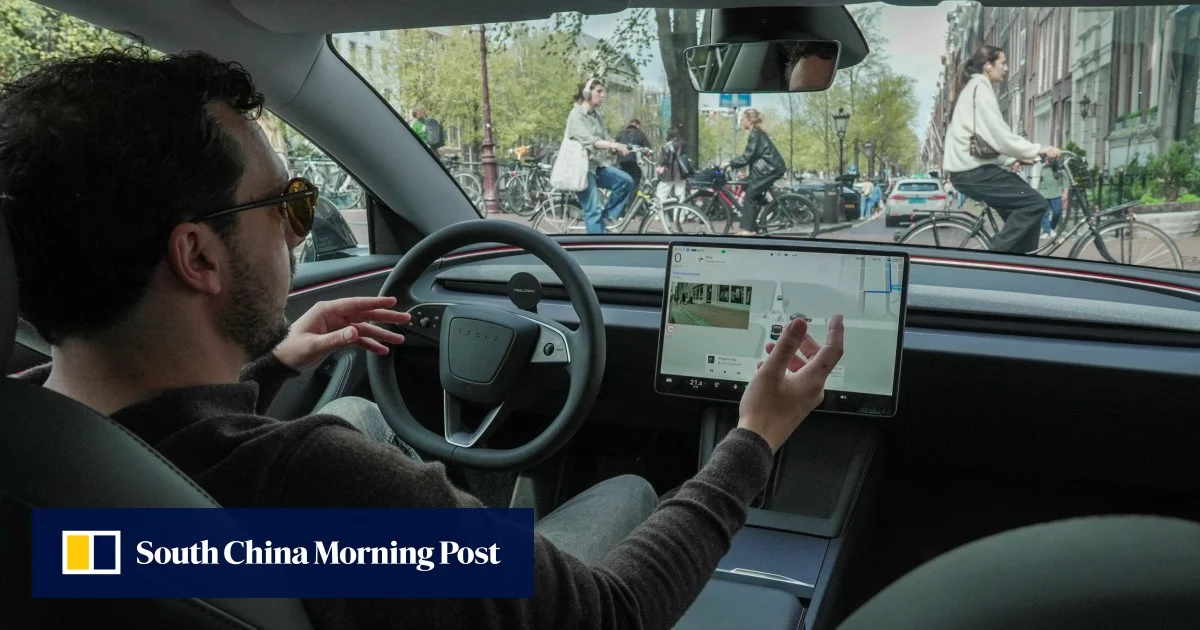
Tesla’s advanced driver-assistance system is now live in mainland China, marking the end of a years-long saga involving regulatory hurdles, data-security concerns, and the kind of bureaucratic patience that would test even the most zen product manager. The rollout began at the end of February 2025 for owners of vehicles equipped with Tesla’s newer Hardware 4 platform.
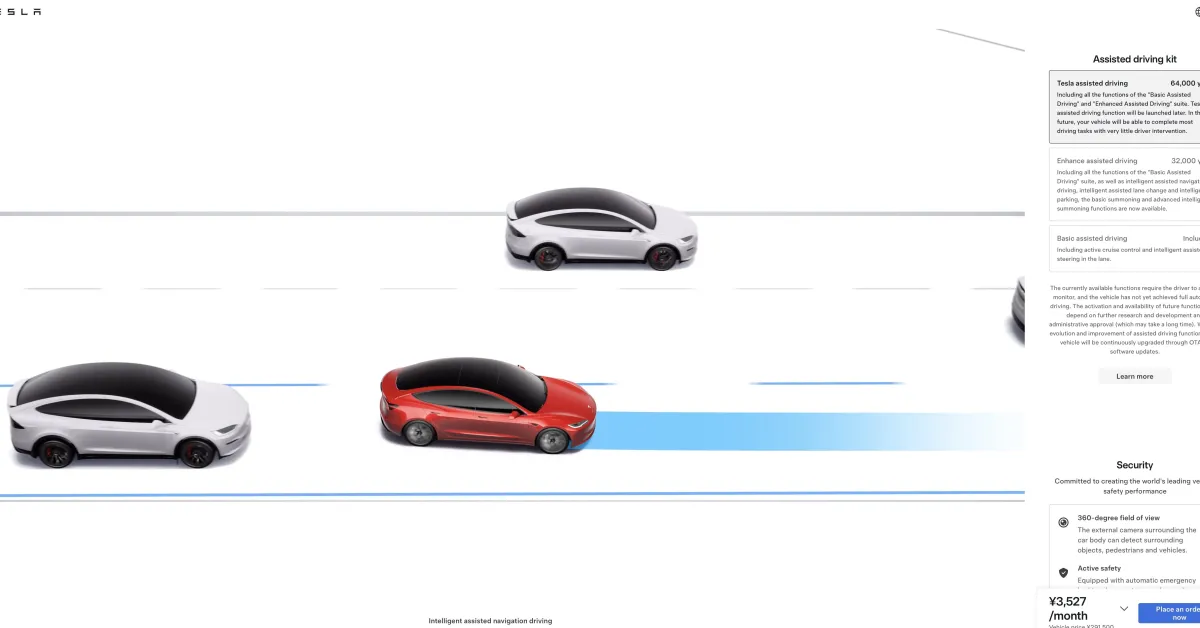
Here’s the thing: Tesla can’t actually call it “Full Self-Driving” in China. Local regulations prohibit that branding, so the system goes by “Navigation on Autopilot” and “Intelligent Assisted Driving” instead. Same software, different name tag. Think of it as the automotive equivalent of a movie getting a different title for international release.
What the system actually does (and doesn’t do)
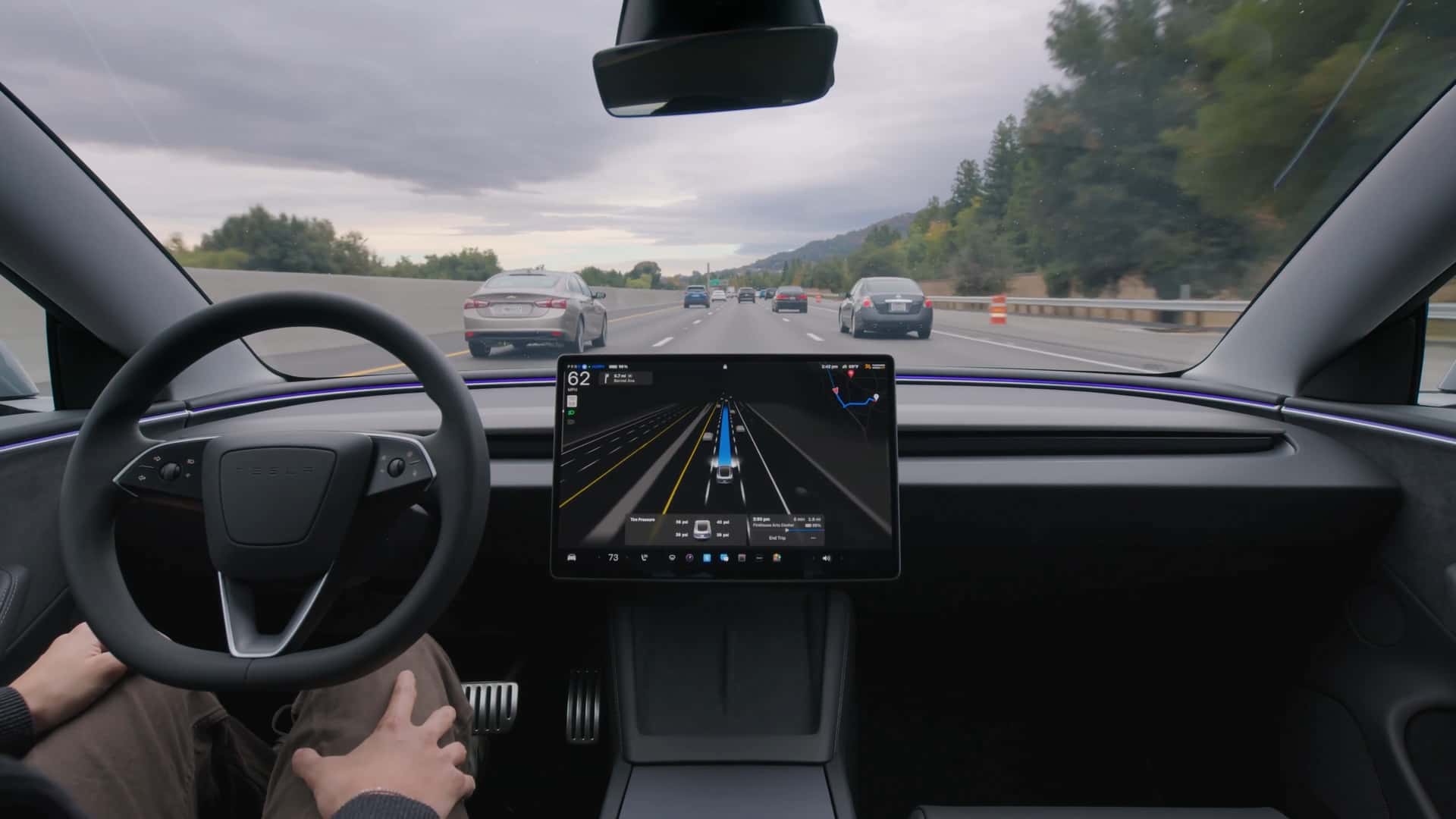
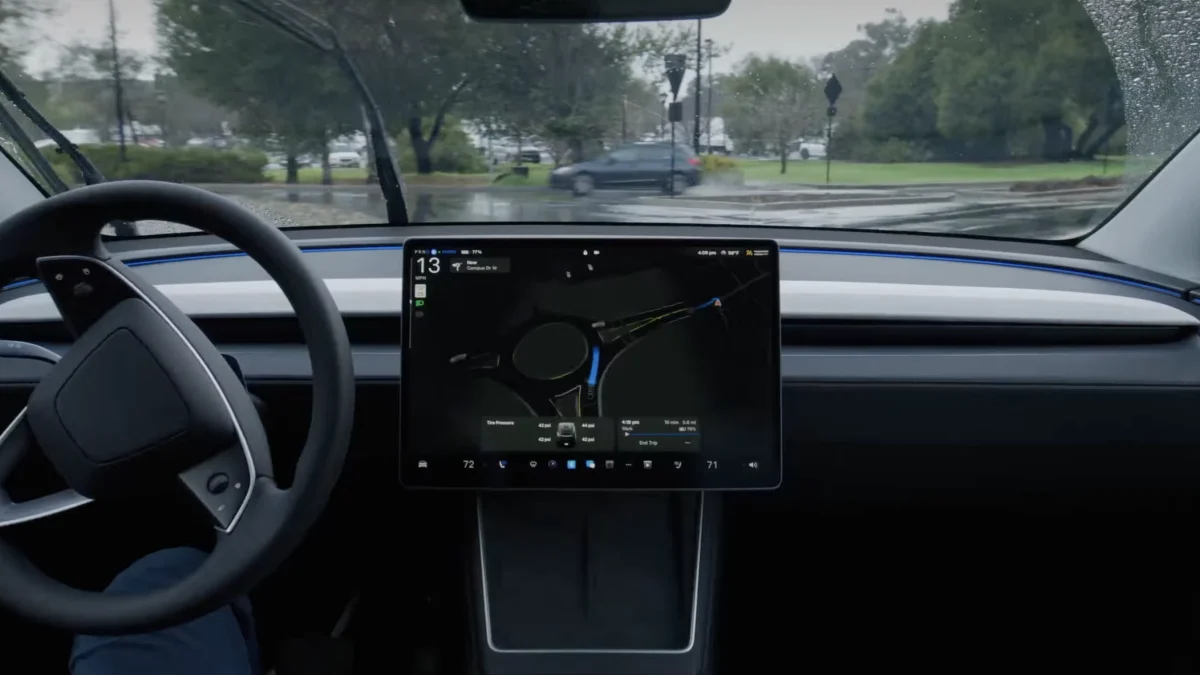
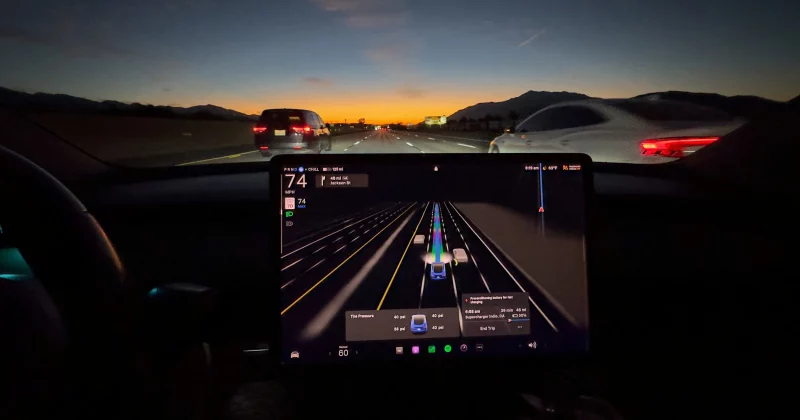
Despite the FSD label it carries in North America, Tesla’s system in China is classified as Level 2 autonomy. In English: the car can handle steering, acceleration, and braking in many situations, but the driver needs to stay alert and keep their hands ready to take over at all times. It’s an advanced co-pilot, not an autonomous chauffeur.
That distinction matters because it sets the legal and liability framework. Level 2 means the human behind the wheel is still responsible for everything that happens. Tesla’s system may feel futuristic, but from a regulatory standpoint, it sits in the same category as features offered by dozens of other automakers.