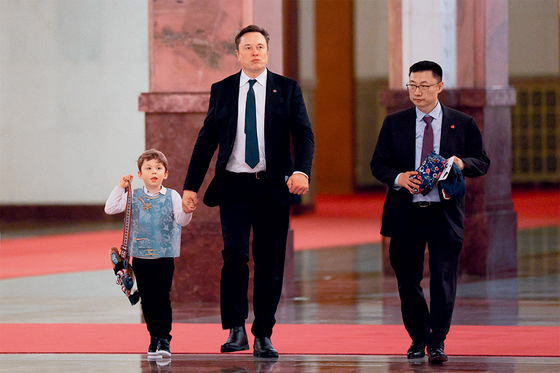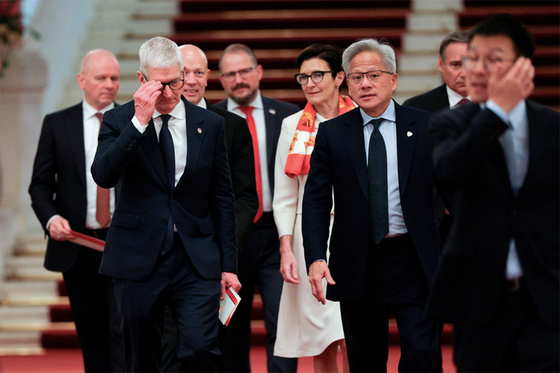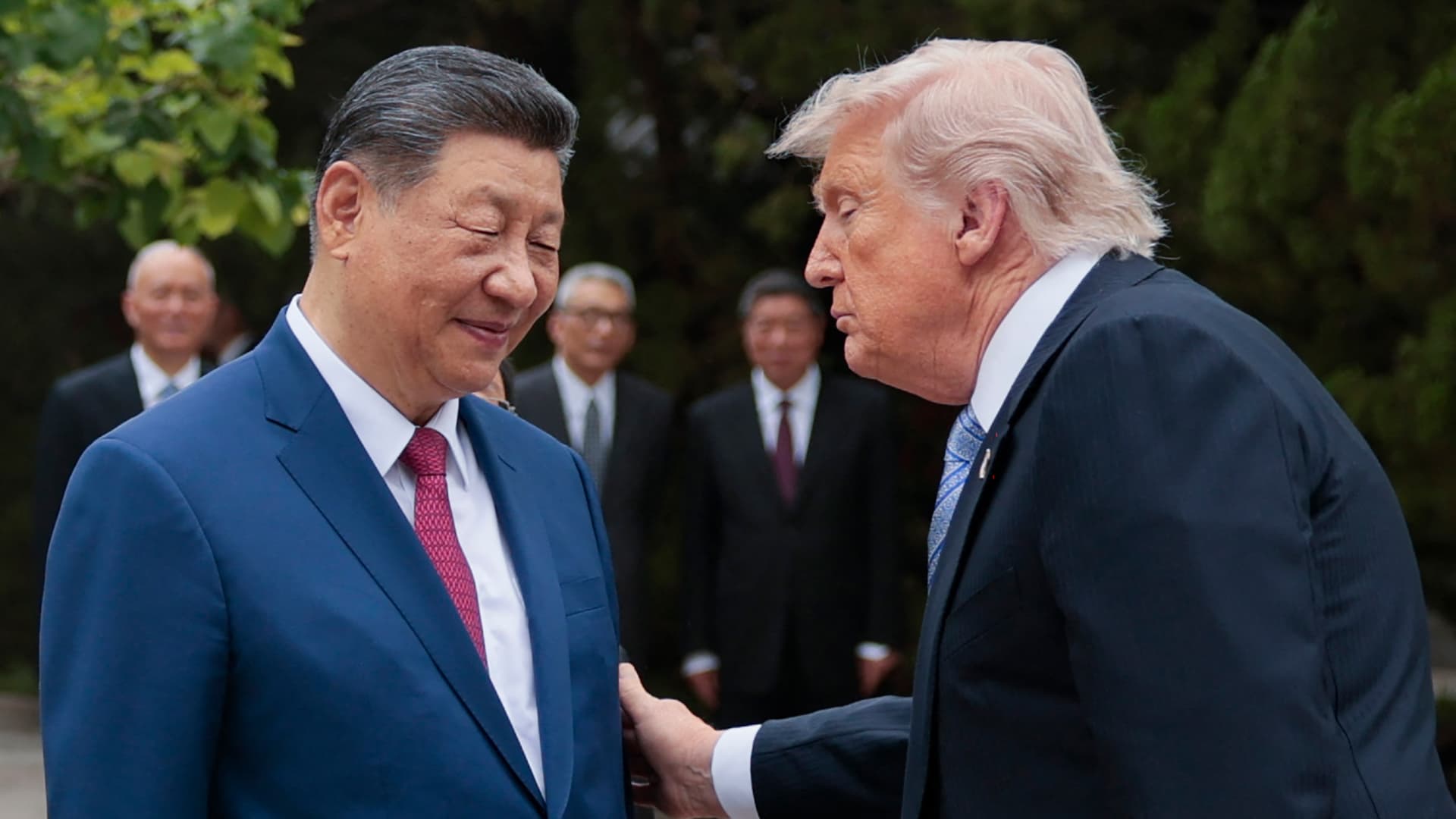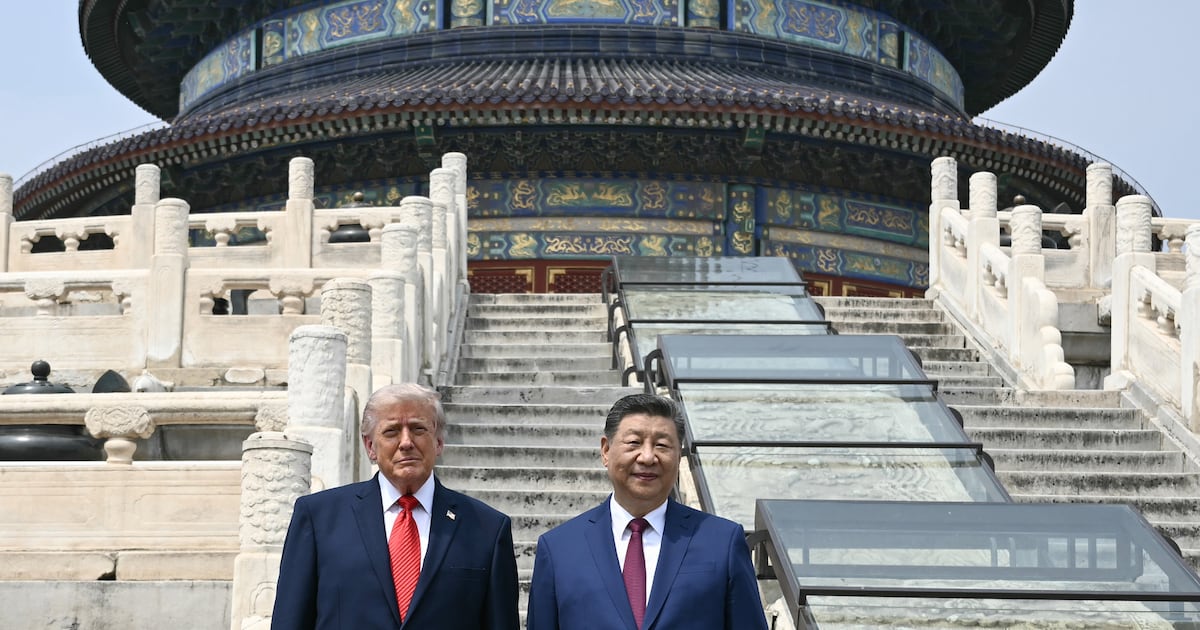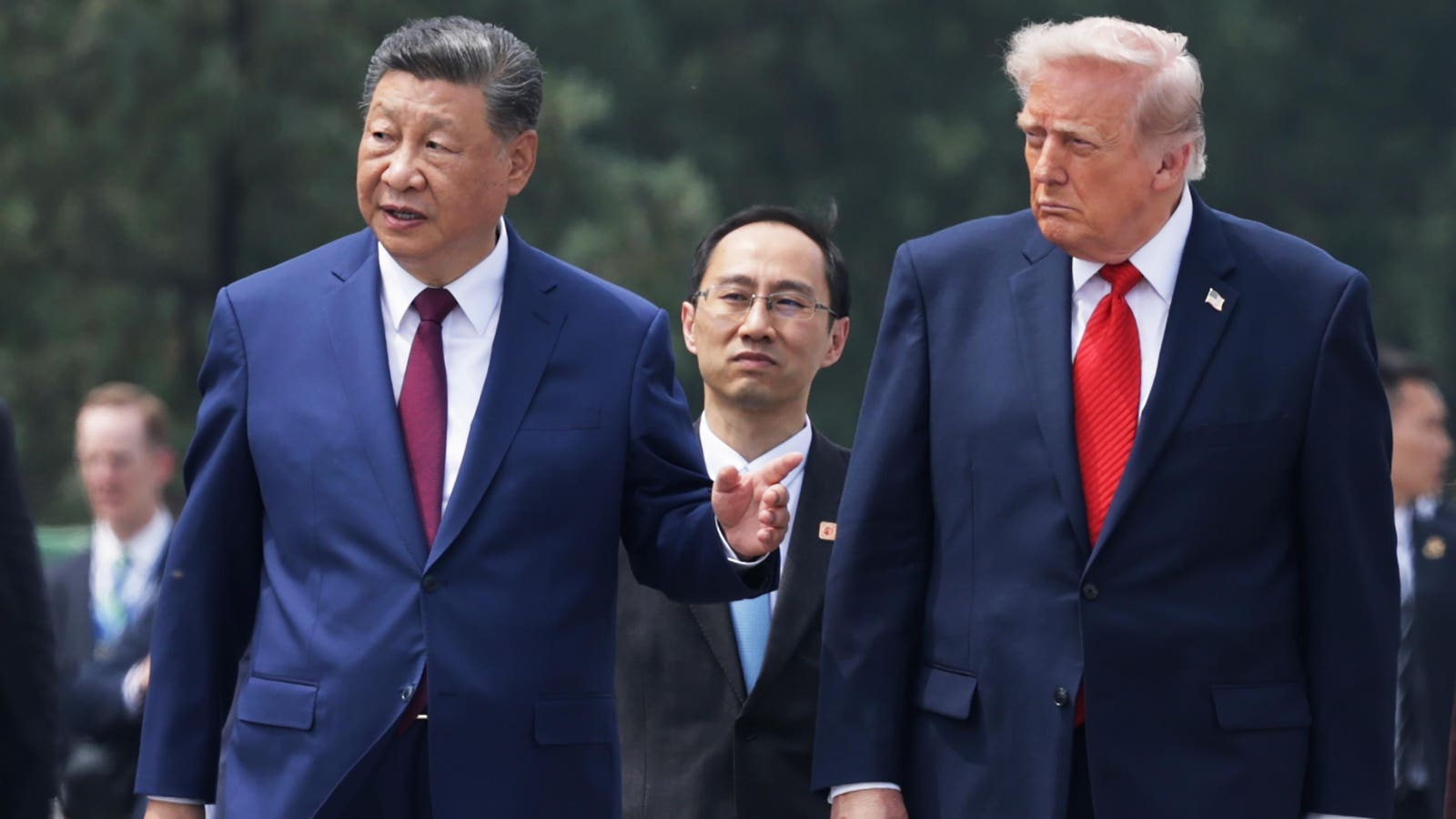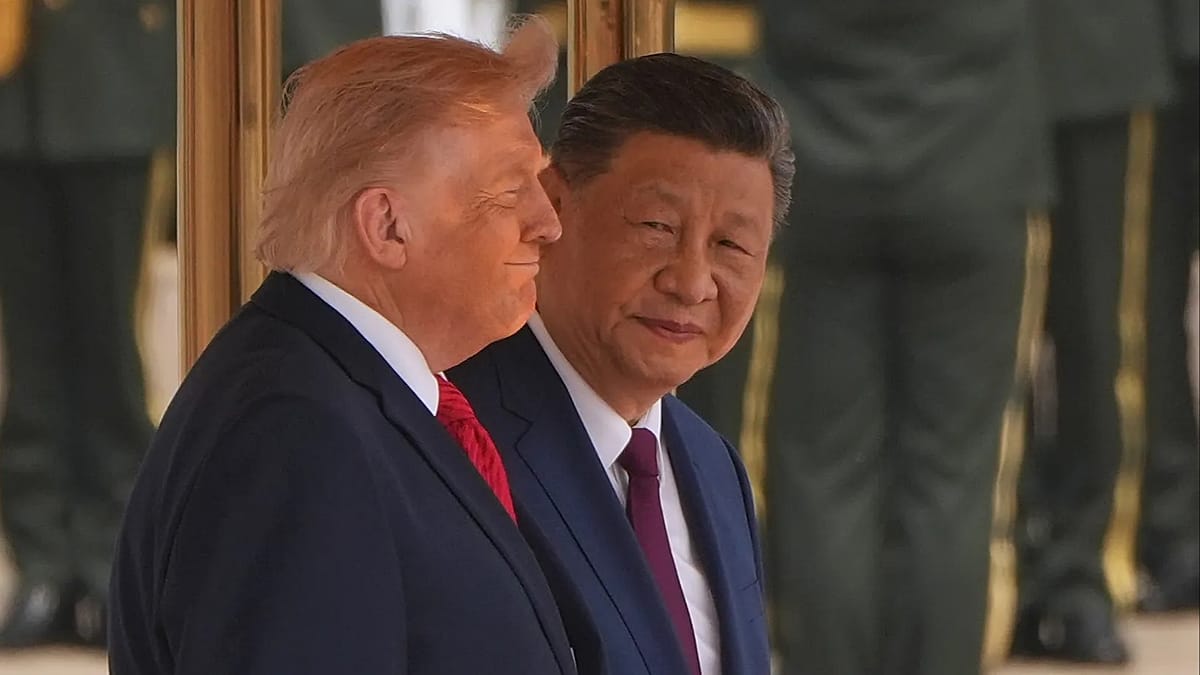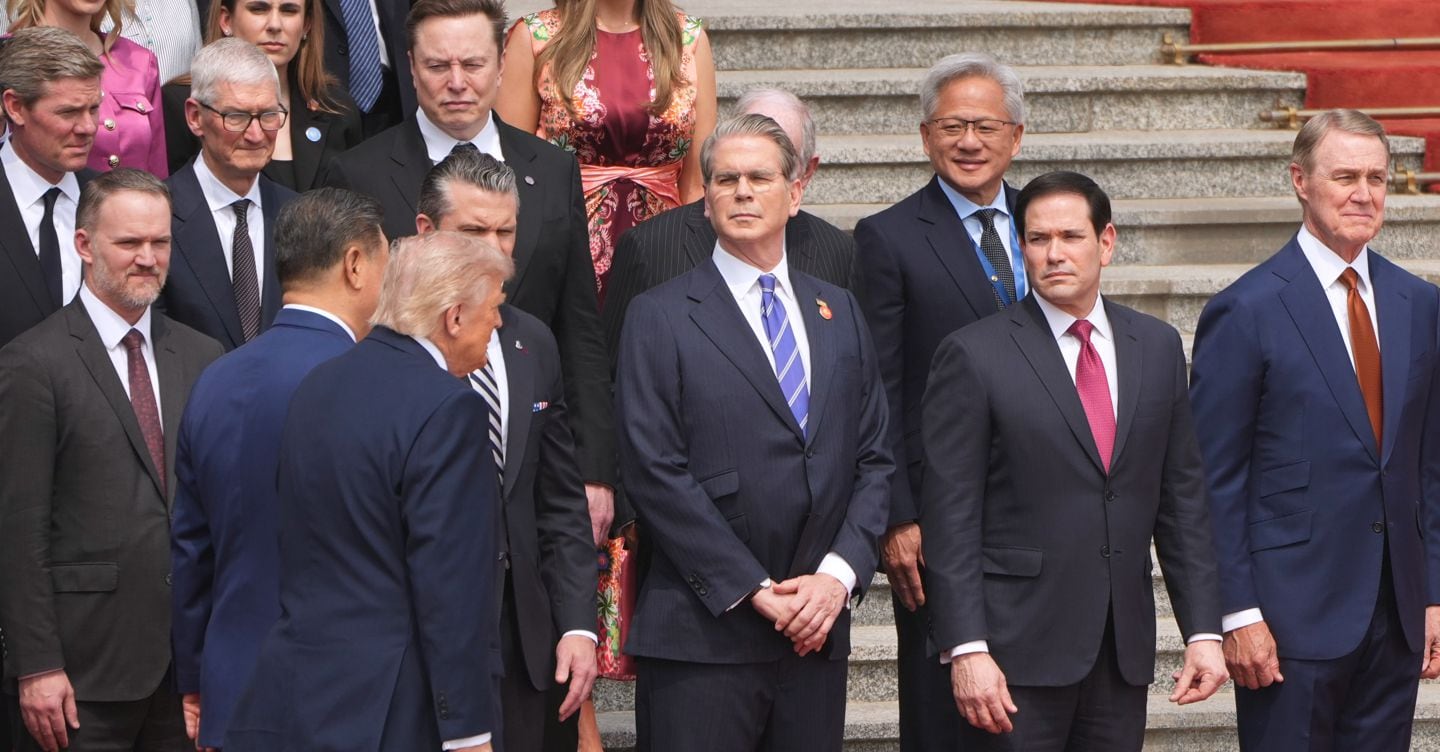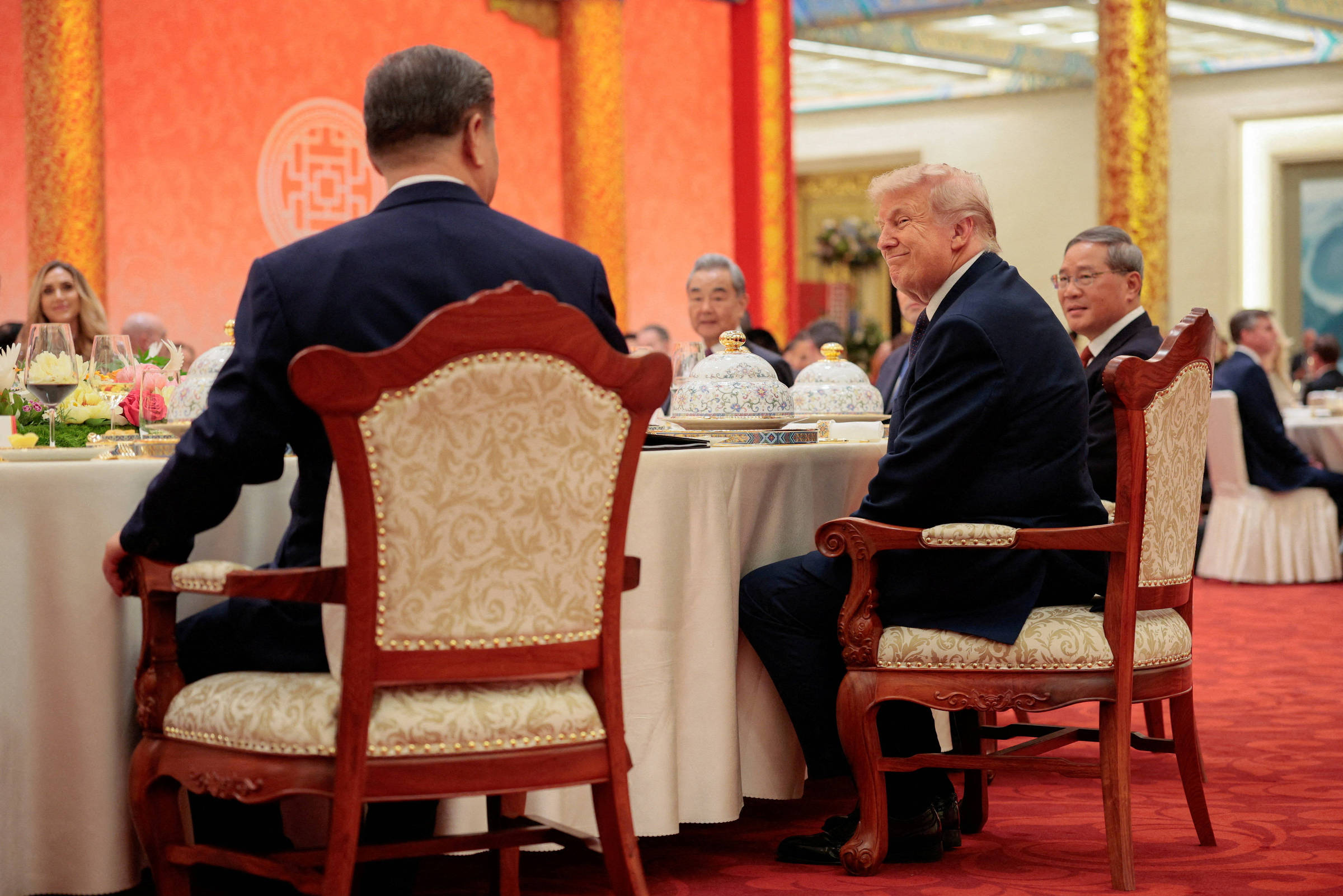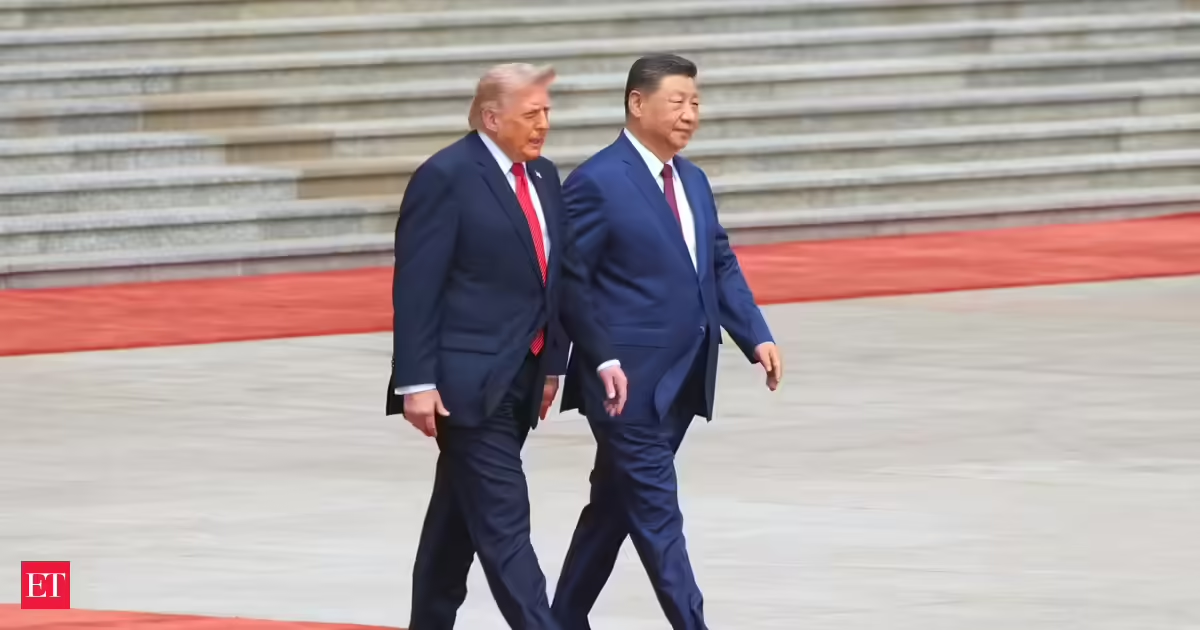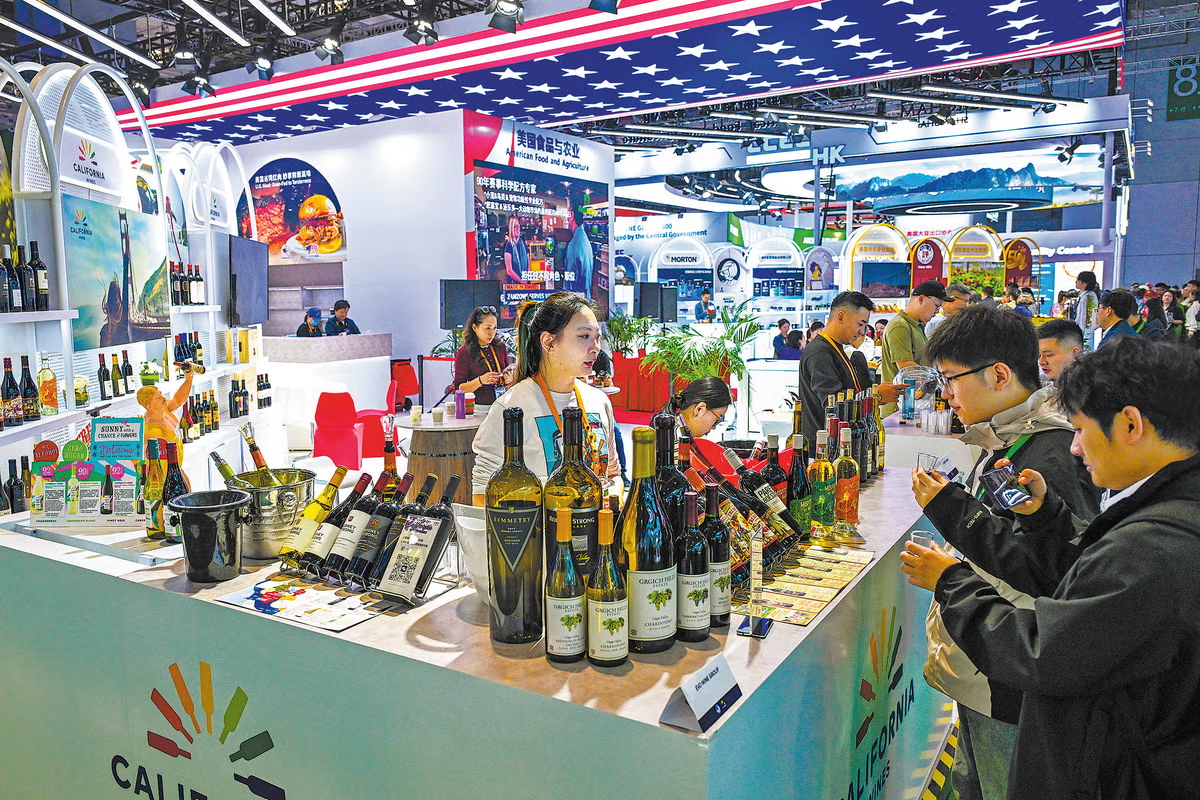
Chinese President Xi Jinping said that China will open its door wider to the world, and it welcomes more mutually beneficial cooperation with the United States.Xi made the remarks while meeting with entrepreneurs accompanying US President Donald Trump on his state visit to China from 13 May to 15 May. He said that US enterprises are deeply involved in China’s reform and opening-up process, and both sides benefit from this engagement.The US business leaders expressed their high regard in the Chinese market, and the desire to deepen their business operations in the country.Larry Culp, chairman and CEO of GE Aerospace, said the latest high-level exchanges between China and the US underscored the global nature of the aviation industry and the importance of cross-border industrial cooperation.“For more than 45 years, GE Aerospace has supported the development of China’s civil aviation market,” said Culp.Culp said the company will continue investing in its capabilities in the US while strengthening localised service, support and training capacity in China to help airlines maintain safe and reliable fleet operations.Mastercard CEO Michael Miebach said: “China is one of the world’s most dynamic economies, and Mastercard is committed to the market for the long term.“Since we began processing domestic transactions in May 2024, we’ve made strong progress — expanding acceptance, deepening local partnerships and bringing simple, secure ‘tap and go’ experiences to everyday life.” Looking ahead, he added, “We will continue to invest in China and bring more products and services that support both businesses and consumers.”According to experts, the lineup of CEOs from some of the US’ most influential companies sends a clear signal that China remains a highly significant market for US businesses.“The economic gravity between the two countries remains immense,” said Chen Wenling, a senior researcher at the Academy of Contemporary China and World Studies. “Even as trade tensions and geopolitical risks cast a shadow, the fundamental forces of China-US complementarity have not disappeared.”Chen noted that the US leads in financial markets and retains significant high-tech advantages, while China’s edge in market scale, supply chain depth and rapid innovation is equally real. Sean Stein, president of the US-China Business Council, said: “If you just say they’re the two largest economies, you’re missing the most important part. They’re also the two most dynamic and most innovative economies.”“It is when you add the innovation and dynamism pieces that you truly recognise the need for the two countries to find ways to work together more effectively,” Stein said.Data released in November by the Chinese embassy in the US showed that more than 80,000 US companies have invested in China, while 7,000 Chinese firms operate in the US.In addition to the companies in the delegation, US businesses across industries continue to demonstrate their confidence in the Chinese market through tangible action.Henry Ding, president of 3M China, said: “In recent years, 3M has continued to expand its domestic manufacturing footprint, strengthen local R&D innovation capabilities, and accelerate the localisation of its full value chain in China, spanning R&D, testing and manufacturing.” He added that today, more than 50 per cent of the products 3M sells in China are manufactured locally.Ding said that 3M China will continue to increase its local R&D investment this year and plans to achieve more than 30 per cent growth in new product launches compared with 2025, significantly outpacing other global markets.Ian Shih, president of Rockwell Automation China, said that China’s vast market, complete industrial ecosystem and continued high-level opening-up provide strong support for companies seeking long-term growth and diversified application opportunities.
CEOs upbeat on China market
THE ARTICLES ON THESE PAGES ARE PRODUCED BY CHINA DAILY, WHICH TAKES SOLE RESPONSIBILITY FOR THE CONTENTS
586 words~3 min read