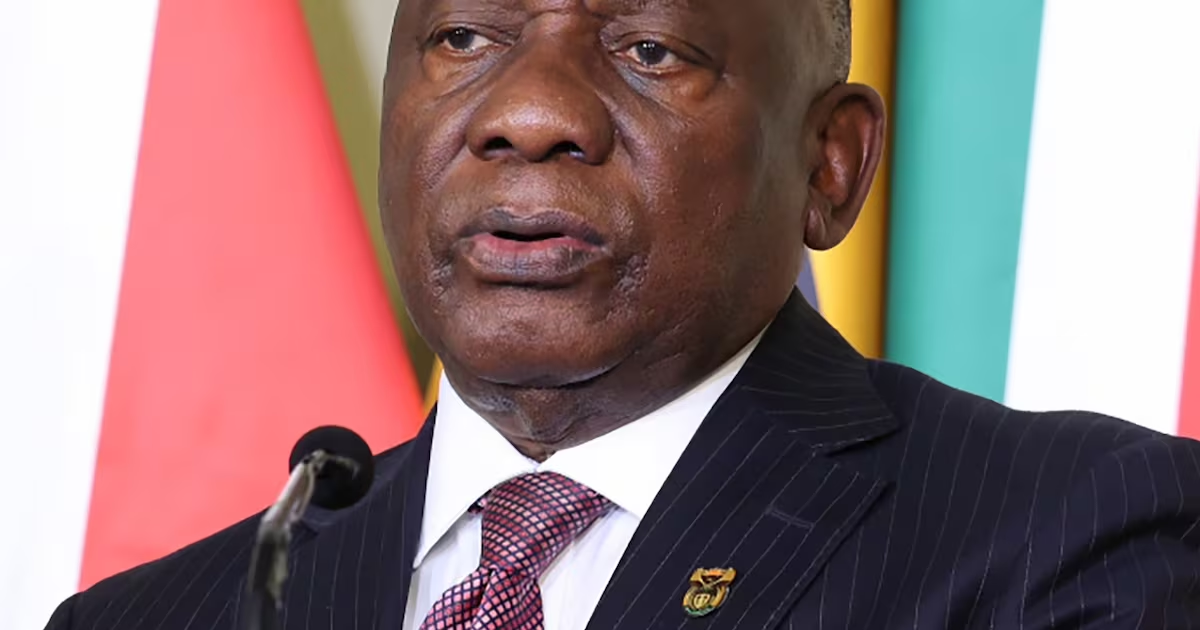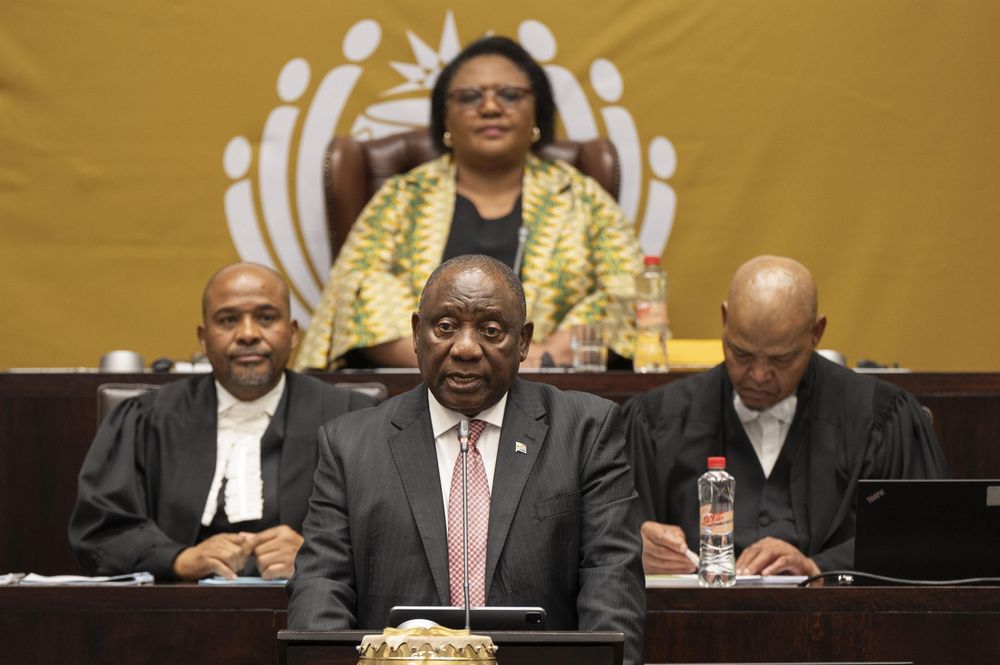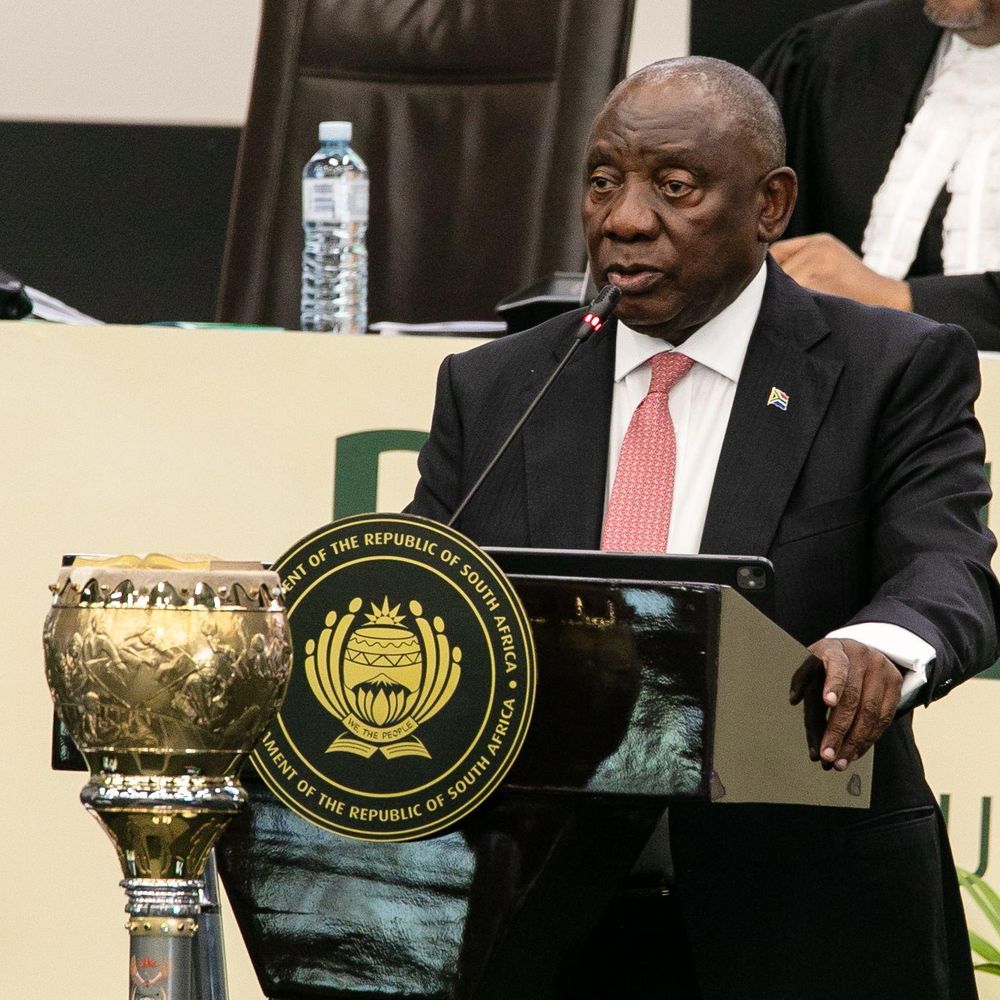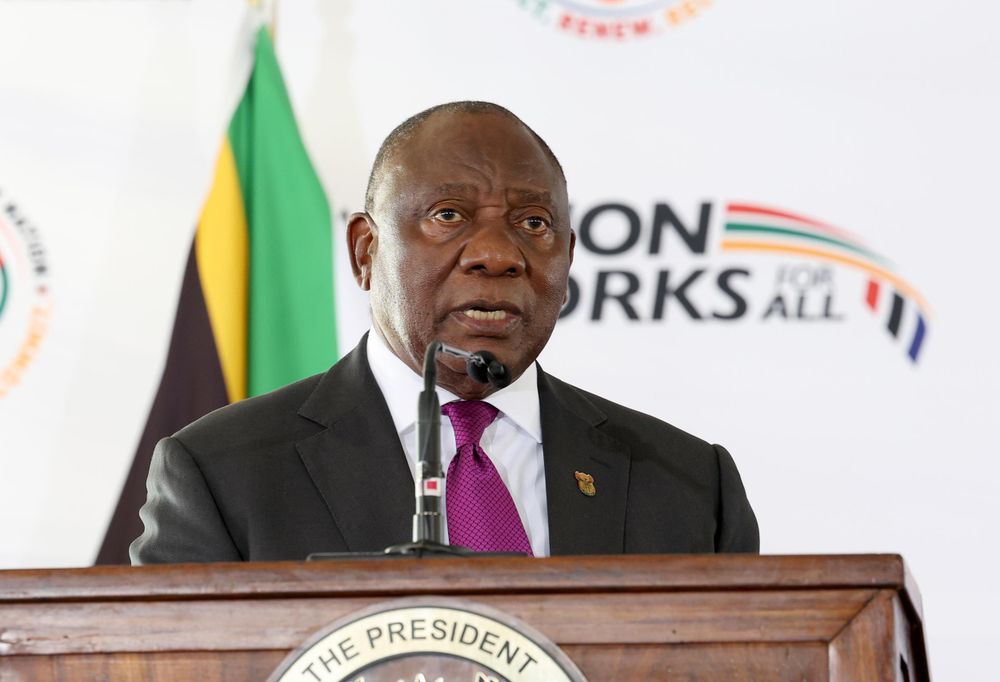
Parliament’s rules on motions of no confidence have come under focus after Speaker Thoko Didiza rejected attempts to table a motion against President Cyril Ramaphosa over the Phala Phala matter.
National Assembly Speaker Thoko Didiza’s decision to decline requests for a motion of no confidence against President Cyril Ramaphosa over the Phala Phala matter has placed renewed attention on how such motions work and what happens if they succeed.
The issue emerged after the African Transformation Movement (ATM) and the uMkhonto weSizwe (MK) Party sought to invoke Section 102 of the Constitution following the Constitutional Court ruling that Parliament’s handling of the Section 89 Independent Panel report into the Phala Phala matter was unconstitutional and invalid.
A motion of no confidence is one of the most powerful constitutional mechanisms available to the National Assembly to remove a sitting President or Cabinet if they no longer enjoy the support of Parliament.
Under Section 102 of the Constitution, any Member of Parliament may introduce a motion of no confidence against the President or Cabinet. Once submitted, the motion must comply with parliamentary rules and clearly set out the grounds on which it is based before it can be scheduled for debate.