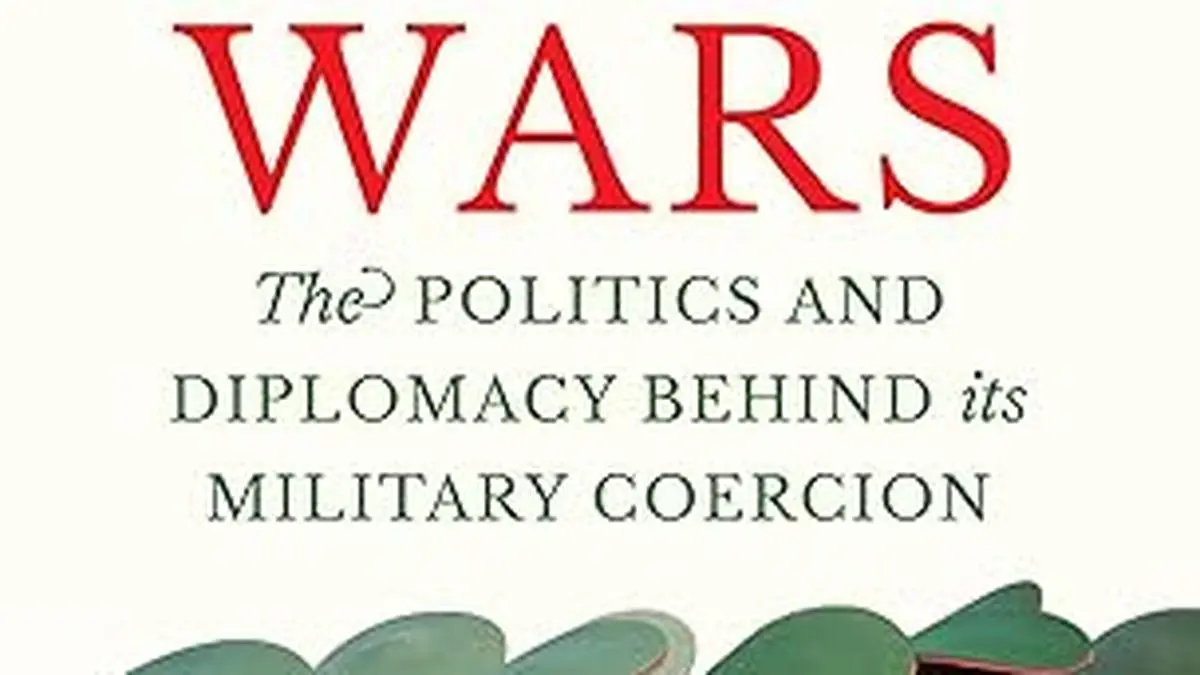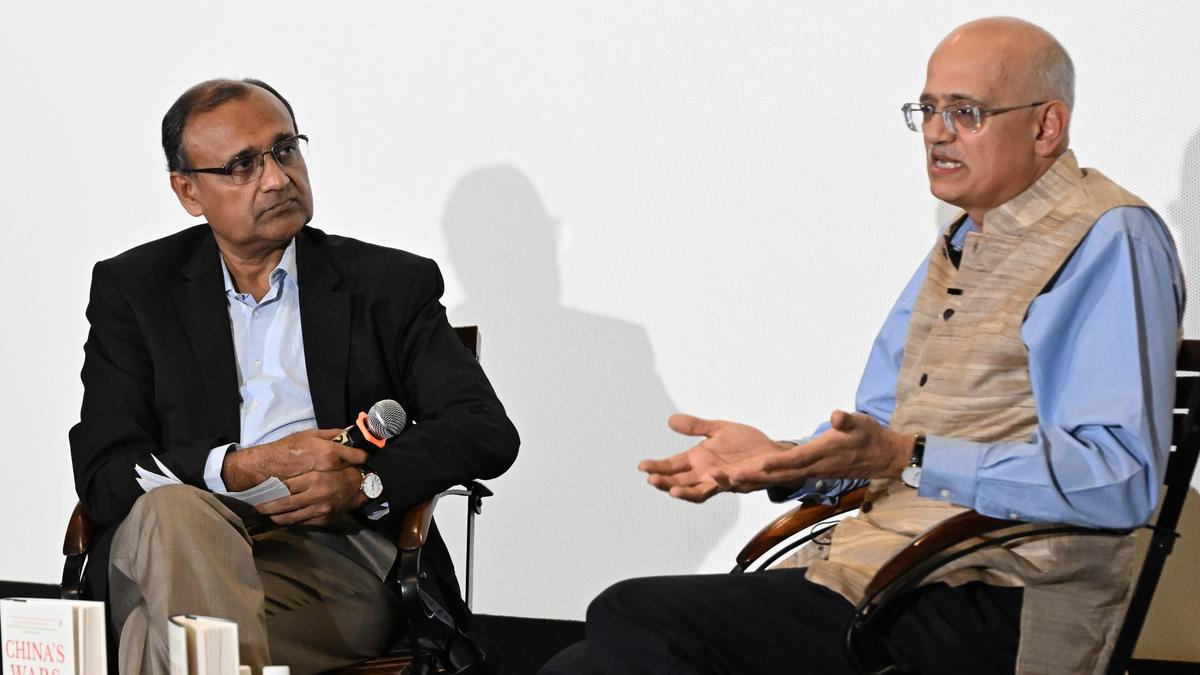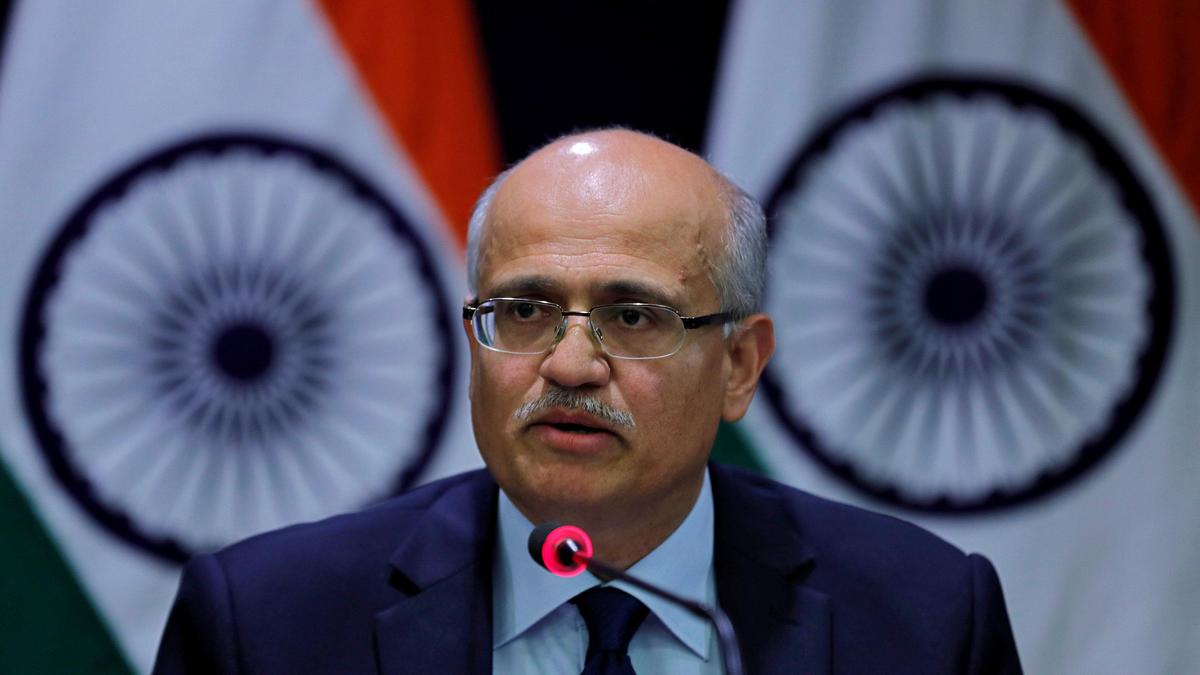
In an interview with The Hindu, author Vijay Gokhale, a former Foreign Secretary, explains his research into Chinese decision-making, how China deploys “grey zone coercion”, and the consequences for the future of its relations with India.A theme that emerges from the conflicts that you research in this book is that it has never been one single reason that led China to go to war, but rather a confluence of factors, especially the global context.
I wrote this book because I thought I should write a companion piece to my earlier book The Long Game. That book was about how the Chinese negotiate with India in various situations. However, given our background, not just in terms of the conflict in 1962 but also because of the current situation where there is tension along the Line of Actual Control (LAC), I felt it was important to study how China engages in conflict, and what are the motivations that lead China to engage in conflict.
The fact is after 1979, the Chinese have not really fought a hot war. But one of the key points I wanted to make in the book is that conflict is not simply a hot war. Grey zone warfare is also a form of conflict. It involves continuous tension with another country using military or largely military means, although not entirely military means because there are economic and psychological levers, and so on. That was the real objective of writing this book, also because I thought it would be helpful to the strategic and policymaking communities in India, as well as to the general public.