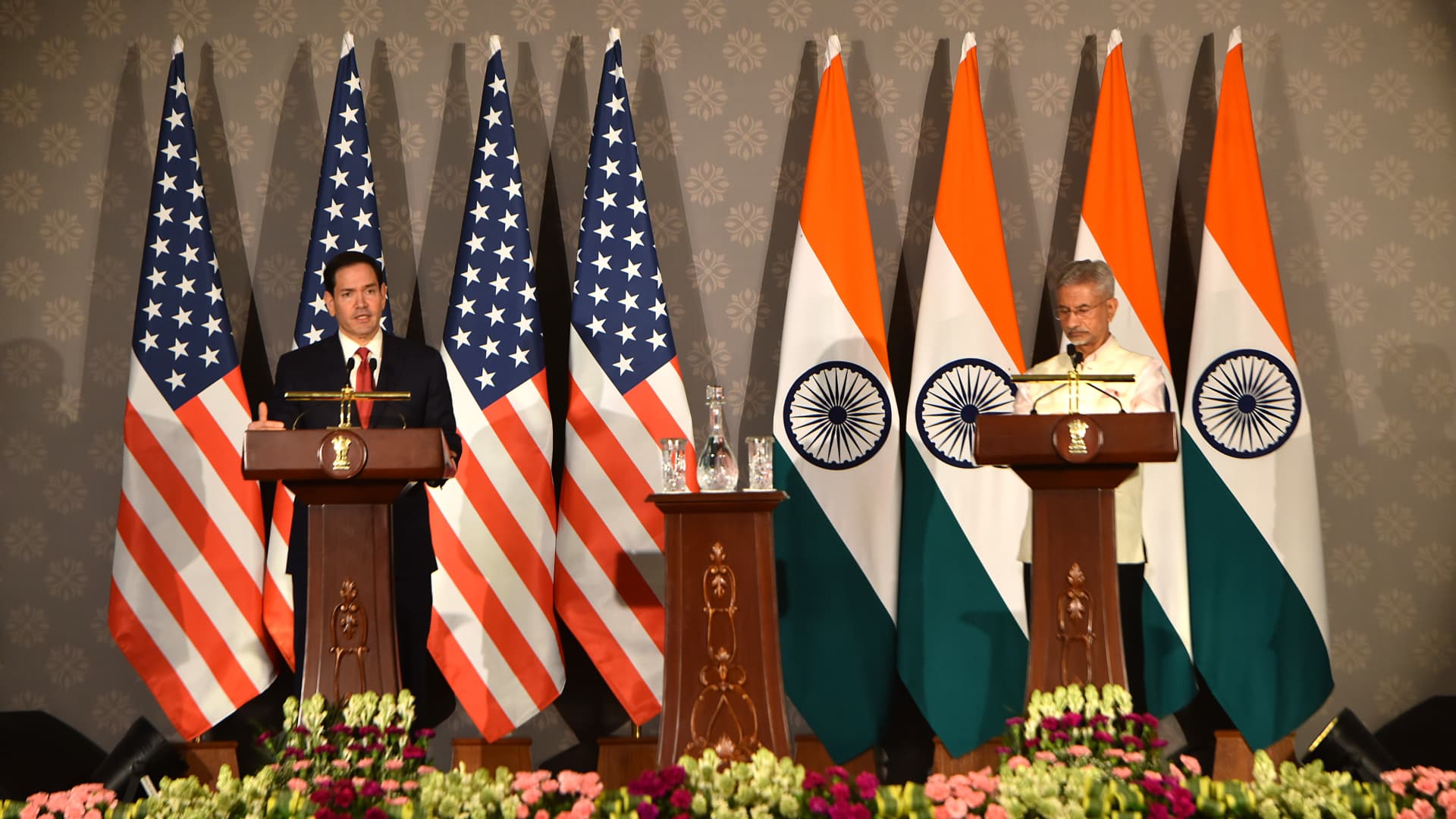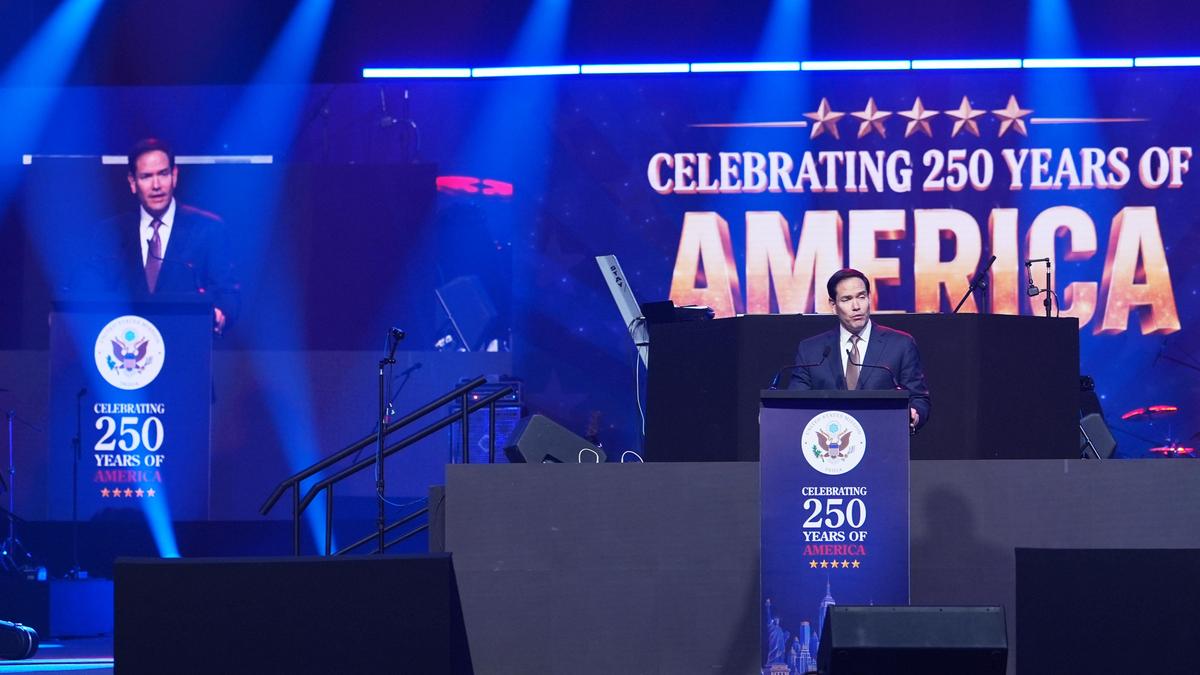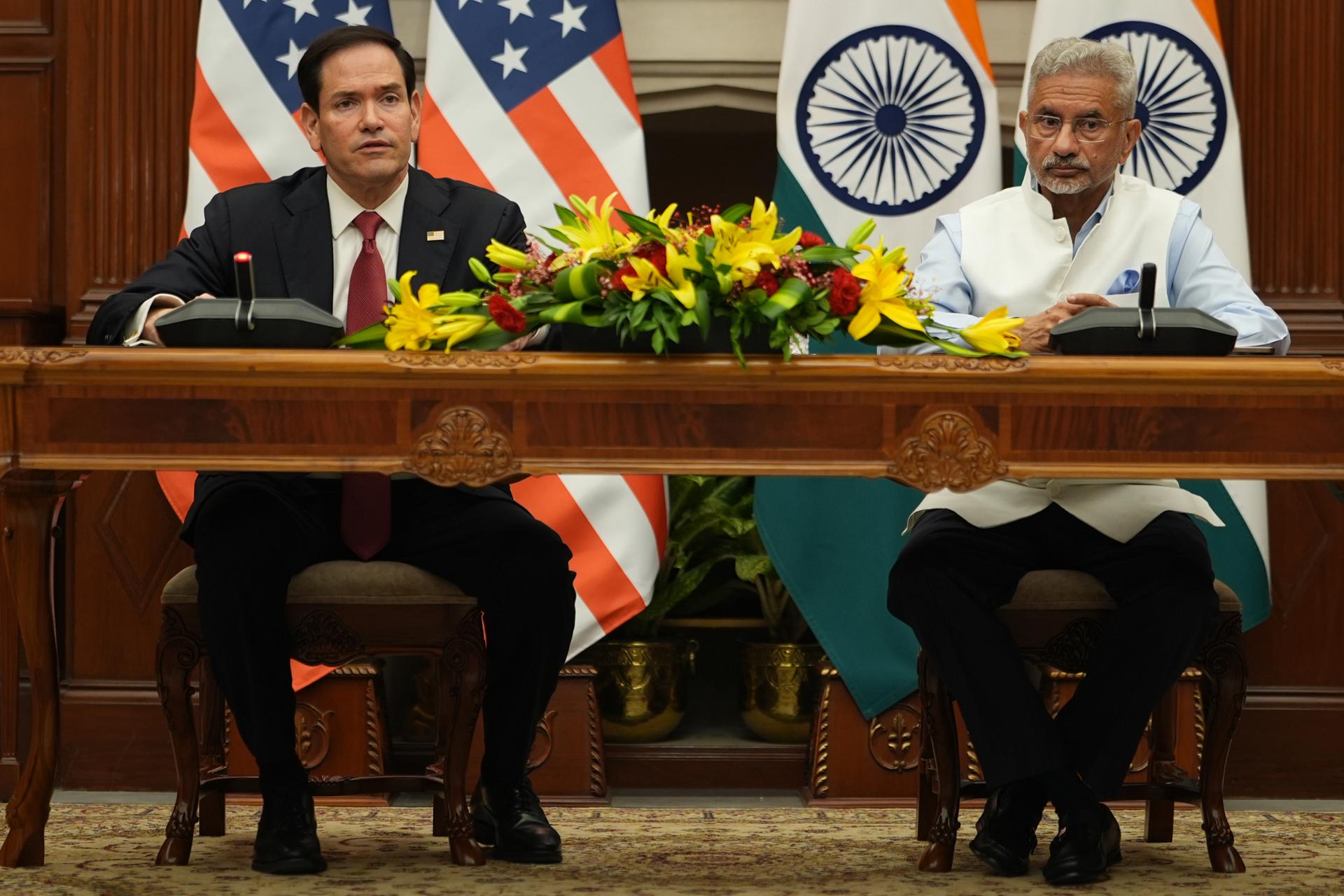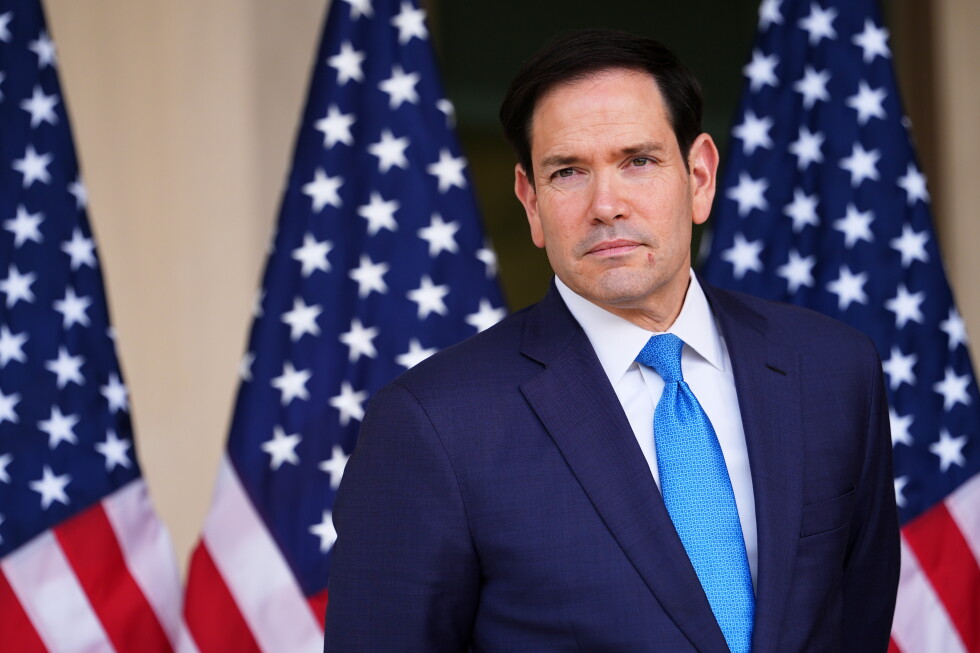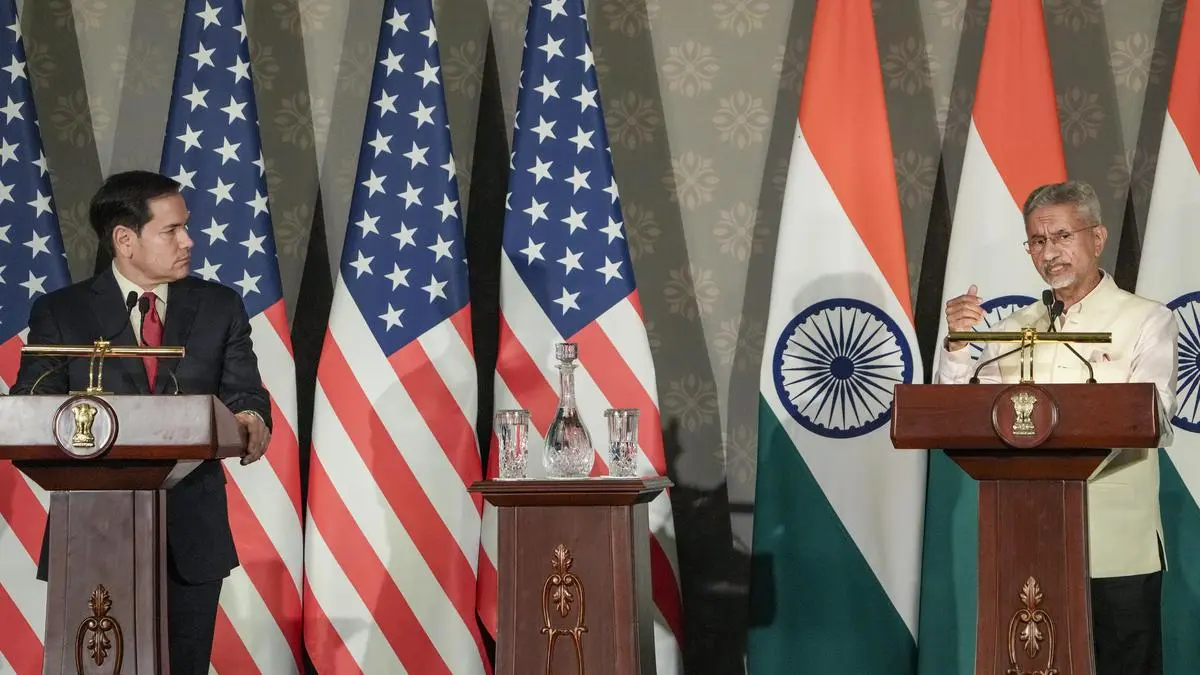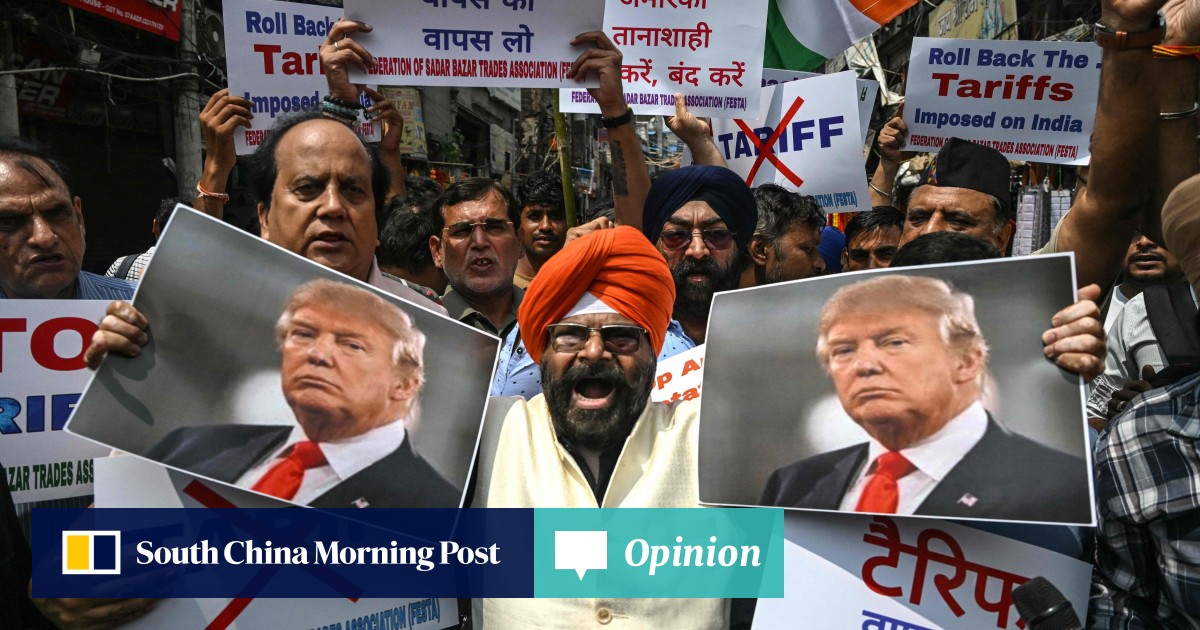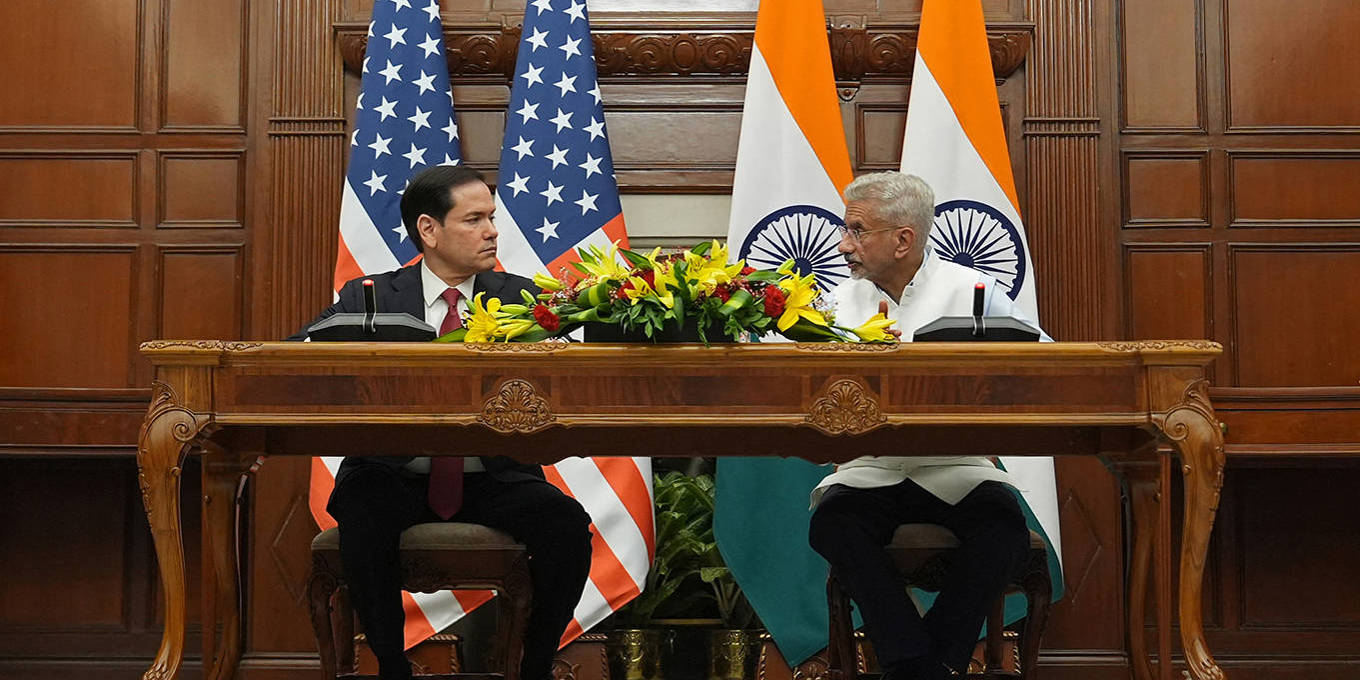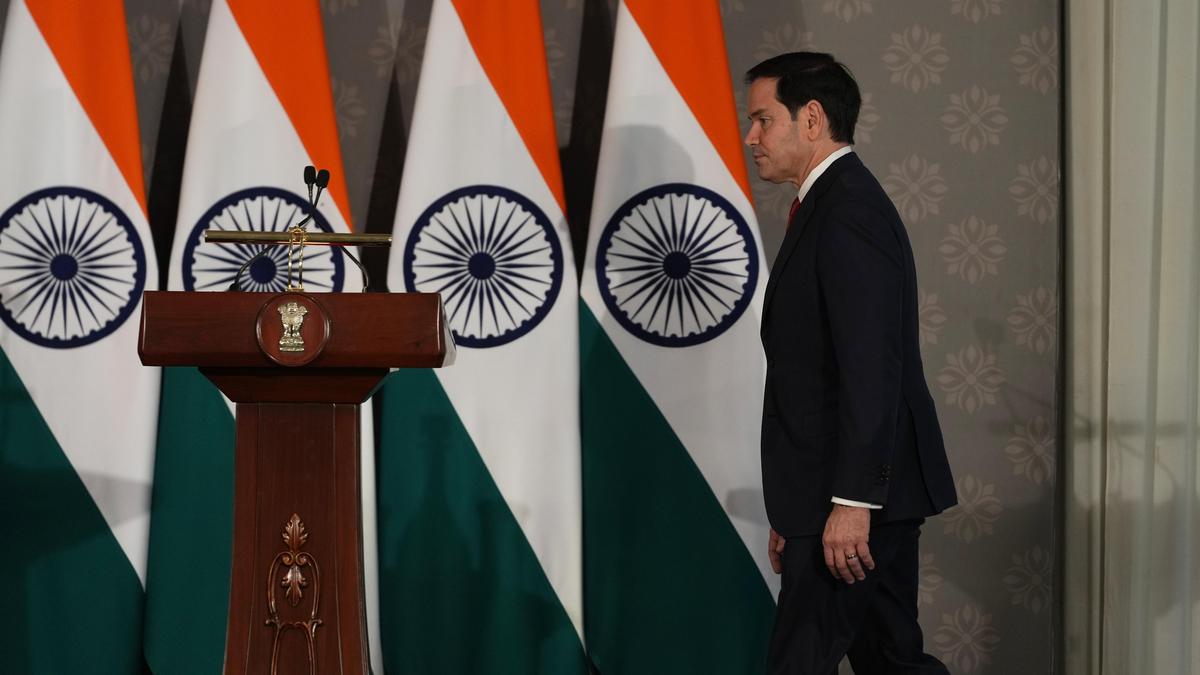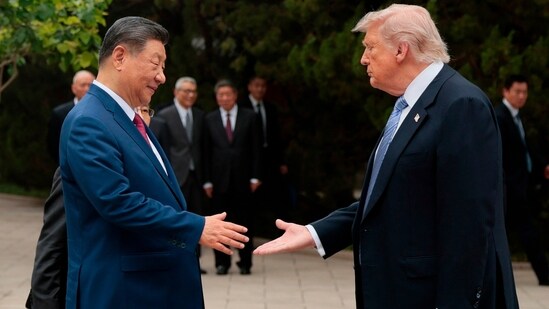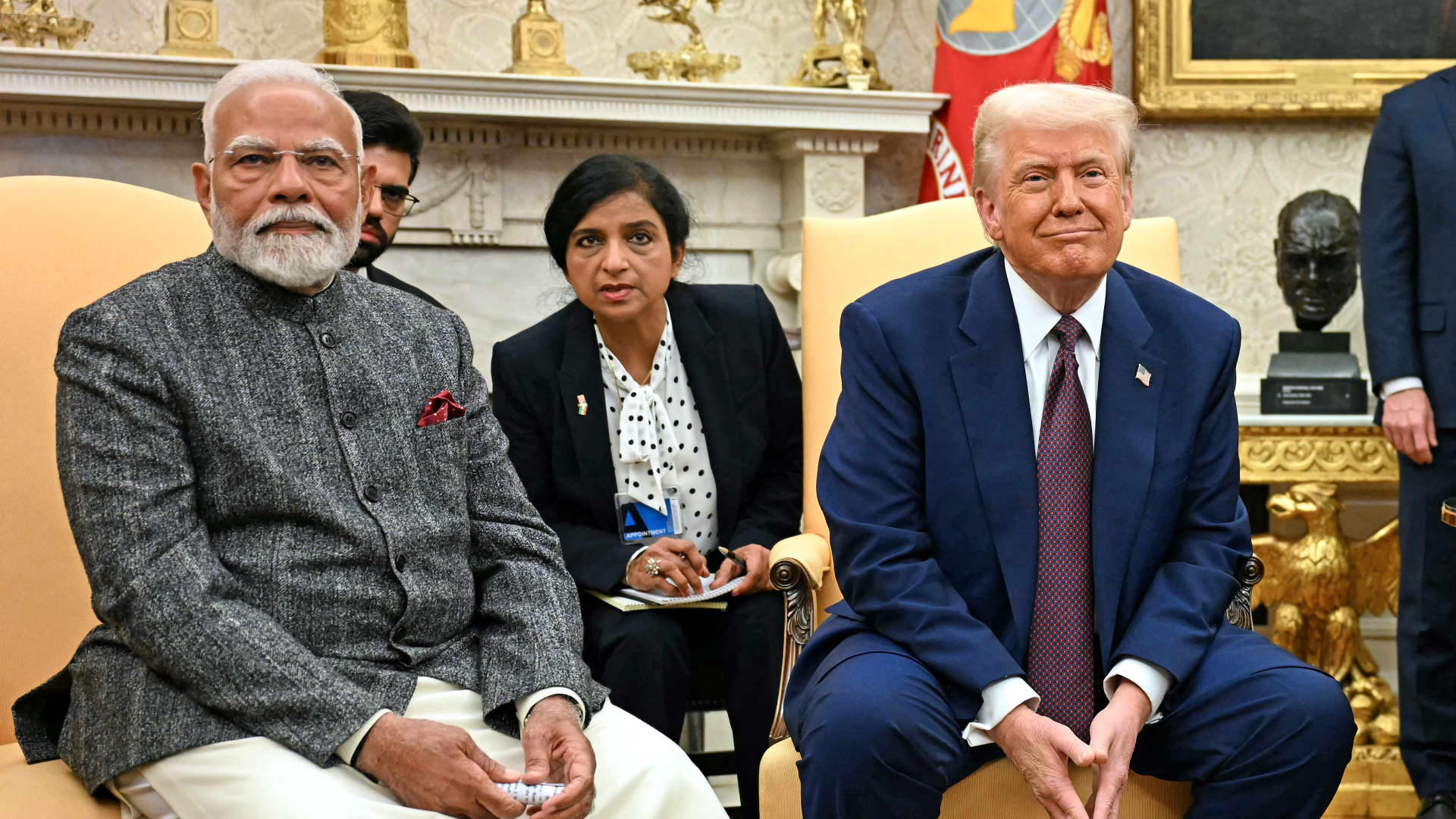
The ghost of China haunts every conversation about India. When U.S. Deputy Secretary Christopher Landau visited New Delhi earlier this year, he stated it directly: “We are not going to make the same mistakes with India that we made with China 20 years ago…” Now, as Secretary of State Marco Rubio heads to New Delhi for his first official visit since taking office, the China comparison will follow him into every meeting. Washington backed a rising Asian giant before, the argument goes, and got burned. Why should India be any different?
That fear may be intuitive for Americans, but it gets the lesson of China exactly backwards – and risks further benefiting Beijing. The lesson of China is not to distrust every rising power. It is to distinguish between those that seek to overturn the international order and those likely to strengthen it. And India, whatever its imperfections, has every reason to want the current system to endure.
The China Mirage
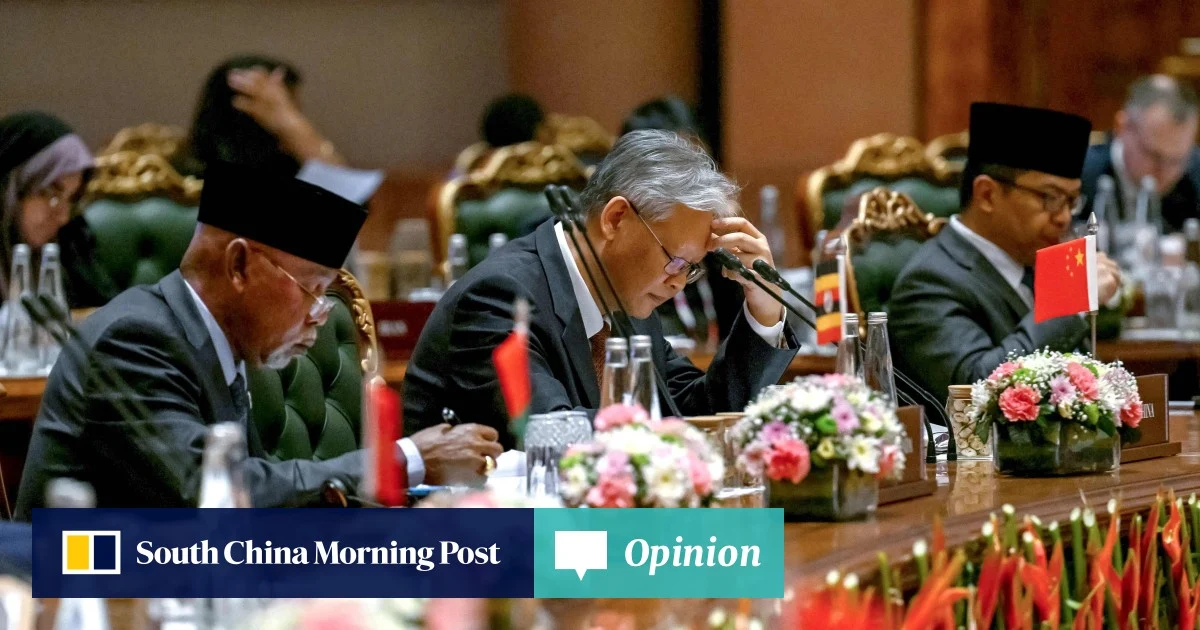
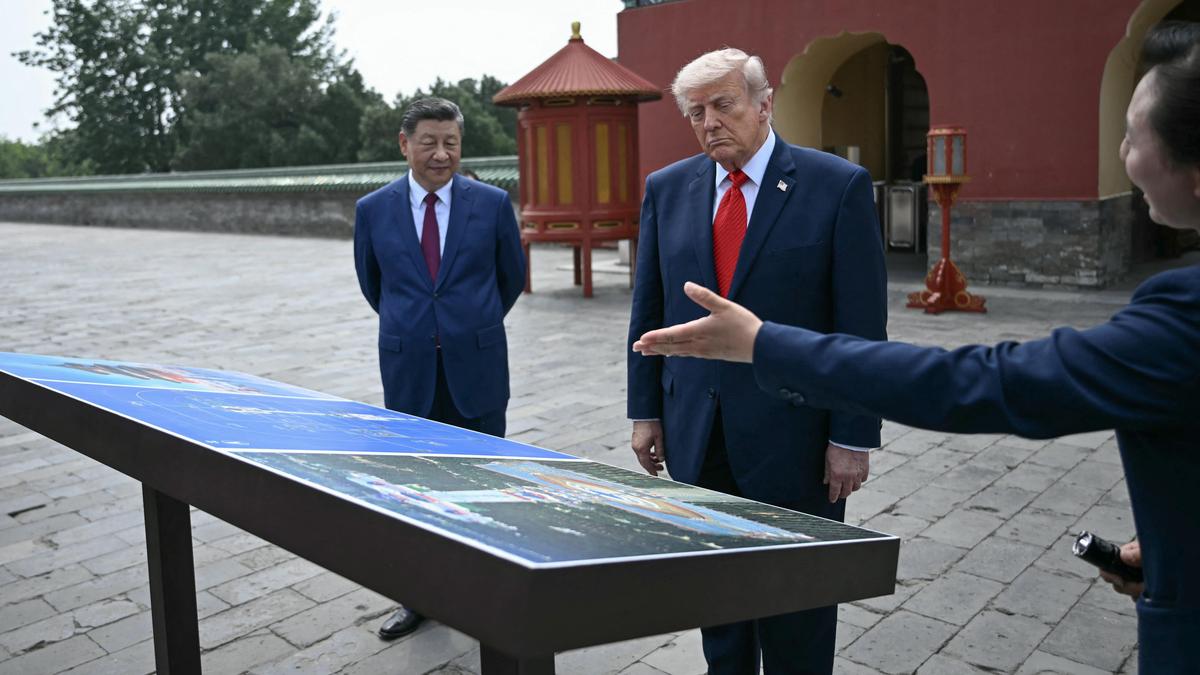
With the advantage of hindsight, far greater skepticism was warranted the last time a large Asian civilization-state with a rapidly expanding economy sought Western support to accelerate its rise. Washington’s faith in globalization allowed Beijing to hollow out the American industrial base, sustained by the expectation that a wealthier China would naturally turn democratic and support global stability. Beijing’s revisionist ambitions were consistently overlooked in favor of market access: its aggressive actions across the Indo-Pacific, exploitation of the World Trade Organization, vast intellectual property theft and espionage, and regular bouts of wolf-warrior diplomacy all went unreckoned with so long as the commercial relationship held.