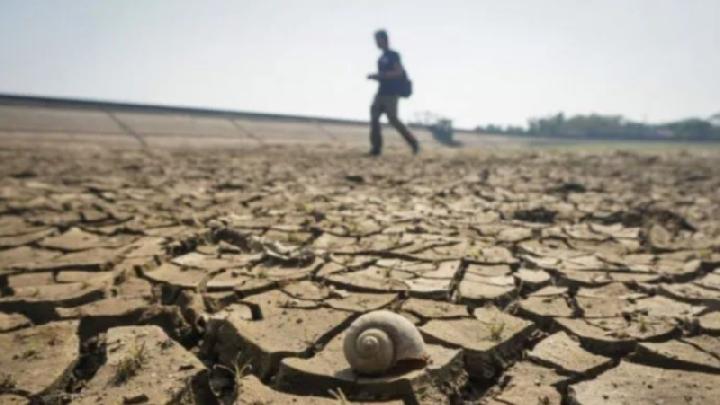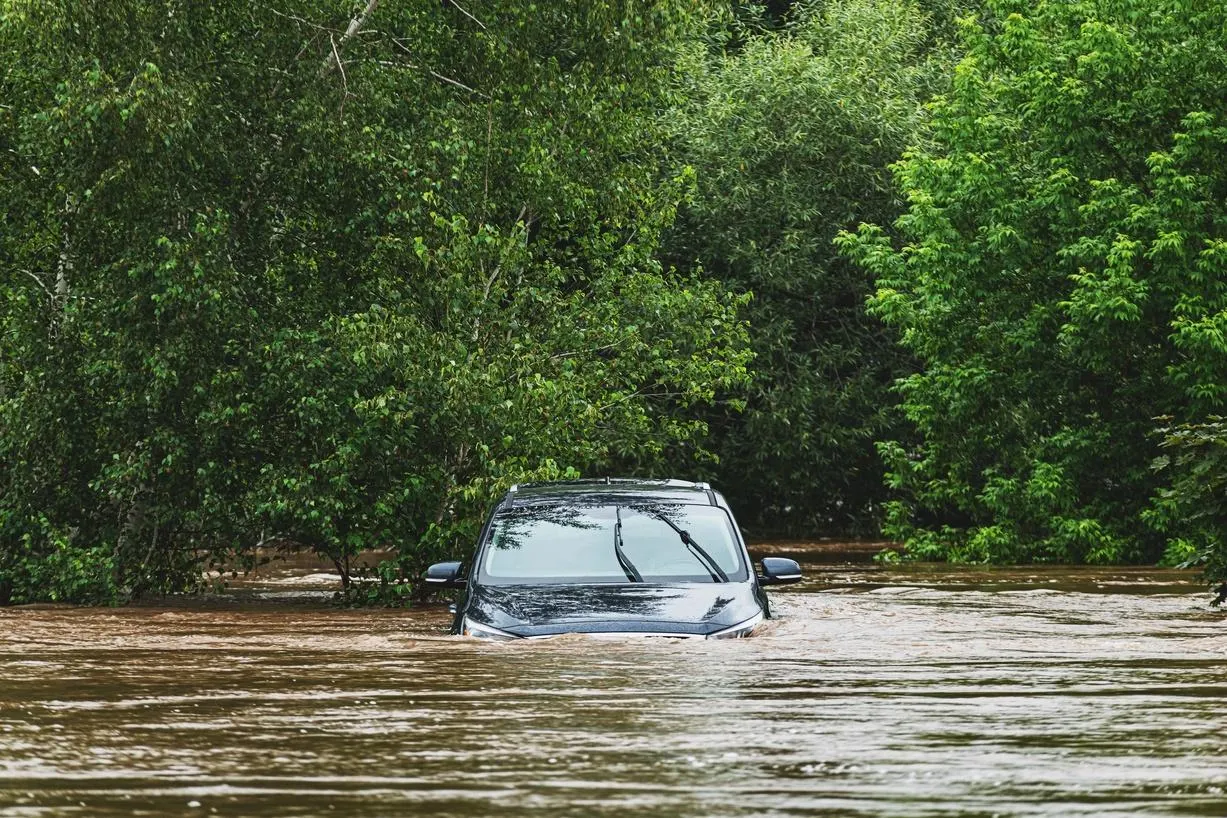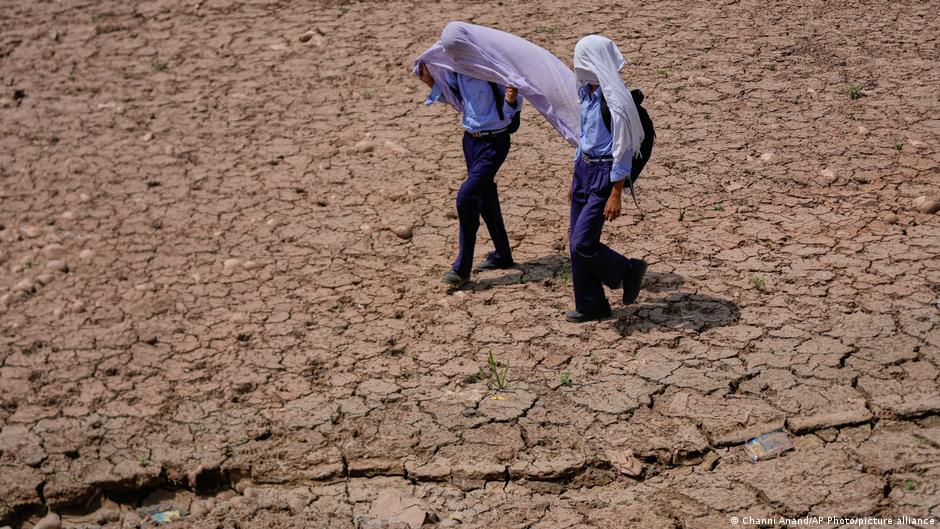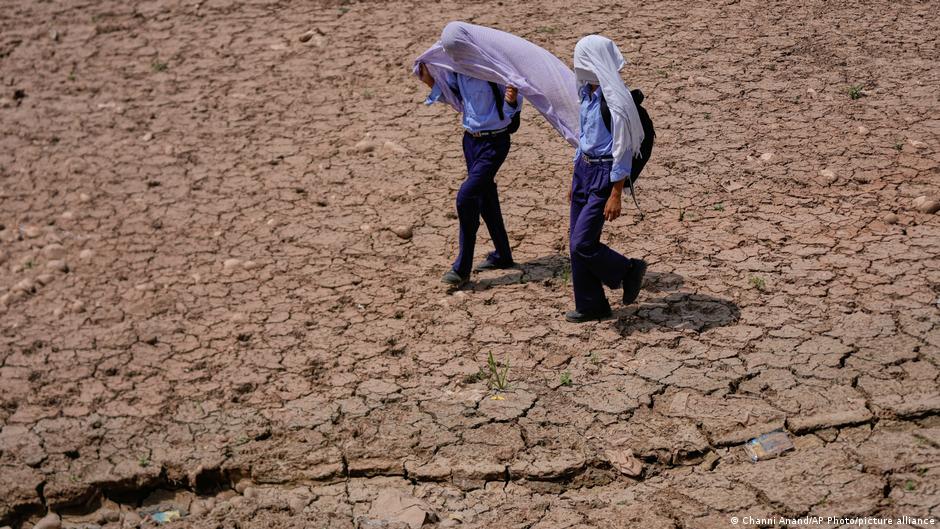
For years, a worst-case climate scenario served as a stark warning of what could happen if the world failed to curb fossil fuel use. A temperature rise of more than 4 degrees Celsius (7.2 Fahrenheit) by the end of the century would bring with it catastrophic consequences including deadly heat waves, rising seas, crop failures and mass displacement.
But a scientific paper published in April says that doomsday pathway — known as RCP8.5 and later SSP5-8.5 — is now less probable. Designed as a benchmark to help governments prepare for dangerous possibilities, the worst-case scenario was not a prediction.
Climate researcher Detlef Van Vuuren, lead author of the new paper, told UK-based climate science platform Carbon Brief that it had always been a "low-probability, high-risk scenario."
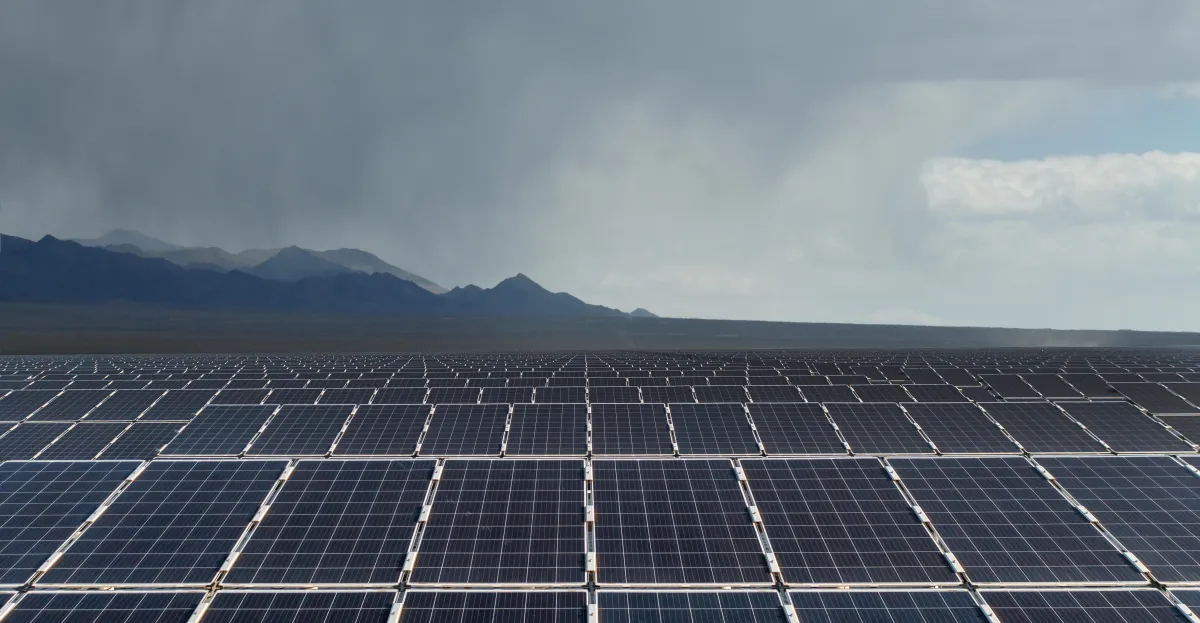
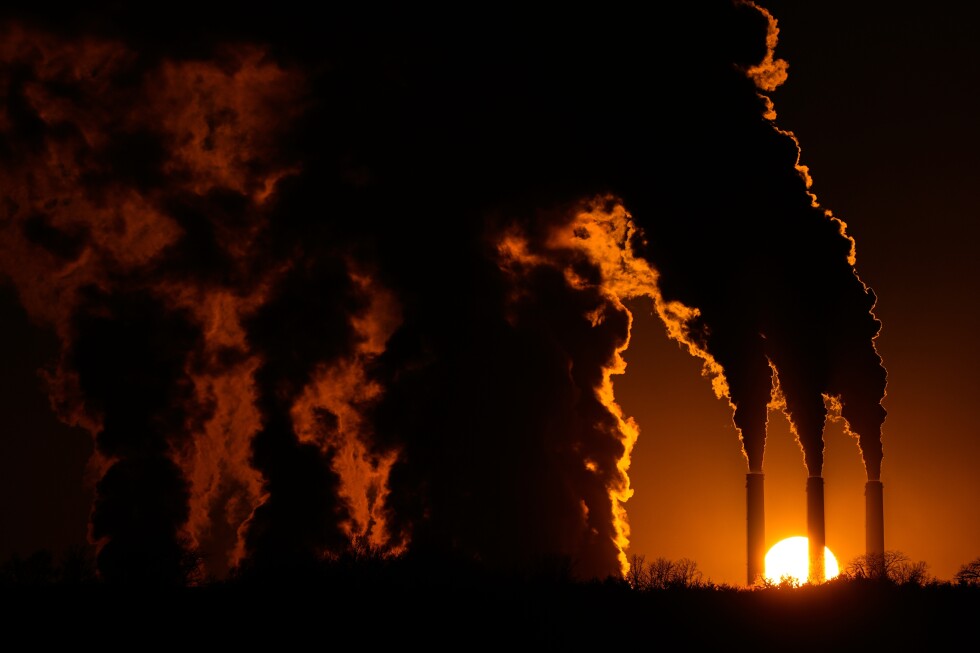
It reflected the knowledge and energy trends of the late 2000s, when the world was more reliant on burning planet-heating coal, oil and gas. But those trends have now changed.
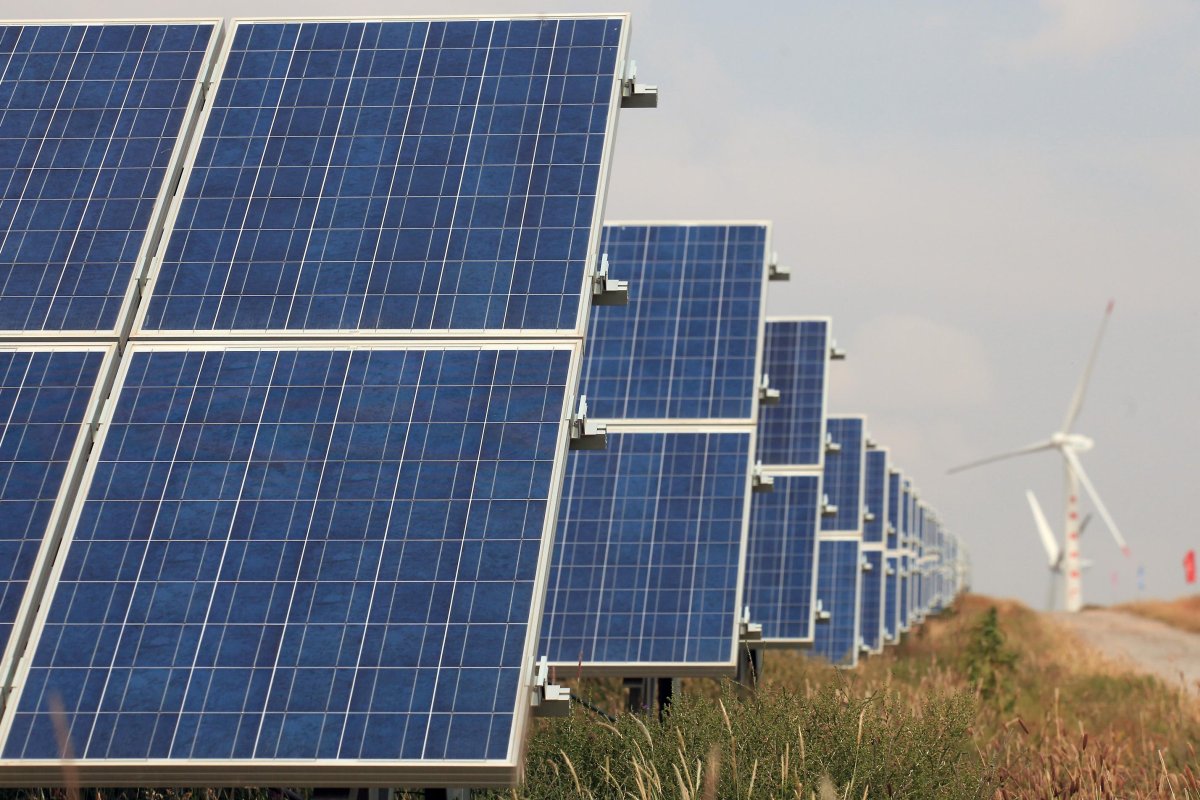
The world is not heading toward the worst-case scenario "because we've actually taken political measures allowing us to move away from that," French climate scientist Christophe Cassou told the AFP news agency.