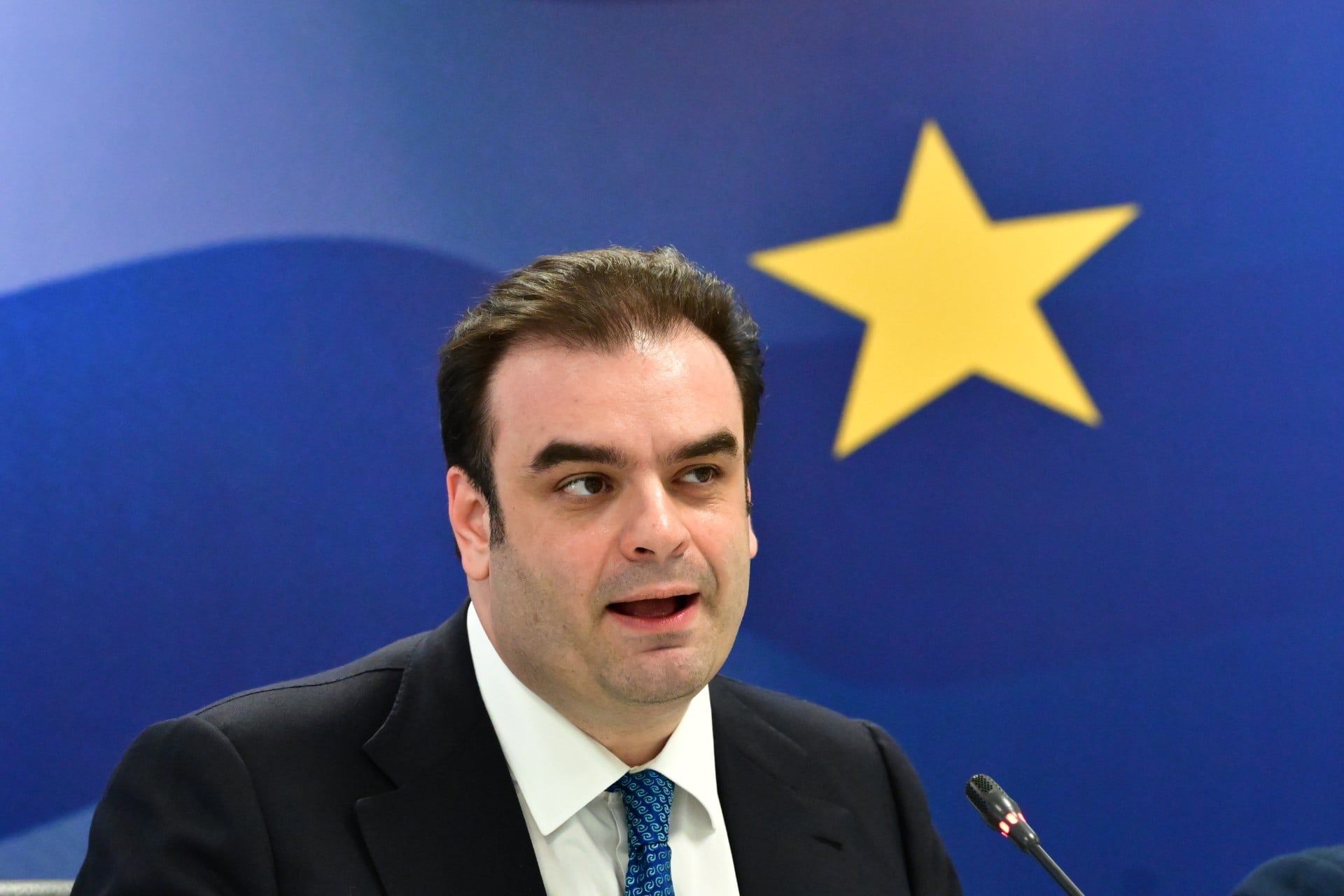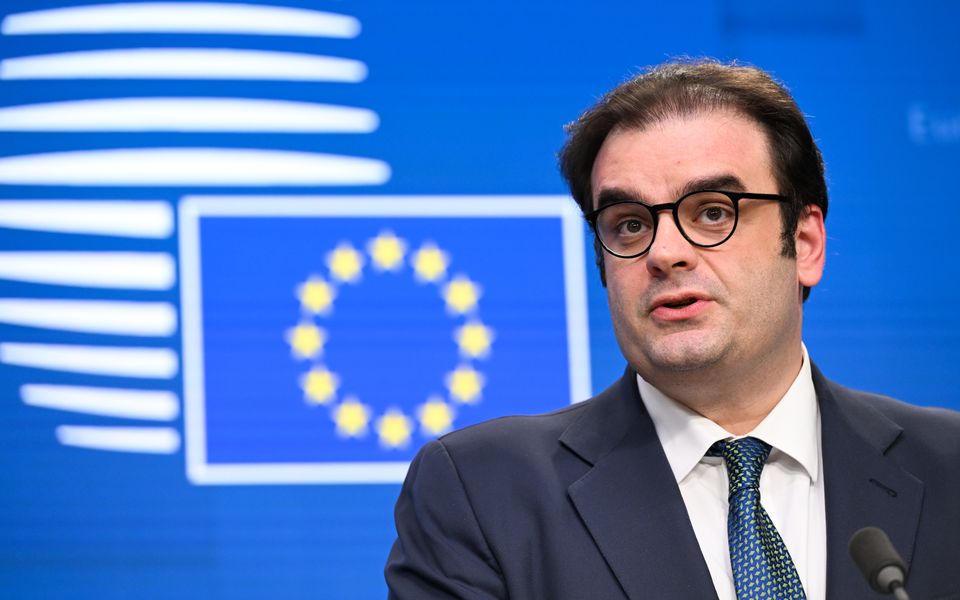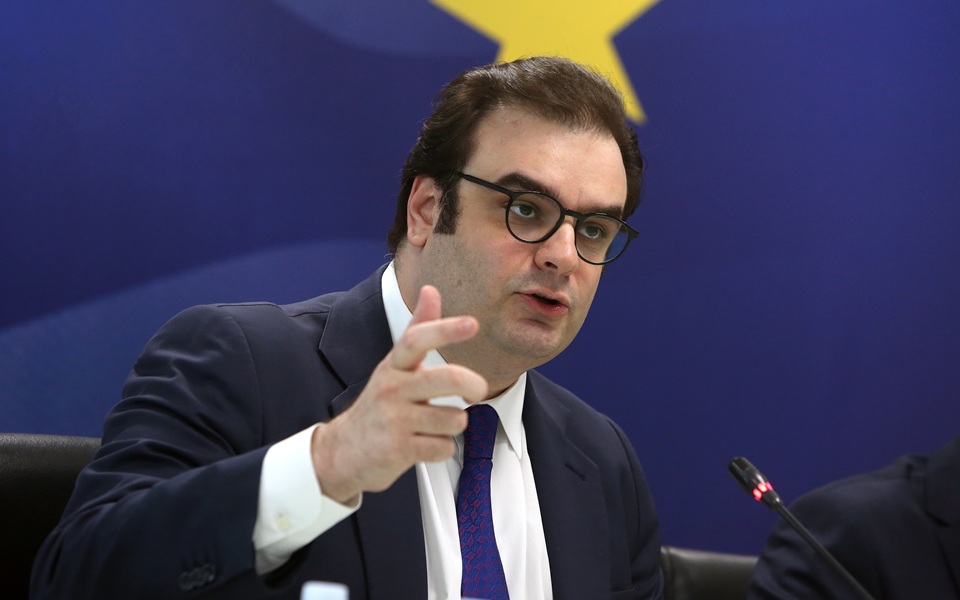
Many of the sweeping economic reforms imposed on Greece during its decade-long debt crisis were “absolutely necessary” and contributed to the country’s current financial health, the country’s finance minister told the Financial Times on Thursday.
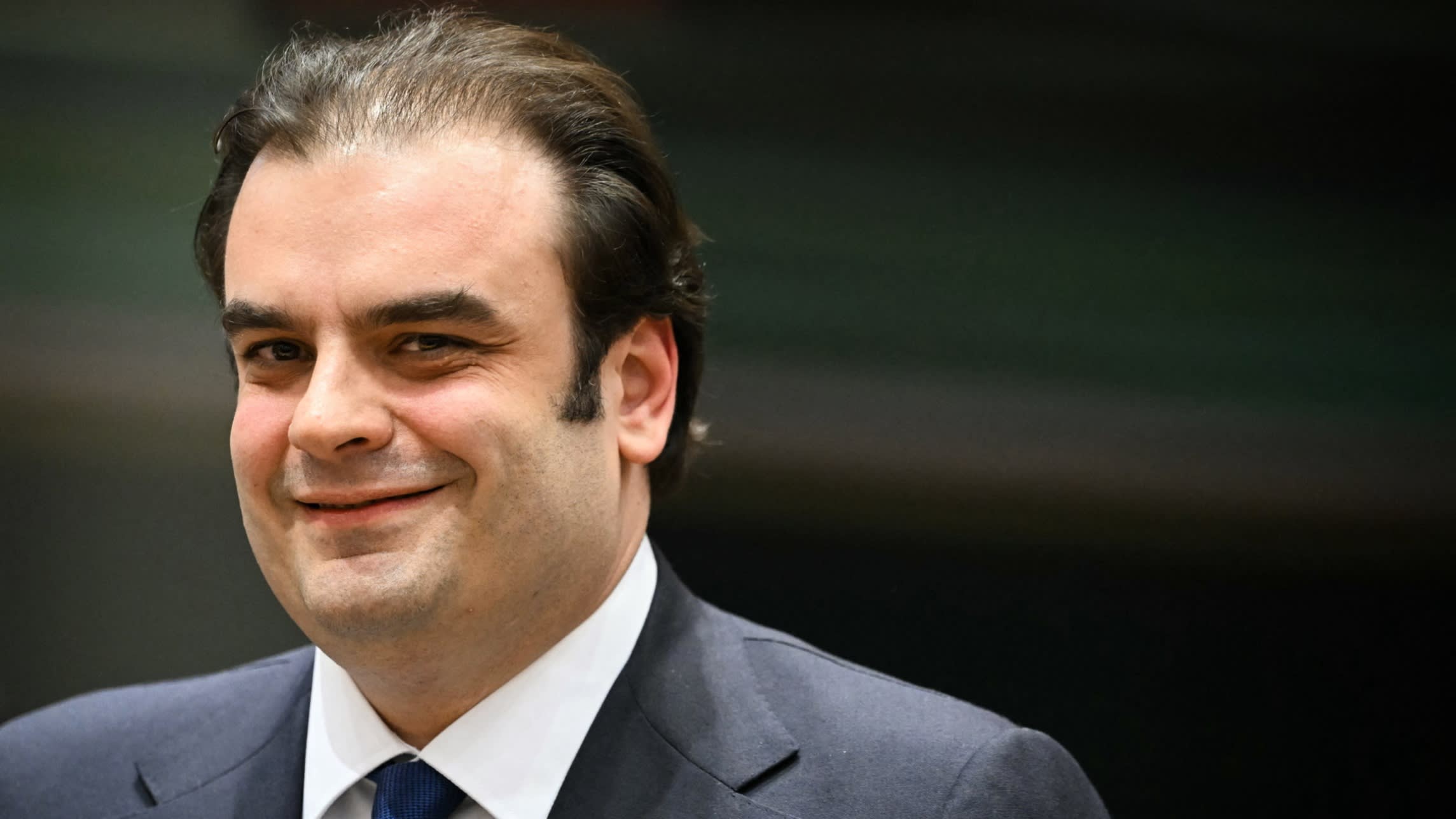
“There were many reforms within those stabilization programs which were absolutely necessary,” Kyriakos Pierrakakis, who is also the president of the Eurogroup of EU finance ministers, said. “They were the sine qua non of being able to achieve today’s performance,” he added, describing them as an essential condition.
But Pierrakakis also noted the programs’ shortcomings, saying the lenders’ handling of the crisis had both “positive” and “negative” dimensions, and calling on European policymakers to focus on repeating “what worked rather than what didn’t” when drawing lessons for future rescue programs.
Greece received more than €250 billion in financial assistance between 2010 and 2018 from the European Commission, the European Central Bank and the International Monetary Fund, collectively known as the troika.
The measures imposed on Athens triggered years of recession, political turmoil and mass protests. Greece’s economy contracted by about 25% between 2008 and 2013, while unemployment climbed above 26%.