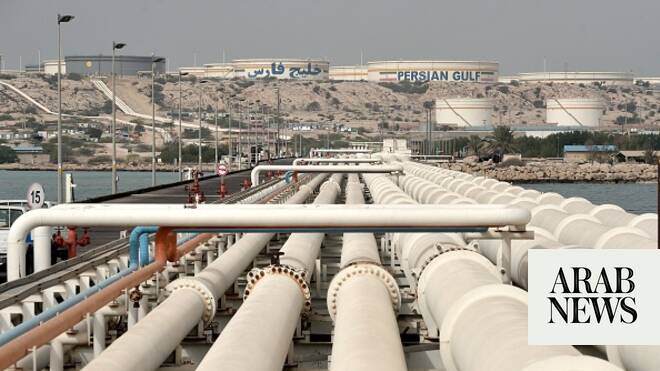
The Iran crisis may look like a faraway geopolitical story, but Kenyan traders know better. When tension rises around the Gulf, the reaction rarely stays there. Oil prices move, shipping fears grow, the dollar gets attention, and suddenly the Kenyan shilling is part of the conversation.
That is why forex trading in Kenya becomes more delicate whenever Iran related tension escalates. A trader in Nairobi may be watching USDKES from a phone screen, but part of that movement can begin much earlier, through oil routes, dollar flows, and global investor fear.
For Kenyan traders, the main risks are not complicated. Oil can get expensive. The dollar can strengthen. Inflation can creep back into daily life. The problem is that these three risks often arrive together, like traffic piling up on Mombasa Road after one small accident.
Risk 1: Oil Prices Can Put Fresh Pressure on the Shilling
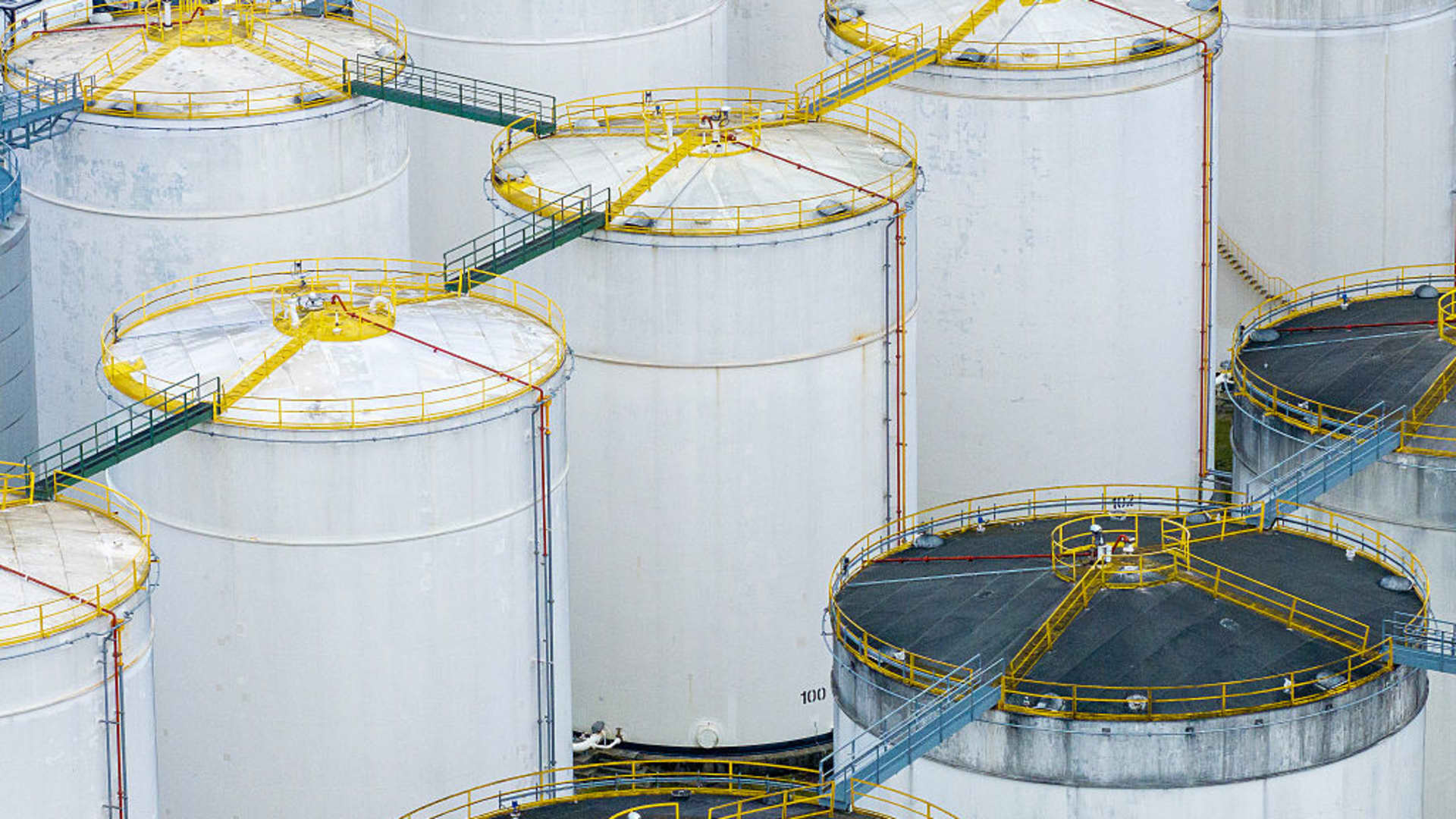
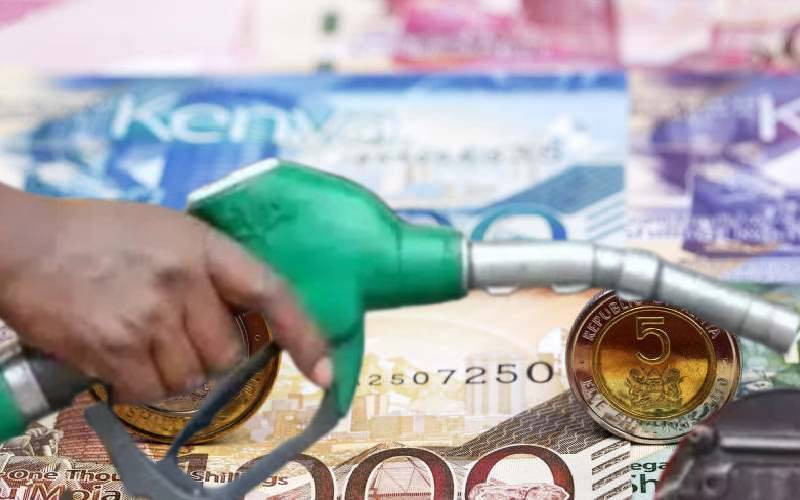
Oil is usually the first place traders should look when the Iran crisis heats up. Kenya imports fuel, and fuel is paid for in foreign currency. So when crude prices rise, the pressure does not stay on global commodity screens. It can reach Kenya’s currency market very quickly.