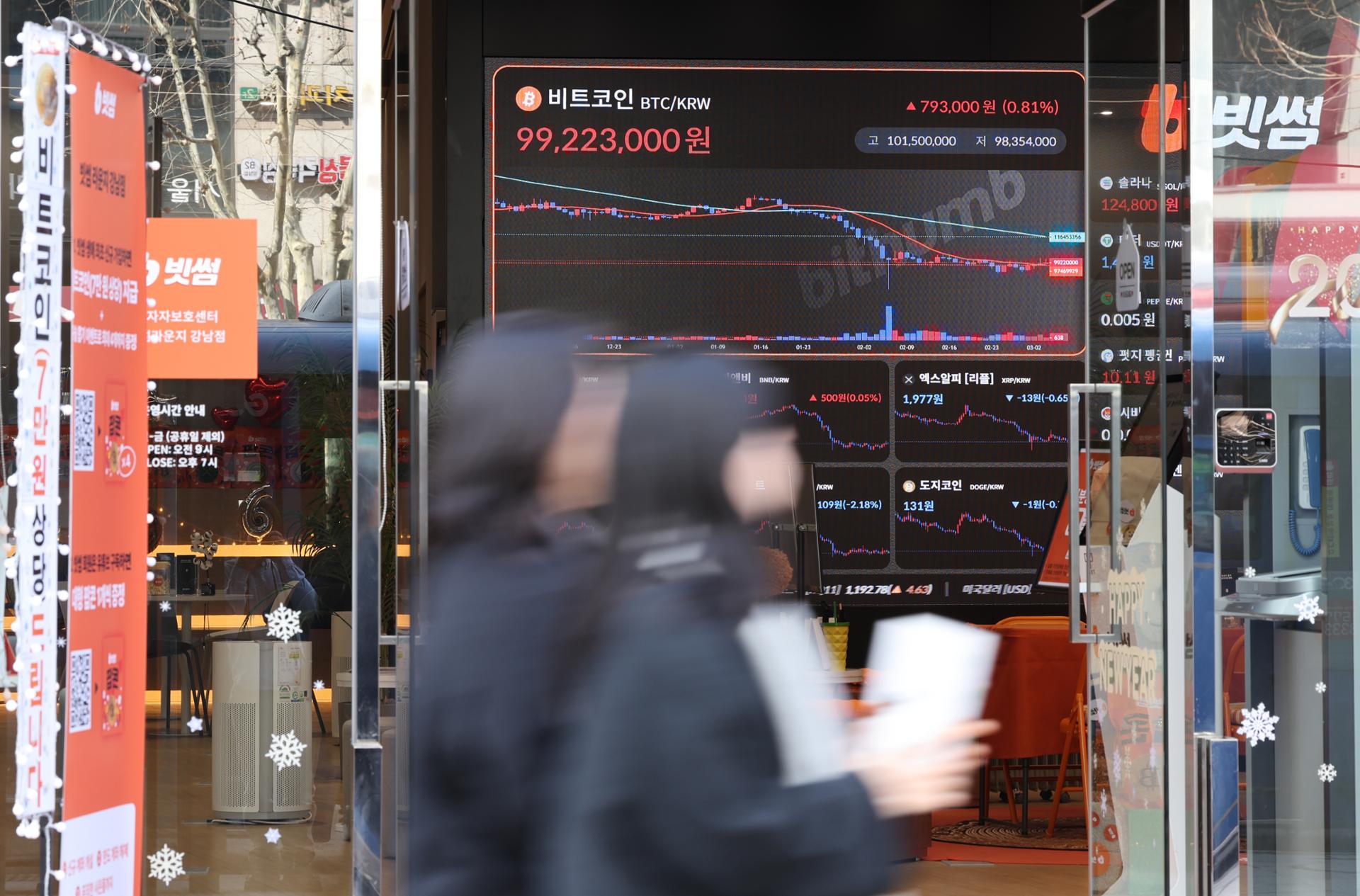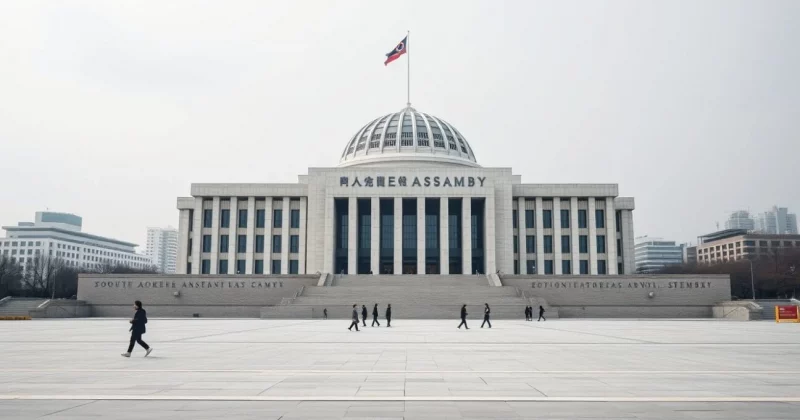
More than 52,000 South Koreans have signed a petition calling for the outright abolition of the country’s planned crypto tax, and it has been formally submitted to the National Assembly. That signature count crosses the threshold required to force parliamentary committees to actually review the demand, turning what started as grassroots frustration into a legislative event.
The core complaint is straightforward: retail crypto investors believe the tax framework treats them unfairly compared to stock market participants. And when you look at the numbers, it’s hard to argue they’re wrong.
The tax that won’t die (but also won’t arrive)
South Korea’s virtual asset tax has been in bureaucratic limbo for years. It was originally slated to take effect on January 1, 2022. That didn’t happen. Implementation has been delayed multiple times, with the current target date pushed to January 2026.
Here’s the thing. The tax itself imposes a 20% levy on annual virtual asset gains exceeding 2.5 million won, which translates to roughly $1,800 to $2,100. That’s not a high bar. For context, a moderately active trader could blow past that threshold in a single good month.