A substitute bill abolishing South Korea’s Renewable Portfolio Standard and replacing it with a government-led auction system cleared a key National Assembly committee this week.
May 20, 2026
South Korea’s National Assembly has taken a step toward replacing its 13-year-old renewable energy quota system with a government-led auction model, as a key committee approved a substitute bill this week to abolish the renewable portfolio standard (RPS) and phase out the certificate market underpinning it.
The proposed amendment, introduced via South Korea’s National Assembly Bill Information System in January, would shift the country’s solar and wind revenue support framework from obligation-based certificate trading to centrally procured long-term contracts, although it still requires additional review and a plenary vote before taking effect.
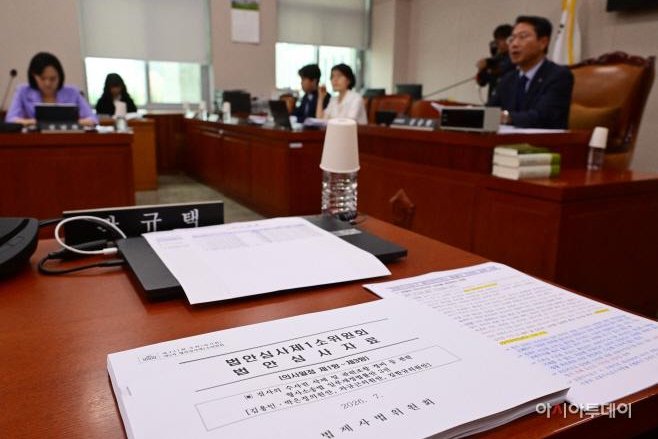
South Korea’s Climate, Energy, Environment and Labor Committee approved the substitute bill on May 19 incorporating provisions from the original proposal, which was introduced by Democratic Party lawmaker Kim Jung-ho and 11 co-sponsors. The original bill proposed abolishing the RPS and establishing a contract market system in which the government sets renewable energy deployment volumes and targets, then selects developers through competitive auctions and awards long-term contracts. The substitute bill carries those provisions forward in revised form.