NPR/Pantheon/Vintage
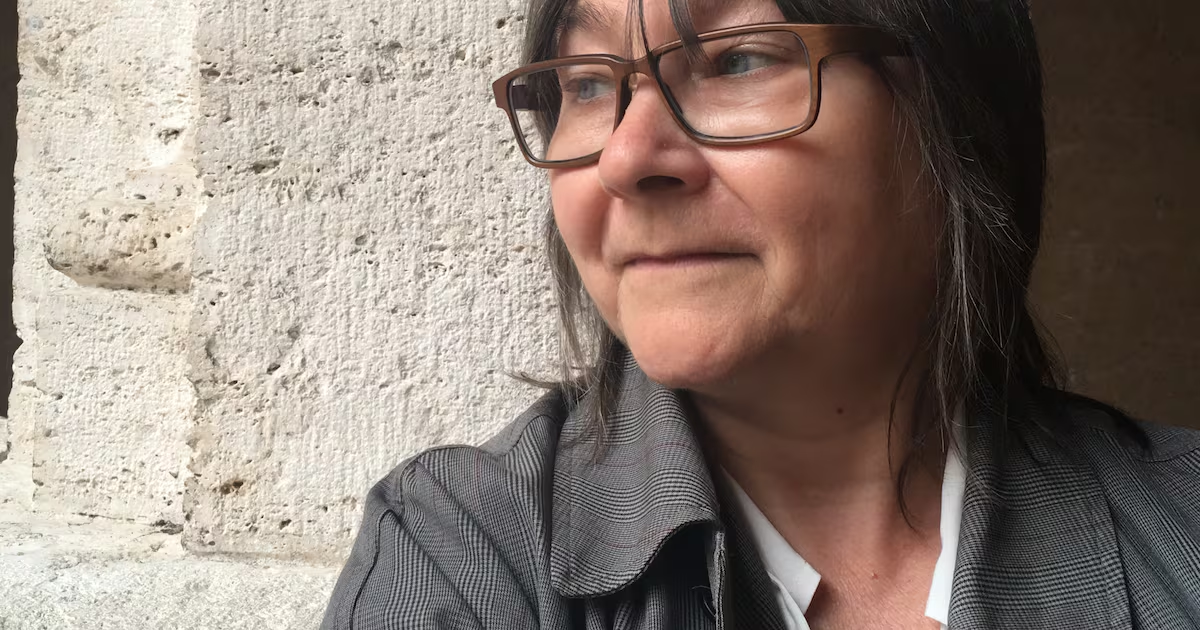
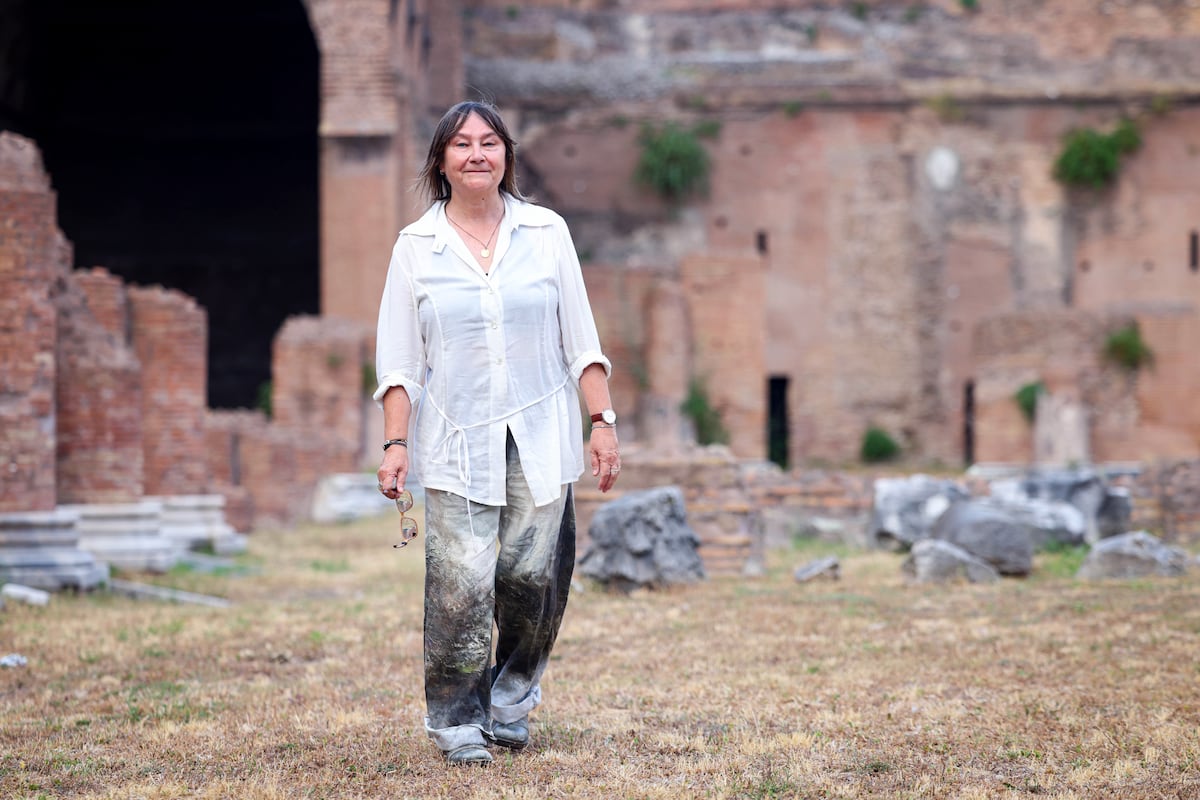
How does Scottish author Ali Smith manage to offset despair with delight even in novels that tackle serious issues such as loss, grief, war, injustice, and insidious curtailments of freedom? The answer lies partly in her fervent belief in the life-enhancing powers of decency, human connection, and art, which underpins all her work. Along with compassion and hope, she has brought clever structural innovations and verbal playfulness to ambitious projects like her masterful Seasonal Quartet, written during and about the stark days of Brexit and Covid, and How to Be Both, in which two narratives loosely connected by a Renaissance mural, but separated by centuries, can be read in either order.
Pulling off these literary feats with the extra challenges Smith sets for herself makes me think of the nimble dancer Ginger Rogers, about whom it's been said that she did everything Fred Astaire did, albeit backwards and in high heels. As a writer, Smith, too, is light on her feet.
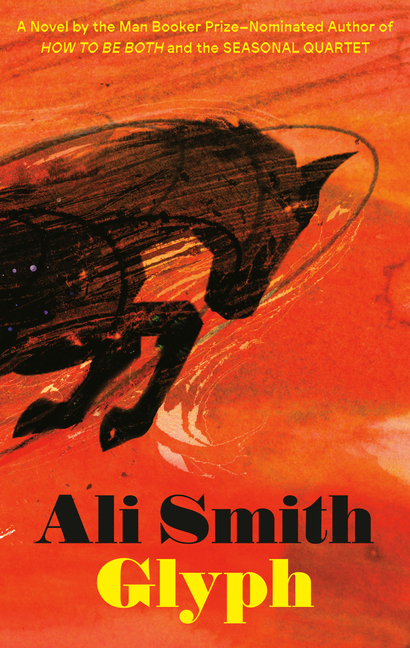
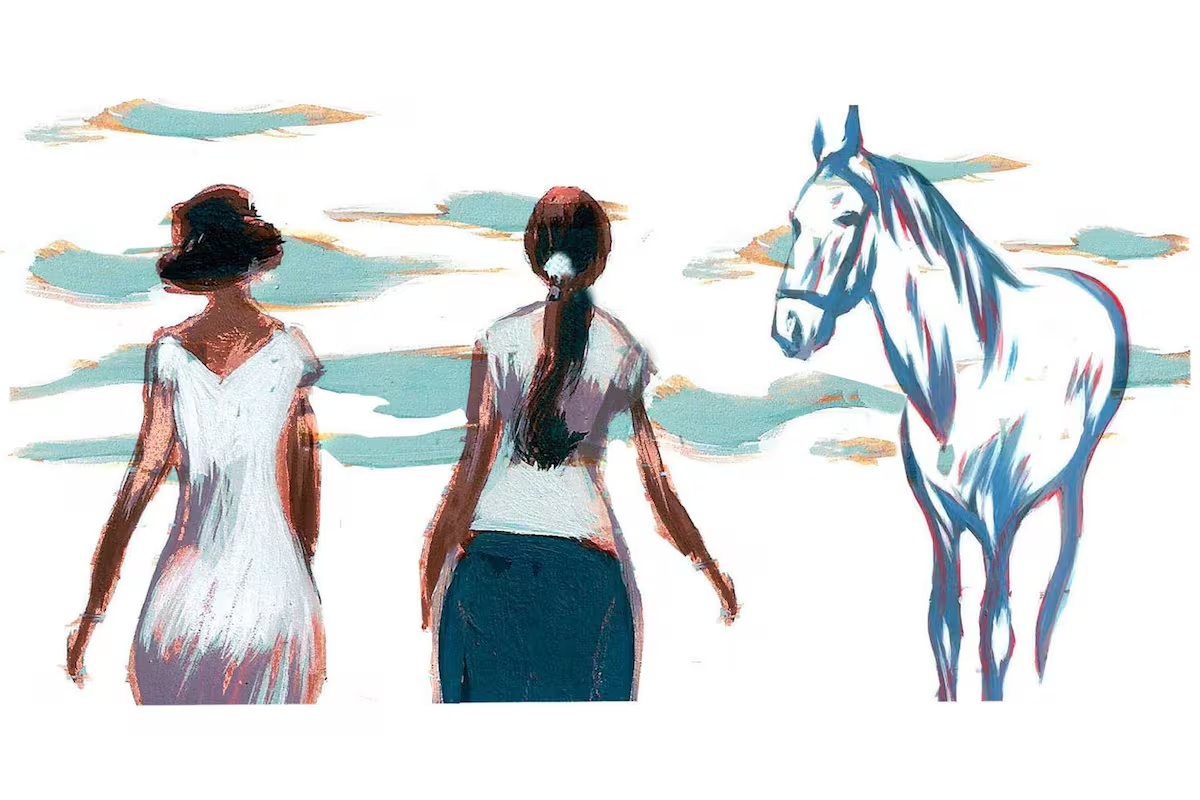
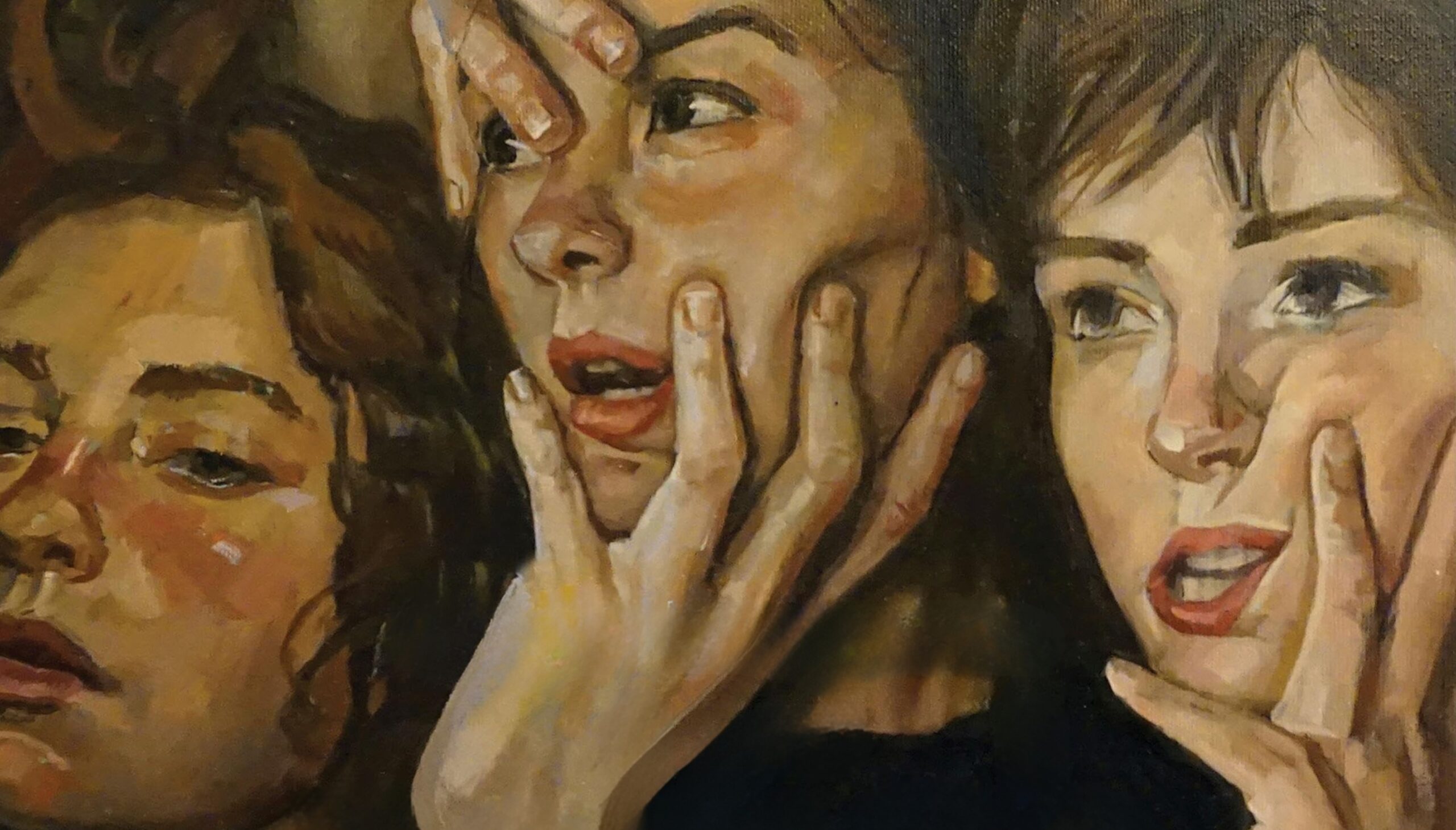
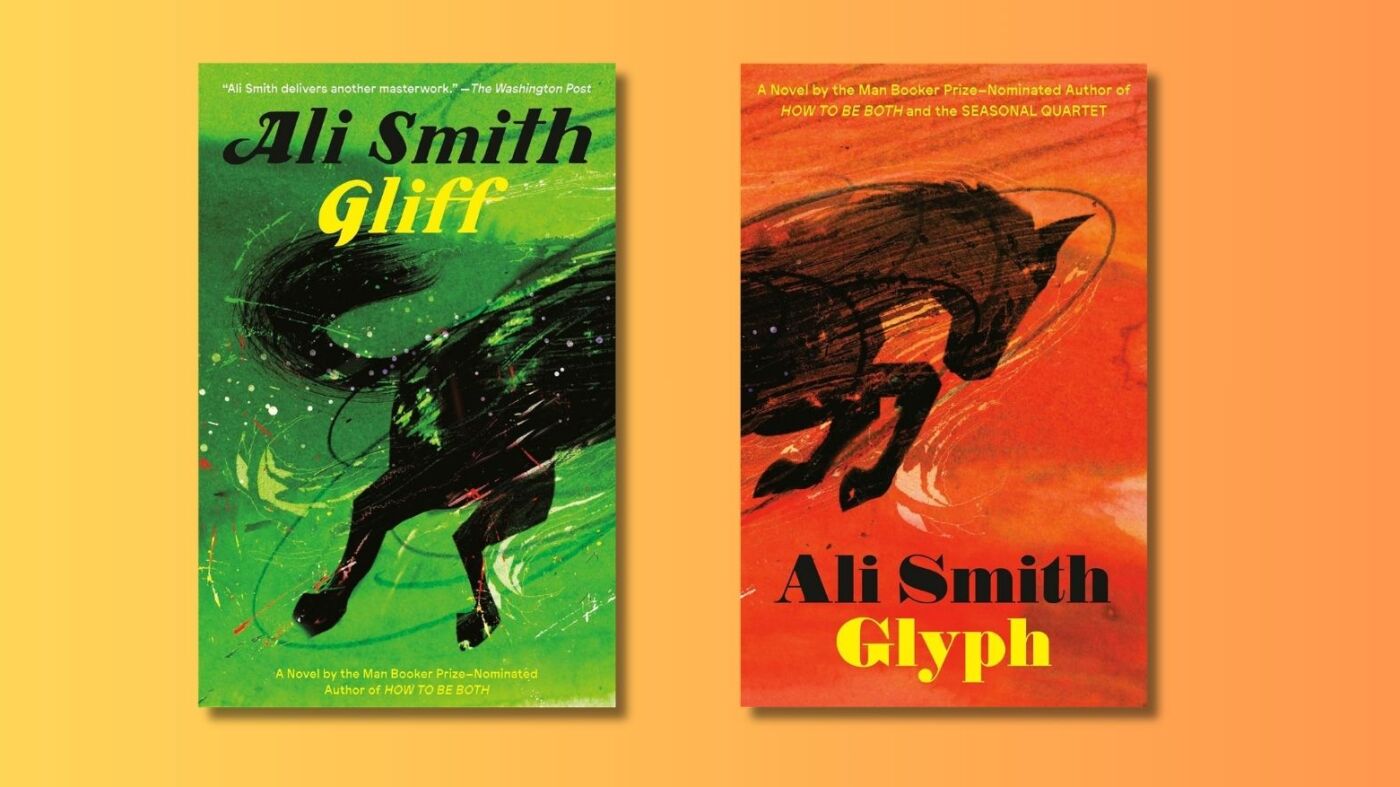
Her latest literary challenge is a pair of novels published a year apart with confusingly similar titles — Gliff and Glyph. Bleakness dominates last year's Gliff, a chilling Orwellian dystopia about a cruel political regime that strips people of their rights and subjects these so-called "unverifiables" — including children -- to abuse. Newly published and tangentially related, Glyph restores Smith's usual balance between darkness and light. Both novels are thought-provoking, although somewhat less beguiling than her usual fare. Gliff, the reader is told, is a Scottish vernacular term meaning to glimpse briefly or to be startled suddenly. Its homophone, glyph, means to carve, mark or engrave — as in petroglyphs. So one is temporary; the other, etched in stone, is more permanent. Like much of Smith's work, both novels involve preternaturally wise children who lose their mother too young. Gliff features a brother and sister, aged 16 and 12, bravely trying to navigate the scary new world order on their own after their mother's disappearance. At the heart of Glyph are two sisters wrestling with the death of their young mum and the horrors of war, including the current situation in Gaza.