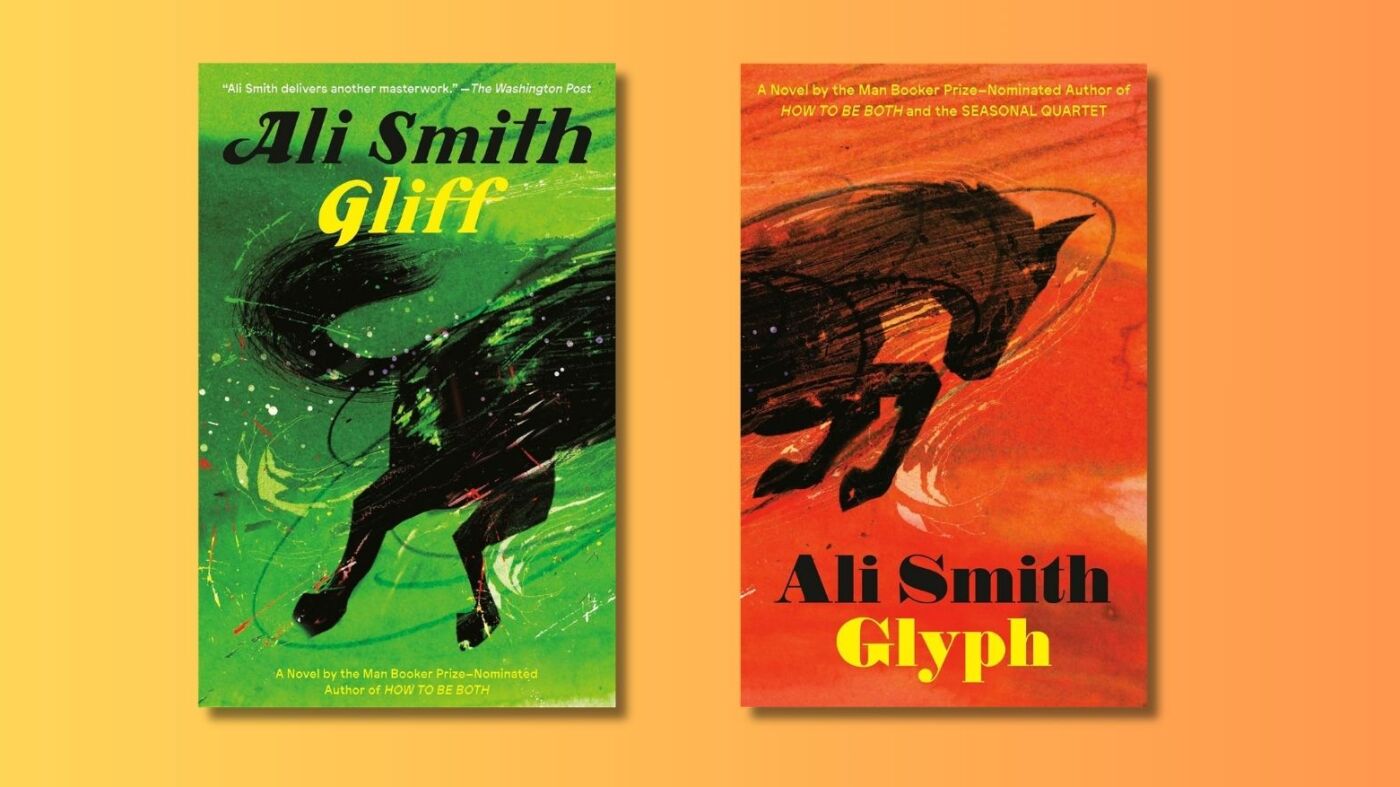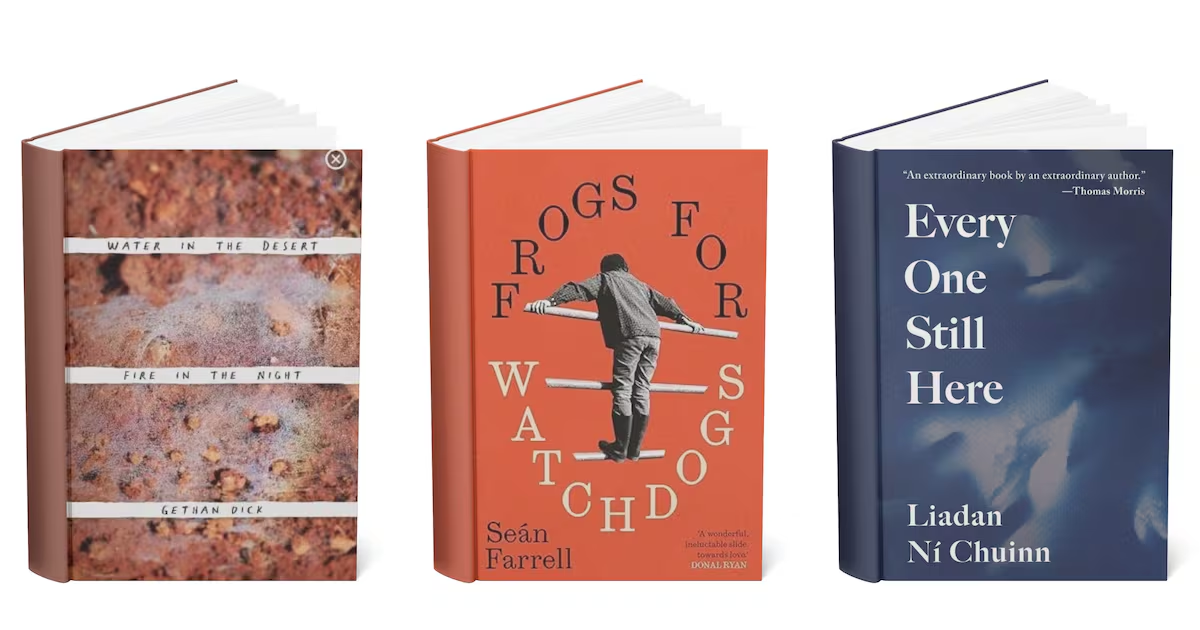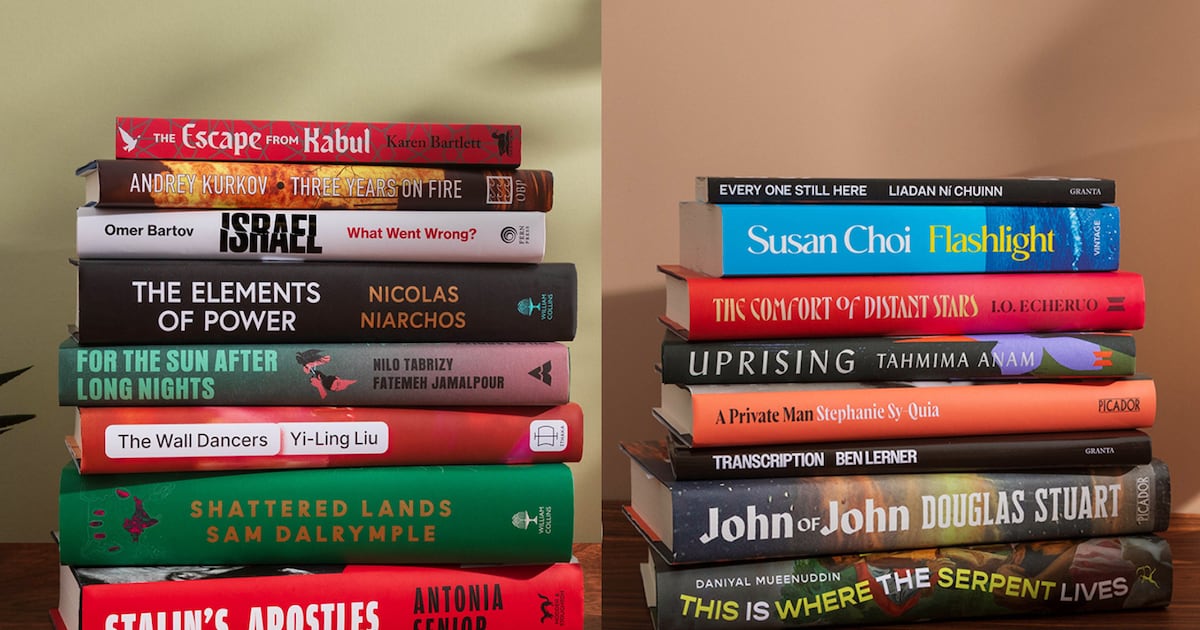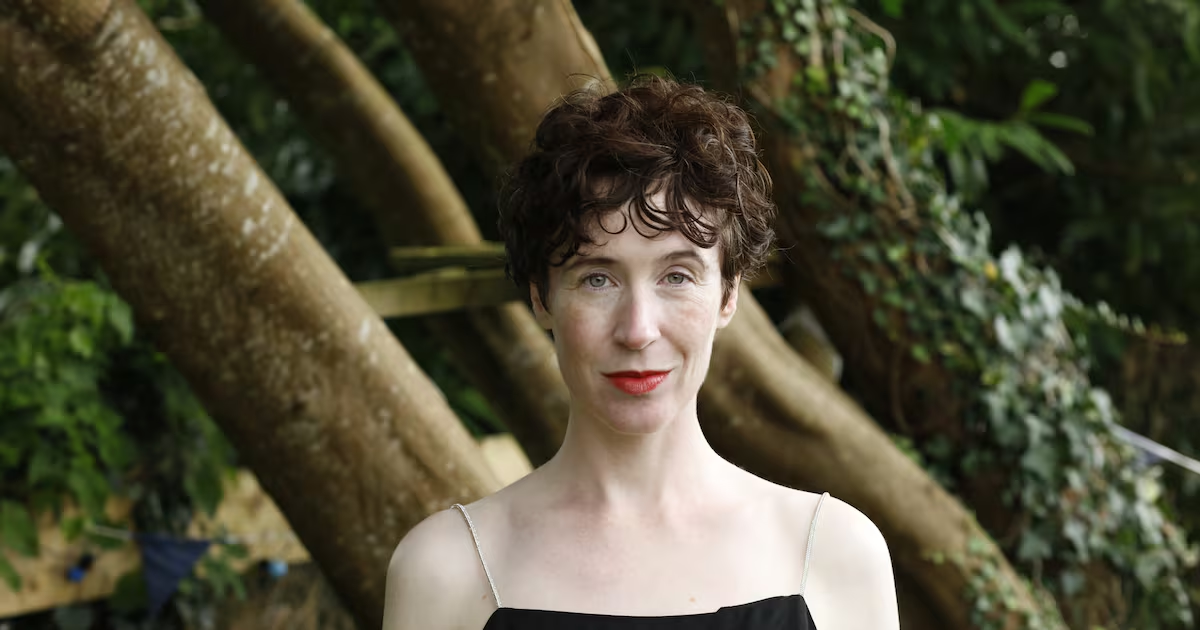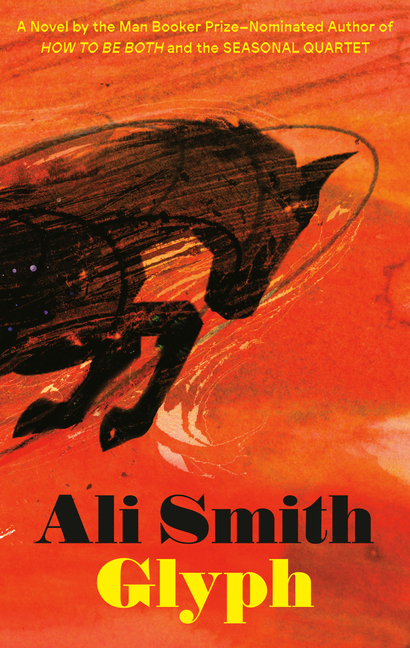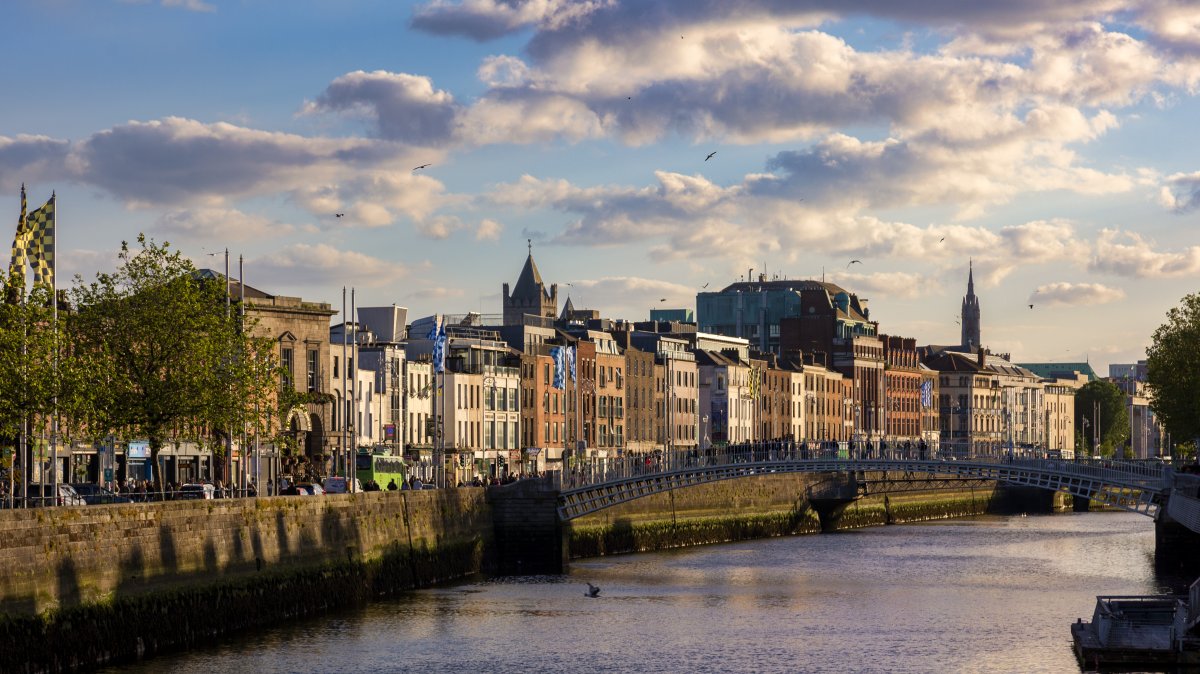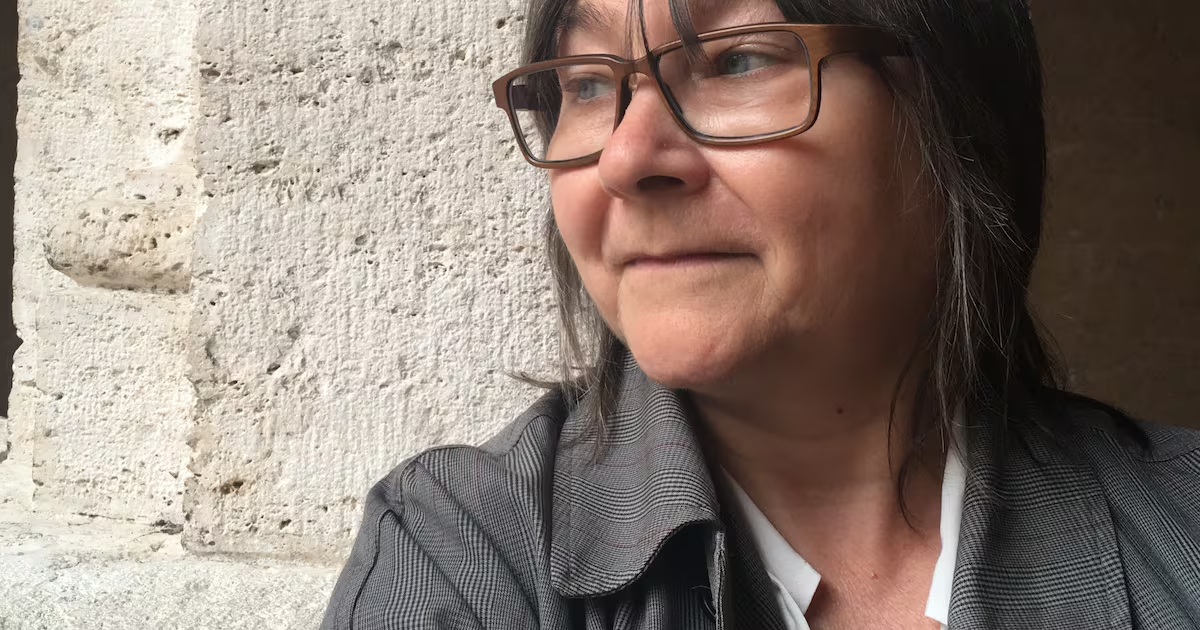
Scottish author Ali Smith has won the 2026 Dublin Literary Award, worth €100,000, for her novel Gliff. Sponsored by Dublin City Council, the award, now in its 31st year, is the world’s largest prize for a single novel published in English.Anthony Flynn, deputy chief executive of the council, presented the prize at the International Literature Festival Dublin in Merrion Square Park. Anna Burns, who won the award in 2020 for Milkman, delivered a keynote speech.Cllr Ray McAdam, Lord Mayor of Dublin and patron of the award, said: “Gliff is a remarkable and deeply powerful work. Through the eyes of two young protagonists navigating an increasingly authoritarian society, we are reminded that courage is not always loud, but it is always consequential. Their resilience, their humanity and their refusal to surrender hope speak to something timeless within us all. “At a moment when democracy across the world can too often feel fragile, this novel is a powerful reminder that freedom, dignity and democratic values should never be taken for granted.”Smith said: “I couldn’t be more amazed and delighted that my novel has come to the surface and won the Dublin Literary Award. This is an award prized among writers, who know that the award’s formation, its ear and eye for what matters most, and its profoundly literary legacy, all make it the best – an award that dares always to be international and that knows the importance of translation – the beating heart of all writing. “It’s an award whose nominations all always come from worldwide public libraries and their readers – in other words from the open heart of communal thought and imagination. It’s also an award that’s built, over its years, its own astonishing library of nominated works by a roster of writers I’m grateful now to find myself among.“What a thrill. What a homecoming for my book, a book very much about who and what makes a home for those who find themselves out in the world looking for exactly that. I still can’t quite believe my luck.”Smith will appear at the festival for an in-depth conversation about the novel with Belinda McKeon on Friday, May 22nd, at 6pm in Merrion Square Park.“Ali Smith has strong ties with Ireland, and I am delighted that she has won. It’s heartening that a Hungarian library nominated the winning title, showing how great literature can strike a universal chord,” Richard Shakespeare, chief executive of the council, said.Gliff by Ali Smith Nominated by Katona József Library, the winning novel was chosen from a shortlist of six novels by writers from Canada, France, the UK and the US. The longlist of 69 titles was nominated by 80 libraries from 36 countries.Prof Chris Morash of Trinity College Dublin, chair of the 2026 judging panel, said: “The finest fiction has always told us not only who we have been as human beings; it has also shown us what we can become, for better, or for worse. Ali Smith’s Gliff is fiction at its finest, showing us how the best of what we are survives the stupidity of power in a world that seems intent on stumbling towards authoritarianism.”The other judges were novelist Xiaolu Guo, former ambassador and author Daniel Mulhall, author Disha Bose, poet and author Dike Chukwumerije and translator Clara Ministral.“Ali Smith’s Gliff is a book about two homeless children who befriend a horse,” the judges’ citation said. “This seemingly modest plot, however, is the basis for a dystopian novel which will seem unsettlingly contemporary to any reader. As we follow two young siblings trying to survive a bewildering new world, there is a hum of destruction in the background. The data collection, surveillance, societal labelling and otherness are all too familiar to present-day. “Like with the names of the protagonists, Briar and Rose, Smith is linguistically playful in this book, often humorous. This adds not only to the sense of foreboding but also to the shift and loss of language in this landscape set in our near future. It is a speculative novel, but accessible to all reading tastes. It nudges the reader to reflect on the future of education, environmental destruction, family and human survival.”
Dublin Literary Award 2026: Ali Smith wins €100,000 prize for Gliff
Novel follows young homeless siblings as they try to survive a bewildering new world
693 words~3 min read