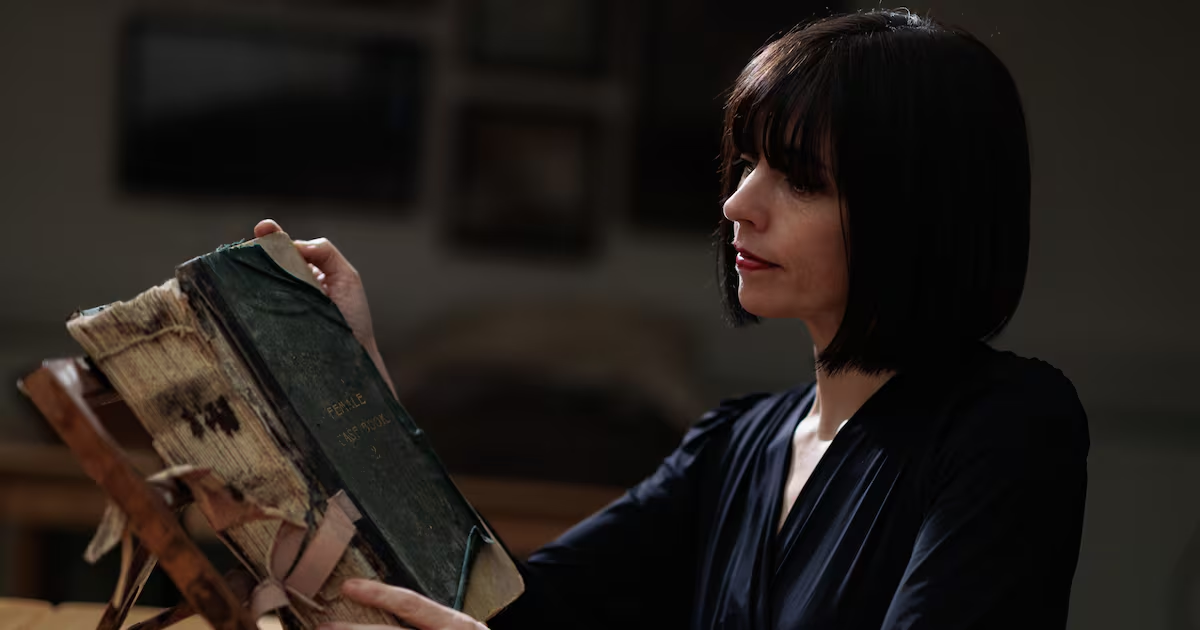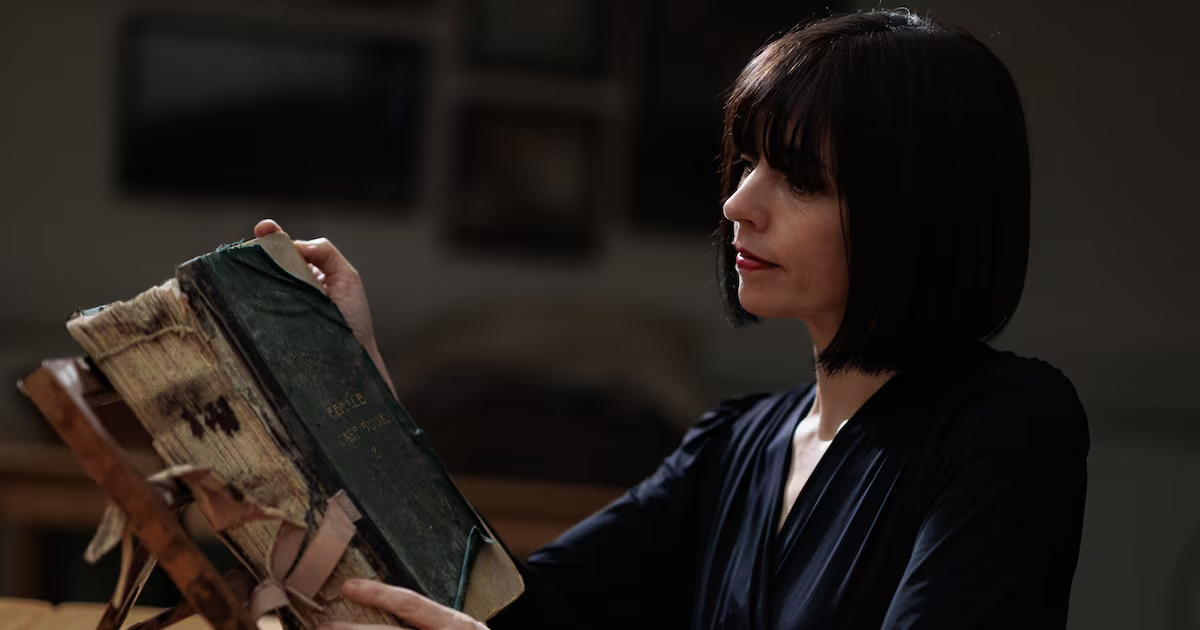
The acclaimed author and poet talks about her new book, telling the true stories of patients at a derelict Victorian psychiatric hospital – a place in which she might have found herself at a different time
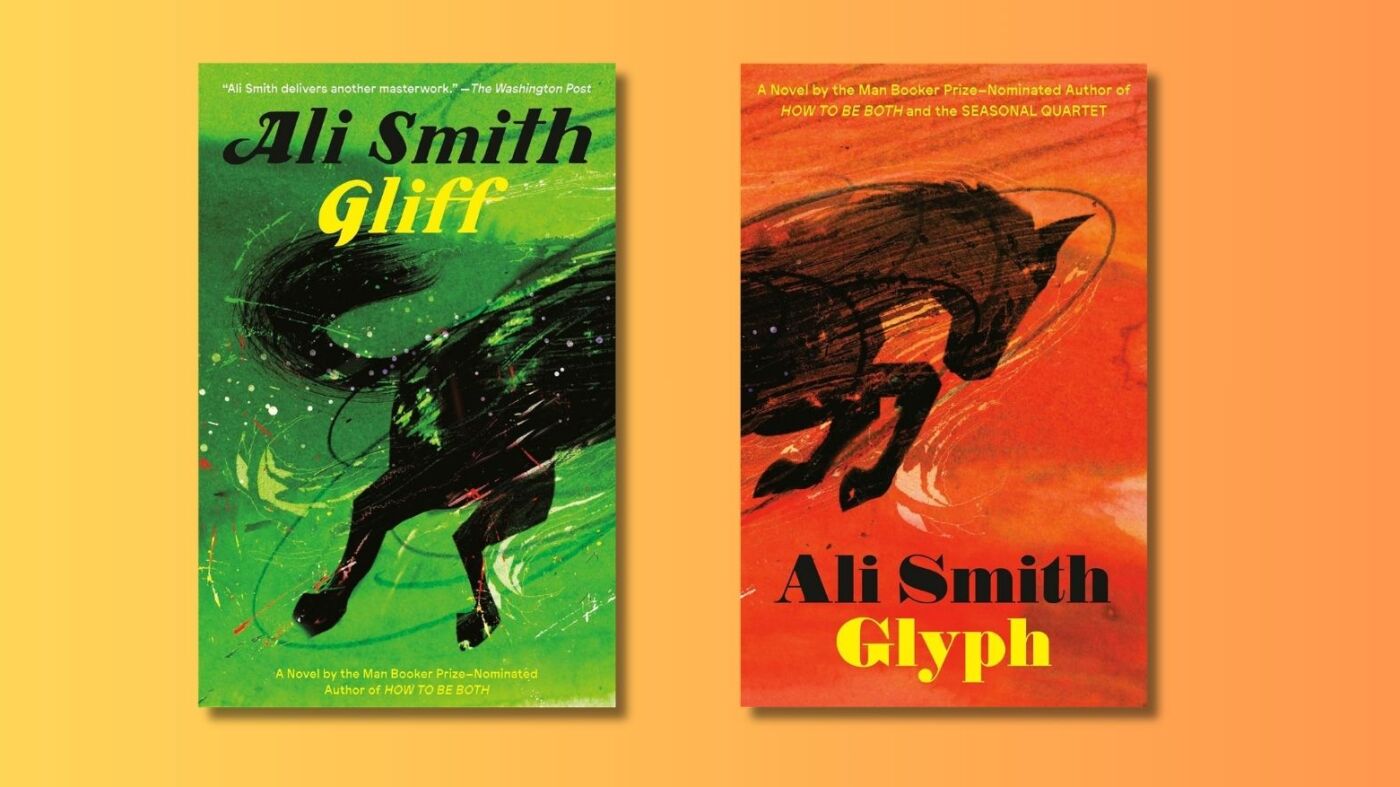
oireann Ní Ghríofa wrote much of her first book of prose, A Ghost in the Throat, sitting in her car on the top floor of a multistorey car park, having dropped her children off at school in Cork city. Whatever works: her imaginative journey into the life and mind of 18th-century Irish poet Eibhlín Dubh Ní Chonaill was so convincing and original that it captivated readers and won the James Tait Black biography prize and, in Ireland, the An Post book of the year award. Having published several well-regarded collections of poetry, it seemed as if this blend of biography, memoir and meditation had enlarged the way in which she could write about her abiding preoccupation: the ever-present past.
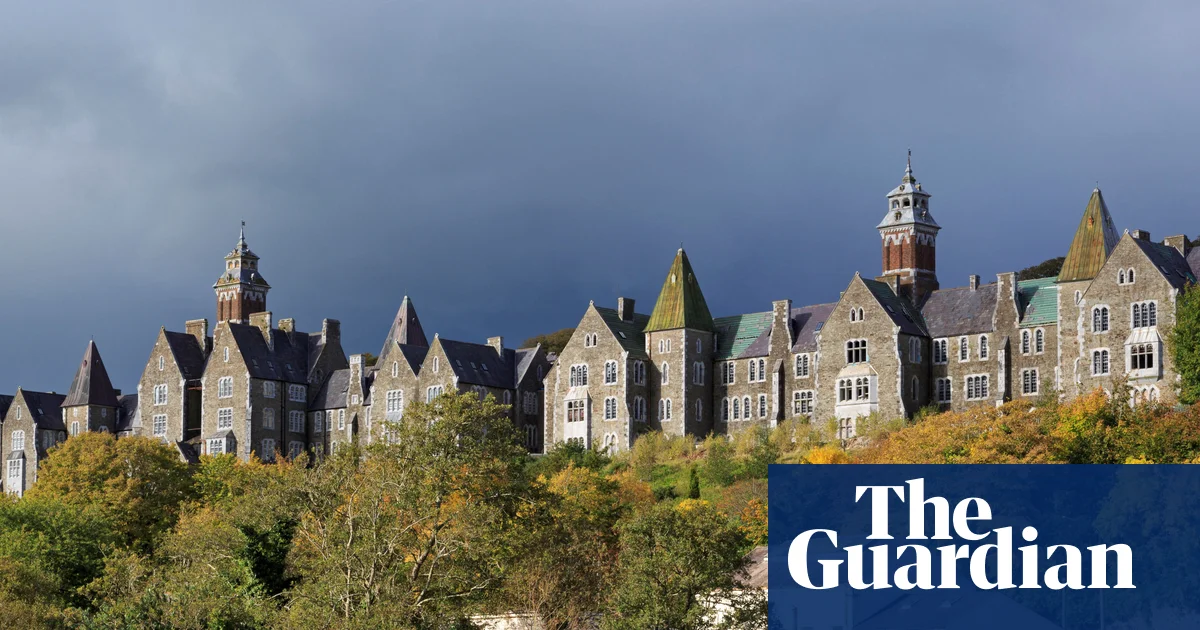
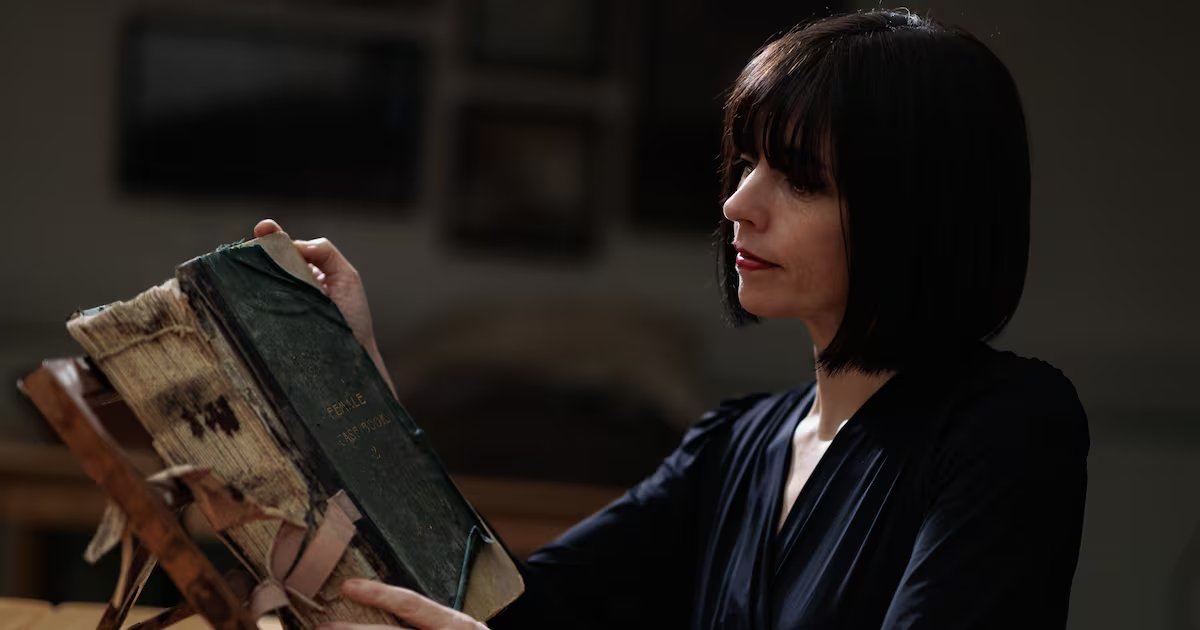
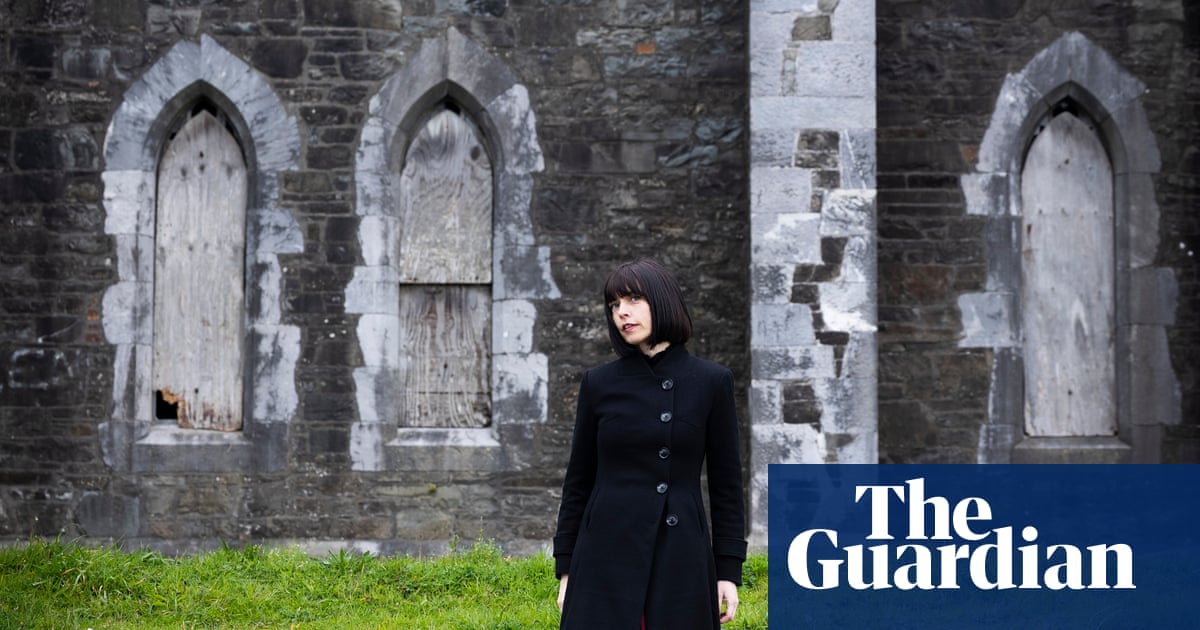
She returned to her car to work on her new book, Said the Dead. But this time, it was parked in front of a vast building high on a hill overlooking the river Lee, one half of it derelict and the other half transformed into apartments. Its history was long: originally referred to simply as the district asylum at the end of the 18th century, a grand gothic-revival building had been constructed during the 1840s, and named, after Ireland’s Lord Lieutenant, the Eglinton Lunatic Asylum; in the 20th century, it became the Cork District Mental Hospital and, in its last incarnation before closing in 1992, Our Lady’s Psychiatric Hospital. Many such institutions existed across Ireland, a patchwork of private and public mental health provision that operated against the backdrop of colonial rule, poverty and famine.