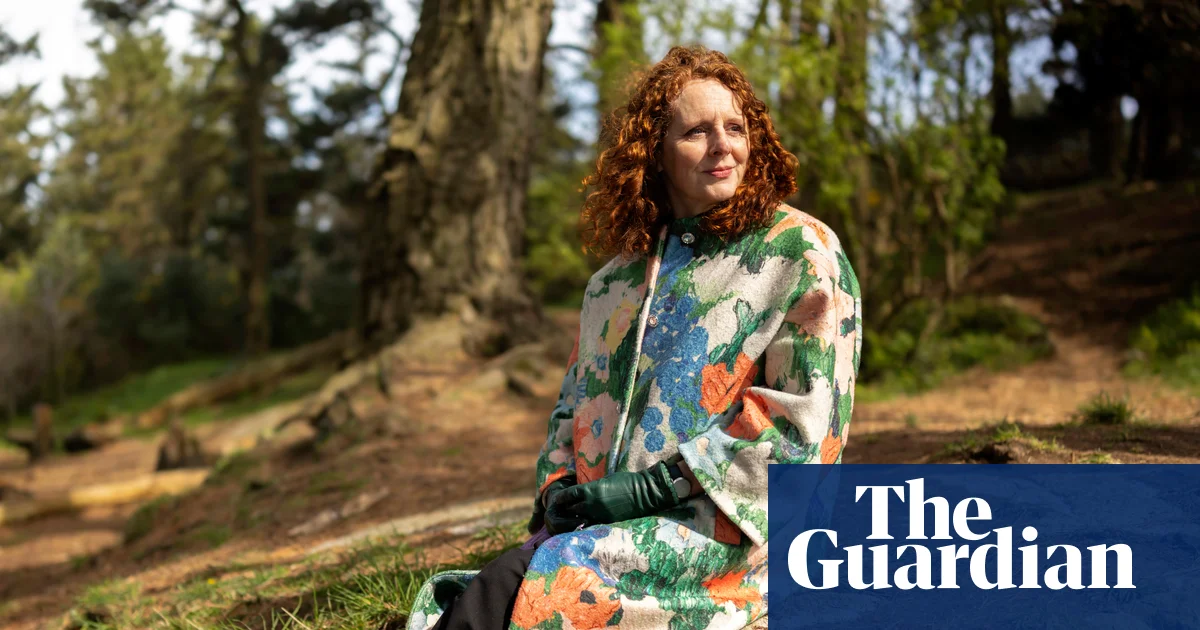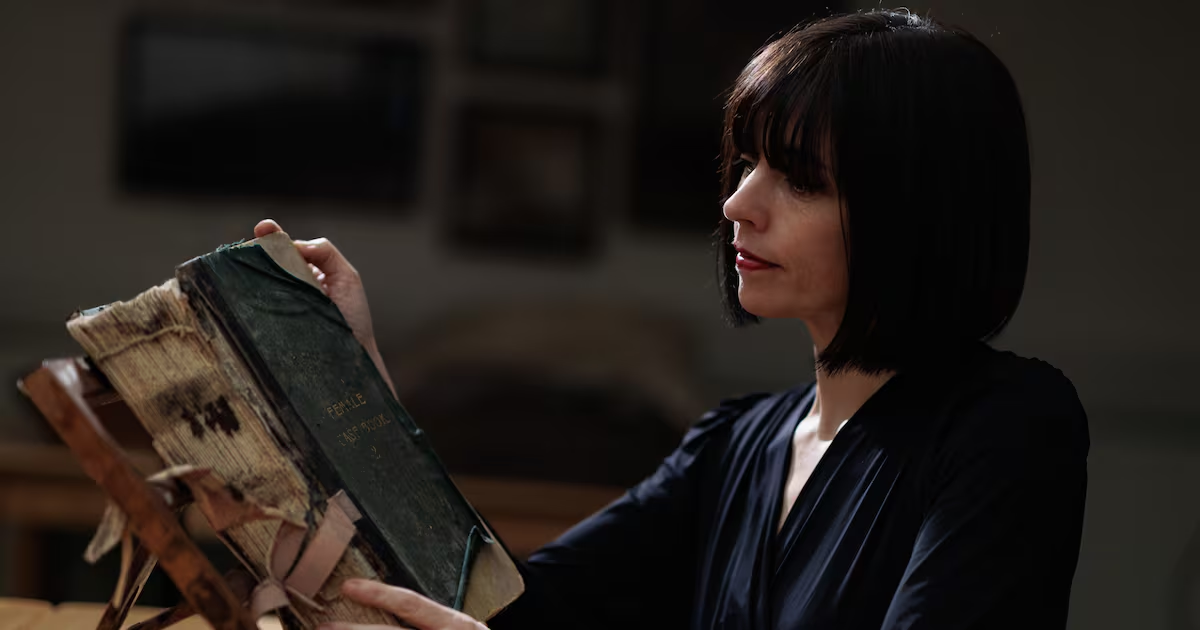
Stories within stories give fascinating depth to the prize-winning author’s third novel, about a woman’s return to her family home in the west of Ireland
E
laine Feeney’s third novel, following the success of her prize-winning debut As You Were and the Booker-longlisted How to Build a Boat, focuses on Claire O’Connor, a woman who has moved from London back to Athenry in the west of Ireland in the wake of her mother’s death. Her new life is disturbed when she finds her ex-partner Tom has moved in down the road. Or rather, that’s one thread in a story that becomes steadily more interesting than this simple set-up from the romance novelist’s playbook, as layers of family memory and trauma build up to form a portrait of the wider O’Connor family: all their history, the way it has shaped them and the traces it has left on the places around.
Claire shows herself to be unusually attuned to the history of her home place, telling stories about nearby Thoor Ballylee, where Yeats lived; Lady Gregory’s Coole Park; the place where Cromwell used to stable his horses. At first it seems a bit forced, a writer shoehorning in their research. But the tic begins to make sense as the marks of the past on Claire’s family are revealed; slowly, one realises that the enumeration of these histories is crucial to the way the O’Connors live. Central to this gradual discovery is Feeney’s use of stories-within-the-story; the novel is enlivened by a series of smaller, contained memories from Claire’s childhood, and tales reaching back a century to the time when the O’Connors first lived in the family home.