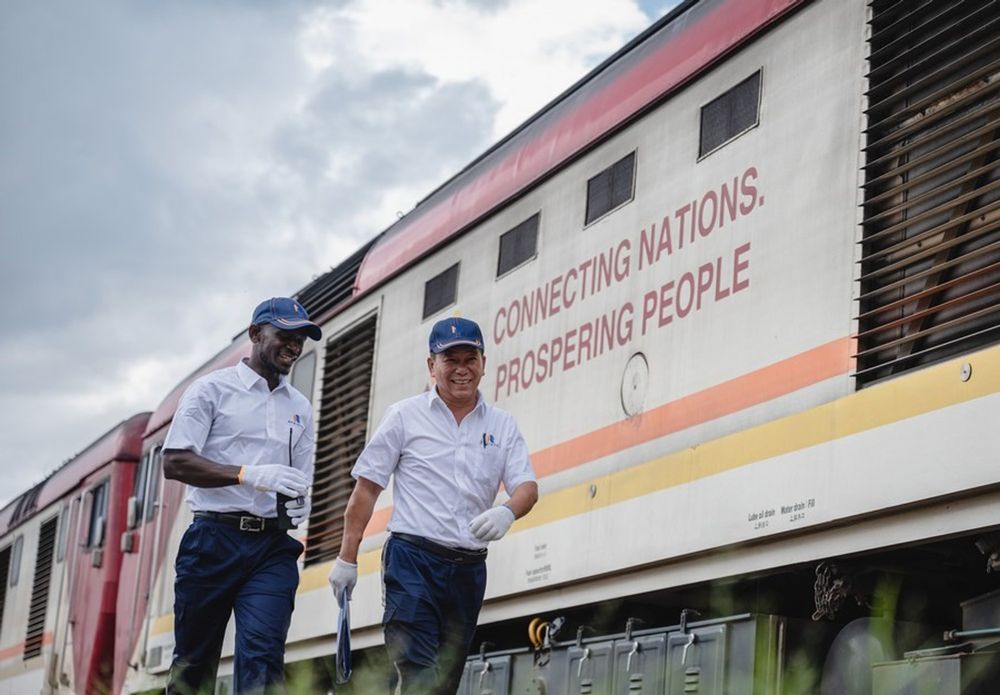
Chinese instructor Jiang Liping and apprentice Horace Owiti walk past a train carriage on the Mombasa-Nairobi Railway in Nairobi, Kenya, May 23, 2023.
China's relationship with Africa is undergoing a quiet but significant transformation, one that reflects deeper changes in the global economy as well as shifts within China itself. For years, the partnership was defined largely by massive infrastructure projects, including railways, ports, highways, and power plants, that became the most visible symbols of Beijing's engagement on the continent. However, recent developments in 2026 suggest that this model is evolving into something more complex and, potentially, more substantial.
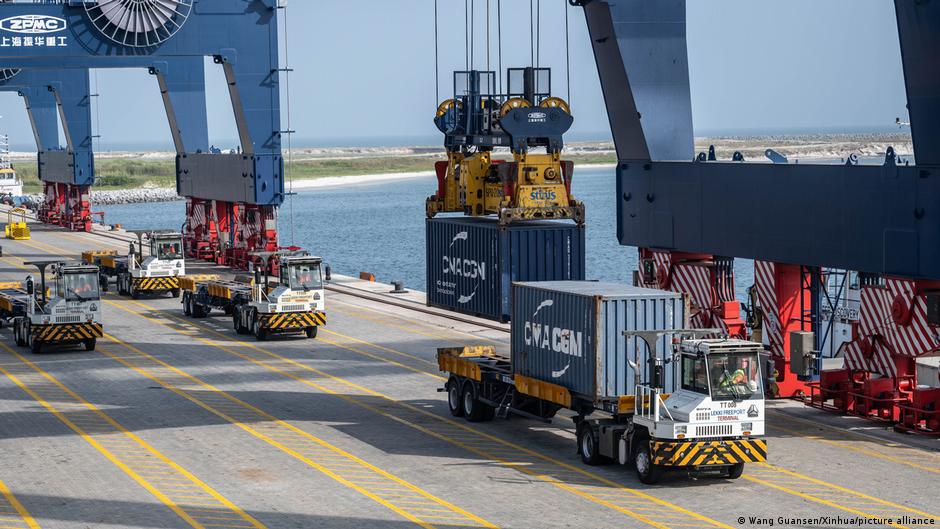
At the heart of this shift is China's growing focus on trade integration and industrial cooperation rather than simply financing large-scale construction. The introduction of zero-tariff treatment for imports from 53 African countries marks a turning point in how China approaches its economic ties with the continent. This policy move is not just about lowering trade barriers; it signals a broader ambition to weave African economies more tightly into global supply chains that increasingly orbit around China. In doing so, Beijing appears to be repositioning Africa not merely as a source of raw materials, but as a partner in manufacturing, consumption, and technological development.