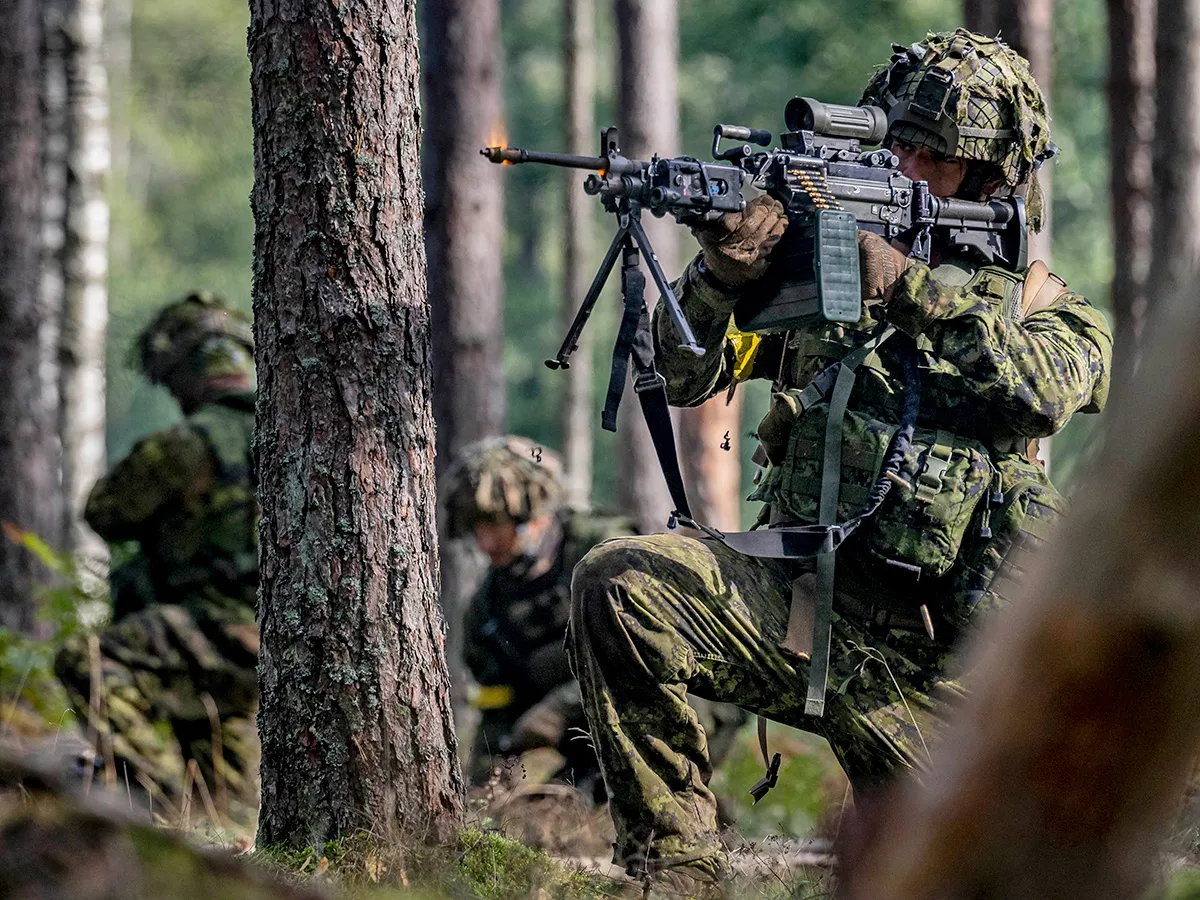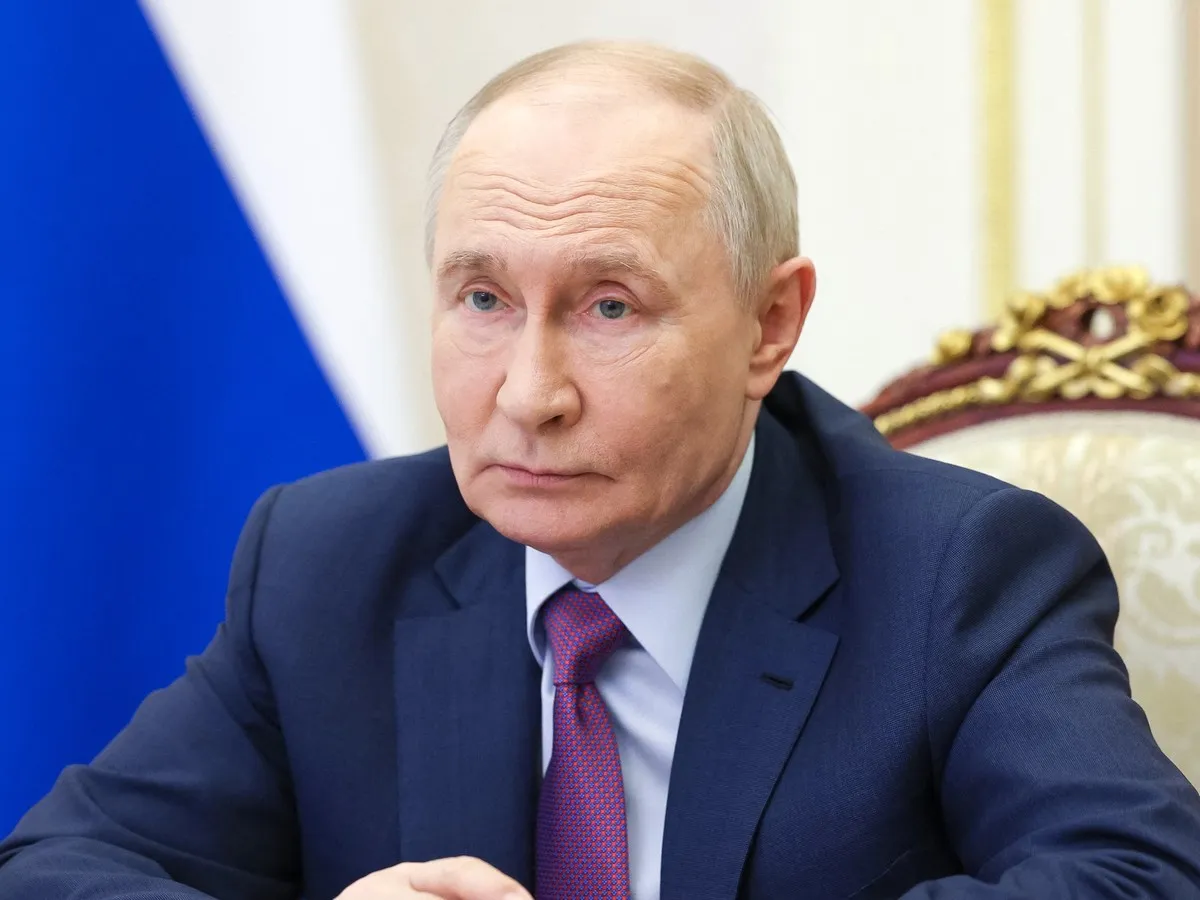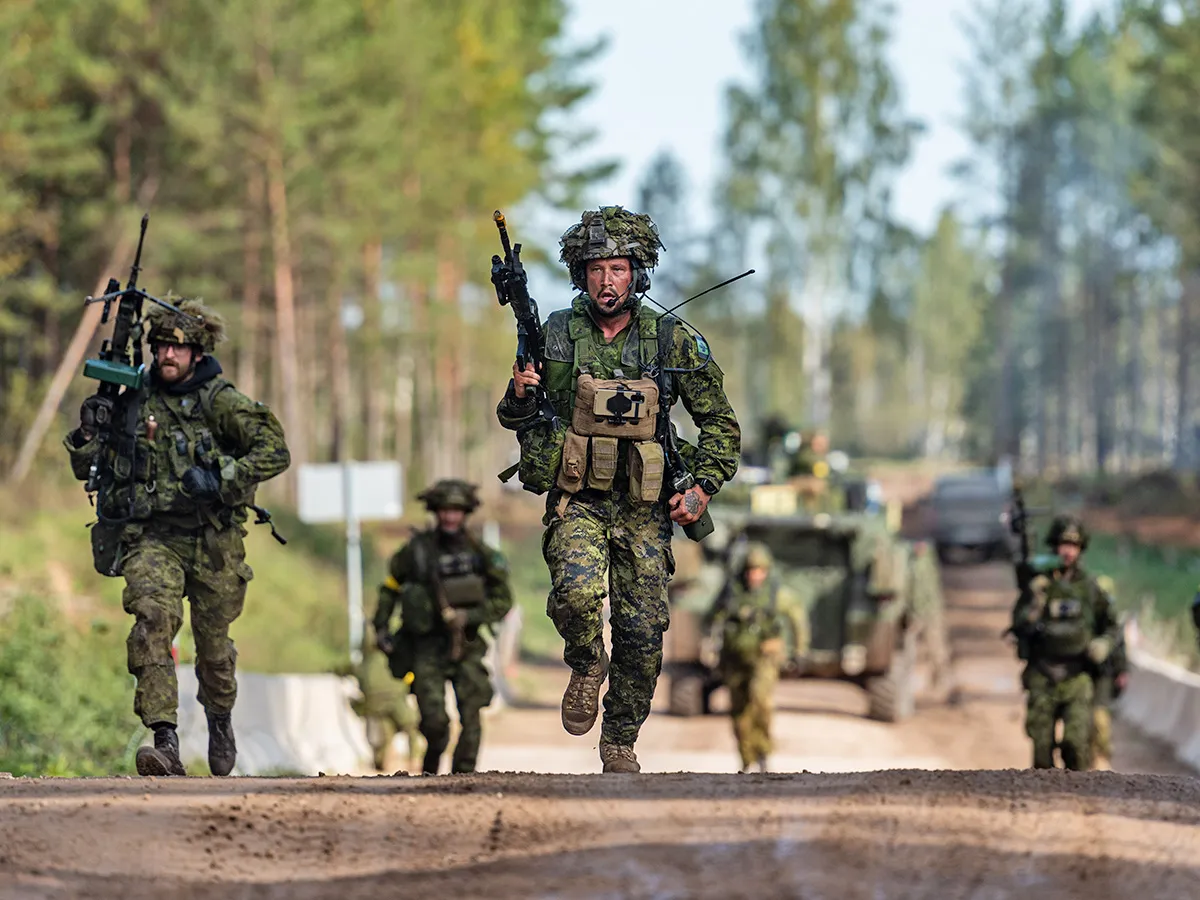
Skip to Content Subscribe Our Offers My Account Manage My Subscriptions FAQ Newsletters Canada Canadian True Crime Canadian Politics Health World Israel & Middle East Financial Post NP Comment Longreads Puzzmo Diversions Comics NP News Quiz New York Times Crossword Horoscopes Life Eating & Drinking Style Sponsored Play for Ontario Travel Travel Canada Travel USA Travel International Cruises Travel Essentials Culture Books Celebrity Movies Music Theatre Television Business Essentials Advice Lives Told Tails Told Shopping Buy Canadian Home Living Outdoor Living Tech Style & Beauty Kitchen & Dining Personal Care Entertainment & Hobbies Gift Guide Travel Guide Deals Savings National Post Store More Sports Hockey Baseball Basketball Football Soccer Golf Tennis Driving Vehicle Research Reviews News Gear Guide Obituaries Place an Obituary Place an In Memoriam Classifieds Place an Ad Celebrations Working Business Ads Archives Healthing Epaper Manage Print Subscription Profile Settings My Subscriptions Saved Articles My Offers Newsletters Customer Service FAQ Newsletters Canada World Financial Post NP Comment Longreads Puzzmo Diversions Life Shopping Epaper Manage Print Subscription HomeNP CommentJohn Ivison: Canadian troops are steeling to fight Russia. Will Ottawa back them?As Moscow threatens NATO members, Canada's troops in the frontline mean the option not to fight would appear to be off the tableLast updated 5 minutes ago You can save this article by registering for free here. Or sign-in if you have an account.Canadian Armed Forces members in NATO’s enhanced Forward Presence Battle Group Latvia move to engage “opposition forces” during an exercise at Camp Adaži, Latvia, in 2023. Photo by Capt. Joffray Provencher/eFP BG Latvia Public Affairs and Imagery SectionAn extraordinary exchange with potentially dramatic consequences for Canada took place at the United Nations Security Council on Tuesday.Enjoy the latest local, national and international news.Exclusive articles by Conrad Black, Barbara Kay and others. Plus, special edition NP Platformed and First Reading newsletters and virtual events.Unlimited online access to National Post.National Post ePaper, an electronic replica of the print edition to view on any device, share and comment on.Daily puzzles including the New York Times Crossword.Support local journalism.Enjoy the latest local, national and international news.Exclusive articles by Conrad Black, Barbara Kay and others. Plus, special edition NP Platformed and First Reading newsletters and virtual events.Unlimited online access to National Post.National Post ePaper, an electronic replica of the print edition to view on any device, share and comment on.Daily puzzles including the New York Times Crossword.Support local journalism.Create an account or sign in to continue with your reading experience.Access articles from across Canada with one account.Share your thoughts and join the conversation in the comments.Enjoy additional articles per month.Get email updates from your favourite authors.Create an account or sign in to continue with your reading experience.Access articles from across Canada with one accountShare your thoughts and join the conversation in the commentsEnjoy additional articles per monthGet email updates from your favourite authorsSign In or Create an AccountorVasily Nebenzya, Russia’s potato-faced permanent representative at the UN, told the council that his country’s intelligence agency believes Latvia is deploying Ukrainian drones on its territory, with the intention of attacking Moscow.“Membership of NATO will not protect you from just retaliation,” he told Latvia’s ambassador, Sanita-Pavluta Deslandes, who dismissed the allegations as “completely baseless” and “dangerous lies.”This newsletter from NP Comment tackles the topics you care about. (Subscriber-exclusive edition on Fridays)By signing up you consent to receive the above newsletter from Postmedia Network Inc.We encountered an issue signing you up. Please try againThe direct threat to a NATO and European Union member is being taken seriously. Ursula von der Leyen, the president of the European Commission, said the threat against one EU member state “is a threat against the entire union.” Analysts suggested the escalation against the Baltic states is a standard Russian tactic when it is plotting hybrid provocations or even something more direct.For Canada, which has 2,000 troops in Latvia and commands a NATO multinational brigade as part of Operation Reassurance, the Russian threat is of immediate concern.Foreign Affairs Minister Anita Anand was in Latvia this week and reassured her hosts that Canada is committed to leading the 14-nation brigade until 2029. The Multinational Battle Group Latvia website boasts of its “strong deterrent presence against any adversary” and its readiness “to defend Alliance territory, if necessary.”One reservist who was deployed to Latvia told me he believes the brigade is prepared to fight, mentally and physically, and is more ready to do so than at any time since the 4 Canadian Mechanized Brigade Group was Canada’s forward deployed ground force in West Germany during the Cold War.The Forces haven’t seen combat since Afghanistan, but recent reports from Latvia by Defence News said the original “tripwire” deterrence — essentially a plan to wait for reinforcements to arrive — has evolved into a credible defence plan, with troops in forward locations on the country’s eastern border expected to fight and hold ground. While it seemed almost inconceivable that the Canadian Forces could be involved in a shooting war in Europe when they were first committed in 2017, that is now a very real prospect.Nerves within NATO have been frayed by recent American troop draw-down announcements. The latest was the cancellation of a rotation of 4,000 U.S. troops to Poland.President Donald Trump’s former secretary of state, Mike Pompeo, posted on social media that the “puzzling” decision is not the message the U.S. should be sending to Russian President Vladimir Putin.This selective retrenchment makes the U.S. response to any Russian incursion in the Baltics unpredictable. Pete Hegseth, the secretary of war, has even refused to confirm America’s commitment to NATO’s Article 5, the joint defence provision that calls on member states to “take such action as is deemed necessary” to defend an ally.That does not necessarily mean a military response, but for Canada, with troops in the frontline of any action, the option not to fight would appear to be off the table.Europe is preparing to fill the void left by the Americans, but the momentum at which it needs to ramp up is no match for the speed at which the U.S. is planning to draw down.The fear is that Putin will think that a finite window of opportunity exists that is worth the risk of a military gamble in Latvia, Lithuania or Estonia.A recent war game organized by the German newspaper Die Welt simulated a Russian operation against Lithuania, in the aftermath of a ceasefire with Ukraine.In the exercise, the Russians used the pretext of a humanitarian crisis in its exclave of Kalingrad, which is sandwiched between Lithuania and Poland.It ended with Moscow cutting off the Baltic states within 24 hours, as Germany hesitated to respond and the U.S. stayed out of the fray.Having isolated the Baltic states, the Russians used tactical nuclear weapons to force NATO to recognize their gains as a fait accompli.The conclusion of the retired Ukrainian general who played the Russian commander was that NATO’s biggest weakness is not lack of troops but hesitation.Parliament and the Canadian public have to come to terms with the fact that the unthinkable is no longer unthinkableThe exercise was criticized for failing to take account of how the Baltic states themselves would react, not to mention the NATO forces based on their territories. Germany has just announced it is sending a brigade of 5,000 troops to Lithuania, the first time German forces have been based outside Germany on a long-term basis since the Second World War.But it is clear that as Canadian and European politicians absorb the lesson that American military support may be delayed, limited or withheld altogether, they need to steel themselves and their citizens.Canada’s troops are ready to fight: their first major exercise in Latvia in 2024 was the aptly named Resolute Warrior.But until very recently its politicians were more focused on “culture change” that included putting free menstrual products in men’s washrooms on military bases.Parliament and the Canadian public have to come to terms with the fact that the unthinkable is no longer unthinkable and we are closer to a major conflict than we have been for many decades.This is not a situation analogous to 1914, where a miscalculation plunged Europe into the First World War; it is more like 1939, where the absence of deterrence precipitated the Second.Our political decision-makers need to be as resolute and decisive as the soldiers deployed in their name on Latvia’s eastern border.National Post Get the latest from John Ivison straight to your inbox Join the Conversation This website uses cookies to personalize your content (including ads), and allows us to analyze our traffic. Read more about cookies here. By continuing to use our site, you agree to our Terms of Use and Privacy Policy.
John Ivison: Canadian troops are steeling to fight Russia. Will Ottawa back them?
As Moscow threatens NATO members, Canada's troops in the frontline mean the option not to fight would appear to be off the table.
1,440 words~7 min read