An international team of researchers, including a scientist from Aston University, has developed a new mathematical framework that explains the strange behavior of so called "breather" laser pulses. The breakthrough unites two very different types of laser dynamics under a single model for the first time.
Ultrafast lasers generate incredibly short bursts of light that last only picoseconds or femtoseconds. These lasers are widely used in technologies such as eye surgery, biomedical imaging, advanced manufacturing, and precision materials processing. A deeper understanding of how these lasers behave could help scientists improve their stability and tailor them more effectively for specialized applications.
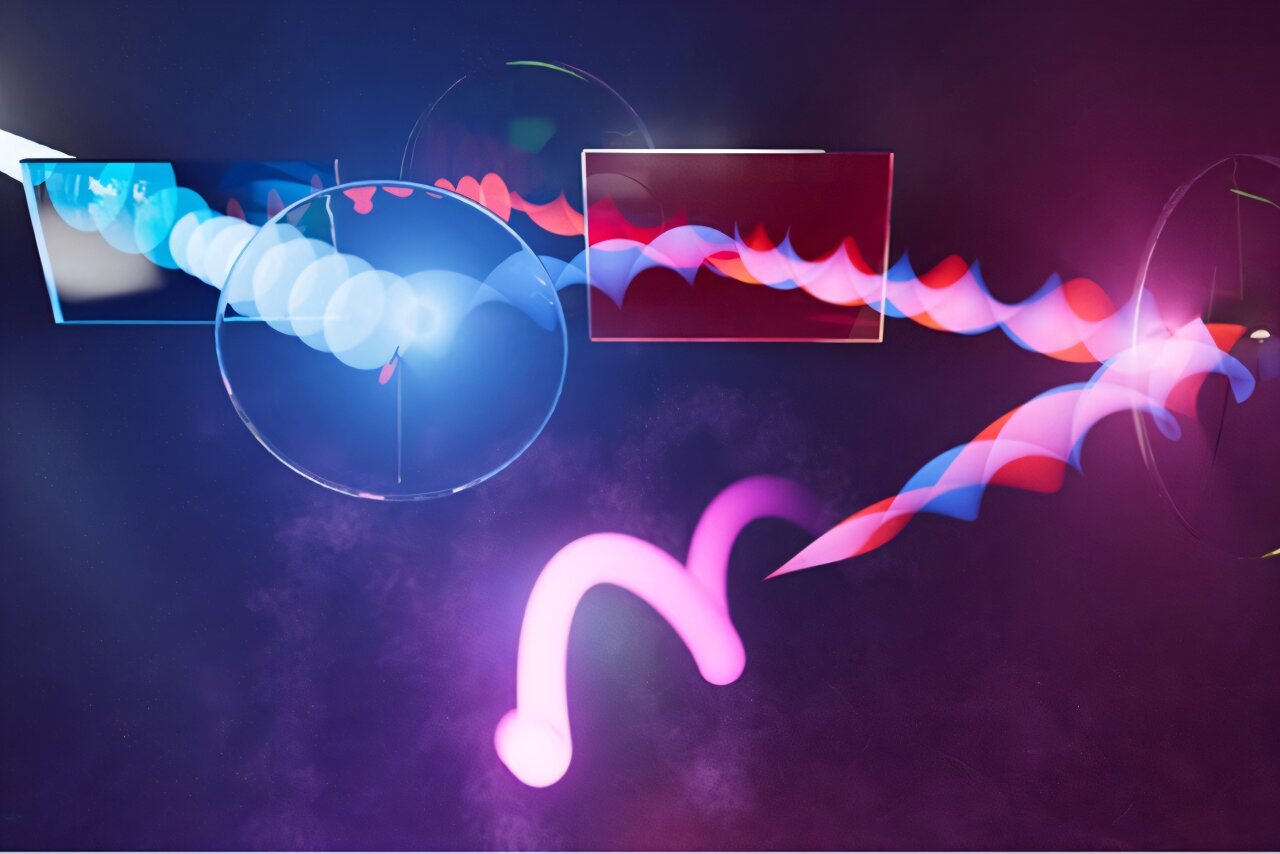
Inside an ultrafast laser, pulses of light travel repeatedly through a structure known as a laser cavity. Under certain conditions, these pulses can form stable wave packets called solitons. Unlike ordinary light pulses that gradually spread out, solitons maintain their shape as they move.
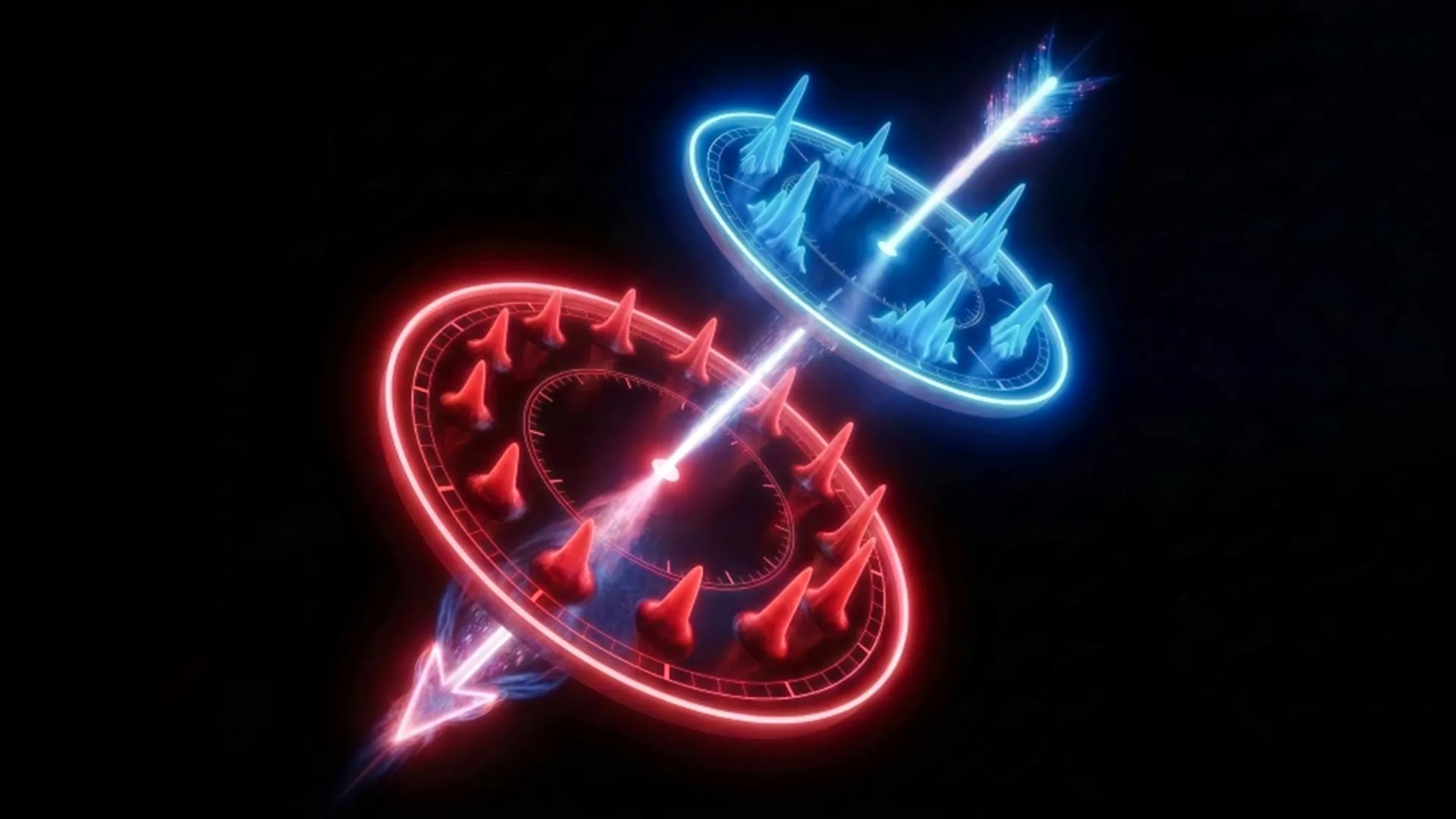
Most of the time, solitons behave in a steady and predictable way, producing regular pulses similar to a heartbeat. However, in "breather" lasers, the pulses continually change over time. They repeatedly grow and shrink during successive trips through the laser cavity, creating a rhythmic oscillation that resembles breathing. This behavior represents a non-equilibrium state in which the laser output constantly evolves instead of remaining stable.