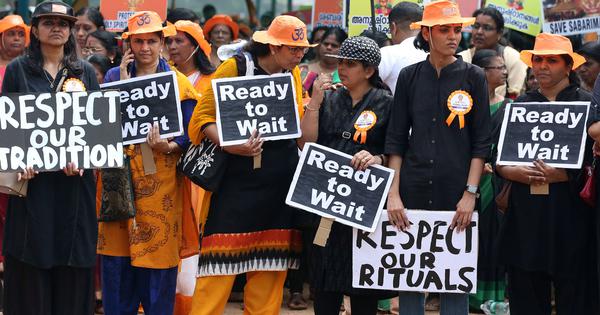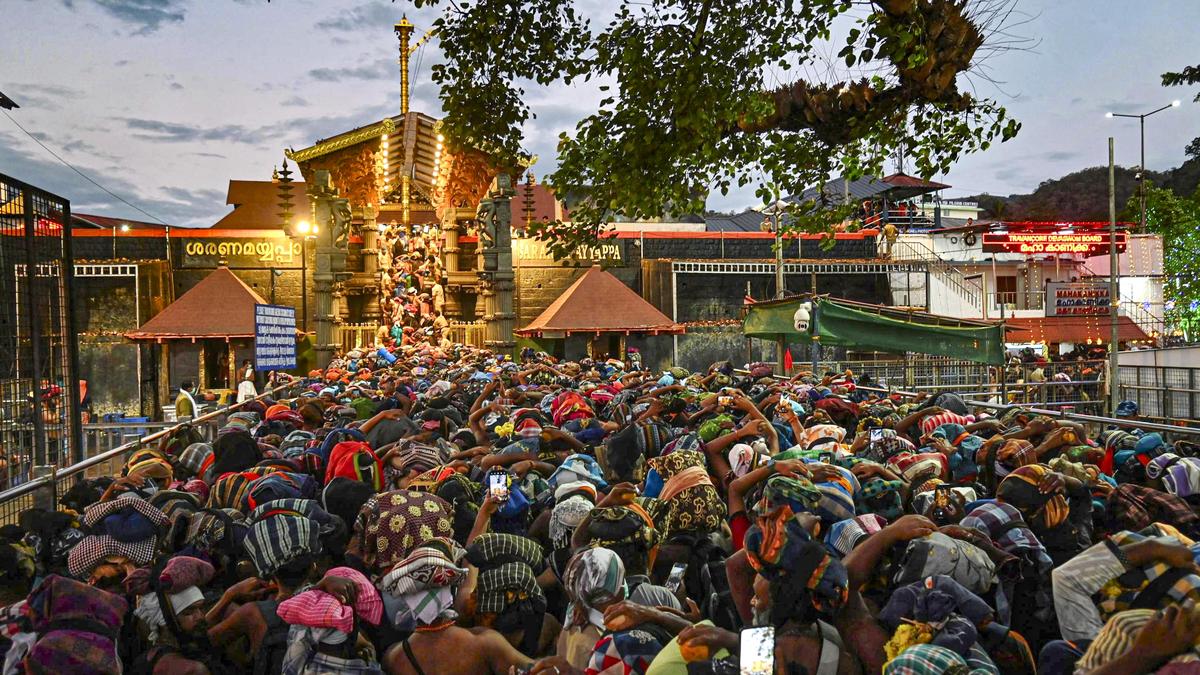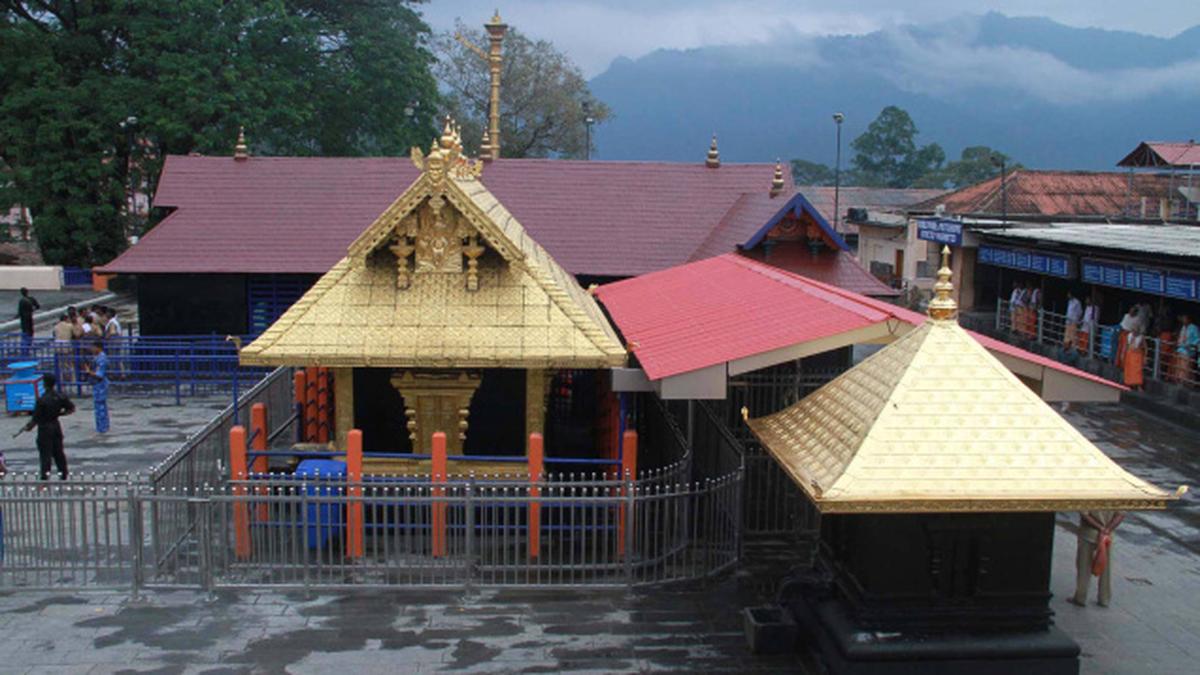
That shift changes the nature of the enquiry. A court looking for consequences has to identify an injury, a right, a burden and a remedy. This is legal work. A court looking for essentiality has to enter the internal life of a faith, which is theology by another name.This matters especially in India, where religious life rarely resembles a single church with a fixed catechism or final authority. Sampradayas split. Reformers argue. Sects emerge. Communities leave, return, hybridise and reinterpret. Local practices acquire sacred force. New forms of devotion arise without waiting for official permission.A person dissatisfied with a religious order may argue within it, defy its gatekeepers, leave it, or build another path. BR Ambedkar’s Navayana Buddhism, the Brahmo Samaj, Arya Samaj, Lingayat traditions, Kabir’s devotional challenge, the Ramnami Samaj and many dera traditions show how often Indian religious reform has travelled through voice, exit, rupture and creation. This is not marginal to Indian religious history. It is one of its recurring forms.The ERP test fits this world badly. It assumes that religion works like a code of compulsory commandments. The enquiry often becomes: would a believer cease to belong to the faith if this practice disappeared? But many Indian traditions do not operate in that binary fashion. They move through discipline, choice, lineage, memory, custom, fasting, worship, renunciation, household life and multiple paths to the sacred. Difference is not always apostasy.The test, therefore, does more than judge faith. It thins it. Courts begin to peel religion layer by layer: this ritual is not essential, that custom is only social, this discipline is optional, that observance is merely cultural. What remains may be an abstract core, but not necessarily the religion that people actually live. A faith is not only its irreducible minimum. It is also its accumulated layers.Judges are not especially well placed to perform this exercise. They are trained in constitutional interpretation, evidence and legal reasoning, not theology. Even a careful judge brings assumptions about reason, superstition, equality, modernity, tradition and reform. In ordinary disputes, legal materials help discipline those assumptions. Religion is different. It rests on faith, memory, ritual, revelation, discipline, fear, hope and belonging. There is no neutral scale on which spiritual necessity can be measured.One judge may see devotion, another may see oppression. One may see discipline; another may see superstition. That is not a charge against judges. It is a limitation of the judicial function. Courts can decide legality. They should not have to certify theology.When law can step in
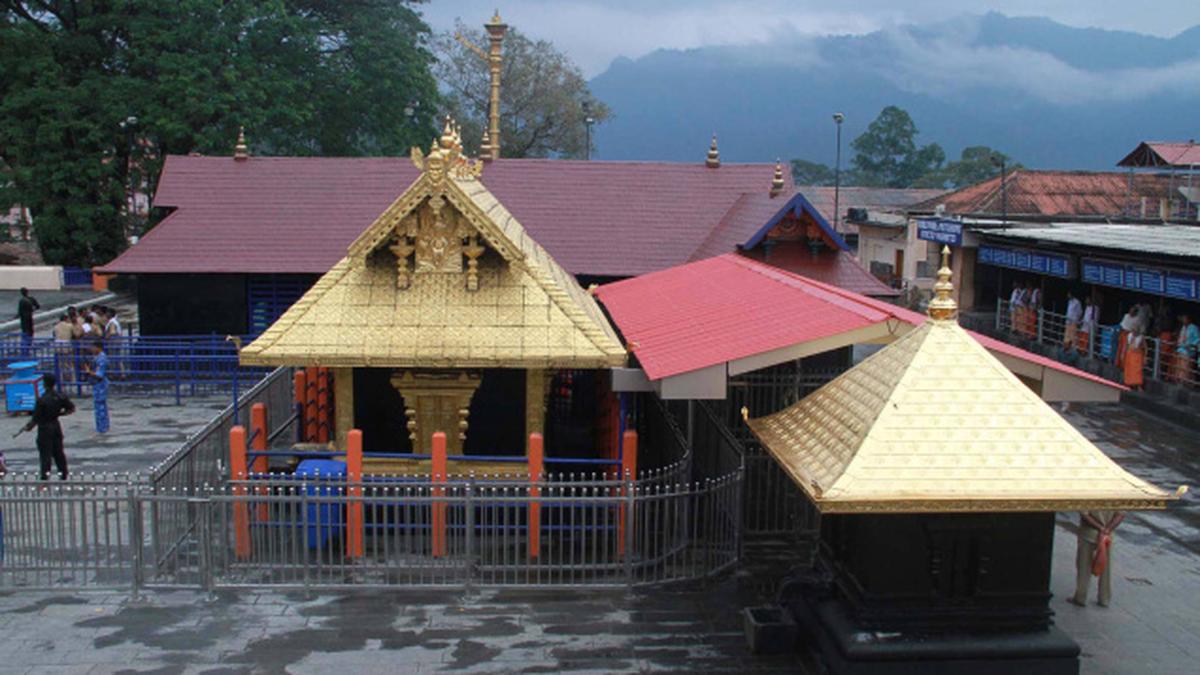
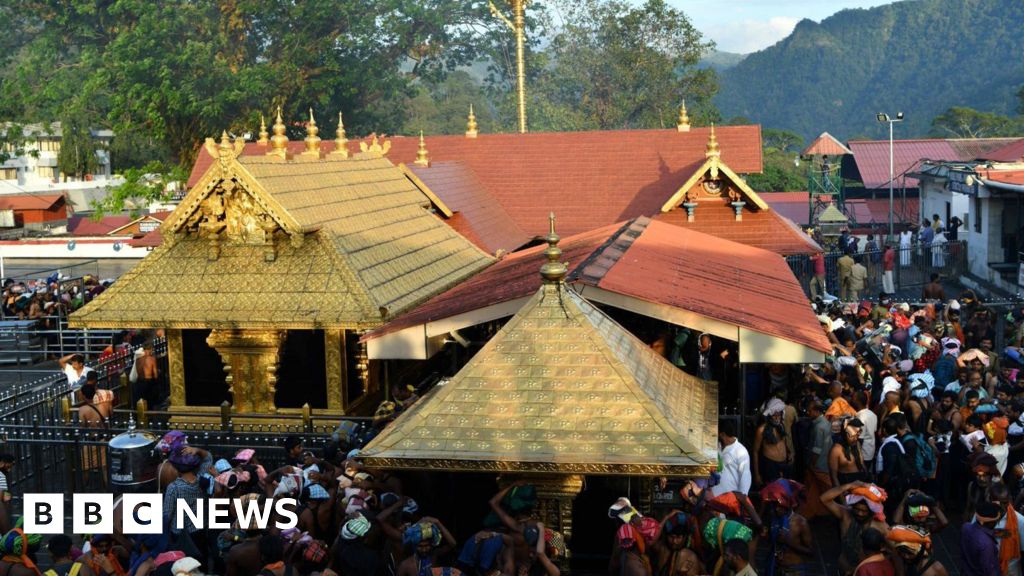
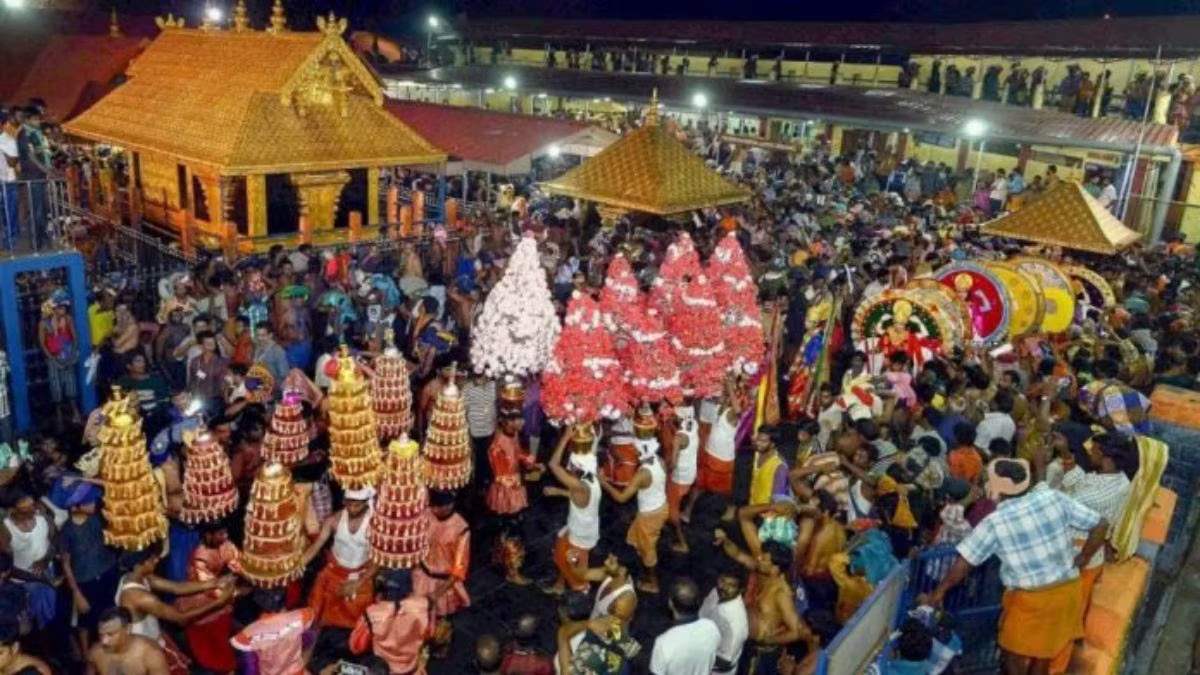
Court must stop playing theologian. Approach Sabarimala through religious freedom lens
Religious freedom should remain a shield against interference, not a licence granted after theological cross-examination. India does not need courts or governments to reorganise faith.
1,198 words~5 min read