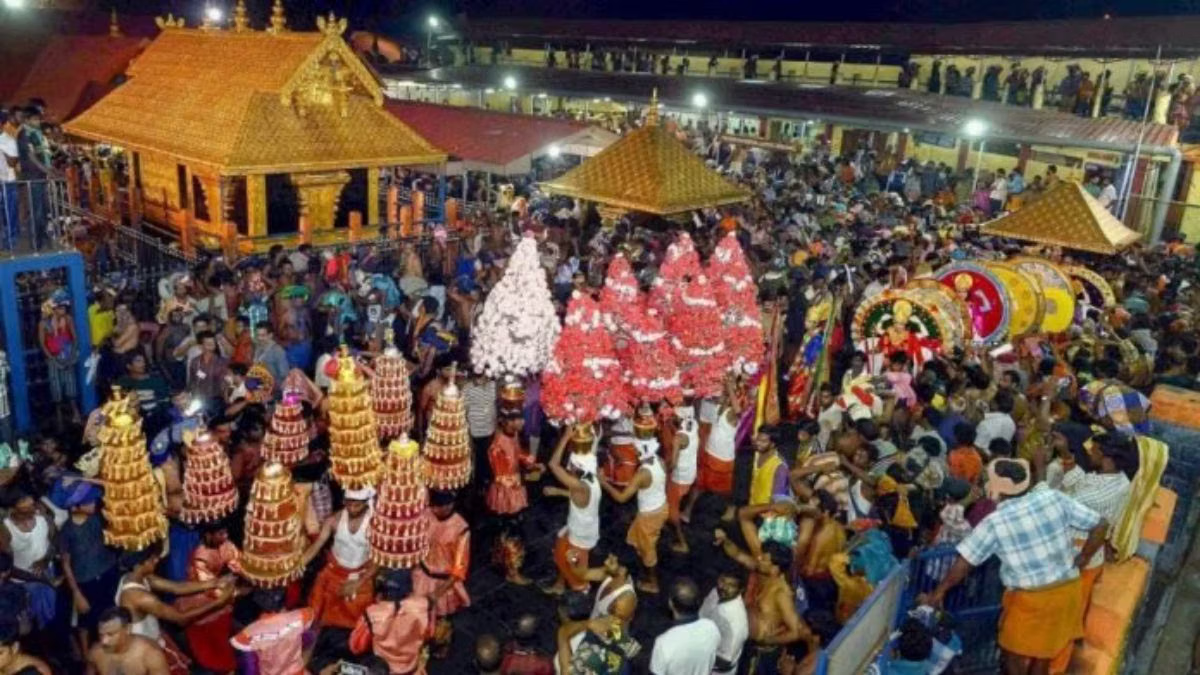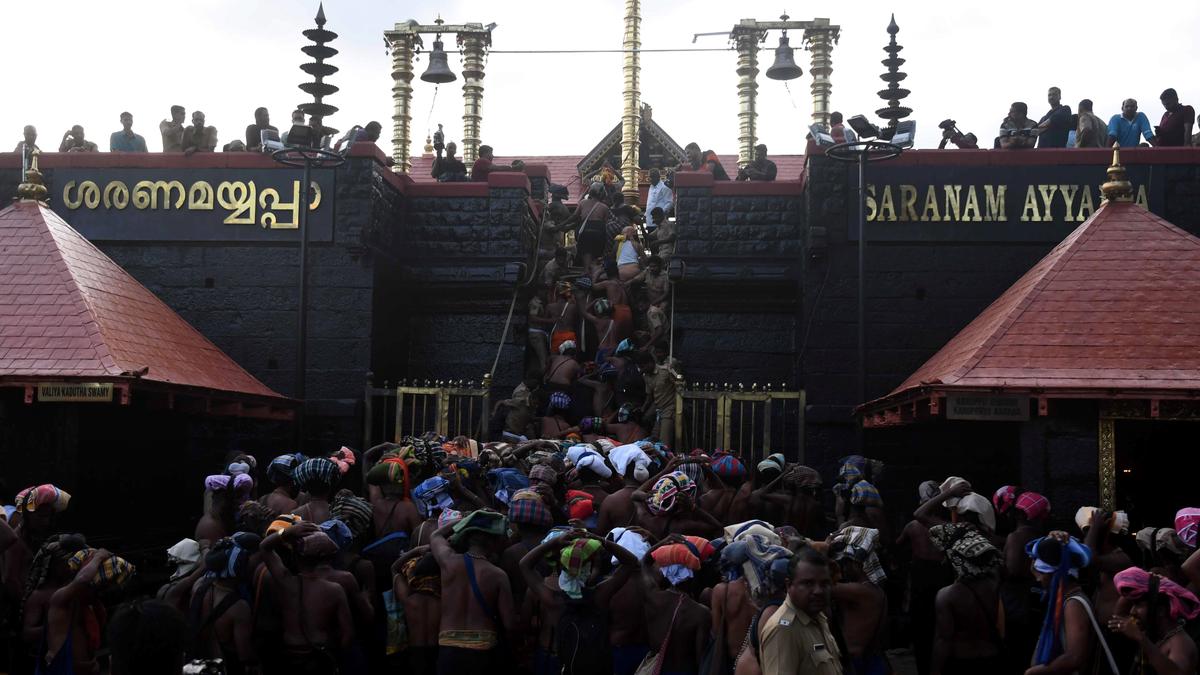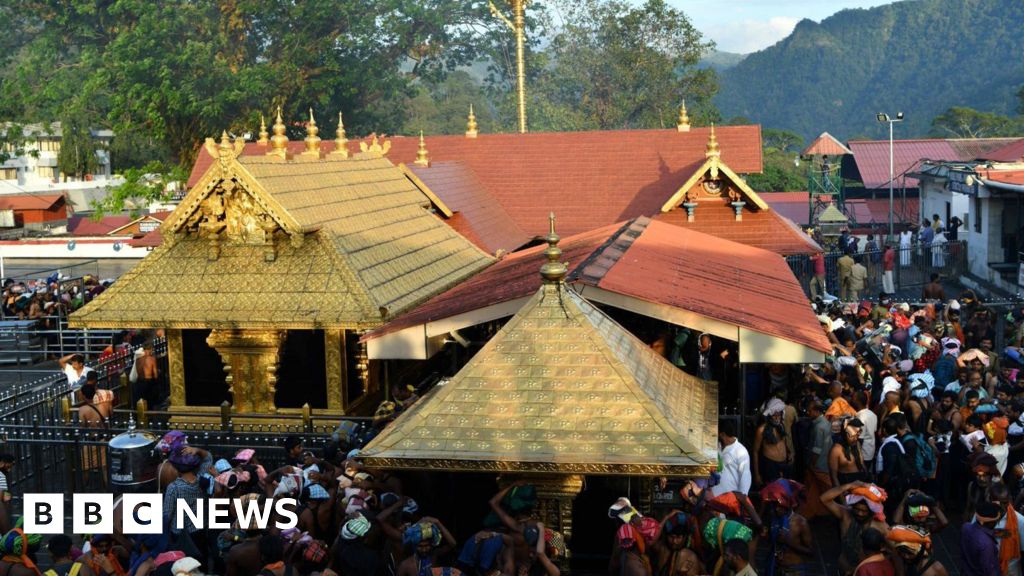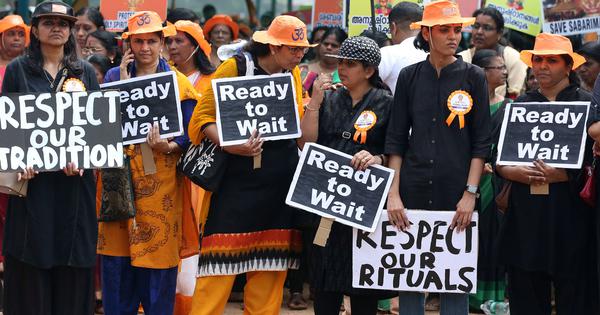
Religious scriptures and associated traditions have rarely been kind to women. If scriptures would have it, we would still be legally allowed to stone an “unchaste” woman to death or enslave a harem of women for sex or class one’s wife alongside cows, mares, ewes and female camels.As evolutionary biologist Richard Dawkins says, while responding to an audience member’s question on atheism and morality, “people in the 21st century believe in the equality of women and in being kind to animals”. These are things that are entirely recent, says Dawkins.“They have very little basis in (religious) scripture. These have developed over historical time through a consensus of reasoning, sober discussion, argument, legal theory, political and moral philosophy,” said Dawkins. “These do not come from religion.”What is unthinkable in modern society was perfectly acceptable before because religious scriptures and traditions permitted it. It is thanks to reasoned debate and deliberation that we eventually became sane enough to reinterpret problematic verses in sacred texts and reject misogynistic traditions.Even if extreme patriarchal practices like female foeticide and dowry continue without qualm in India today, reasoned debates, leading to laws, ensured that in a civilised society these can never be considered as legitimate.A hot topic in India occupying the minds of the legal, the rational, and the religious today is the entry of women into religious sites – temples and mosques. The rational argue that reason must be the proper test of belief, an argument that the Supreme Court agreed with in its 2018 judgement when it lifted a centuries-old ban prohibiting the entry of menstruating-age women into the Ayyappa shrine at Sabarimala Temple in Kerala. The Court held that the religious practice was illegal and unconstitutional.Former Chief Justice of India, DY Chandrachud, who was part of the five-judge bench, underlined the fact that menstruation does not make a woman impure. The religious were unconvinced. How can courts interfere with religion and tradition? Rights of an individual cannot supersede centuries-old traditions honoured by many, they lamented. An inevitable review by the Supreme Court followed whose judgement is awaited.J Nagarathna: amongst hindu, when there is birth and death, they don't go because there are restraints. somebody tomorrow will file a petition and say I will go next day after deathJaising: there is custom that woman who has given birth can't go. they go during the rice feeding…— Live Law (@LiveLawIndia) April 29, 2026
Why the Sabarimala verdict allowing women into the temple differs from the hijab ‘ban’
Both are practices shaped by patriarchy and religion. But one is determined by individual autonomy and the other by biology.
1,206 words~5 min read