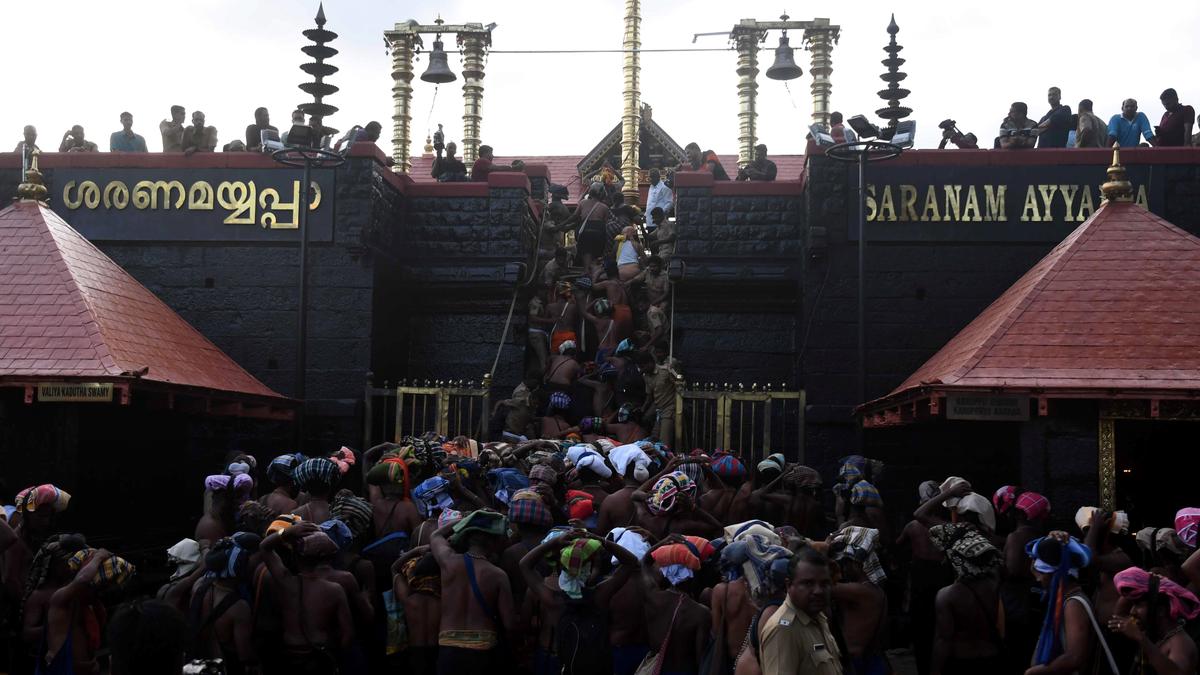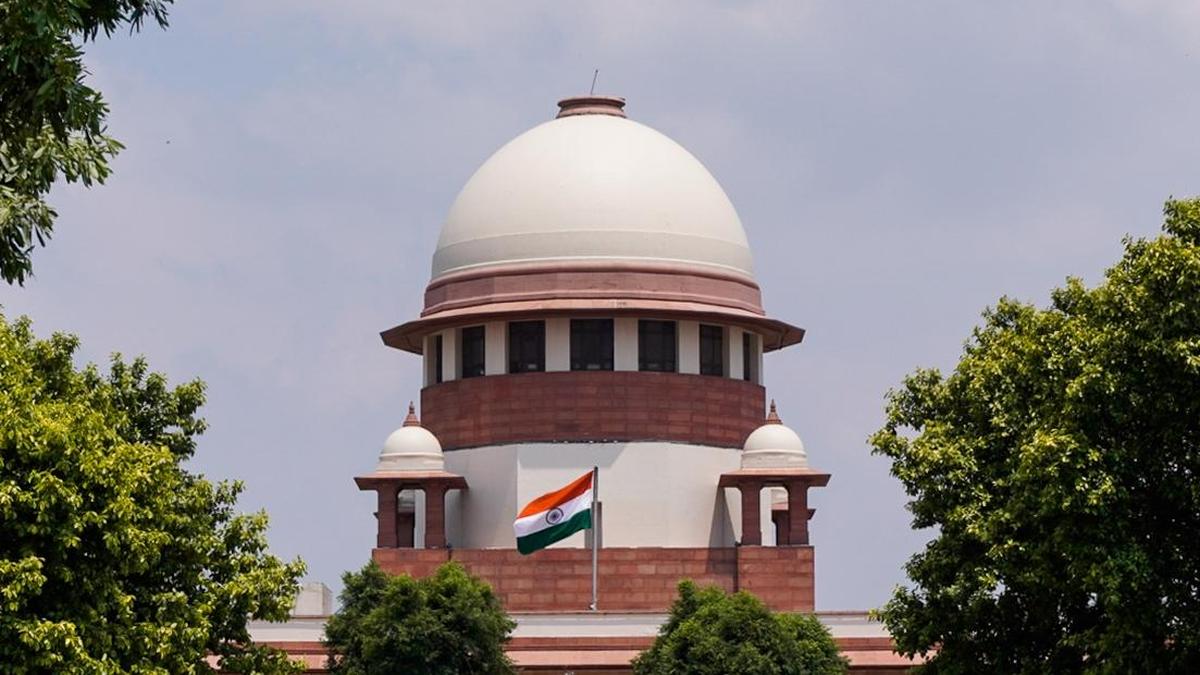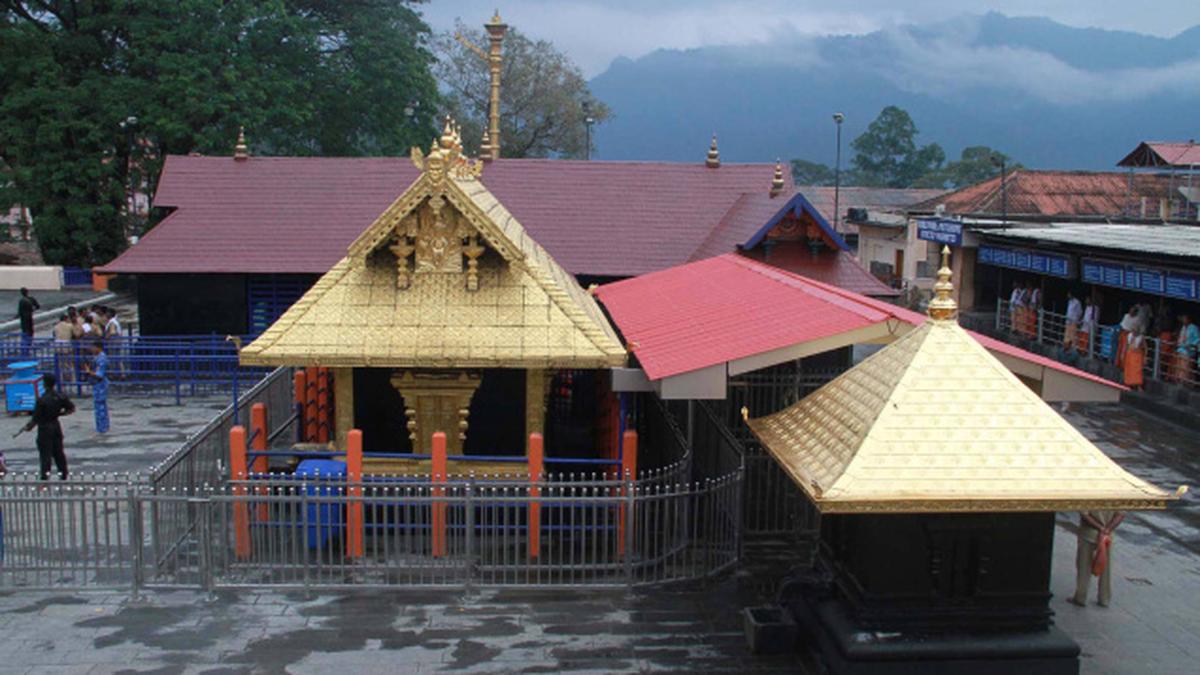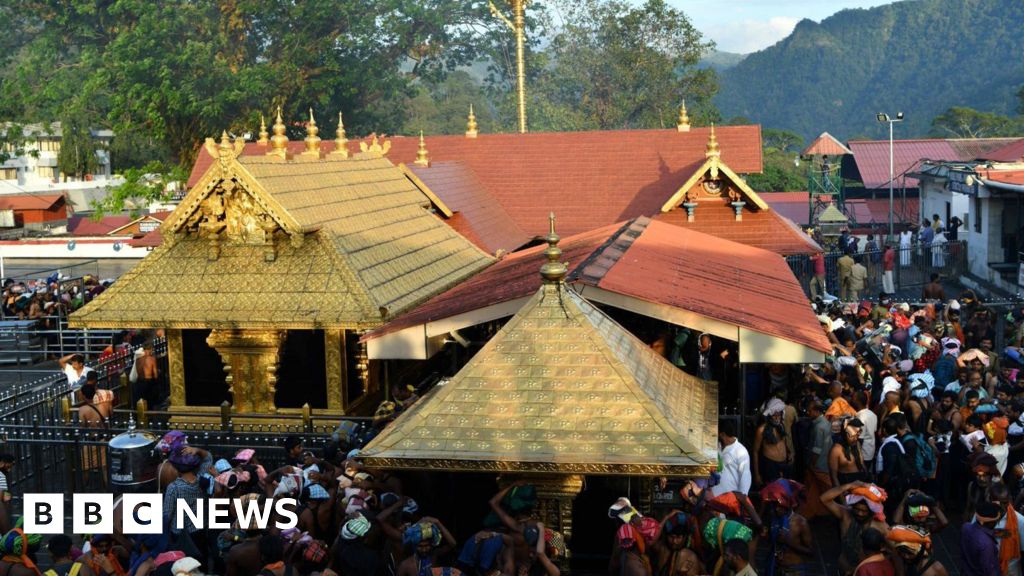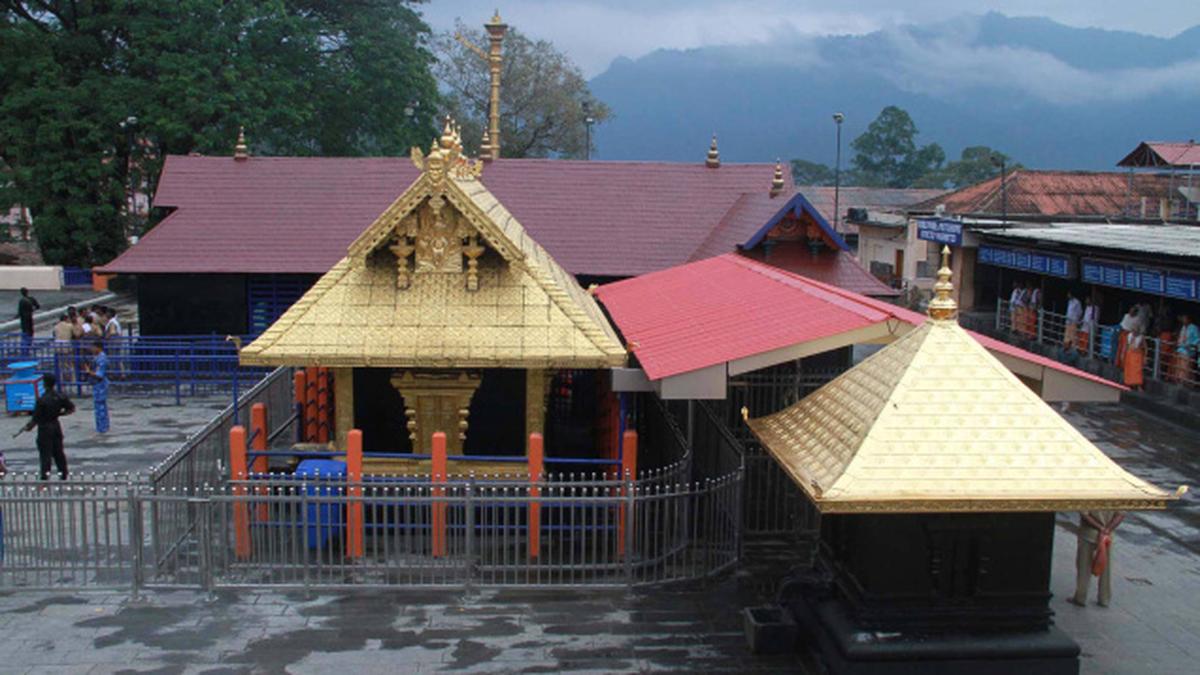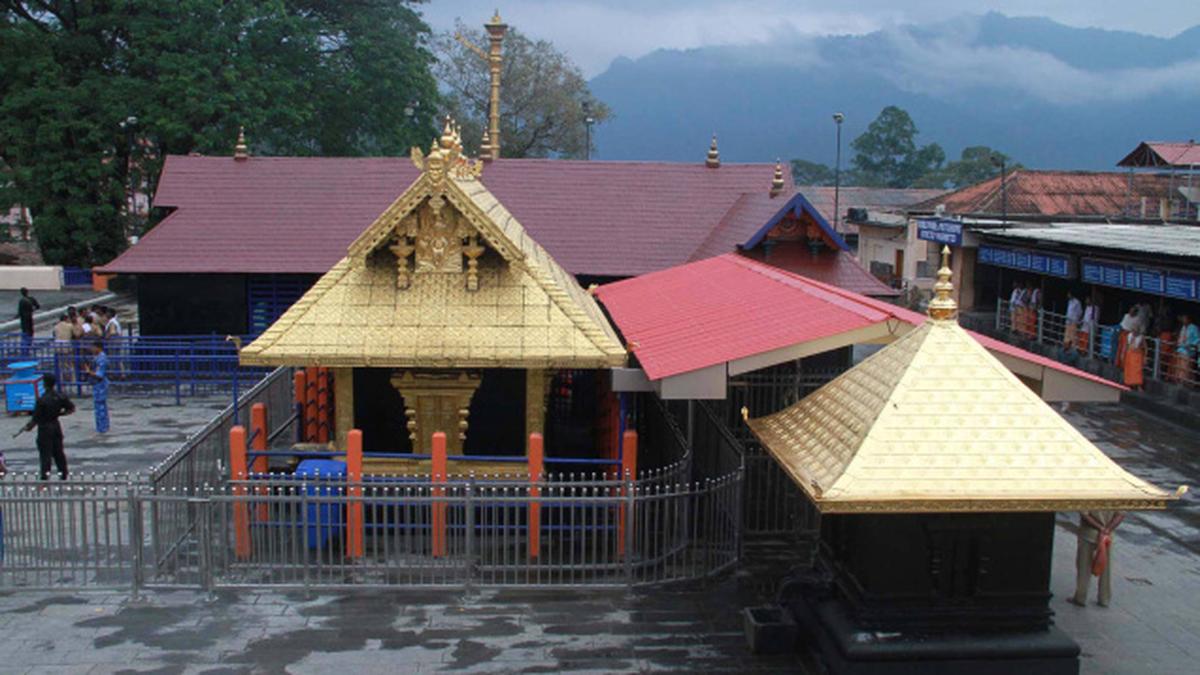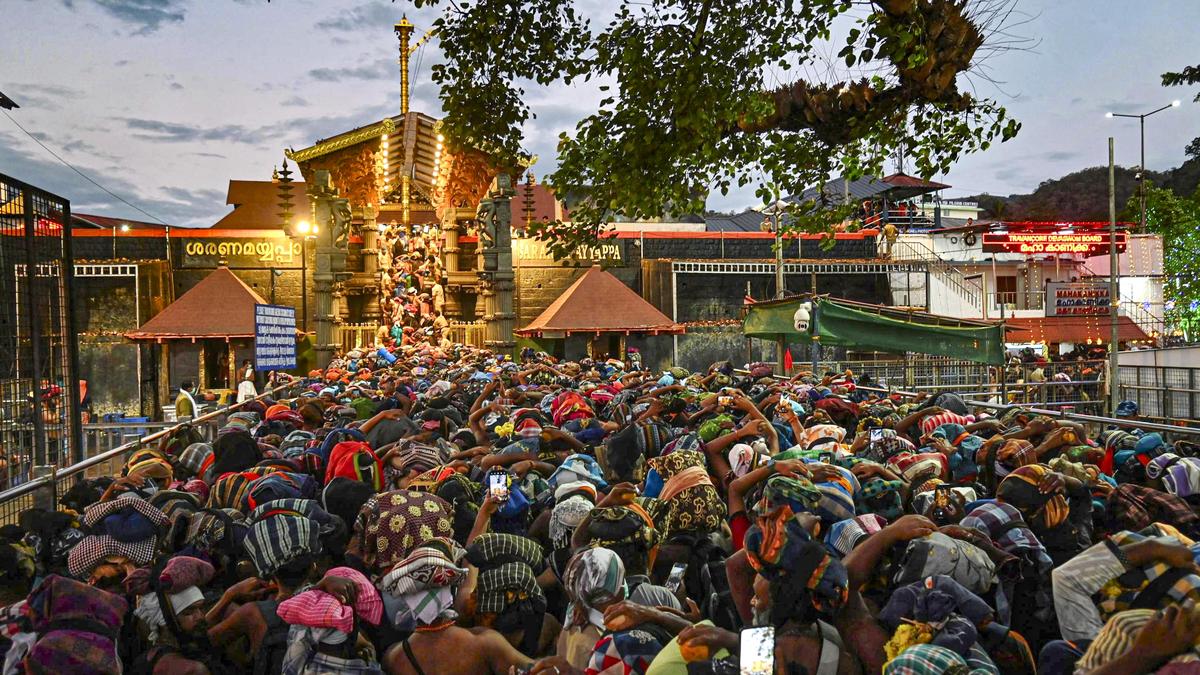
File image of the Sabarimala temple in Pathanamthitta district, Kerala
| Photo Credit: PTI
The Supreme Court on Wednesday (April 29, 2026) said courts cannot herald reform in religion even as senior advocate Indira Jaising, appearing for two women who made history by entering the Sabarimala temple in Kerala to enforce their right to worship under a 2018 top court verdict, said religion must mend to remain relevant.Appearing before a nine-judge Bench headed by Chief Justice of India Surya Kant, Ms. Jaising opened submissions for respondents supporting the 2018 verdict, which upheld the right of menstruating women aged between 10 and 50 to enter and pray at the Lord Ayyappa temple in Sabarimala.“Social reform includes the reform of religion,” Ms. Jaising said. She dismissed the contention that courts could not review religious practices challenged as discriminatory. She said if judges wanted advice on theology, “call the theologians in”.Justice B.V. Nagarathna pointed out that the petitioners, who have sought a review of the Sabarimala verdict, had argued that reform cannot hollow out a religion out of existence. The judge said there ought to be a balance between reforms which actually benefit and those which were intrusive and made inroads into doctrinal and religious matters.Ms. Jaising, assisted by advocates Prashant Padmanabhan and Paras Nath Singh, said the Constitution had to be read out as a whole. One cannot make the right to equality under Article 14 and the right to dignity under Article 21 subservient to the freedom of religion. Religious practices must harmonise with social reform. The Constitution must be read as a whole, and not in bits and pieces. The Constitution was the conscience of the Supreme Court. The morality of the Constitution must govern the decisions of the court, the senior advocate arguedShe cautioned the judges against the “balkanisation” of Hinduism. Ms. Jaising supported the ‘essential religious practice’ test evolved by the court. She said expanding the ambit of religious freedom to each and any “bonafide” ritual or belief would end up seeing Hinduism torn to bits.“A person can say a temple is a denomination and only certain people can enter that temple…This would lead to complete balkanisation of Hinduism when the history of the country is that of unification. The Indian Constitution protects every religion, every faith. It is unique. It protects all faiths and gets rid of all limitations that were once embedded in religion like caste, temple entry, etc,” she said.Justice Nagarathna asked if Ms. Jaising’s clients were devotees of Lord Ayyappa in Sabarimala.Ms. Jaising replied both her clients were Hindu women. One of them belonged to a Scheduled Caste community and was a lawyer. “She went there because her conscience told her... Both of them went to Sabarimala. When they came out, the Thanthri did a shudhikaran ceremony despite the 2018 judgment being in full force. The State of Kerala refused to give them protection… I am claiming my right to non-discrimination based on gender and my right to enter and worship under Article 25 of the Constitution,” the lawyer said.“But is she a believer? A person who has nothing to do with the temple… A person living in north India is claiming the right to enter a temple in south India… It cannot be abstract,” Justice Nagarathna observed.Ms. Jaising said the age from 10 years to 50 years was the most productive, creative, and fertile phase of a woman’s life. “A denial of equality in that phase amounts to a substantial deprivation of my right to freedom of religion… You cannot ask me to live half a life or avoid enforcing my rights between 10 years and 50 years,” she said.The senior advocate said the decision of the nine-judge Bench on the contours of religious rights would have ripples across many cases relating to religious matters, including anti-conversion laws. She said one of the petitions in the top court was a challenge to the female genital mutilation (FGM) practised in the Dawoodi Bohra community.“Can you genetically mutilate a Muslim woman and say this is part of religion?” Ms. Jaising asked. Published - April 29, 2026 10:21 pm IST