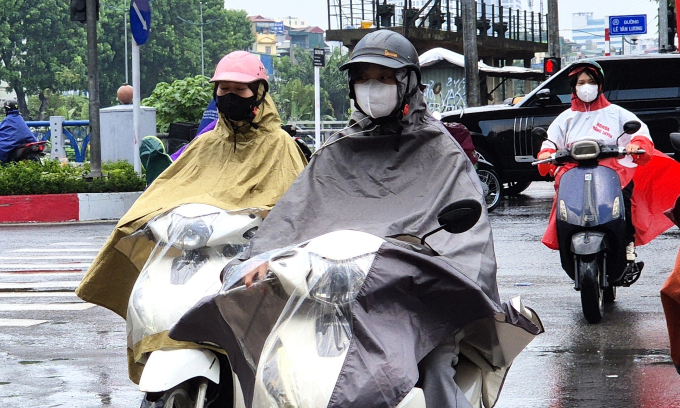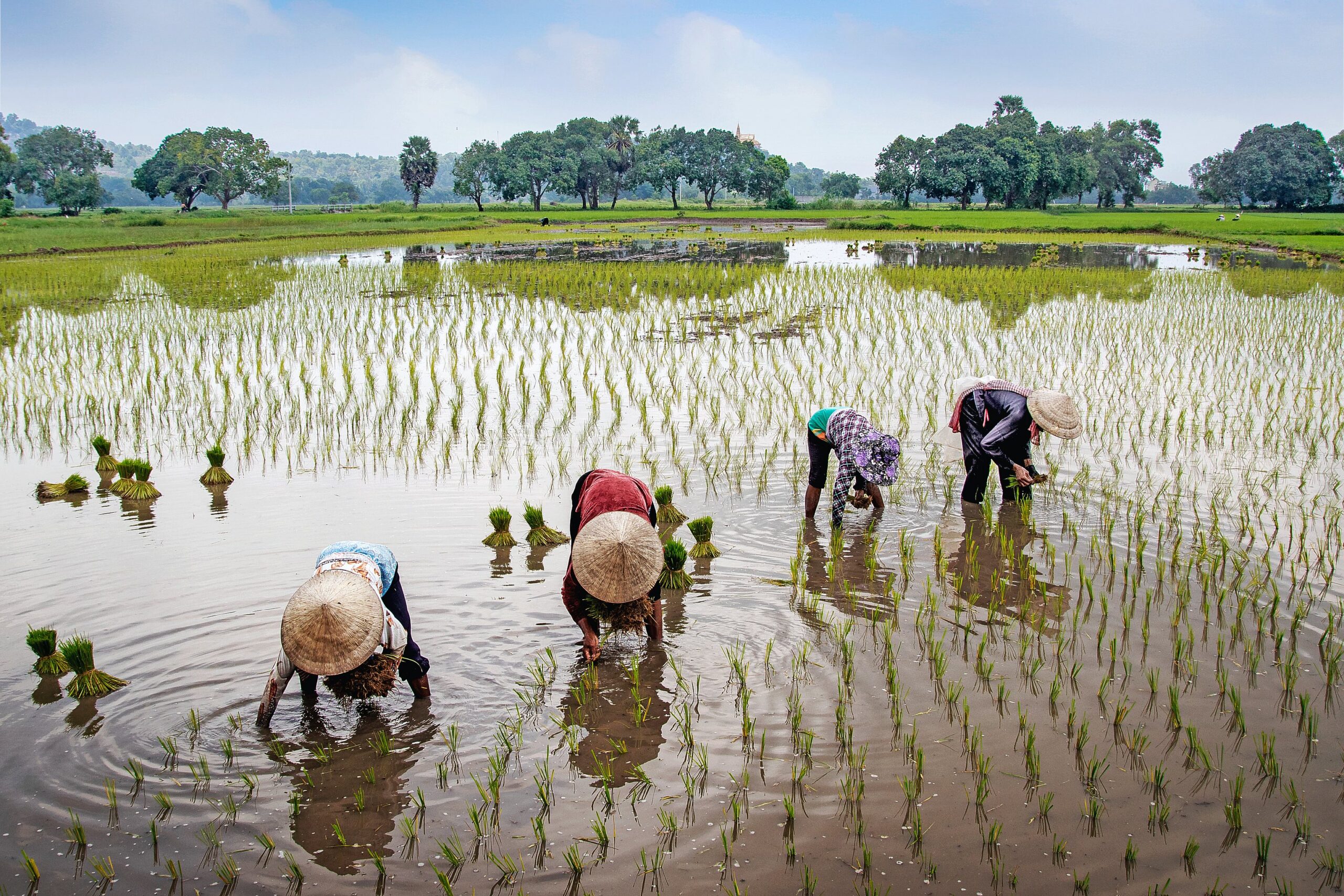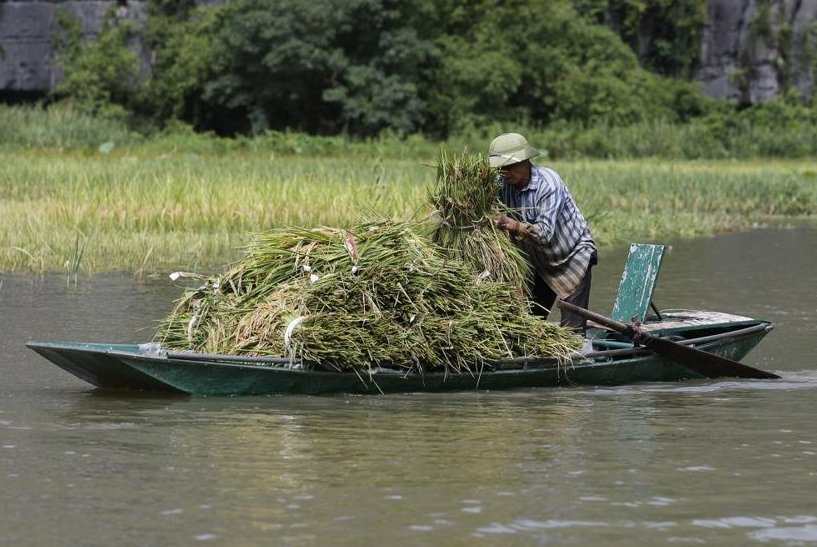
A farmer transports rice on a boat along the Ngo Dong River in Tam Coc, a part of the Hoa Lu limestone mountain range about 75 miles from Hanoi, Vietnam. As one way to reduce carbon emissions, the country is seeking to modernize agriculture. File Photo by Luong Thai Linh/EPA
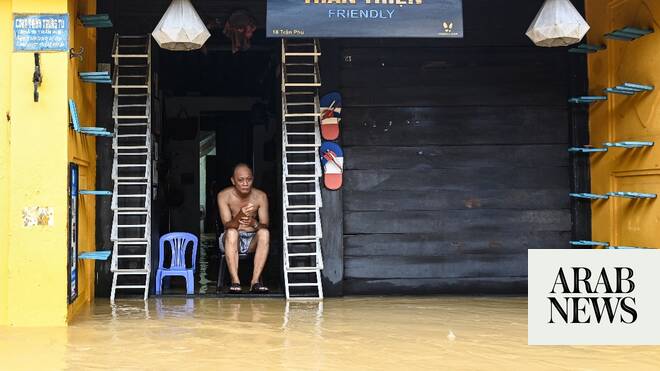
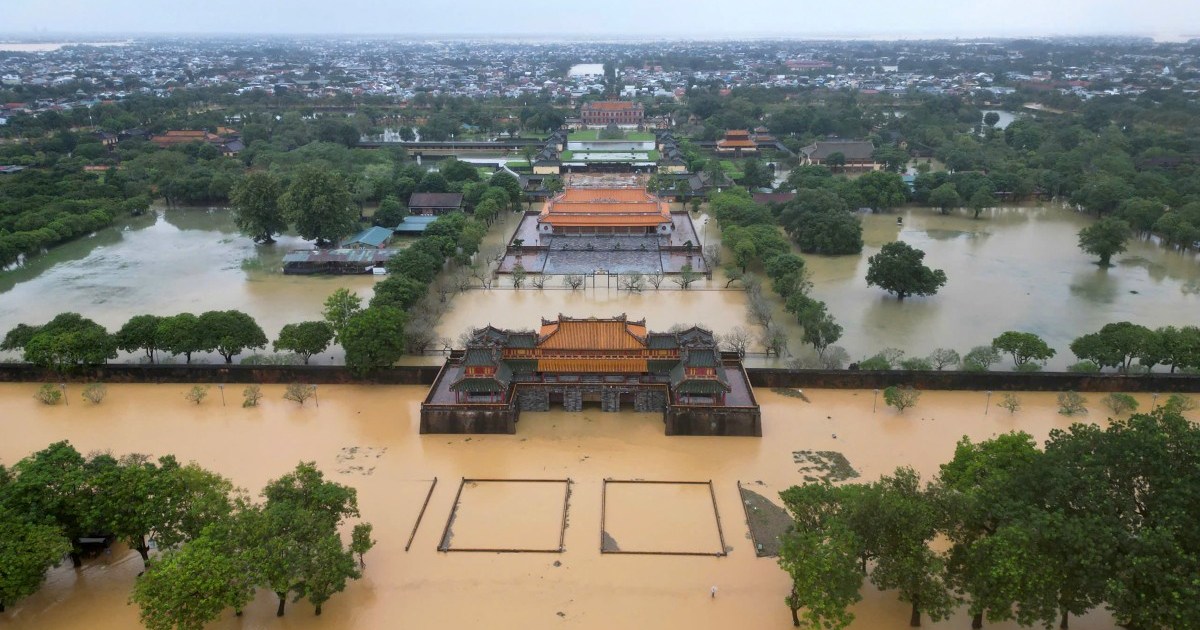
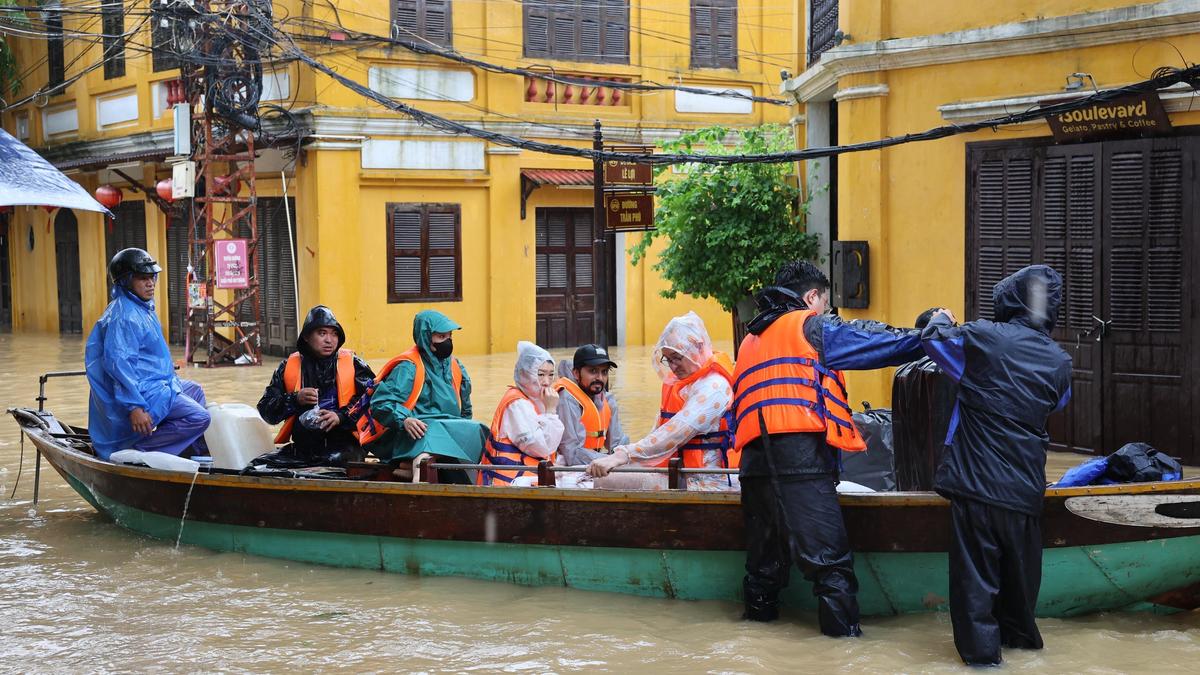
May 21 (UPI) -- Vietnam, with more than 2,000 miles of climate-threatened coastline battered by rising seas, saltwater intrusion and intensifying typhoons, now finds itself on the front lines of the global climate crisis.
Hanoi's pledge to reach net-zero emissions by 2050 has evolved from a diplomatic commitment into what Prime Minister Pham Minh Chinh calls a "political mission" tied directly to the country's economic future.
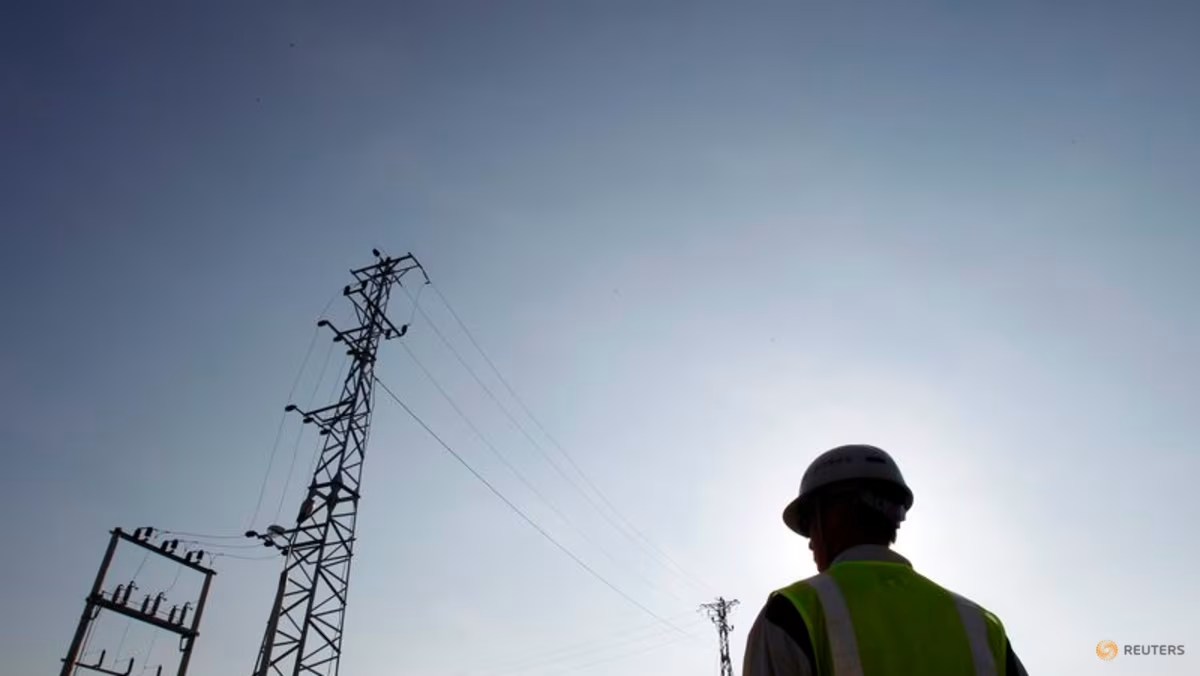
The transformation is sweeping: reducing coal dependence, expanding renewable energy, modernizing agriculture and protecting forests as carbon sinks. But beneath the ambitious agenda lies a more sensitive challenge -- whether Vietnam can sustain such reforms without greater transparency and more independent environmental reporting inside its tightly controlled media system.
A sweeping transition agenda