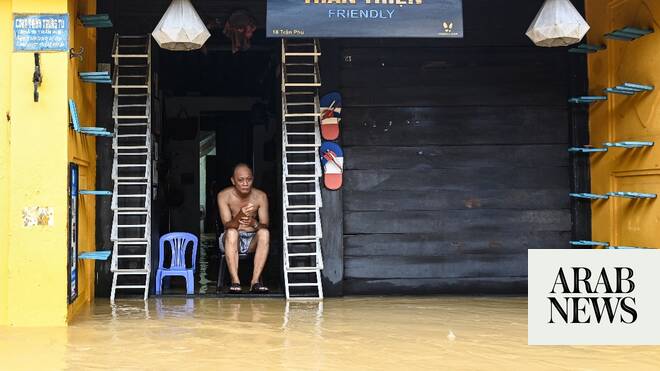
The Mekong Delta — a global rice and aquaculture hub — is increasingly at risk from climate change, with rising seas, salinity intrusion, pollution and groundwater depletion threatening the livelihoods of dependant communities and lives of millions of residents in the delta.In Vietnam, a proposed nature-based groundwater replenishment system aims to combine water treatment, aquifer recharge and wind energy to boost clean water supply, reduce salinity and stabilize the delta’s fragile ecosystems.Backers say the plan could deliver hundreds of millions of dollars in annual benefits through higher farm yields, improved public health and stronger climate resilience, though it will require major investment and coordinated governance to succeed.This article is a commentary. The views expressed are those of the author, not necessarily of Mongabay.
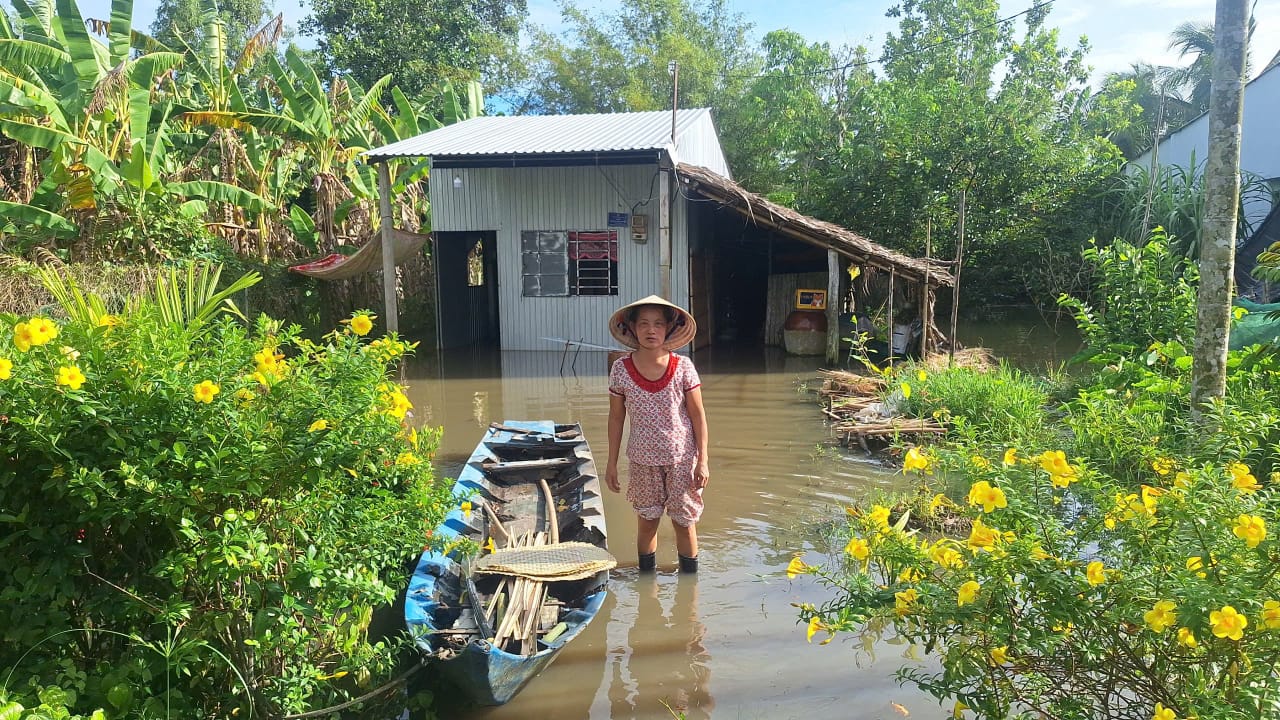
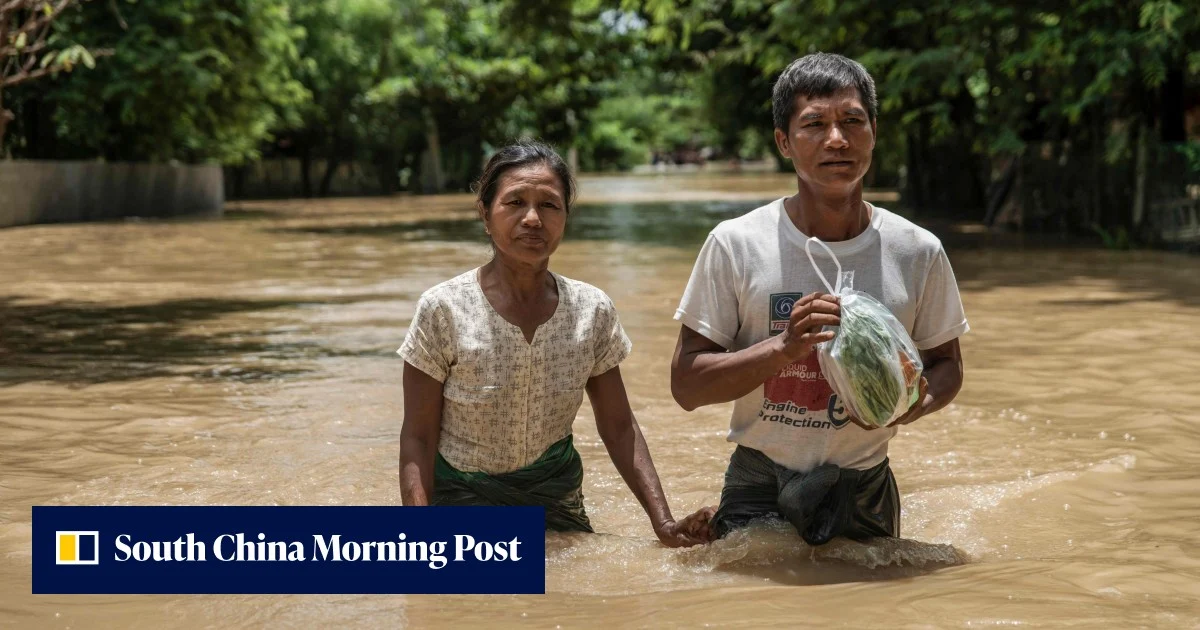
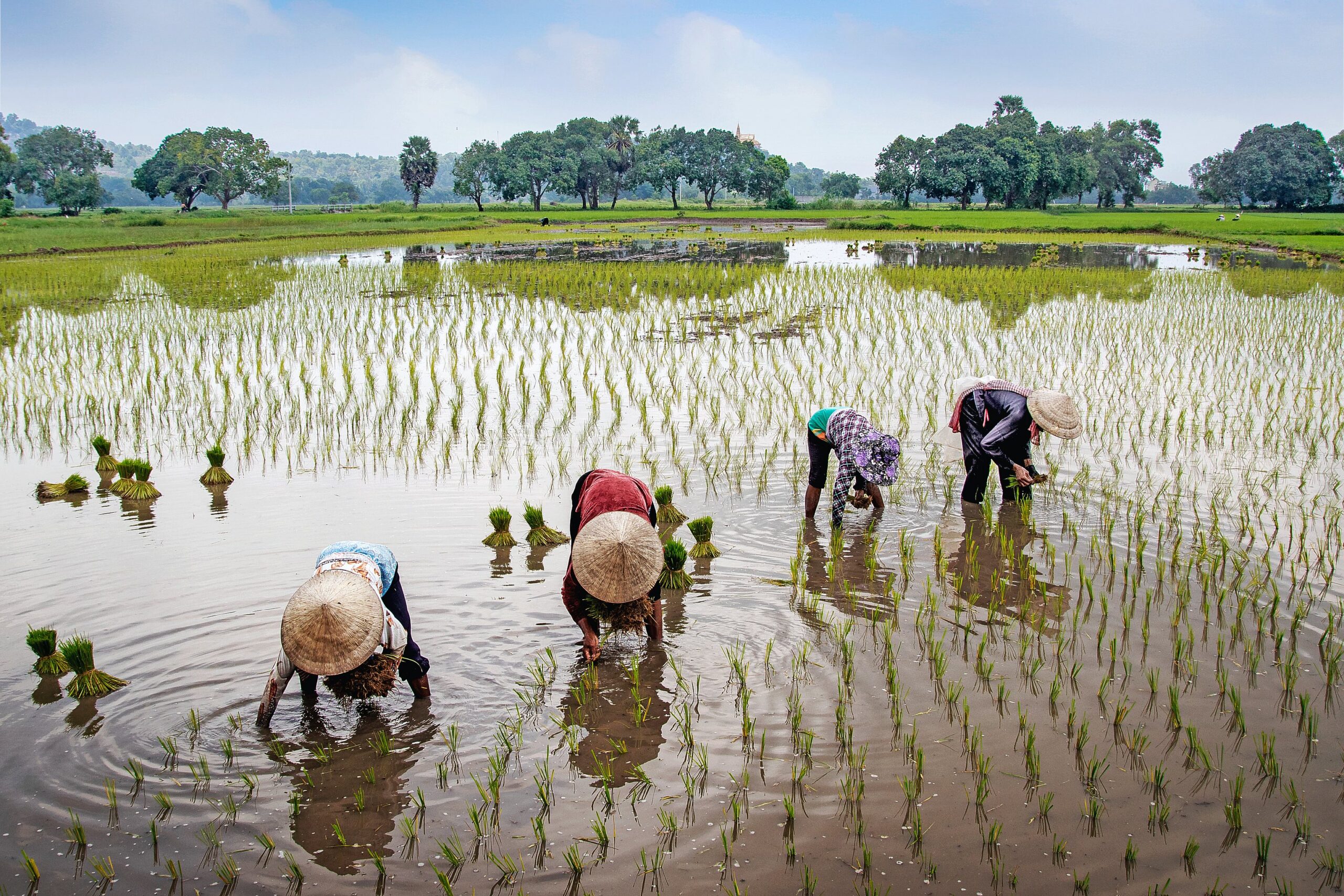
The Mekong Delta of Vietnam ranks among the world’s three most climate-vulnerable regions. Known as Southeast Asia’s “rice basket,” the region is home to 18 million people, produces half of Vietnam’s rice and 65% of its aquaculture, but faces escalating threats from rising sea levels, water pollution, groundwater depletion, saltwater intrusion and land subsidence. With only 20% of wastewater treated and more than 60% of rural residents lacking safe water and sanitation, the region’s environmental and economic stability hangs in the balance.