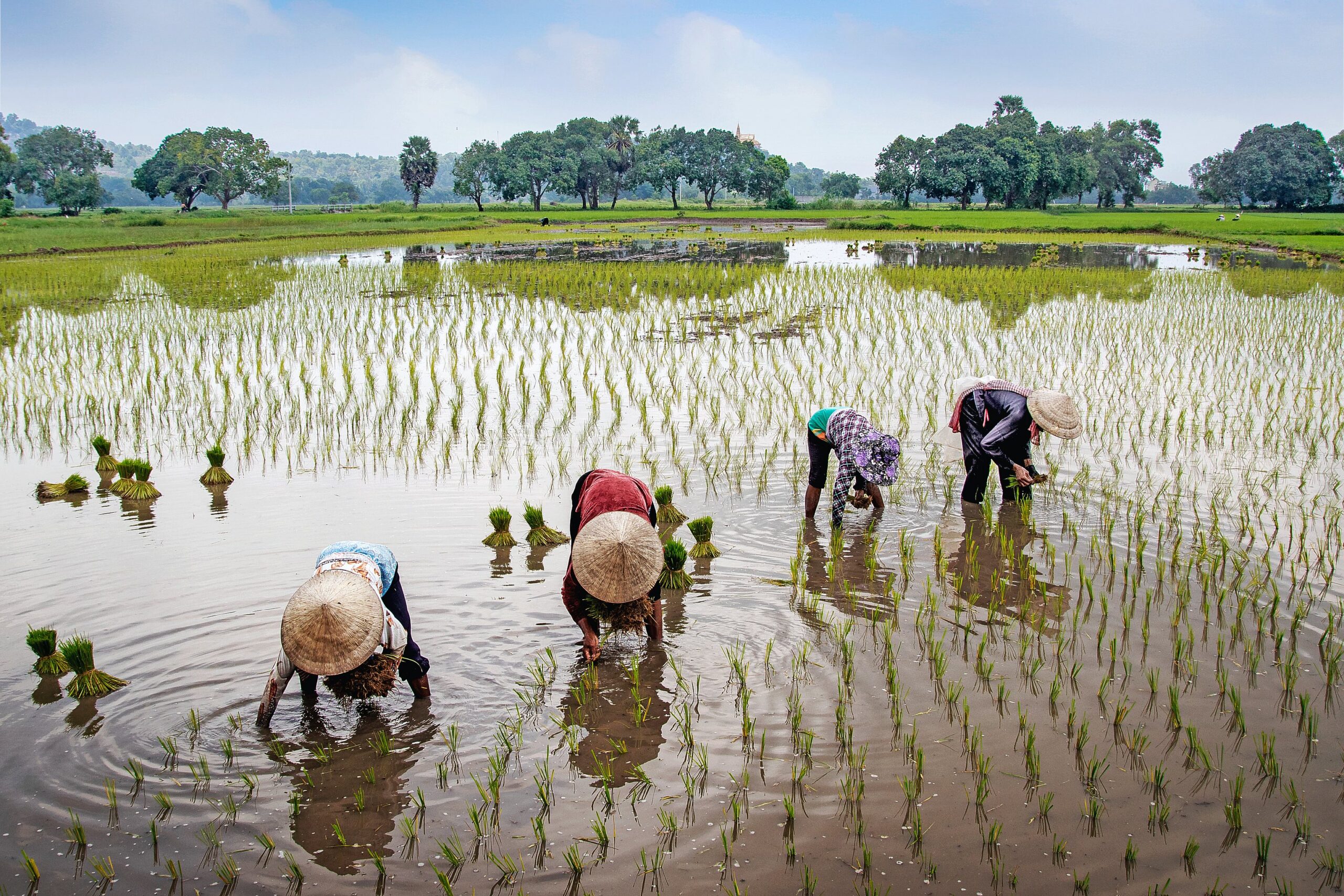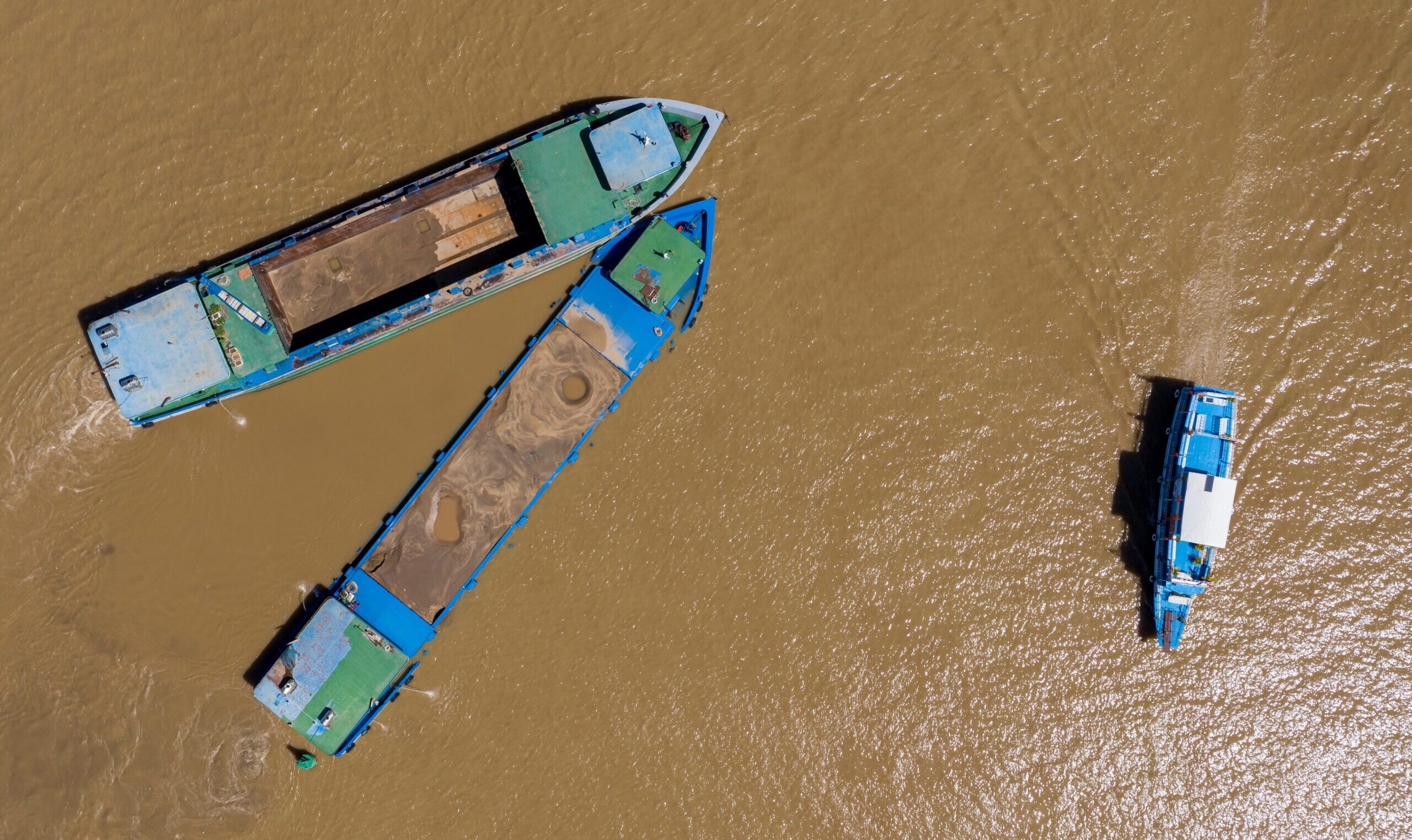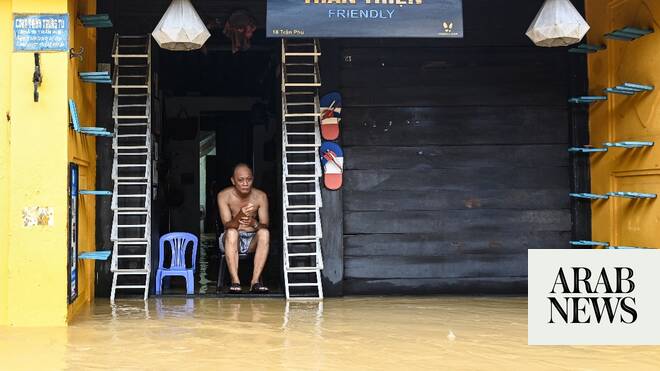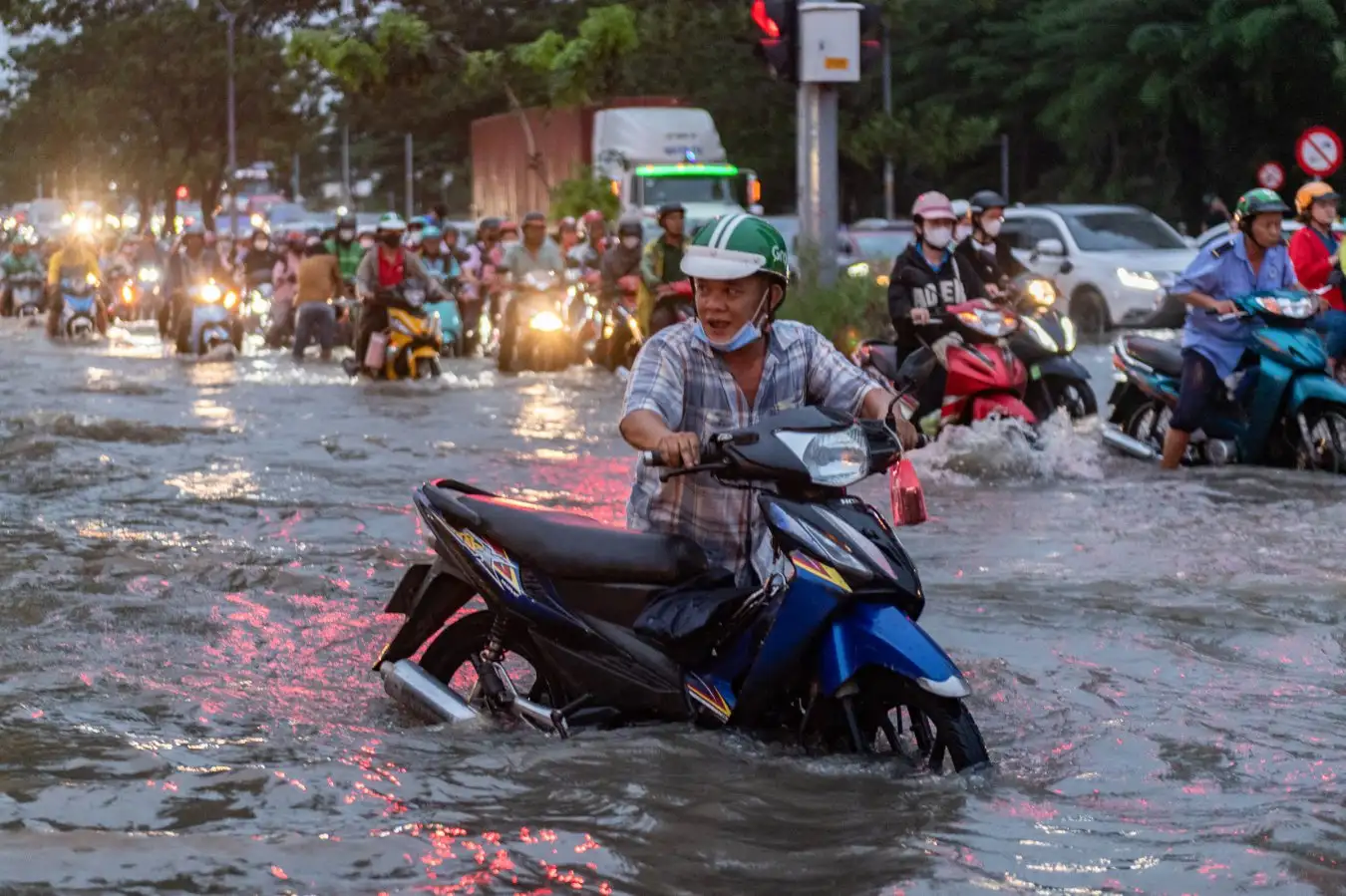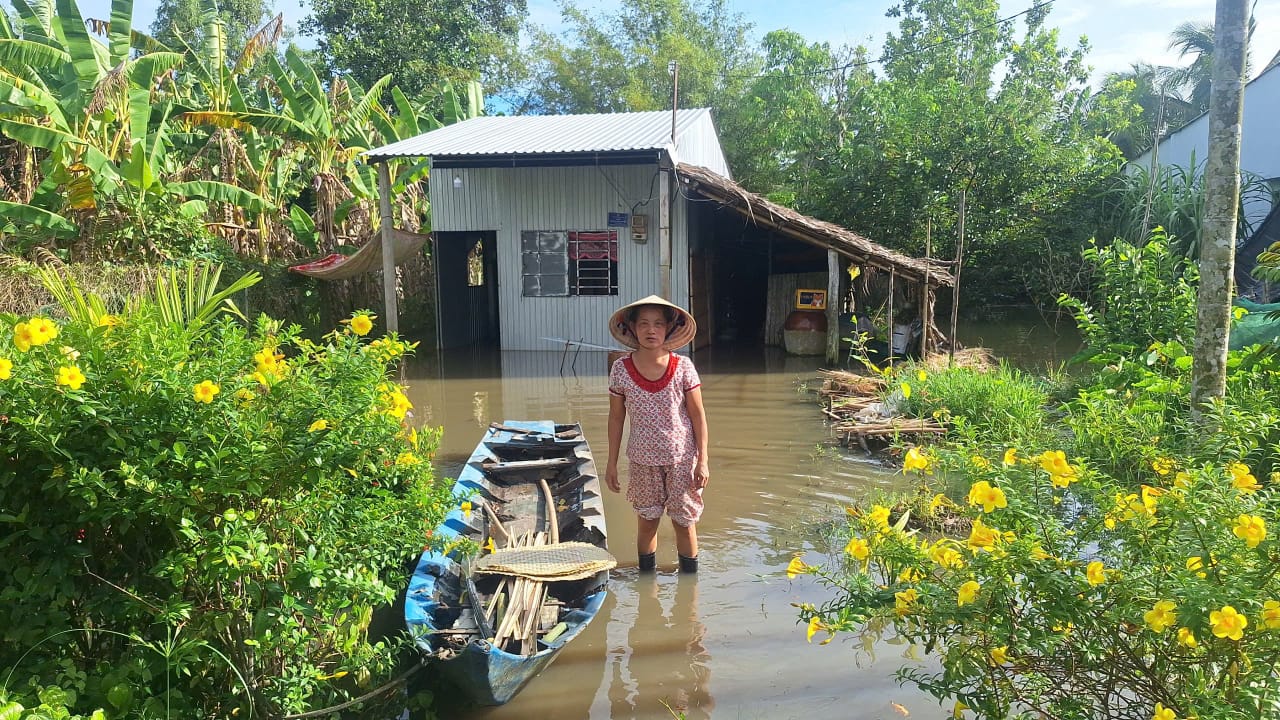
The Mekong Delta is sinking. Projections indicate that 90% of this life-sustaining landform could disappear by 2100 due to human-driven factors such as groundwater pumping and sediment capture by dams, compounding the effects of sea-level rise.The Mekong is just one of 40 of the world’s large river deltas threatened by high subsidence rates coupled with rising sea levels, according to a 2026 global study. Among the 19 river deltas seeing the most significant widespread subsidence are those on the Mekong, Nile, Chao Phraya, Ganga-Brahmaputra, and Mississippi rivers.As the world’s great deltas sink, humanity loses rich, irreplaceable agricultural lands, fisheries, urban areas and exceptional biodiversity — much of which will not be salvageable beyond a certain point. Delta loss poses a significant threat to global food security, and an existential threat to often impoverished delta communities.Delta subsidence can be slowed and even reversed by implementing well-understood mitigation strategies, say experts, by replacing hydropower dams with alternative energy, reducing sand mining and groundwater extraction, and altering agricultural practices. But these solutions are hampered by economics and lack of political will.
The world’s great deltas are sinking — and with them, a global food system
“I would like for me and my children to live here forever,” said Lâm Thu Sang, a resident of Vietnam’s Cần Thơ, a city of more than 2 million people located near the mouth of the Mekong River on one of the world’s largest river deltas. But that may not be possible. In the past, […]
3,561 words~16 min read