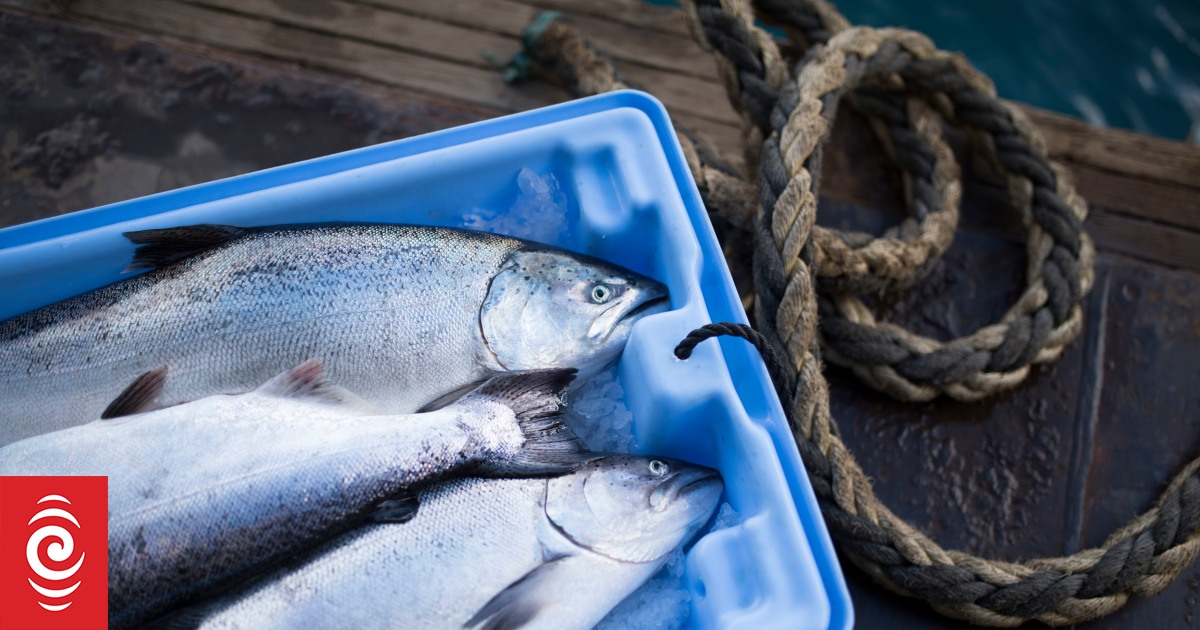
Oceana Group’s stronger seafood business helped lift earnings in the first half, but weaker global prices and lower fish catches continue to weigh on parts of the business. On Thursday, the owner of household staple food Lucky Star reported headline earnings per share rose 7.7% to 349.8c in the six months ended March. Revenue declined 6% to R4.9bn and operating profit slipped by 1.6%. However, profit after tax rose 5% to R422m as strong results from the Lucky Star foods and wild-caught seafood businesses helped offset lower results from the fishmeal and fish oil businesses.The group declared an unchanged interim dividend of 110c per share.Lucky Star increased revenue by 4.4%, supported by steady demand and a better mix of products, while wild-caught seafood benefited from higher prices and improved catch rates. “The wild-caught seafood segment benefited from strong pricing and improved catch rates, contributing positively to revenue growth,” the group said. However, this was offset by a decline in the fishmeal and fish oil businesses. The decrease in revenue and operating profit was primarily attributed to weaker US dollar pricing— OceanaIn South Africa, fishmeal and fish oil revenue fell more than 90%, with the segment reporting a loss. This was due to a steep drop in industrial fish landings and reduced supply of key species such as anchovy and redeye herring, Oceana said. In the US, the same division also came under pressure. Revenue dropped 22.2% and operating profit fell 26.7%, mainly because of weaker global prices. Average fishmeal prices declined by 8%, while fish oil prices dropped 14%. Currency movements also had an impact, with a stronger rand reducing the value of foreign earnings. “The decrease in revenue and operating profit was primarily attributed to weaker US dollar pricing,” Oceana said, adding other parts of the seafood business performed better. Hake volumes increased, supported by improved fishing efficiency and strong demand in Europe. Horse mackerel sales also rose, though prices for larger fish came under pressure due to oversupply. Squid catches declined sharply due to difficult fishing conditions, while lobster volumes increased but were offset by softer prices. Nonetheless, Oceana improved its financial position as cash generated from operations rose, while net debt fell by more than half to R1.7bn. The group expects continued strong demand for seafood, but warned higher fuel and freight costs, along with currency pressure, could weigh on performance. It said global fishmeal and fish oil prices are starting to rise again due to supply constraints, which could support the business in the second half of the year. Business Day
Oceana profits rise, but warns of higher fuel and freight costs
Oceana Group’s stronger seafood business helped lift earnings in the first half, but weaker global prices and lower fish catches continue to weigh on parts of the business.
425 words~2 min read