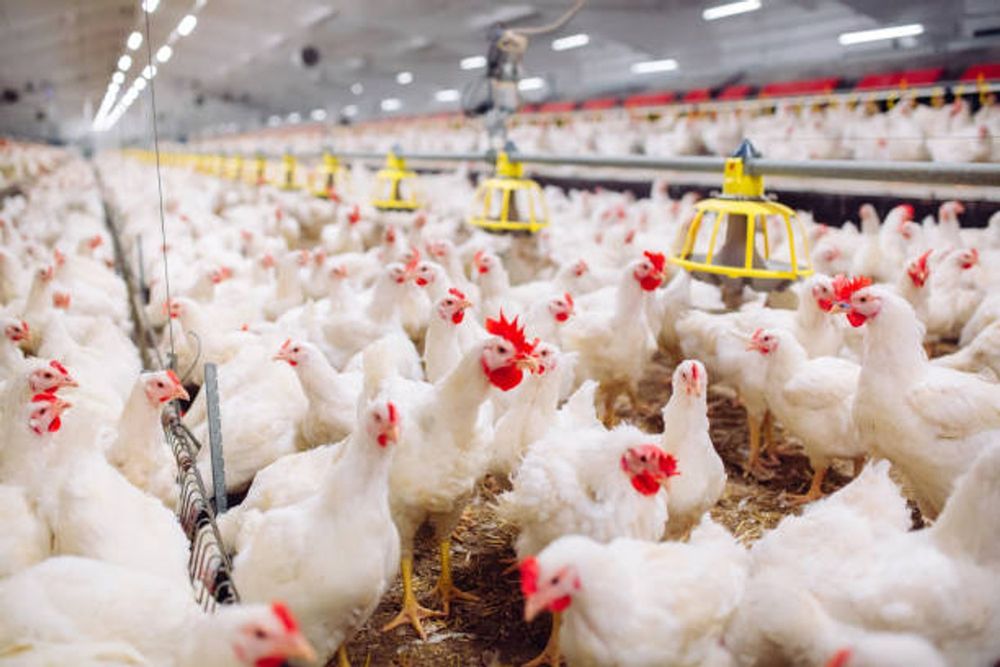
Astral Foods has reported higher profits but warned of rising costs related to the war in the Middle East and weather conditions.The group on Monday reported an 11.4% rise in revenue to R11.9bn for the six months ended March, mainly due to an increase in sales volumes in the poultry division.Operating profit increased significantly off a low base of R271m to R1.2bn, underpinned by improved margins in the poultry division amid lower feed costs, disciplined cost management and improved operational efficiencies in the poultry processing plants. Net operating profit margin increased to 10.2% from 2.5%.Profit for the year was 391% higher at R895.5m, and headline earnings per share rose 467% to R23.18. An interim dividend of R11.60 was declared.The group’s poultry division was the star performer, growing revenue by 14% to R10.1bn as a result of the strong demand for poultry products. The division staged a strong turnaround, with an operating profit of R848m compared with a loss of R26m a year ago.The group said this was driven by optimising broiler production capacity and enhanced operational efficiencies, leading to an improvement in fixed cost recoveries.In its feeds division, total feed volumes increased by 9.8%, supported by strong internal demand. It said the increase in internal demand was supported by higher broiler production volumes. Despite the increase in volumes, revenue for the feed division was in line with the comparable period at R5.3bn, which was attributable to lower feed selling prices, reflecting reduced raw material input costs, particularly for yellow maize. Astral said bird flu remains a risk to the local poultry industry, particularly with higher infection rates in the Northern Hemisphere during their past winter. It said the group’s bird flu vaccination programme has made good progress and will provide protection to some of its breeding stock this coming winter.“The Iranian conflict and the surge in oil prices have translated into higher fuel and transport costs, placing additional pressure on consumer disposable income amid rising unemployment,” it said.The spike in fuel prices and fertiliser costs is expected to weigh heavy on primary agriculture and could negatively affect local crop production. The El Niño weather phenomenon and a probable drought in the 2026/2027 summer growing season could affect South Africa’s crops over the coming year, it added.“The uncertain global landscape with heightened geopolitical tensions could lead to an economic slowdown, accompanied by currency and soft commodity volatility,” it noted.South Africa is set for a record grain and oilseed harvest for the 2025/2026 season, and this should lead to stable poultry feed input costs over the short-term. The group’s broiler production volumes are expected to remain at maximum available capacity to support its best cost-producer strategy.
Astral Foods’ earnings rise, but warns of rising costs
Astral Foods saw earnings growth from poultry but warned of rising costs ahead
444 words~2 min read