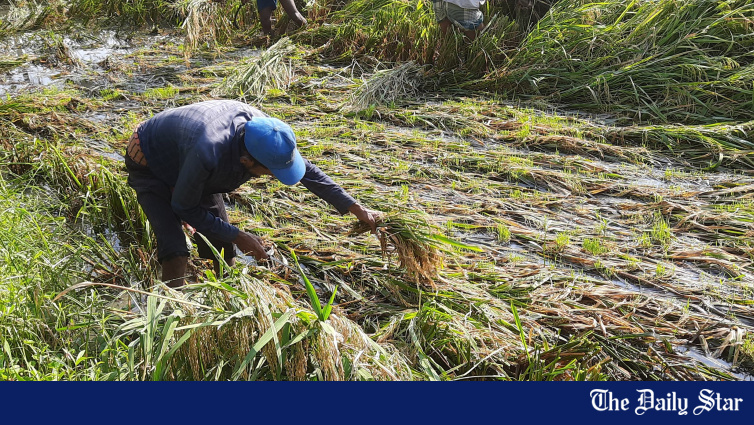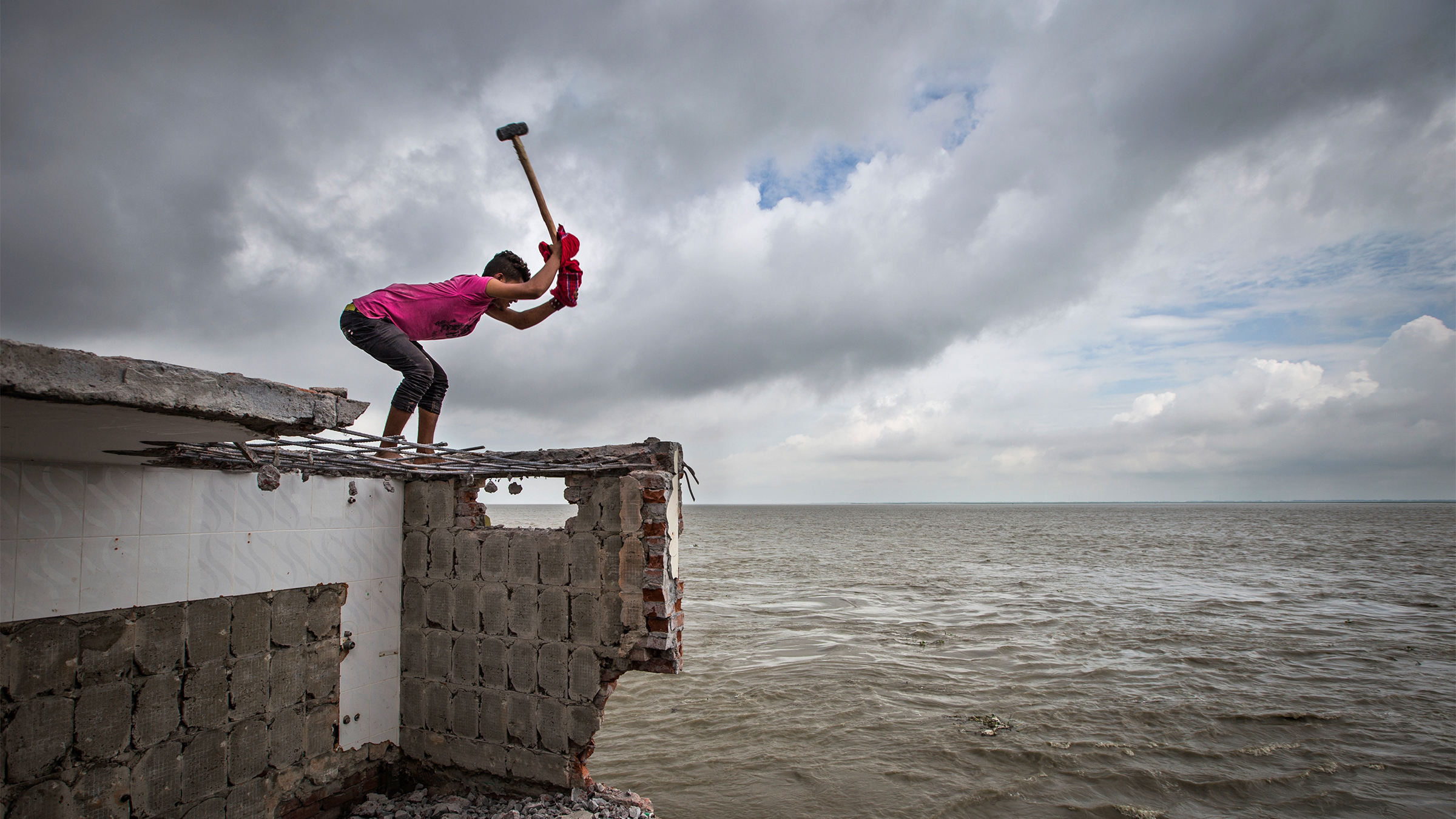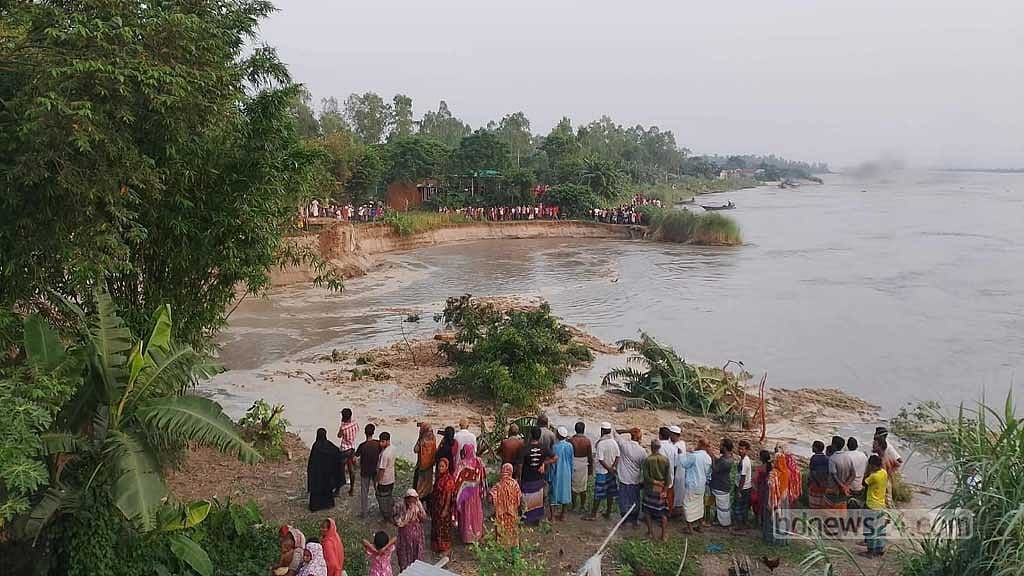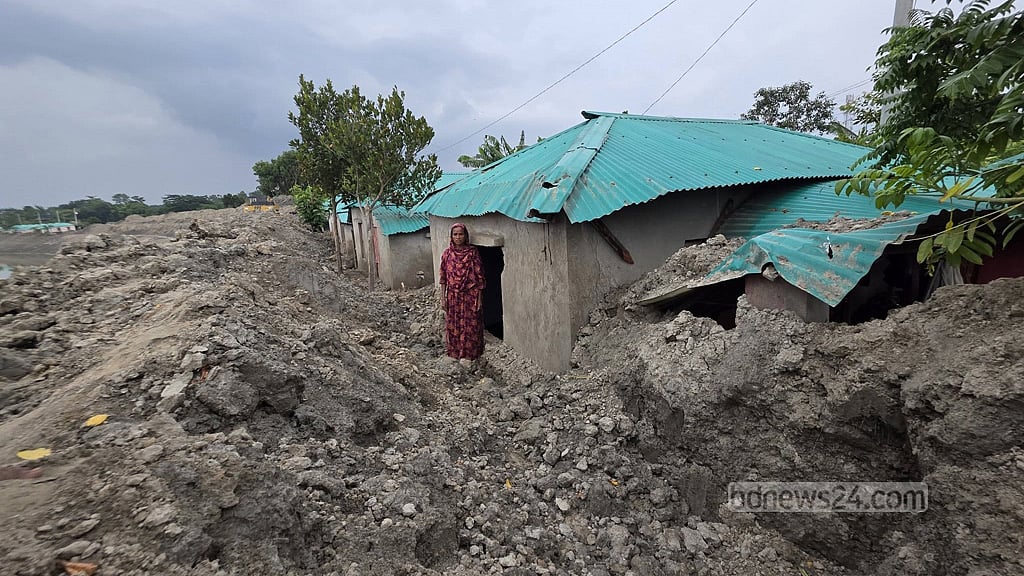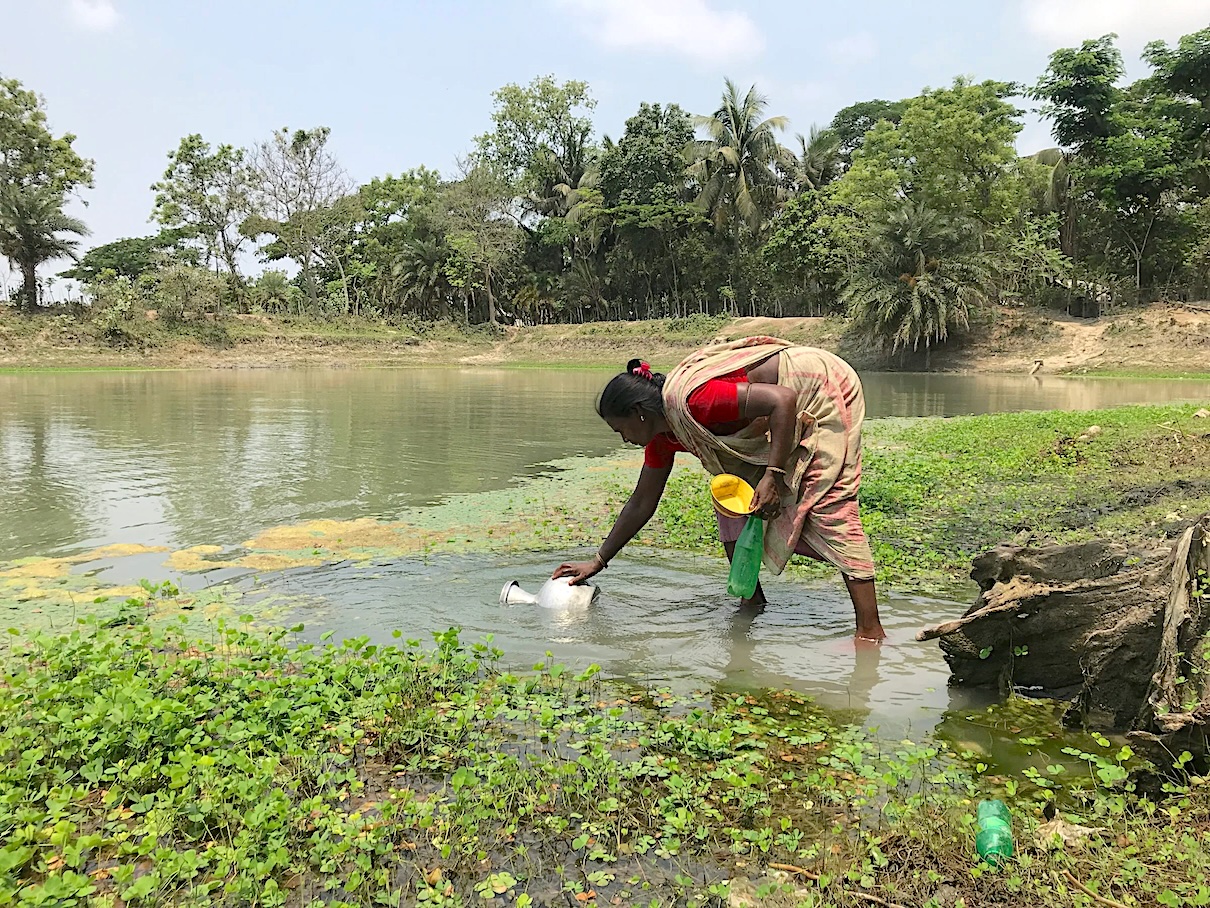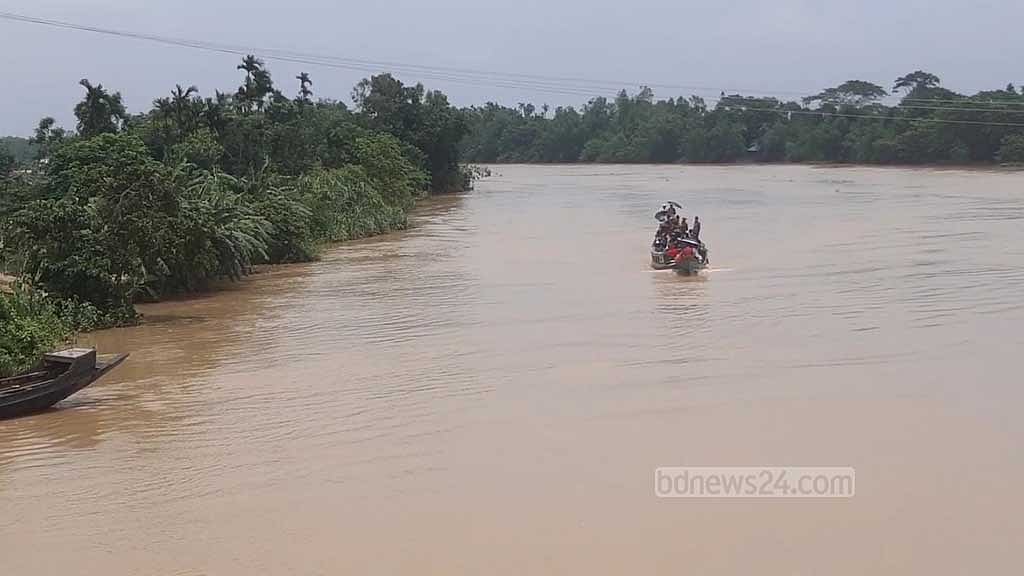
In the northeast of Bangladesh, residents living along the Jamuna River face a relentless cycle of environmental upheaval. Every rainy season, severe flooding routinely invades homes and wipes out crops, turning daily life into a struggle for survival.
For families in these areas of low-lying sand beds, locally known as char areas, land is affordable but highly vulnerable. Rebuilding after each monsoon has historically been an exhausting requirement.
However, Mongabay’s Lucia Torres reports in a recent video that an innovative architectural design is helping to ease the struggle.
Khandoker Mohammad Bulbul, a newly married farmer who recently moved to the region, explains the economic reality of living in such a high-risk area. “I can buy seven or eight times more land here because the land price is very low in char areas,” he tells Mongabay. However, the trade-off for that affordability is constant danger: during floods, Bulbul says, “water enters our house. Sometimes it comes up to our waist.”
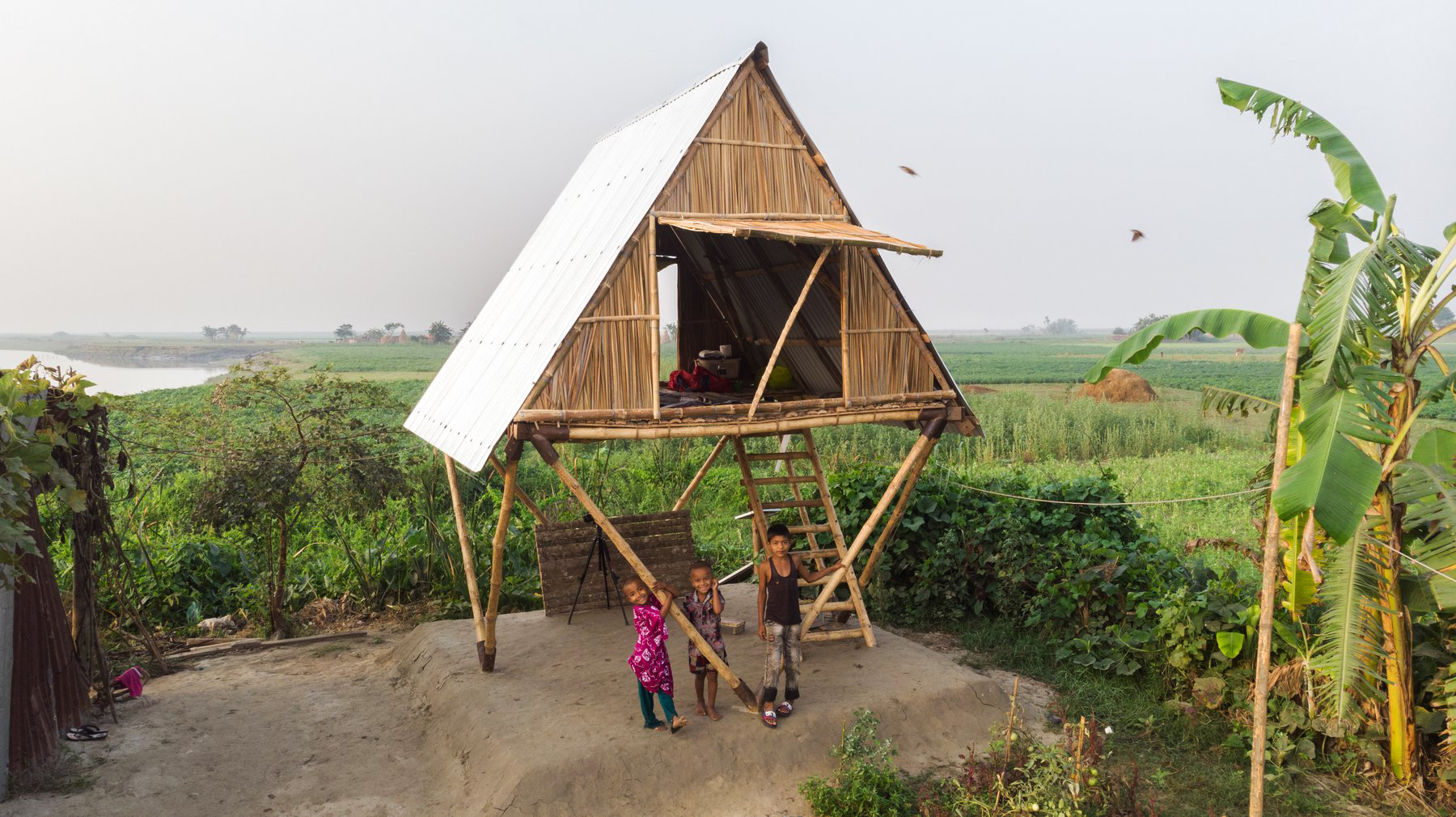
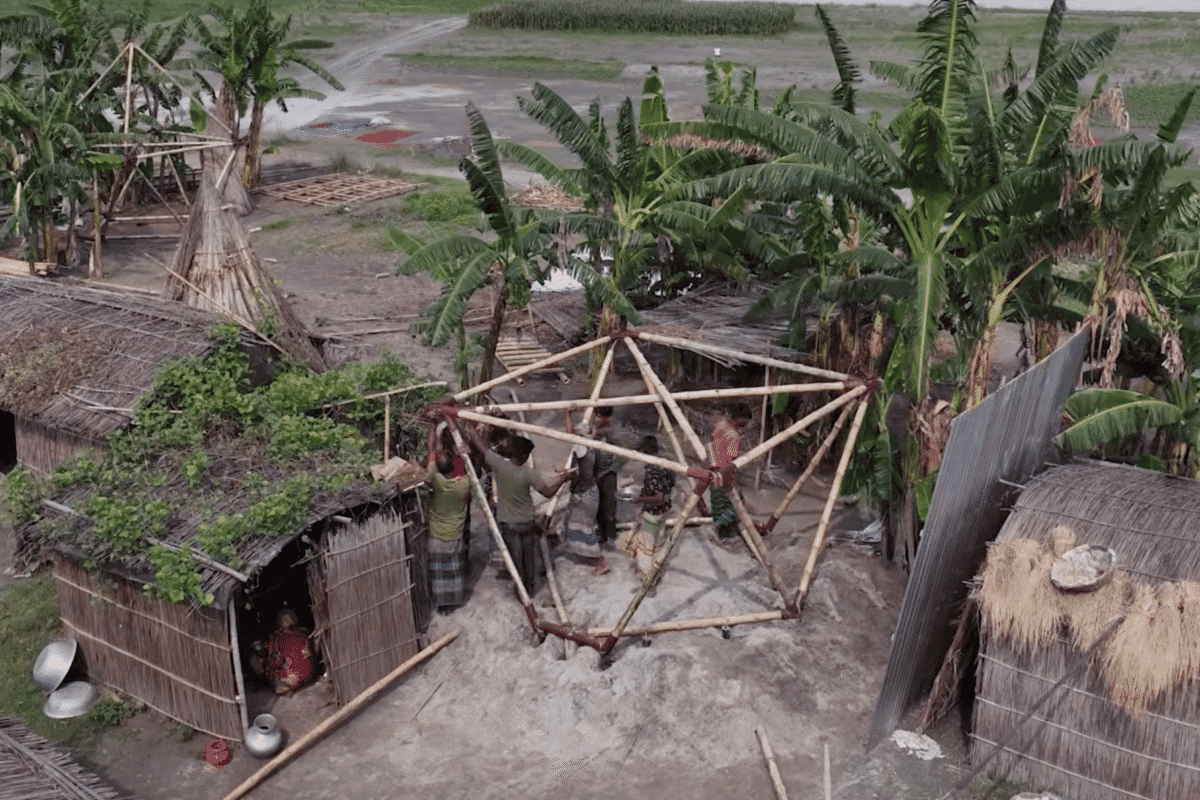
To break this cycle, architects from Dhaka are collaborating with rural communities to build Khudi Bari, or tiny houses, designed to withstand climate extremes. These simple, flood-resistant structures are engineered to respond to the region’s shifting topography and the constant threat of river erosion.